Newark Liberty International Airport Runway Reopens Monday After Extensive Reconstruction: Impact on Air Travel and Operations
Newark Liberty International Airport (EWR) is set to resume full operations on its central runway, Runway 11-29, this Monday, following an extended period of significant reconstruction. This reopening marks a critical milestone in the airport’s ongoing infrastructure modernization efforts, promising to alleviate existing air traffic congestion and improve overall operational efficiency. The runway, a vital artery for EWR, has been undergoing a comprehensive overhaul designed to enhance its structural integrity, improve drainage systems, and incorporate state-of-the-art lighting and navigational aids. The closure, while necessary for these crucial upgrades, has undeniably impacted flight schedules, passenger travel, and the broader air cargo ecosystem serving the New York metropolitan area. Understanding the scope of the construction, the anticipated benefits of the reopening, and the potential residual effects is paramount for travelers, airlines, and stakeholders alike. This article will delve into the details of the runway rehabilitation project, analyze the immediate and long-term implications of its reopening, and provide insights into how this development will reshape air travel through EWR.
The Runway 11-29 rehabilitation project was a multi-phased endeavor initiated with the primary objective of addressing aging infrastructure and enhancing the runway’s capacity to handle the increasing demands of modern air traffic. Runway 11-29 is one of EWR’s primary runways, instrumental in managing a significant portion of the airport’s departures and arrivals. The scope of the construction encompassed a wide range of critical upgrades. This included the full removal and replacement of the existing asphalt pavement, a process that addressed underlying structural deficiencies and ensured a smoother, more durable surface. The sub-base layers beneath the pavement were also excavated and reinforced to provide a robust foundation capable of withstanding the immense weight and stress of contemporary aircraft, including larger and heavier models. Furthermore, the project involved the installation of a new, advanced drainage system. Effective water management is crucial at any airport, particularly in a region prone to significant rainfall. The upgraded drainage network is designed to prevent water accumulation on the runway surface, thereby reducing the risk of hydroplaning and enhancing safety in adverse weather conditions.
Illumination and navigational systems also received a substantial upgrade. The installation of new LED runway lighting was a key component, offering improved visibility for pilots during nighttime operations and in low-visibility conditions. These modern LED lights are not only more energy-efficient but also provide brighter, more consistent illumination, contributing to enhanced safety and operational reliability. The navigational aids, including precision approach path indicator (PAPI) systems and approach lighting systems (ALS), were also modernized. These upgrades ensure that aircraft can safely and accurately navigate the runway during all phases of flight, especially during critical landing and takeoff sequences. The project’s scale necessitated a complete closure of Runway 11-29 for an extended period, a strategic decision to accelerate the completion timeline and minimize the overall disruption to airport operations, although the initial disruption was considerable.
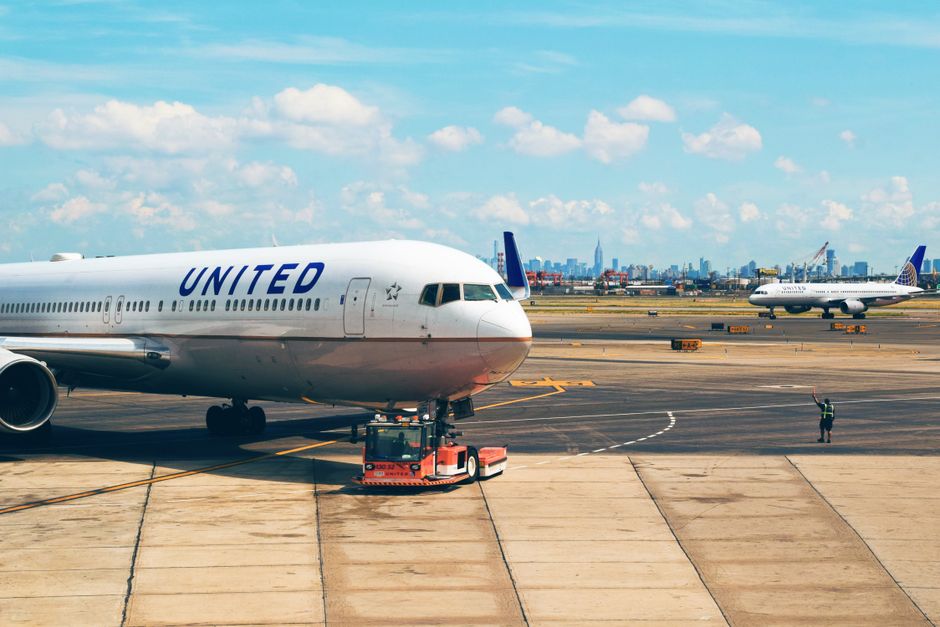
The impact of Runway 11-29’s closure on EWR’s operations and air travel has been multifaceted and significant. With one of its primary runways out of commission, EWR experienced a notable reduction in its overall capacity to handle flights. This directly translated into increased air traffic congestion, longer taxi times for aircraft on the ground, and a higher probability of flight delays and cancellations. Airlines operating out of EWR, including major carriers like United Airlines (which has a significant hub at EWR), had to adjust their flight schedules, often rerouting flights or reducing frequencies to mitigate the impact of the reduced runway availability. This also led to increased operational costs for airlines due to longer ground times and potential diversion expenses.
For passengers, the runway closure meant a higher likelihood of encountering travel disruptions. Flight delays became more commonplace, potentially leading to missed connections and the inconvenience of rescheduled travel. The increased congestion on the ground could also extend the time passengers spent on the tarmac before takeoff or after landing. The economic implications extended beyond the immediate travel experience. The reduced operational capacity of EWR can have a ripple effect on cargo operations, potentially impacting supply chains that rely on timely deliveries through the airport. Businesses that utilize EWR for freight transport may have experienced delays and increased costs. The construction itself, while necessary, also presented logistical challenges for airport operations, including the management of construction equipment and the rerouting of ground traffic.
The reopening of Runway 11-29 on Monday is poised to bring about a series of positive transformations for Newark Liberty International Airport and the broader air travel network it serves. The most immediate and significant benefit will be the restoration of EWR’s full operational capacity. With all its primary runways back online and in optimal condition, the airport will be able to handle a greater volume of air traffic, thereby alleviating much of the congestion that has been a hallmark of its operations during the construction period. This increased capacity will allow airlines to resume their normal flight schedules, leading to a reduction in flight delays and cancellations. Passengers can anticipate a more predictable and reliable travel experience, with a lower chance of encountering disruptions to their journeys.
The enhanced safety and efficiency of the rehabilitated runway are also crucial benefits. The new pavement, improved drainage, and advanced lighting and navigational systems will contribute to a safer operating environment for both aircraft and personnel. The ability to operate more efficiently, particularly in challenging weather conditions, will further enhance EWR’s reliability as a major air travel hub. This increased efficiency can also translate into reduced fuel consumption for aircraft due to shorter taxi times and more streamlined arrival and departure sequences, contributing to a more sustainable aviation industry.
For airlines, the reopening means a return to optimized operations. They can expect improved turnaround times for aircraft, reduced operational costs associated with delays and diversions, and a greater ability to manage their flight schedules effectively. The restoration of capacity will also enable airlines to potentially expand their route offerings or increase frequencies to popular destinations, benefiting both business and leisure travelers. The economic benefits of this restoration are substantial. A more efficient and reliable EWR will enhance its attractiveness as a gateway for business and tourism, supporting economic growth in the region. The improved cargo handling capabilities will also benefit businesses reliant on air freight, ensuring smoother and more timely delivery of goods.
Looking ahead, the reopening of Runway 11-29 represents a significant step forward in EWR’s long-term vision for modernization and expansion. The runway, now equipped with state-of-the-art infrastructure, will be better positioned to handle the projected growth in air traffic in the coming years. This investment in critical infrastructure underscores EWR’s commitment to maintaining its position as a leading international airport. The success of this project serves as a testament to effective infrastructure planning and execution, balancing the necessity of modernization with the imperative of minimizing operational disruptions. The lessons learned from this extensive rehabilitation will undoubtedly inform future infrastructure projects at EWR and other airports facing similar challenges. The improved passenger experience, enhanced operational efficiency, and strengthened economic contributions will solidify EWR’s role as a vital component of the global air transportation network. Travelers can expect a more seamless and reliable experience, and the region will benefit from the continued economic vitality that a fully operational and modernized EWR provides.
