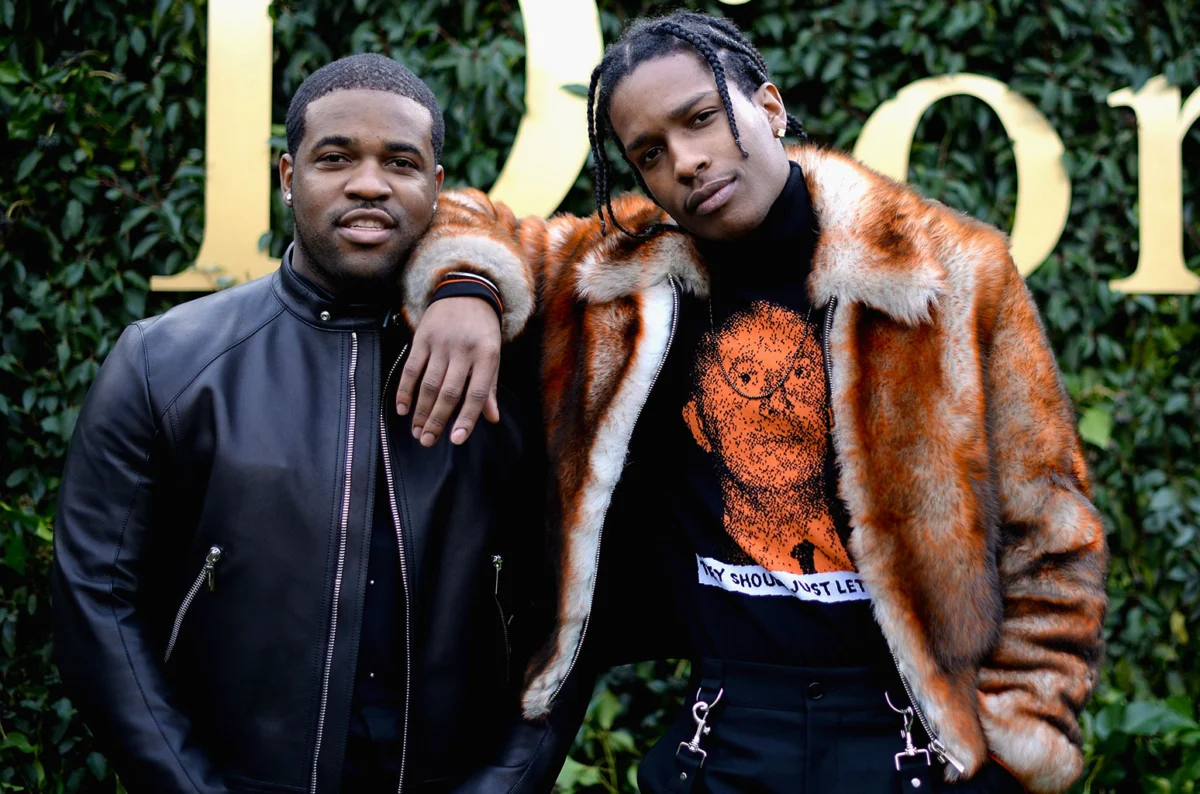
The transition of the Harlem-based rapper Darold Durard Brown Ferguson Jr., known to the world as Ferg, from his identity as A$AP Ferg to a solo moniker has sparked a significant public discourse regarding artistic autonomy and the legacy of one of hip-hop’s most influential collectives. During a recent interview with Ashley Nicole Moss on the program In Motion, the rapper addressed comments made by his long-time collaborator and founding member of the A$AP Mob, A$AP Rocky, who previously expressed feeling “bothered” by the name change. This development serves as a focal point for a larger conversation about the lifecycle of music groups and the necessity for artists to redefine their individual brands as they transition into new phases of their careers.
The Origins and Evolution of A$AP Mob
To understand the weight of this transition, one must first look at the formation of A$AP Mob. Established in Harlem in 2006, the collective—which stands for "Always Strive and Prosper"—became a cultural phenomenon that defined the sound and fashion sensibilities of the early 2010s. The group’s influence extended far beyond music, impacting streetwear, high fashion, and the overall aesthetic of New York City hip-hop.
For years, the "A$AP" prefix acted as a hallmark of quality and brotherhood. Members such as A$AP Rocky, A$AP Ferg, A$AP Yams, and A$AP Nast became household names, utilizing the collective’s brand equity to catapult their solo careers. The release of the Cozy Tapes series cemented their status as a cohesive unit, yet the natural progression of individual artistry often leads to friction within such groups. As Ferg noted in his recent statements, the collective functioned as a launchpad rather than a permanent corporate structure.
A Chronology of the Separation
The shift in branding did not occur overnight. It is the culmination of years of individual growth and changing industry dynamics.
- 2006: A$AP Mob is founded in Harlem, creating a tight-knit community of rappers, designers, and producers.
- 2013: A$AP Ferg releases his debut studio album, Trap Lord, which achieves critical acclaim and solidifies his position as a breakout star within the collective.
- 2017: The group releases Cozy Tapes Vol. 2: Too Cozy, marking one of the final major collaborative projects under the A$AP banner.
- January 2025: During an interview with journalist Touré, Ferg publicly confirms that he is moving forward simply as "Ferg," stating that the era of A$AP as a functioning, active entity—or record label—has effectively concluded.
- Mid-2025: A$AP Rocky, in an interview with Apple Music’s Ebro Darden, acknowledges that he has not been in close contact with Ferg and admits to feeling hurt by the deliberate removal of the moniker, though he emphasizes that he holds no long-term animosity.
- Current Date: Ferg sits down with Ashley Nicole Moss to provide his perspective on the situation, framing the name change as an essential step toward personal and professional maturation.
The Rationale for Rebranding
Ferg’s decision to drop the prefix is rooted in a desire for self-actualization. Throughout his recent interviews, he has emphasized that his growth necessitated a break from the identity that was formed during the early days of his career. He articulated that he has been "Ferg" long before he was ever associated with the collective.
"I got A$AP tatted on me. I’ve always been Ferg," he stated, clarifying that the change is not a renunciation of his history but an evolution of his current self. He noted that the label "A$AP" often tied his identity to the collective’s output, preventing him from fully exploring his own creative vision. By stepping away from the prefix, he is attempting to reclaim his individual narrative.
Furthermore, the rapper highlighted the practical limitations of remaining tethered to a group identity. He suggested that as artists grow into adulthood—taking on family responsibilities and pursuing individual business ventures—the "mob" mentality becomes less sustainable. He stated, "We’re not mobbing anymore. We’re grown." For Ferg, the move is a pragmatic business decision aimed at ensuring that he is known for his unique contributions to music, independent of the collective’s shadow.
A$AP Rocky’s Perspective and the Nature of Brotherhood
The tension between the two artists highlights the complexities of maintaining personal relationships within the music industry. A$AP Rocky’s public admission that he felt "bothered" by the name change suggests a deep-seated emotional attachment to the brand they built together. For Rocky, the "A$AP" prefix was a symbol of loyalty and shared struggle.
However, Rocky’s response also underscored the maturity required to handle such shifts. Despite his personal feelings, he noted, "I always love Ferg. Ferg, he got a good heart." This dichotomy—the personal sting of seeing a brand element discarded versus the respect for a former partner’s autonomy—is a common reality in high-profile creative breakups. By wishing Ferg the best, Rocky signaled a tacit acceptance of the change, even if it deviates from his own vision of the collective’s longevity.
Industry Analysis: The Lifecycle of Hip-Hop Collectives
The transition of A$AP Ferg serves as a case study for the lifecycle of hip-hop collectives. History is replete with similar examples, from the fragmentation of Wu-Tang Clan members pursuing solo ventures to the dissolution of groups like Odd Future. In each instance, the collective serves as a foundational ecosystem that provides initial visibility. As members mature, the need for individual identity often overrides the collective brand.
Data from the music industry suggests that branding transitions can be high-risk but high-reward. For an established artist, changing a stage name can result in a temporary dip in SEO performance and discoverability. However, it also allows the artist to re-establish their base and target a new demographic that may not be familiar with their previous group affiliation. Ferg’s move appears to be a calculated effort to reposition himself as a solo artist who is not beholden to the expectations of the A$AP fan base.
Broader Implications for the A$AP Legacy
The assertion by Ferg that "there’s not an office, there’s not a record label, A$AP Worldwide" strikes at the heart of the current status of the collective. While individual members continue to thrive, the infrastructure that once bound them together appears to have dissipated. This signifies a move toward a more decentralized model of success, where the legacy of the collective remains a point of pride, but the operational reality is one of individual enterprise.
For fans, the shift is undoubtedly jarring, yet it reflects the natural progression of adulthood. The music industry often demands that artists maintain a consistent image for decades; however, artists like Ferg are increasingly prioritizing their mental health, individual brand growth, and personal evolution over the maintenance of a legacy that no longer serves their current life stage.
Conclusion
The dialogue between A$AP Ferg and the public regarding his name change is more than a simple matter of semantics. It is a reflection of the evolving nature of fame and the necessity for artists to define their own identities in an industry that prefers them to remain static. By choosing to move forward as simply "Ferg," the Harlem artist is not discarding his past; he is curating his future. As he continues to produce music and navigate his career, his trajectory will serve as a bellwether for how legacy acts can successfully pivot toward individual longevity, ensuring that they are remembered not just for who they were, but for who they have become.