Fire in Iraqi Domestic Gas Pipeline Contained, Oil Ministry Says
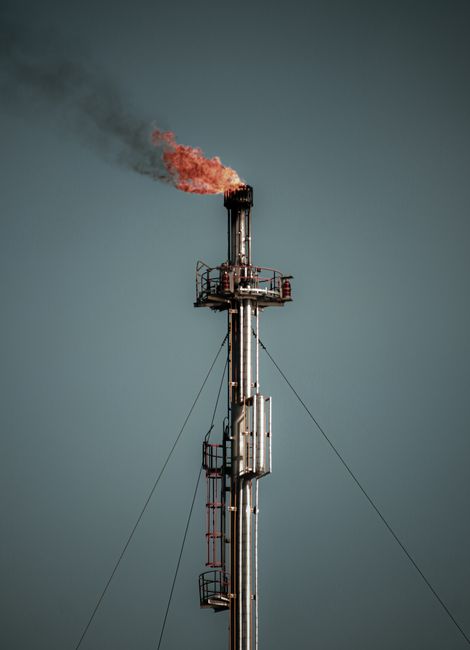
An incident involving a fire at a domestic gas pipeline in Iraq has been successfully contained, according to a statement released by the Iraqi Ministry of Oil. The precise location and the extent of the damage are still being assessed, but initial reports indicate that emergency services and technical teams responded swiftly to bring the situation under control. The Ministry of Oil has emphasized that the incident did not result in any casualties and that efforts are underway to restore normal operations as quickly as possible. The cause of the fire is currently under investigation, with preliminary hypotheses ranging from technical malfunction to potential external sabotage, although no definitive conclusion has been reached. This event highlights the ongoing challenges faced by Iraq’s critical energy infrastructure, which has been a target and a victim of instability and underinvestment for decades. Understanding the specifics of this pipeline fire, its impact, and the preventative measures being considered is crucial for assessing the security and reliability of Iraq’s domestic energy supply.
The Iraqi Ministry of Oil’s swift pronouncements following the pipeline fire aimed to mitigate public concern and assure international partners of the government’s capacity to manage such incidents. The statement, characterized by its directness, confirmed the containment of the blaze and underscored the absence of human loss. This immediate public relations effort is standard practice for ministries overseeing vital national assets, particularly those in the energy sector, where disruptions can have cascading economic and social consequences. The Ministry of Oil is responsible for overseeing a vast network of oil and gas extraction, processing, and transportation facilities, many of which are aging and require significant upgrades. The resilience of this infrastructure, therefore, is not just a technical concern but a matter of national security and economic stability for Iraq, a country heavily reliant on its hydrocarbon revenues. The focus of the Ministry’s subsequent actions will undoubtedly be on a thorough investigation into the root cause, the prompt repair of any damage, and the implementation of enhanced safety protocols to prevent future occurrences. The ongoing geopolitical landscape of the region also necessitates a careful consideration of all potential contributing factors, including deliberate acts of sabotage, which have plagued Iraqi infrastructure in the past.
The immediate aftermath of the fire involved a coordinated response from various government entities. Emergency crews, including firefighters and specialized pipeline repair teams, were reportedly deployed to the site without delay. Their primary objective was to extinguish any remaining flames, secure the affected area, and prevent further escalation of the incident. The nature of gas pipelines, especially those carrying pressurized flammable materials, demands a rapid and precise response to avert widespread damage or environmental hazards. The Ministry of Oil’s statement suggests that these teams acted with efficiency, achieving containment within a reasonable timeframe. This implies that the incident was either localized or that the emergency response mechanisms in place were effective. However, the full extent of the operational disruption and the necessary repairs will become clearer as damage assessment teams complete their work. The infrastructure involved in transporting natural gas domestically is critical for powering electricity generation, heating homes, and supporting various industrial activities. Any prolonged disruption to these supplies could lead to significant shortages, impacting daily life for Iraqi citizens and hindering economic productivity.
The investigation into the cause of the fire is a paramount undertaking. While the Ministry of Oil has not officially revealed the suspected cause, preliminary discussions within energy circles often point to a few key areas. Technical failures, such as leaks due to corrosion, aging equipment, or faulty valve systems, are perennial risks for any extensive pipeline network. The Iraqi oil and gas sector has historically struggled with the pace of technological modernization and has faced significant challenges in maintaining its infrastructure due to decades of conflict and economic sanctions. External factors, including accidental damage from construction activities in proximity to pipelines, or deliberate acts of sabotage, are also plausible scenarios. Terrorist groups have in the past targeted Iraq’s oil and gas infrastructure, viewing it as a strategic asset that can be used to disrupt the government and undermine its financial stability. Therefore, the investigation will likely involve a multi-disciplinary approach, examining engineering records, maintenance logs, and potentially security intelligence to determine whether the fire was accidental or intentional. The findings of this investigation will be crucial in informing future preventative strategies and resource allocation for infrastructure security and maintenance.
The economic implications of such an incident, even if contained, can be substantial. Iraq’s economy is heavily dependent on oil and gas revenues, and disruptions to its energy production and distribution networks can lead to significant financial losses. While this particular incident involved a domestic gas pipeline, any interruption in the supply chain can have ripple effects. For instance, if the pipeline was supplying gas to power plants, it could lead to electricity shortages, impacting industrial output and residential power availability. The cost of repairs, the loss of revenue from unsupplied gas, and the potential need for emergency imports or alternative energy sources all contribute to the economic burden. Furthermore, such events can deter foreign investment in the energy sector, as they signal potential risks and instability. International energy companies are often hesitant to commit resources to regions perceived as having vulnerable infrastructure. Therefore, the Ministry of Oil’s commitment to swift resolution and robust preventative measures is not just about operational efficiency but also about maintaining investor confidence.
Beyond immediate repairs and investigations, the fire serves as a stark reminder of the long-term challenges facing Iraq’s energy infrastructure. Decades of war, neglect, and insufficient investment have left many of its oil and gas pipelines, refineries, and processing facilities in a state of disrepair. The country faces a constant battle to maintain production levels and meet its own domestic energy demands, let alone export capacity. The Iraqi government has consistently appealed for international assistance and has sought to attract private sector investment to modernize its energy sector. However, the security environment, bureaucratic hurdles, and past experiences have made this a slow and arduous process. The frequent occurrence of incidents like this pipeline fire underscores the urgent need for comprehensive infrastructure upgrades, advanced monitoring systems, and enhanced security measures across the entire oil and gas network. A proactive approach to infrastructure maintenance and security is far more cost-effective and less disruptive than dealing with the consequences of repeated failures and incidents.
The strategic importance of domestic gas pipelines in Iraq cannot be overstated. Natural gas is a cleaner and more efficient fuel source compared to oil for many applications, including electricity generation and industrial processes. As Iraq seeks to diversify its energy mix and reduce its reliance on oil for domestic consumption, the role of natural gas becomes increasingly significant. The effective functioning of its domestic gas pipeline network is therefore crucial for achieving energy independence and ensuring a stable supply for its burgeoning population and economy. The Ministry of Oil’s focus on containing the fire and its commitment to investigation and repair are positive steps. However, the long-term solution lies in sustained investment, the adoption of cutting-edge technologies for pipeline integrity management, and a robust security framework to protect these vital national assets from both accidental damage and deliberate attacks. The international community, while potentially cautious, could play a role in providing technical expertise and financial support for such modernization efforts, recognizing the regional and global implications of Iraq’s energy stability.
In conclusion, the reported containment of the fire in an Iraqi domestic gas pipeline, as announced by the Ministry of Oil, represents a critical but temporary resolution to an incident that highlights persistent vulnerabilities within the nation’s energy infrastructure. The Ministry’s swift communication aimed to manage public perception and signal operational control. The ongoing investigation into the cause, whether technical malfunction or sabotage, will be pivotal in shaping future preventative strategies. The economic repercussions, though not fully quantified, are inherently present, impacting government revenue, energy availability, and investor confidence. This event serves as a potent reminder of the decades of underinvestment and the complex security challenges that continue to plague Iraq’s vital oil and gas sector. A comprehensive and sustained effort, involving significant infrastructure upgrades, technological advancements in pipeline monitoring, and an enhanced security posture, is imperative to ensure the long-term reliability and safety of Iraq’s domestic energy supply, thereby supporting its economic recovery and national stability. The successful management of such incidents, and the prevention of future ones, will be a key indicator of Iraq’s progress in rebuilding and securing its essential infrastructure.
