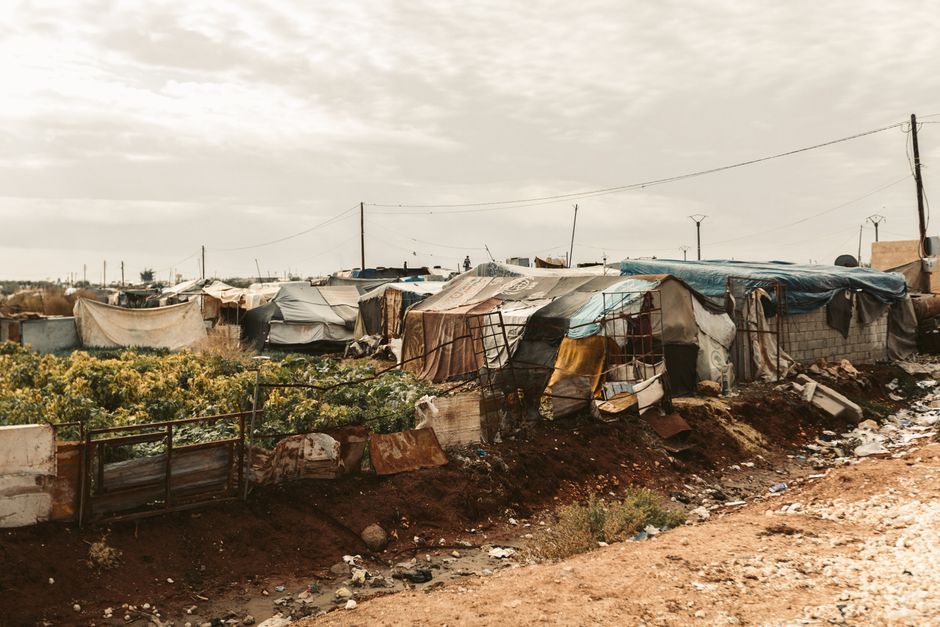
Foreign Aid 100 Days MSF Interview: Urgent Needs and Unmet Promises
The immediate aftermath of a crisis demands swift, decisive action, and for organizations like Médecins Sans Frontières (MSF), this often translates into a critical 100-day window to establish life-saving medical operations. This interview delves into the realities faced by MSF in the first 100 days of responding to a hypothetical, yet representative, large-scale humanitarian emergency, exploring the complex interplay between international foreign aid, donor priorities, and the tangible needs on the ground. The effectiveness of foreign aid, particularly in these initial, high-stakes phases, is paramount. It is not merely about financial contributions; it is about the speed, flexibility, and appropriateness of the aid delivered, and whether it truly addresses the most pressing humanitarian concerns. The 100-day mark serves as a crucial benchmark, revealing the successes and failures of the international community’s response and highlighting the persistent challenges in translating pledges into impactful medical interventions.
The initial 100 days are characterized by an overwhelming surge in demand for basic medical services. When MSF deploys to a new emergency, the primary focus is on stabilizing the most critical cases and establishing the foundational infrastructure for healthcare. This includes setting up field hospitals, emergency surgical units, and primary healthcare clinics, often in remote and insecure environments with minimal existing infrastructure. The immediate requirement for foreign aid at this juncture is overwhelmingly for essential medical supplies: antibiotics, pain relievers, surgical equipment, trauma kits, and life-saving medications for diseases like malaria and cholera, which frequently spike in post-disaster scenarios. Beyond consumables, there’s an urgent need for logistical support – vehicles for transport, fuel, communication equipment, and the rapid deployment of experienced medical and logistical personnel. The speed at which these resources arrive directly dictates the number of lives that can be saved and the extent to which suffering can be alleviated. Delays, often caused by bureaucratic hurdles or insufficient pre-positioning of supplies, can have catastrophic consequences. Donor responsiveness during this period is therefore not just a matter of efficiency, but of ethical imperative.
The financial aspect of foreign aid is, of course, central, but its utilization within the critical 100-day period is what truly matters. For MSF, funds are immediately directed towards operational costs: procuring supplies, paying for transportation, compensating local staff, and maintaining the security of our operations. However, the nature of foreign aid funding can sometimes create a disconnect between immediate needs and donor priorities. Large, multi-year grants are essential for long-term sustainability, but they are often not flexible enough to address the rapidly evolving, urgent demands of an acute emergency. Short-term, unearmarked funding is ideal in the initial phase, allowing MSF to adapt quickly to unforeseen challenges and reallocate resources as needs become clearer. The challenge lies in convincing donors that flexibility, even if it means less predictable allocation of funds in the short term, is more effective in saving lives during the critical 100 days than adhering to rigid, pre-defined program structures. The ability to rapidly procure specific, high-demand items without extensive procurement processes is vital.
One of the most significant challenges MSF faces in the first 100 days is the sheer unpredictability of the environment. Security concerns can escalate rapidly, forcing the relocation of facilities or the suspension of services. Access to affected populations might be hampered by damaged infrastructure or ongoing conflict. In such volatile situations, the flexibility of foreign aid becomes paramount. Aid that is tied to specific, rigid project plans or geographical locations can become useless if the situation on the ground changes. Donors who are willing to trust the expertise of frontline organizations like MSF and allow for adaptive programming are invaluable. This means providing funds with minimal earmarking and with a willingness to adjust project objectives and budgets based on evolving humanitarian needs. The 100-day window is too short for extensive reporting and bureaucratic approvals that can stifle rapid response. Emergency funding mechanisms that bypass traditional channels and allow for immediate disbursement are crucial.
The role of coordination among international actors within the first 100 days is a double-edged sword. On one hand, a well-functioning coordination system, typically led by the United Nations Office for the Coordination of Humanitarian Affairs (OCHA) or similar bodies, can ensure that efforts are not duplicated and that gaps in assistance are identified. This can streamline the deployment of resources and prevent aid from flowing into areas that are already adequately covered. However, the reality on the ground can sometimes be a chaotic interplay of competing agendas and organizational mandates. For MSF, which often operates in highly sensitive and politically charged environments, maintaining its operational independence and ensuring that humanitarian principles are upheld is non-negotiable. Overly bureaucratic coordination mechanisms can slow down decision-making and compromise MSF’s ability to reach those most in need. The ideal scenario is a flexible, needs-driven coordination system that prioritizes direct communication and swift action over lengthy consensus-building processes.
The sustainability of foreign aid beyond the initial 100 days is a critical consideration that often starts to take shape during this initial phase. While the immediate focus is on emergency response, MSF is also thinking about how to transition towards more sustainable healthcare solutions. This includes the training of local healthcare workers, the strengthening of local health systems, and the provision of ongoing medical supplies. However, the funding landscape can be challenging. Donors who are willing to invest in longer-term capacity building are essential, but often emergency funding dries up as the initial crisis fades from international headlines. The challenge for MSF is to advocate for a continuum of care, demonstrating how continued support beyond the emergency phase leads to more resilient communities and a reduced need for future emergency interventions. This requires donors to understand that humanitarian aid is not just about responding to immediate crises, but also about investing in long-term solutions that prevent future suffering.
The issue of access is a persistent and often life-threatening hurdle for MSF in the first 100 days. Whether it’s due to ongoing conflict, damaged infrastructure, or bureaucratic impediments, gaining unimpeded access to affected populations is vital for delivering medical care. Foreign aid can play a crucial role in facilitating access, not just through financial contributions for transportation, but also through diplomatic engagement and advocacy. Donors with political leverage can advocate with governments and armed groups to ensure safe passage for humanitarian organizations. Furthermore, foreign aid can support the establishment of temporary infrastructure, such as bridges or landing strips, that can improve logistical access. However, this also highlights the importance of aid being provided without political conditionality that could compromise MSF’s neutrality. The ability to negotiate access directly with all parties to a conflict, based on humanitarian principles, is fundamental.
The impact of foreign aid on local economies and healthcare systems within the first 100 days is a complex dynamic. On the one hand, significant influxes of international funding can create temporary employment opportunities, particularly in logistics and support roles. MSF prioritizes hiring and training local staff whenever possible, thereby building local capacity. However, there is also a risk of dependency and distortion. Large-scale procurement of goods and services by international organizations can sometimes outcompete local suppliers if not managed carefully. Similarly, the introduction of externally funded programs can sometimes bypass or undermine existing local health structures if not integrated thoughtfully. MSF strives to work in partnership with local health authorities and communities to ensure that its interventions complement, rather than replace, existing systems, and that there is a clear plan for handover and sustainability once the immediate crisis subsides. The goal is to strengthen local capacity, not to create parallel systems that collapse without external support.
The narrative surrounding foreign aid, particularly in the context of emergency response, is often shaped by media attention and public perception. The first 100 days are frequently the period of greatest media scrutiny, and successful interventions can generate significant positive publicity, which can, in turn, encourage further donations. However, the effectiveness of aid is not solely measured by headlines. For MSF, it is measured by the number of lives saved, the reduction in suffering, and the quality of care provided. The challenge for MSF and other humanitarian organizations is to ensure that the public discourse accurately reflects the complexities of humanitarian action, including the challenges and limitations, while still galvanizing support. Donors often respond to compelling stories of need and impact, and while MSF provides these, it is crucial to maintain a focus on the systemic issues that perpetuate crises and the long-term solutions that are required.
The humanitarian principles of humanity, neutrality, impartiality, and independence are the bedrock of MSF’s operations and are directly impacted by the nature of foreign aid. Neutrality and impartiality are particularly crucial in the first 100 days of a crisis, especially in conflict zones. MSF must be able to access all populations in need, regardless of their political affiliation or ethnicity. This requires aid to be provided without any political strings attached. Foreign aid that is conditioned on political alignment or used as a tool of foreign policy can compromise MSF’s ability to operate and reach vulnerable populations. The independence of humanitarian action is vital to maintain trust with all parties. Donors who respect these principles and provide flexible, unearmarked funding empower organizations like MSF to uphold their mandate and deliver life-saving assistance impartially. The 100-day benchmark reveals whether these principles are being respected or compromised in the pursuit of other agendas.
Looking ahead, the lessons learned in the first 100 days of a crisis should inform the future of foreign aid. The recurring patterns of unmet needs, funding gaps, and coordination challenges highlight the need for systemic reform. This includes advocating for more predictable and flexible funding mechanisms for humanitarian crises, strengthening early warning systems, and investing in disaster preparedness at the local level. For MSF, the focus remains on advocating for a more responsive, efficient, and principled humanitarian aid system that prioritizes the needs of affected populations above all else. The 100-day mark is not just an endpoint; it is a continuous learning process that should drive innovation and adaptation in how the international community responds to humanitarian emergencies. The sustained commitment of donors to this continuous improvement is what will ultimately determine the effectiveness of foreign aid in saving lives and alleviating suffering.
