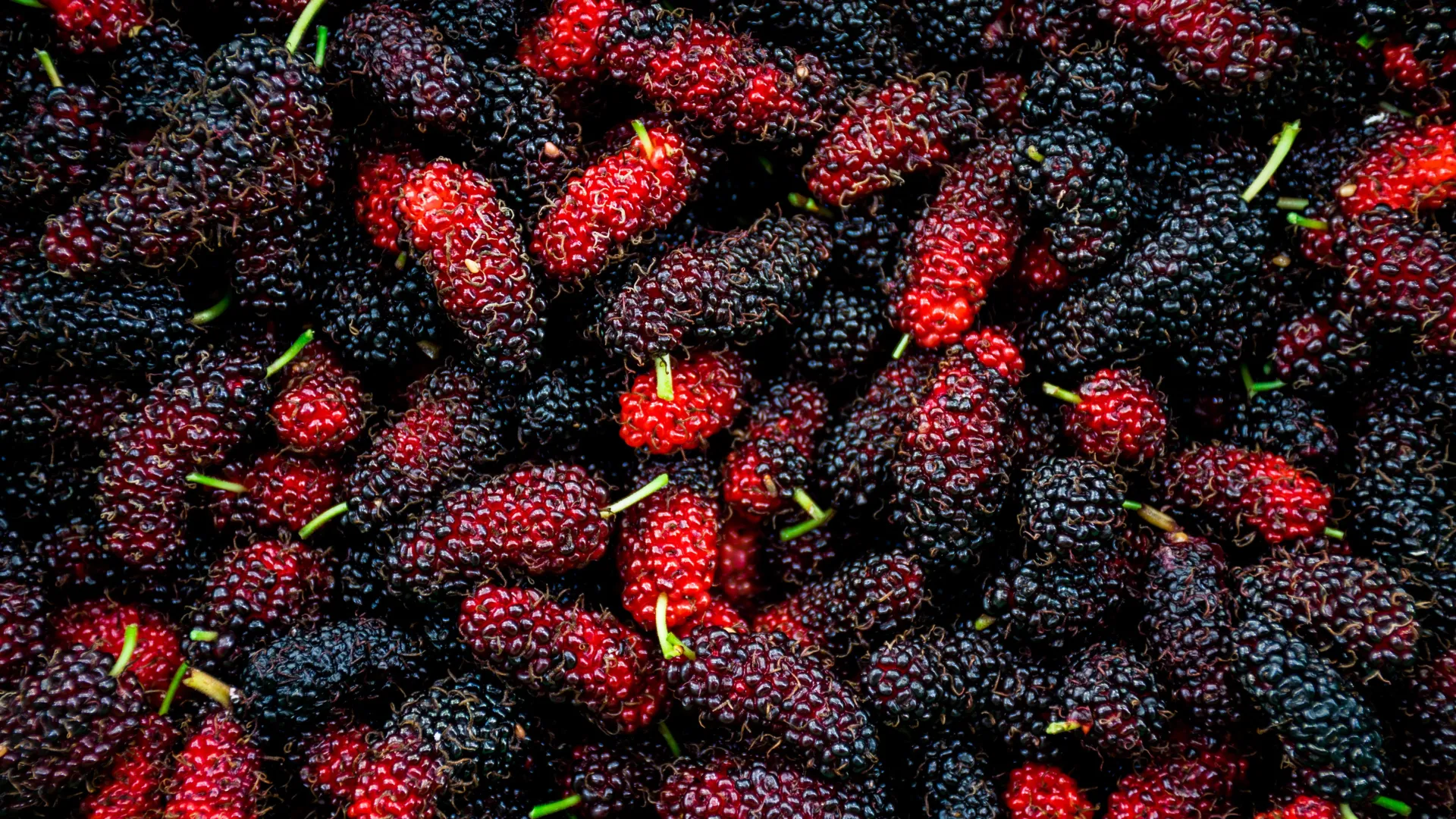
For centuries, across diverse cultures spanning Asia, Europe, and the Americas, the mulberry tree has occupied a quiet yet revered space in traditional healing and agricultural life. Long before modern pharmacology isolated active ingredients, ancient herbalists utilized the leaves, bark, and sweet fruit of the Morus genus to address ailments ranging from fatigue and inflammation to early signs of metabolic imbalance. Today, this historical remedy is undergoing rigorous scientific re-examination. A comprehensive new review spearheaded by researchers at Wroclaw Medical University has brought fresh attention to the plant, exploring how specific botanical compounds in mulberries interact with the complex ecosystem of the human gastrointestinal tract to potentially influence systemic metabolism.
The implications of this research extend far beyond botanical curiosity. As modern medicine increasingly recognizes the gut microbiome as a master regulator of human health—implicated in conditions ranging from obesity and Type 2 diabetes to cardiovascular disease—scientists are searching for dietary interventions that can safely and precisely modulate microbial populations. According to the Wroclaw Medical University review, mulberry preparations show significant potential in this arena. However, the path from ancient herbal remedy to standardized modern therapeutic is fraught with biochemical complexities. The efficacy of mulberry does not lie in a single, easily extractable molecule, but rather in a dynamic interplay of species variations, anatomical plant parts, processing techniques, and synergistic compound combinations.
The Interdisciplinary Origins of a Microbiome Investigation
The genesis of this comprehensive review traces back to an academic initiative within the Nutri-Sfera Student Research Group, operating under the Department of Dietetics and Bromatology at Wroclaw Medical University. The project was initially proposed by two ambitious students, Marta Miszczak, representing the Dietetics program, and Karolina Kłosowska-Buryło, from the Pharmacy program. Their academic partnership proved foundational, establishing an interdisciplinary framework that bridged nutritional science with pharmaceutical chemistry.
Under the guidance of senior faculty members, the student-led inquiry evolved into a broad-scoped scientific evaluation. Professor Anna Prescha, PhD, DSc, a prominent researcher in the Department of Dietetics and Bromatology, noted that the students’ dual perspective was vital to the project’s success. By combining a deep understanding of plant material composition with sophisticated analyses of microbial and metabolic interactions, the research team was able to synthesize a vast body of disparate literature into a cohesive review. This collaboration underscored a modern shift in nutritional research: unlocking the health benefits of whole foods requires an integrated approach that respects both the intrinsic chemistry of the plant and the physiological complexity of the host.
Decoding the Botanical Profile: Species, Parts, and Processing
To understand why mulberries command such intense scientific interest, one must examine their biochemical architecture. The genus Morus encompasses several species, though scientific investigation has predominantly focused on white mulberry (Morus alba) and, to a lesser extent, black mulberry (Morus nigra). Each species, and indeed each part of the plant, yields a vastly different array of bioactive compounds.
White mulberry leaves have long attracted attention for their unique concentration of 1-deoxynojirimycin (DNJ), a specialized iminosugar recognized globally for its ability to inhibit intestinal alpha-glucosidases, thereby dampening carbohydrate digestion and smoothing postprandial glucose spikes. Beyond DNJ, the leaves are rich in diverse polyphenols and structural polysaccharides. In contrast, black mulberry fruit leans heavily into a different chemical profile, distinguished by exceptionally high levels of anthocyanins—potent antioxidant pigments responsible for the fruit’s deep coloration—alongside unique phenolic acids and polysaccharides.
Compounding this biochemical diversity is the profound impact of post-harvest processing. The review highlights that drying, fermentation, enzymatic treatments, and various extraction methodologies can drastically alter the final chemical landscape of a mulberry preparation. Two distinct extracts derived from the exact same batch of leaves or fruit can exhibit entirely different therapeutic potentials depending on how they were handled prior to consumption.
For instance, studies examining polysaccharides extracted from black mulberry fruit revealed that the choice of extraction technique—such as water extraction versus enzymatic hydrolysis utilizing pectate lyase—yields structural fractions with varying degrees of prebiotic utilization by gut microbes. Fractions produced via enzymatic intervention frequently demonstrated superior structural integrity and higher prebiotic potential, proving that the method of preparation is just as critical as the choice of plant species.
Microbial Modulation: Shaping the Gut Landscape
At the heart of the Wroclaw Medical University review is the interaction between mulberry bioactives and the resident communities of microorganisms inhabiting the human gastrointestinal tract. The gut microbiota performs functions vital to human survival, including the fermentation of non-digestible dietary fibers into short-chain fatty acids (SCFAs) such as acetate, propionate, and butyrate. These metabolites serve as primary energy sources for colonocytes, help maintain intestinal barrier integrity, and exert systemic anti-inflammatory and metabolic effects.
According to the reviewed literature, preparations derived from both mulberry leaves and fruit induce notable shifts in gut microbial composition. Experimental models demonstrated that administration of specific mulberry fractions led to an proliferation of beneficial bacterial taxa, frequently accompanied by an upregulation in SCFA production. These microbial adjustments correlated directly with improvements in physiological markers related to host glucose regulation and lipid metabolism.
However, the scientific narrative is far from uniform. The consistency of these prebiotic and metabolic effects depends heavily on structural specificities. Polysaccharides derived from mulberry leaves, for example, possess distinct molecular weights and monosaccharide compositions. These structural characteristics dictate which specific bacterial strains possess the enzymatic machinery necessary to utilize the compounds as growth substrates. Consequently, minor variations in a polysaccharide’s architecture can dictate whether a particular microbe thrives and whether specific health-promoting SCFAs are successfully generated.
Synergistic Mechanisms and Metabolic Interventions in Animal Models
Some of the most compelling insights cataloged in the review emerged from controlled animal studies investigating the interplay of multiple mulberry compounds. Rather than isolating single constituents, researchers tested complex fractions containing both polyphenols and polysaccharides, particularly from white mulberry fruit.
In murine experiments where subjects were subjected to a high-fat diet—a standard model for inducing metabolic syndrome—the administration of a combined polyphenol-polysaccharide fraction yielded superior outcomes compared to the administration of either compound class in isolation. Mice receiving the combined fraction experienced more pronounced, favorable alterations in their gut microbiota profiles, alongside significant mitigations in weight gain, insulin resistance, and intestinal permeability markers.
To confirm that these metabolic improvements were indeed driven by microbial shifts rather than direct systemic absorption of the plant compounds alone, researchers conducted fecal microbiota transplantation (FMT) experiments. Gut microbiota harvested from mice treated with the combined mulberry fraction were transferred into recipient mice maintained on high-fat diets. Remarkably, these recipient animals exhibited similar improvements in metabolic disturbances, providing robust causal evidence that the gut microbiome acts as a vital mediator of mulberry’s health benefits.
"These findings suggest that what matters is not only the presence of an individual compound, but also the complex composition of the preparation, the proportions of its compounds, and their interactions," emphasized Professor Prescha. "Therefore, rather than searching for a single universal product, it is worth determining which combination of species, plant part, composition, and processing method produces a specific biological effect."
Bridging the Gap: The Absence of Human Clinical Trials
Despite the encouraging pre-clinical data generated in laboratories and animal models, the scientific community maintains a cautious stance regarding the immediate application of these findings to human populations. A glaring gap remains in the current body of research: the near-total absence of well-designed, randomized controlled human clinical trials investigating how mulberry preparations directly impact the human gut microbiota.
The vast majority of existing data stems from in vitro laboratory setups and animal models. Furthermore, comparing results across historical and contemporary studies remains methodologically challenging. Many scientific investigations fail to provide comprehensive, standardized chemical analyses of the exact mulberry preparations being administered, making it difficult to replicate findings or determine precise dosage-response curves.
"The available findings are promising, but at this stage they do not allow us to determine whether the relationships observed in experimental models between mulberry preparations, the microbiota, and metabolism also occur in humans," Professor Prescha pointed out.
Moving the field forward will require a concerted shift toward rigorous clinical translation. Future research must prioritize human trials utilizing chemically characterized, standardized mulberry extracts. Only through such methodology can scientists determine whether the prebiotic and metabolic enhancements observed in mice translate into safe, measurable, and clinically meaningful health outcomes for people managing metabolic disorders, obesity, or gastrointestinal dysbiosis.
Broader Implications for Functional Foods and Pharmacotherapy
The implications of the Wroclaw Medical University review extend into several commercial and scientific sectors, including functional foods, nutraceutical development, and integrative medicine. As the prevalence of metabolic syndrome continues to rise globally, public health authorities are urgently seeking non-pharmacological interventions that can complement traditional medical therapies.
Mulberry-derived products, if successfully standardized, could occupy a valuable niche in preventative healthcare. By functioning as targeted prebiotics that selectively nourish beneficial gut bacteria while simultaneously modulating carbohydrate digestion through compounds like DNJ, mulberry preparations offer a dual-action mechanism targeting both the microbiome and host metabolism.
However, the commercialization of such products must heed the warnings highlighted by the research. The assumption that any mulberry tea, supplement, or dried fruit will yield identical health benefits is scientifically unfounded. Without stringent quality control, standardized extraction protocols, and an understanding of how processing alters bioactive ratios, the consumer market risks flooding with ineffective or highly variable products.
Ultimately, the ancient mulberry tree stands at an intriguing intersection of tradition and high-tech biomedical science. What began centuries ago as an empirical observation by herbalists is now being dissected molecule by molecule, microbe by microbe. While significant work remains to validate these effects in human clinical settings, the current body of research affirms that the humble mulberry holds substantial promise as a modulator of human health, provided science continues to approach its complexity with rigorous, interdisciplinary precision.