The consumer electronics landscape is shifting as major retailers and technology manufacturers accelerate their holiday promotional cycles. With the 2026 shopping season officially underway, Amazon has unveiled a comprehensive suite of early Black Friday discounts on core Apple products. This preemptive pricing strategy, which deviates from the traditional post-Thanksgiving sales model, reflects a broader trend of retailers seeking to mitigate supply chain volatility and capture consumer spending earlier in the fourth quarter.

A Strategic Shift in Retail Timing
The decision to offer significant markdowns on hardware—including the latest iterations of the MacBook Air, MacBook Pro, and various iPad models—indicates a shift in how technology firms and distributors manage inventory turnover. By launching these sales in mid-November, retailers are attempting to level out the logistical strain historically associated with the peak shopping window between Black Friday and Cyber Monday.
Industry analysts suggest that this strategy is twofold: it provides a tactical advantage for early-bird shoppers while simultaneously allowing retailers to gauge consumer demand before the most aggressive price-cutting phase begins. For Apple, maintaining high volume in the final quarter remains a critical metric for annual fiscal performance, particularly as the company pivots toward integrating advanced artificial intelligence (AI) across its hardware ecosystem.

Chronology of the 2026 Promotional Cycle
The current promotional window follows a series of product launches that occurred throughout the late summer and early autumn of 2026. Following the unveiling of the updated MacBook Air and the high-performance MacBook Pro, market anticipation was high regarding when these units would see price adjustments.
- August 2026: Initial product rollouts and back-to-school promotions established the baseline pricing for new Apple hardware.
- September 2026: Release of the Apple Watch Ultra 4 and peripheral accessories, which set the stage for the current holiday discounting structure.
- Late October 2026: Reports from major logistics hubs indicated a surplus of inventory, signaling that retailers would likely initiate early discounting to clear warehouse space.
- November 2026: The current "Early Black Friday" phase commenced, featuring the deepest price reductions seen on these specific models since their respective launch dates.
Key Product Discounts and Technical Analysis
The current catalog of discounted items covers a broad spectrum of the Apple ecosystem, from essential accessories to flagship computing devices.

Computing Hardware
The 2026 MacBook Air has seen a notable price reduction, with $250 off the retail price. Weighing in at 2.7 pounds, the device is marketed toward mobile professionals and students. Its primary appeal remains its efficiency, supported by up to 18 hours of battery life. In the high-performance sector, the 2026 MacBook Pro is currently positioned as a premium investment. Featuring the proprietary M5 chip, this model represents the current ceiling of Apple’s silicon capabilities. The integration of on-device AI technology and a Liquid Retina display are the primary drivers for this model’s market position, aimed at creative professionals who require sustained graphical performance.
Mobile and Wearable Technology
The Apple Watch Ultra 4, now priced at $700, continues to be the centerpiece of the brand’s wearable strategy. Designed with specific biometric sensors and advanced GPS capabilities, the device is positioned to compete in the high-end sports watch market. The Apple Watch SE 3, meanwhile, serves as the entry-level offering, providing a more accessible price point for consumers transitioning to the Apple Watch ecosystem.

Regarding audio, the AirPods Pro and the second-generation AirPods Max remain key targets for consumers. The AirPods Pro, often cited for their Active Noise Cancellation and customizable silicone fit, continue to see price stability at $199, though historical data suggests that prices could dip further as the month progresses.
Tablets and Accessories
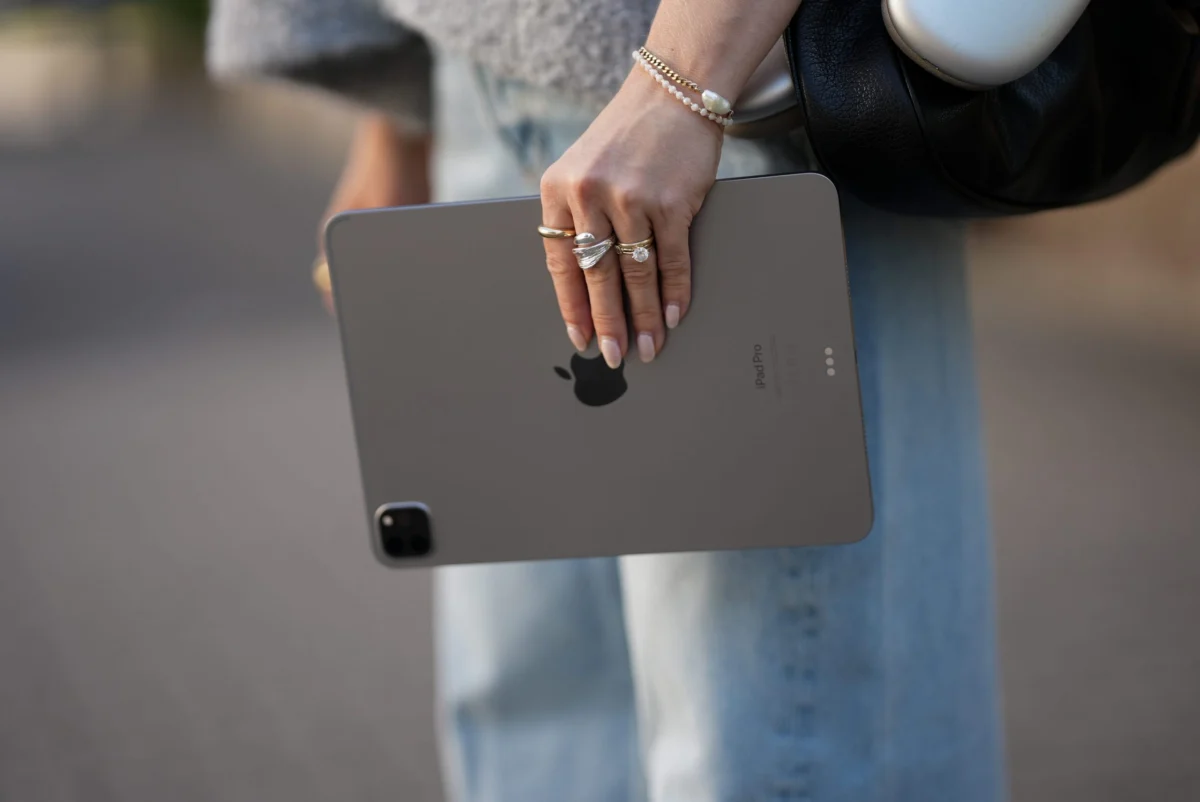
The 11-inch iPad and the iPad Mini round out the current list of discounted hardware. While the standard iPad provides a functional entry point for users, the iPad Mini is currently being marketed as a niche device for portable content consumption and note-taking. Accompanying these are the Pencil Pro and various charging solutions, such as the 2-meter MagSafe charger, which now feature more competitive pricing to encourage peripheral sales.

Data-Driven Consumer Implications
Historical data from the 2024 and 2025 holiday seasons provides a roadmap for what consumers can expect in the coming weeks. While current discounts are significant, price tracking data from previous years shows that bottom-tier pricing—the absolute lowest price point a product reaches—often occurs in the 48-hour window surrounding Black Friday and Cyber Monday.
For instance, the AirPods Pro have previously reached as low as $169, suggesting that while the current $199 price point is favorable, it may not represent the final floor for the season. Similarly, the iPad Mini, currently $30 off, has historically seen deeper cuts during peak sales events. This suggests that while purchasing now secures stock, it may not guarantee the lowest possible expenditure for patient consumers.

Official Responses and Market Sentiment
While neither Apple nor Amazon typically comment on specific promotional strategies, the broader tech sector has acknowledged the necessity of these sales to combat a cooling consumer sentiment. Market observers note that the "subscription fatigue" and the high cost of living have made consumers more discerning. Consequently, retailers are forced to offer tangible value—not just in terms of percentage discounts, but in terms of bundling and long-term utility.
The focus on "AI-ready" hardware, particularly with the new MacBook Pro models, suggests that Apple is banking on the necessity of upgraded silicon to handle future software updates. By discounting these units now, the company is effectively lowering the barrier to entry for its latest software-hardware synergy, ensuring that a larger user base is equipped to utilize future AI-driven features.

Broader Economic Implications
The aggressive discounting of consumer electronics serves as a bellwether for the broader economy. By prioritizing the movement of high-end, high-margin goods, companies are signaling a need to maintain revenue velocity despite macroeconomic headwinds.
Furthermore, the integration of these devices into a "smart" ecosystem—exemplified by the compatibility between the MagSafe charger and both iPhones and AirPods—is a deliberate move to increase "stickiness" within the brand’s ecosystem. Once a consumer commits to one product, the likelihood of purchasing a second or third compatible device increases, a strategy that remains the cornerstone of Apple’s long-term business model.

As we move toward the final week of November, the consensus among financial analysts is that the 2026 holiday shopping season will be defined by highly targeted, data-driven pricing. For the consumer, this requires a balancing act: the security of purchasing at a known discount versus the potential for further savings at the cost of inventory risk. As current supply levels remain robust, the current window offers a stable opportunity to acquire technology that, according to industry performance metrics, represents the current state-of-the-art for the Apple ecosystem.