On April 7, the Georgia Public Service Commission (PSC) approved a transformative initiative that could redefine how large-scale energy consumers interact with the electrical grid in the Southeastern United States. Known as the Customer-Identified Resource (CIR) program, this new framework allows corporations to take a direct hand in the state’s energy transition by proposing, identifying, and funding their own clean energy projects. Developed through a collaborative effort between Georgia Power—the state’s largest utility—and the Corporate Energy Buyers Association (CEBA), the program is slated for a formal launch by the summer of 2024.
This shift marks a significant departure from the traditional utility model, where regulators and power companies exclusively dictate the energy mix. For decades, Georgia’s energy landscape has been a centralized system where fossil fuels, particularly coal and natural gas, provided the baseload power. However, as global corporations face mounting pressure from shareholders and consumers to meet aggressive net-zero emissions targets, the limitations of the traditional grid have become a primary obstacle to corporate sustainability.
The Evolution of Corporate Energy Procurement in Georgia
The genesis of the CIR program lies in a fundamental disconnect between corporate climate pledges and the reality of utility-scale energy generation. While companies like Google, Meta, and Microsoft have committed to powering their operations with 100% renewable energy, they are often tethered to local grids that remain heavily reliant on carbon-intensive sources. In Georgia, despite the state ranking eighth nationally for solar capacity, the grid still draws a substantial portion of its power from natural gas and the remaining coal units at plants like Plant Scherer and Plant Bowen.
Prior to the approval of the CIR program, Georgia Power customers lacked a streamlined mechanism to bring specific renewable projects onto the utility’s grid. This led to a fragmented landscape of "green" energy claims. For example, Hyundai Motor Group recently secured renewable energy credits (RECs) from solar fields in Texas to offset the electricity consumption of its massive new "Metaplant" EV facility near Savannah, Georgia. While this allows for a carbon-neutral claim on paper, it does not contribute to the decarbonization of the Georgia grid itself.
The CIR program aims to resolve this by ensuring that renewable energy is generated locally. By allowing companies to fund projects within the state, the program fosters "additionality"—the concept that corporate investment leads to new renewable capacity that would not have existed otherwise.
Mechanics of the Customer-Identified Resource Program
The CIR program introduces a dual-pathway approach for commercial and industrial (C&I) customers. Under the first pathway, companies can identify specific clean energy projects that were not selected during Georgia Power’s standard competitive bidding process. This allows viable solar or battery storage projects that might have fallen just short of the utility’s cost-benefit threshold to receive a second life through direct corporate funding.
The second pathway allows for the development of entirely new, bespoke projects. A company can propose a specific site and technology—such as a large-scale solar array or an integrated solar-plus-storage system—and work with Georgia Power to integrate that resource into the state’s broader energy portfolio.
One of the most innovative features of the program, as highlighted by Priya Barua, Senior Director of Utility Partnerships and Innovation at CEBA, is its scalability. The program is not restricted to "big tech" giants with billion-dollar balance sheets. It allows multiple customers to aggregate their demand and co-fund a single project. This "subscription" or "syndication" model opens the door for small and medium-sized enterprises (SMEs) to participate in large-scale renewable procurement, a sector of the market that has historically been priced out of the clean energy transition.
The Surge in Demand: Data Centers and the AI Revolution
The timing of the CIR program is critical. Georgia is currently experiencing an unprecedented surge in energy demand, largely driven by the proliferation of data centers. As the "Silicon Orchard" of the South, the Atlanta metro area and surrounding counties have become a primary hub for data processing facilities, which require massive amounts of reliable, 24/7 power.
In early 2024, Georgia Power requested an emergency update to its Integrated Resource Plan (IRP), citing a demand forecast that was significantly higher than projections made just two years prior. The utility attributed this spike to the rapid expansion of the digital economy, specifically artificial intelligence (AI) and blockchain technologies, alongside a domestic manufacturing boom spurred by federal incentives like the Inflation Reduction Act (IRA).
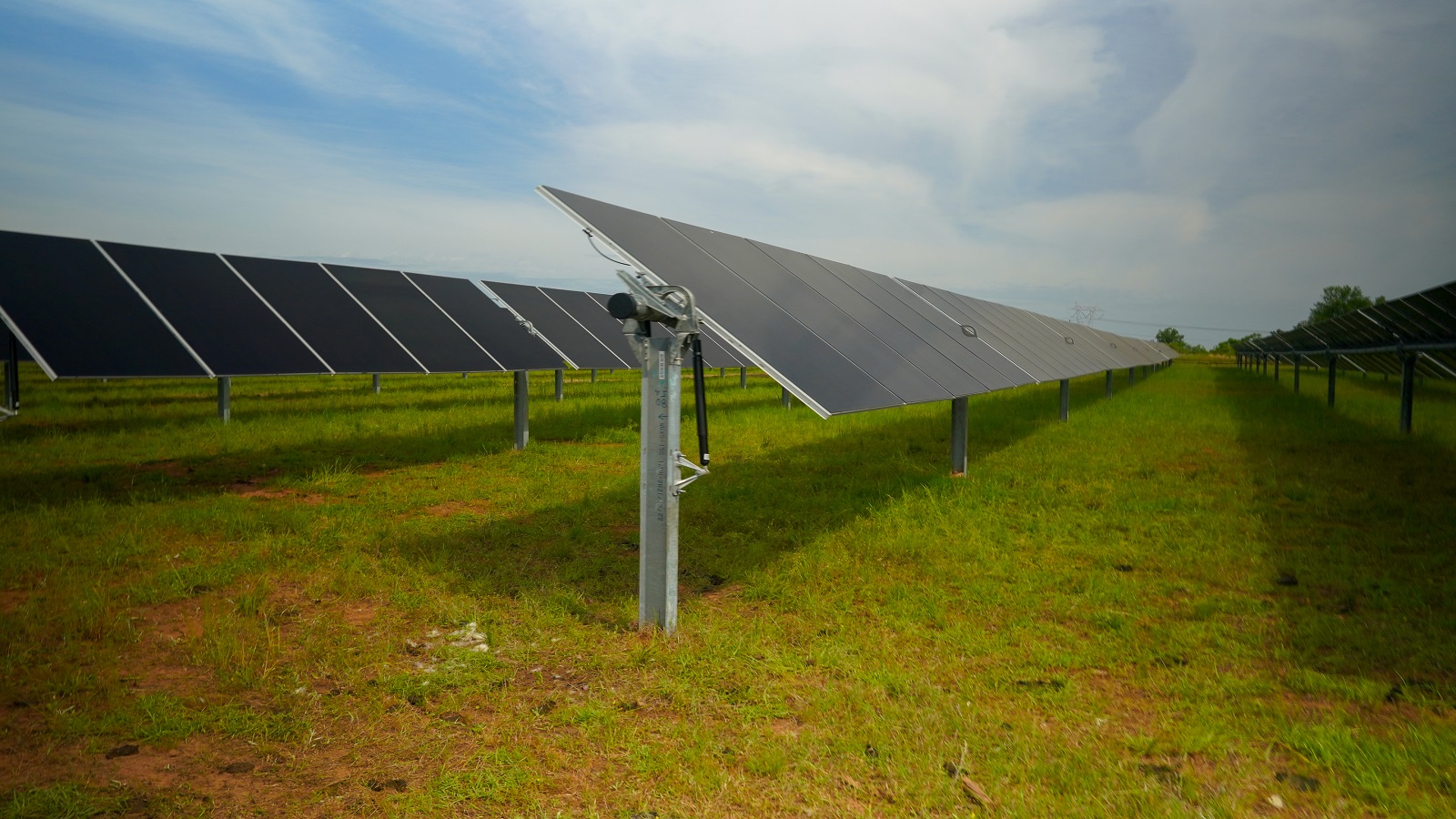
To meet this demand, Georgia Power received approval to build new natural gas turbines and extend the life of some fossil fuel assets. This move drew sharp criticism from environmental advocates and consumer watchdogs, who argued that the utility should instead prioritize solar, wind, and battery storage. The CIR program serves as a strategic middle ground. By empowering corporations to fund their own renewable projects, the program could potentially mitigate the need for future natural gas expansion by meeting the new demand with carbon-free resources.
Economic and Environmental Data: Georgia’s Solar Outlook
According to the Solar Energy Industries Association (SEIA), Georgia currently has over 5,500 megawatts (MW) of solar installed, enough to power more than 600,000 homes. However, the state’s solar growth has been uneven. While Georgia has excelled in utility-scale solar, it has lagged in rooftop and community solar initiatives due to regulatory hurdles and the lack of a robust net-metering policy.
The CIR program is expected to inject fresh capital into the state’s renewable sector. Industry analysts predict that the program could lead to several gigawatts of new solar and storage capacity over the next decade. This investment carries significant economic weight; the solar industry already employs over 5,000 people in Georgia and has generated over $6 billion in private investment. By localized energy production, the state also reduces "line loss"—the energy wasted during long-distance transmission—thereby improving overall grid efficiency.
Reactions from Stakeholders and the Public Service Commission
The approval of the program on April 7 was a rare moment of bipartisan consensus on the Georgia Public Service Commission. Commissioners acknowledged that the state must remain competitive in attracting global business, and many of those businesses now view access to clean energy as a non-negotiable requirement for site selection.
"It provides an opportunity for the first time for these customers to be able to identify and bring projects to Georgia Power," Barua noted, emphasizing that the collaborative nature of the program development was key to its success.
However, some consumer advocates remain cautious. During the hearings, groups like the Southern Alliance for Clean Energy (SACE) and the Georgia Association of Community Photovoltaic Consumers raised questions about "cost-shifting." They wanted to ensure that the costs of these private projects are borne entirely by the participating corporations and do not result in higher monthly bills for residential customers who are not part of the program. Georgia Power and the PSC have countered these concerns by stating that the program is designed to be "cost-neutral" to non-participating ratepayers, with rigorous accounting measures in place to separate project costs.
Chronology of the Program’s Development
- 2022: Georgia Power’s Integrated Resource Plan (IRP) identifies a need for more flexible procurement options for corporate customers.
- Late 2023: CEBA and other stakeholders begin formal negotiations with Georgia Power to draft the CIR framework.
- January 2024: Georgia Power files for an emergency capacity increase, citing a 17-fold increase in projected demand growth through 2030.
- April 7, 2024: The Georgia Public Service Commission officially approves the CIR program as part of a broader energy agreement.
- Summer 2024 (Projected): The application window for the first round of Customer-Identified Resources is expected to open.
Broader Implications and National Model
The Georgia CIR program is being watched closely by utility regulators across the United States. In many states, "Green Tariffs" exist, but they are often rigid and give the customer little say in the specific project being built. Georgia’s model is unique because it grants the customer a high degree of agency in the selection and design of the resource.
If successful, this program could provide a blueprint for other states in the Southeast, such as Alabama and South Carolina, where vertically integrated utilities have traditionally been slow to adopt decentralized renewable models. It demonstrates that utilities can maintain their role as grid managers while allowing private capital to accelerate the pace of decarbonization.
As the program moves toward its summer launch, the focus will shift to implementation. The technical details of how these projects interconnect with the grid and how the energy is credited back to the corporate funders will determine the program’s ultimate impact. If the interest from the tech and manufacturing sectors is as high as anticipated, Georgia may soon see a new wave of "solar fields" and "battery farms" that are not just utility assets, but corporate investments in a cleaner, more resilient state grid.
The CIR program represents a fundamental pivot: from a system where customers simply consume what the utility provides, to one where they actively participate in building the energy infrastructure of the future. For Georgia, a state balancing a massive industrial boom with the urgent need for climate action, this program may be the most viable path forward.