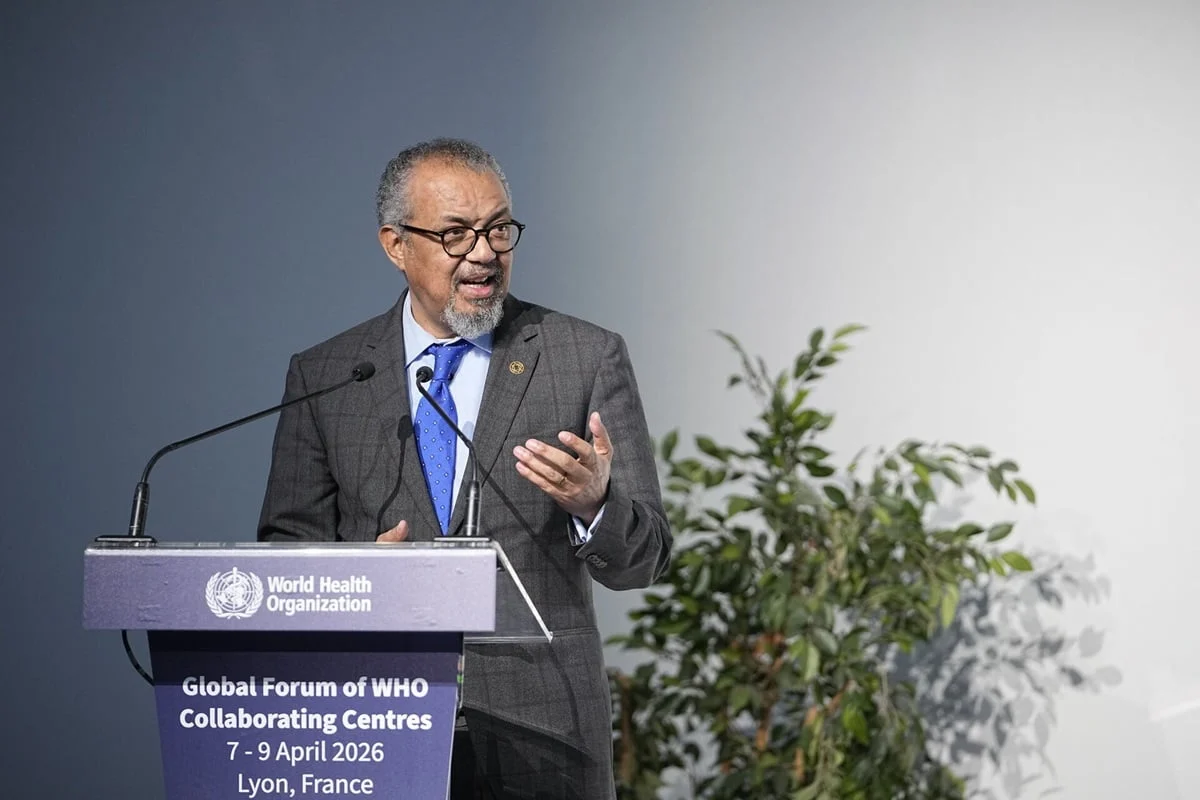
The World Health Organization (WHO) has convened the historic first Global Forum of Collaborating Centres, marking a significant milestone in the organization’s enduring commitment to harnessing global scientific expertise for public health advancement. This landmark gathering brought together representatives from over 800 institutions designated as WHO Collaborating Centres (CCs), a network spanning more than 80 countries and representing one of the world’s largest and most diverse public health networks. The forum, which concluded today, served as a crucial platform for scientists and public health leaders to address the escalating health threats of our interconnected yet often fragmented world, recognizing that these challenges necessitate urgent action while simultaneously presenting fertile ground for innovation and intensified collaborative efforts toward superior health solutions. The outcome of the forum is a palpable renewal of commitment across this expansive network, signaling a strategic pivot from siloed scientific projects towards more agile and integrated partnerships.
The genesis of the WHO Collaborating Centres network is deeply embedded in one of WHO’s foundational constitutional mandates. Established to amplify the organization’s scientific underpinnings, the network has been instrumental since WHO’s nascent years. A pivotal moment arrived in 1949 when the Second World Health Assembly formally articulated WHO’s strategic approach: rather than establishing its own dedicated research institutions, WHO would focus on coordinating, supporting, and leveraging the formidable existing expertise resident within institutions worldwide. This forward-thinking strategy has guided WHO’s engagement with scientific bodies for over seven decades.
Evolution and Expansion of the Collaborating Centres Network
Over the ensuing 77 years, the WHO CC network has undergone substantial growth and diversification. It now encompasses many of the globe’s preeminent public health bodies, leading academic institutions, cutting-edge research centers, and specialized technical organizations. This continuously evolving network remains a potent asset for WHO, playing a critical role in reinforcing the organization’s global norms and standards, fostering groundbreaking innovation, driving collaborative research initiatives, and enhancing capacity-building efforts. Ultimately, the network serves as a vital conduit for translating scientific knowledge into tangible, life-saving actions that benefit populations across the globe.
A Powerful Resource for Global Health
The significance of this network was underscored by Dr. Tedros Adhanom Ghebreyesus, WHO Director-General, who stated, "WHO’s network of collaborating centres is an immensely valuable but under-utilized resource for global health. It brings together the world’s leading institutions to translate evidence into action to support countries, strengthen health systems, and protect populations. Collaborating centres are a powerful demonstration of international cooperation, and what it means to stand with science." His remarks highlight the immense potential residing within the CC network, emphasizing its capacity to bridge the gap between scientific discovery and practical implementation on the ground.
The timing and focus of the Global Forum are particularly pertinent, aligning strategically with the international One Health Summit. This parallel engagement underscores a holistic approach to health, bringing together leaders and experts from the human, animal, and environmental health sectors. Furthermore, the Global Forum serves as a central event within the broader World Health Day 2026 campaign, which champions the theme "Together for health. Stand with science." This thematic coherence reinforces the interconnectedness of global health efforts and the indispensable role of scientific evidence in achieving collective health goals.
Amplifying Scientific Expertise and Innovation
Dr. Sylvie Briand, WHO Chief Scientist, articulated the central role of science in WHO’s mission: "Science is at the heart of everything we do to protect and improve health. The global network of WHO collaborating centres represents an extraordinary concentration of scientific expertise and public health leadership. Together, they form a powerful force for knowledge, innovation, and action. At a time of growing global health challenges, this spirit of trusted scientific collaboration is not only valuable – it is indispensable to protecting lives and shaping a healthier future for all." Her statement emphasizes the unparalleled scientific capacity of the CC network and its critical importance in navigating the complex health landscape of the 21st century.
Addressing Emerging Threats: The CORC Initiative
In a proactive move to confront emerging health threats with enhanced strength and unity, WHO is actively expanding its global community of CCs. A cornerstone of this expansion is the establishment of the Collaborative Open Research Consortia (CORC). These consortia are designed to create dynamic networks of leading research institutions, bringing together thousands of scientists from across the globe. The mission of CORC is ambitious and profoundly essential: to accelerate the development of vaccines, diagnostics, and treatments for "Disease X" – a placeholder term for an unknown pathogen with the potential to spark the next pandemic. By fostering unprecedented collaboration, these networks aim to build the robust scientific readiness that the world will undoubtedly depend upon when such a crisis inevitably arises. This initiative represents a significant investment in pandemic preparedness, acknowledging that future threats require collective foresight and rapid response capabilities.
The Imperative of International Cooperation Amidst Funding Challenges
The participants at the Global Forum unanimously emphasized the enduring and critical necessity of strong international cooperation, especially in light of reported reductions in global health financing. In an era where local health crises can rapidly escalate into global emergencies, coordinated global responses, collective investment, and sustained collaboration are identified as indispensable tools for prevention and containment. The interconnectedness of global health means that health security in one region is intrinsically linked to health security everywhere. Reductions in funding can undermine existing public health infrastructure, making populations more vulnerable to outbreaks and impeding the swift deployment of necessary interventions. The forum served as a powerful reminder that investing in global health is not merely an act of charity but a strategic imperative for collective well-being and economic stability.
A Timeline of Collaboration and a Vision for the Future
The concept of WHO Collaborating Centres dates back to the very inception of the World Health Organization.
- 1948: The World Health Organization is established.
- 1949: The Second World Health Assembly formally endorses the strategy of leveraging existing national institutions as WHO Collaborating Centres, rather than creating a parallel WHO infrastructure.
- Mid-20th Century: The network begins to grow, initially focusing on specific areas of scientific research and disease control.
- Late 20th Century: The network expands significantly in scope and geographical reach, encompassing a wider array of public health disciplines and institutions.
- Early 21st Century: The network becomes increasingly vital in responding to global health emergencies, such as pandemics and outbreaks.
- Present: The first Global Forum of Collaborating Centres is convened, signifying a new era of strategic integration and enhanced collaboration.
- 2026: World Health Day campaign, "Together for health. Stand with science," highlights the importance of collaboration and scientific evidence.
- 2027: The next Global Forum of Collaborating Centres is scheduled to be held, building on the momentum and achievements of this inaugural meeting.
The decision to hold the next Global Forum in 2027 reflects WHO’s commitment to institutionalizing this critical platform for dialogue, strategic planning, and partnership development. This regular convening will ensure that the collaborative momentum generated at the inaugural forum is sustained and further strengthened, fostering a more agile, responsive, and effective global public health architecture. The implications of this renewed focus are far-reaching, promising enhanced scientific preparedness, more robust responses to emerging threats, and ultimately, a healthier future for all. The historic first Global Forum has not only celebrated the enduring legacy of WHO’s collaborating centres but has also powerfully charted a course for their intensified role in safeguarding global health in an increasingly complex and challenging world.