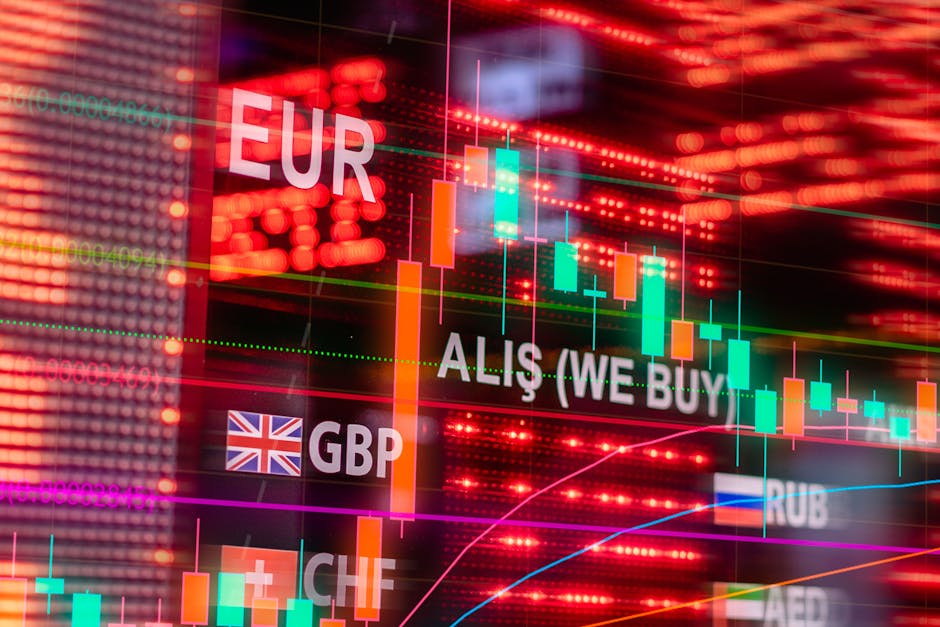
Global Markets Trading Day Graphic Pix: Visualizing the Pulse of International Finance
The global financial landscape operates 24 hours a day, a ceaseless ebb and flow driven by economic data releases, geopolitical events, and the collective sentiment of millions of traders worldwide. To navigate this complex and dynamic environment, traders and analysts rely heavily on visual representations of market activity. Among the most powerful and universally understood visual tools are "global markets trading day graphic pix." These graphics, often displayed as charts, heatmaps, or timelines, provide an immediate and intuitive snapshot of how different markets perform throughout the trading week and across various time zones. Understanding and utilizing these visual aids is paramount for anyone seeking to comprehend the interconnectedness of global finance, identify trading opportunities, and manage risk effectively.
At its core, a global markets trading day graphic pix aims to illustrate the opening and closing times of major stock exchanges and the corresponding trading activity. The most common format involves a chronological representation, often a horizontal timeline, spanning from Monday morning in Asia to Friday evening in North America. This timeline is typically segmented into distinct trading sessions: the Asian session (often encompassing Tokyo, Sydney, and Shanghai), the European session (dominated by London and Frankfurt), and the North American session (centered on New York). These sessions are not discrete silos; rather, they overlap, creating periods of heightened liquidity and volatility as traders from different regions engage simultaneously. For example, the overlap between the European and North American sessions, particularly in the early hours of New York trading, is a crucial period of high volume and significant price movements.
The visual elements within these graphic pix are designed for clarity and impact. Color is a fundamental tool. Typically, green signifies positive market performance (gains), while red denotes negative performance (losses). Various shades of these colors can be used to indicate the magnitude of the price change, allowing for quick identification of the strongest and weakest performing markets at any given moment. Beyond simple color coding, more sophisticated graphic pix might incorporate specific symbols or icons to represent different asset classes, such as equities (stock indices), forex (currency pairs), commodities (oil, gold), and cryptocurrencies. This multi-asset approach is essential, as events in one market can cascade through others, creating correlations that are best understood when viewed holistically.
One of the most valuable aspects of global markets trading day graphic pix is their ability to highlight market correlations and interdependencies. For instance, a significant move in a major Asian currency might precede a similar, albeit potentially amplified, move in a related European or North American currency. Similarly, a sharp decline in a key commodity price, like oil, can negatively impact the stock markets of oil-producing nations while potentially benefiting importers. These graphic pix allow traders to observe these ripple effects in real-time, enabling them to anticipate potential market shifts and adjust their strategies accordingly. They transform abstract economic data into tangible, observable market behavior.
The economic calendar is an indispensable component that is often integrated into or closely associated with these graphic pix. Key economic data releases, such as inflation figures, employment reports, central bank interest rate decisions, and GDP growth numbers, are critical market movers. Graphic pix that visually represent these events, often by marking them on the timeline with specific icons or color-coded indicators, provide context for the price action observed. A sudden spike in trading volume or a sharp price reversal might be directly attributable to an unexpected economic announcement. Understanding the timing and potential impact of these releases is a cornerstone of successful trading, and graphic pix serve as a powerful tool for reinforcing this knowledge.
For traders and investors focused on specific regions, regional variations of these graphic pix are also prevalent. A "European trading day graphic pix" would zoom in on the opening and closing times of exchanges like the London Stock Exchange, Euronext Paris, and the Deutsche Börse, illustrating the performance of European indices such as the FTSE 100, CAC 40, and DAX. These regional graphics allow for a deeper dive into the nuances of specific market dynamics, but they ultimately remain part of the larger global picture. The interconnectedness means that even within a regional focus, the influence of Asian or North American trading sessions cannot be ignored.
The advent of advanced charting software and trading platforms has revolutionized the creation and accessibility of these graphic pix. Real-time data feeds power these visualizations, ensuring that traders have the most up-to-date information at their fingertips. Interactive features allow users to hover over specific periods or market indicators to retrieve detailed information, such as the exact percentage change, trading volume, or the specific economic event that occurred. This interactivity transforms static images into dynamic analytical tools. Many platforms offer customizable graphic pix, allowing users to select the markets, asset classes, and timeframes they wish to monitor, tailoring the visualization to their individual trading strategies.
The strategic use of global markets trading day graphic pix extends beyond simply observing price movements. They are instrumental in risk management. By understanding the typical trading hours and liquidity levels, traders can better manage their exposure. For instance, trading high-volatility assets during periods of low liquidity (e.g., overnight when most major markets are closed) can expose a trader to significant slippage and unexpected price gaps. Conversely, periods of high liquidity, when major markets overlap, often present more favorable execution prices. These graphic pix visually reinforce these risk management principles.
Furthermore, these graphic pix play a crucial role in identifying arbitrage opportunities and cross-asset trading strategies. Arbitrage involves exploiting price discrepancies in different markets for the same asset. While pure arbitrage opportunities are rare and fleeting in highly efficient markets, understanding the timing of market openings and closings can reveal temporary inefficiencies. Cross-asset strategies involve taking positions in different, but correlated, markets to profit from anticipated price movements. A trader might anticipate that a strong performance in the Japanese yen (JPY) during the Asian session will positively impact Japanese equities during their trading day, and they would use graphic pix to track both.
The psychological aspect of trading is also indirectly addressed by these visual aids. Witnessing the collective performance of global markets can influence trader sentiment. A widespread "risk-on" environment, where markets are generally rising, can foster a more optimistic outlook, while a "risk-off" environment, characterized by broad declines, can lead to increased caution and a move towards perceived safe-haven assets. Graphic pix offer a tangible representation of this collective sentiment, allowing traders to gauge the prevailing market mood.
For beginner traders, global markets trading day graphic pix are an essential learning tool. They demystify the concept of a 24-hour trading cycle and illustrate the fundamental rhythm of the financial world. By studying these graphics, new traders can develop an intuitive understanding of market overlaps, session characteristics, and the impact of global events. They provide a visual framework for comprehending news headlines and economic reports, connecting abstract information to concrete market reactions.
The evolution of these graphic pix continues. As new asset classes emerge, such as decentralized finance (DeFi) tokens and the growing universe of cryptocurrencies, charting platforms are adapting to incorporate them. The challenge lies in maintaining clarity and comprehensibility as the complexity of global markets increases. Advanced algorithms are also being developed to predict potential market movements based on historical data and current trading patterns, and these predictive models are often visualized within or alongside trading day graphics.
In conclusion, global markets trading day graphic pix are not merely decorative charts; they are indispensable analytical tools for anyone involved in financial markets. They offer a visually intuitive and immediately accessible way to understand the 24-hour trading cycle, the performance of diverse asset classes across different time zones, and the intricate web of intermarket correlations. By leveraging the information conveyed through color, timelines, and integrated economic data, traders and analysts can enhance their decision-making, refine their risk management strategies, and ultimately, navigate the ever-evolving landscape of global finance with greater confidence and insight. Their continued development and integration into trading platforms underscore their enduring importance in the modern financial ecosystem.
