Energy & Environment: Navigating the Nexus for a Sustainable Future
The intricate and inseparable relationship between energy production and consumption, and the health of our environment, stands as the defining challenge of the 21st century. Understanding this nexus is paramount for developing effective strategies that ensure both human progress and ecological preservation. Historically, the dominant paradigm of energy has been rooted in the combustion of fossil fuels – coal, oil, and natural gas. These resources, formed over millions of years from ancient organic matter, have powered industrial revolutions, facilitated global trade, and driven unprecedented economic growth. However, this reliance has come at a significant environmental cost. The extraction and combustion of fossil fuels release a cocktail of pollutants into the atmosphere, including greenhouse gases like carbon dioxide (CO2), methane (CH4), and nitrous oxide (N2O). These gases trap heat, leading to the phenomenon of global warming and its cascading consequences: rising sea levels, more frequent and intense extreme weather events, disruptions to agricultural systems, and threats to biodiversity. Beyond greenhouse gas emissions, fossil fuel extraction can lead to habitat destruction, water contamination through spills and wastewater, and land degradation.
The environmental impact of energy extends beyond the extraction and burning of fossil fuels to the infrastructure required for their transport and distribution. Oil pipelines, refineries, and gas processing plants all carry inherent environmental risks, including the potential for leaks and accidents that can devastate local ecosystems. The shipping of oil and gas across oceans, while essential for global energy markets, also poses risks of oil spills, which can have catastrophic and long-lasting effects on marine life and coastal communities. Furthermore, the reliance on a centralized energy system, often built around large-scale fossil fuel power plants, can create vulnerabilities in terms of energy security and resilience. Disruptions to supply chains, geopolitical instability, or natural disasters can have widespread impacts on energy availability, affecting economies and societies. The environmental footprint of this traditional energy model is therefore multifaceted, encompassing air and water pollution, land use change, biodiversity loss, and the long-term threat of climate change.
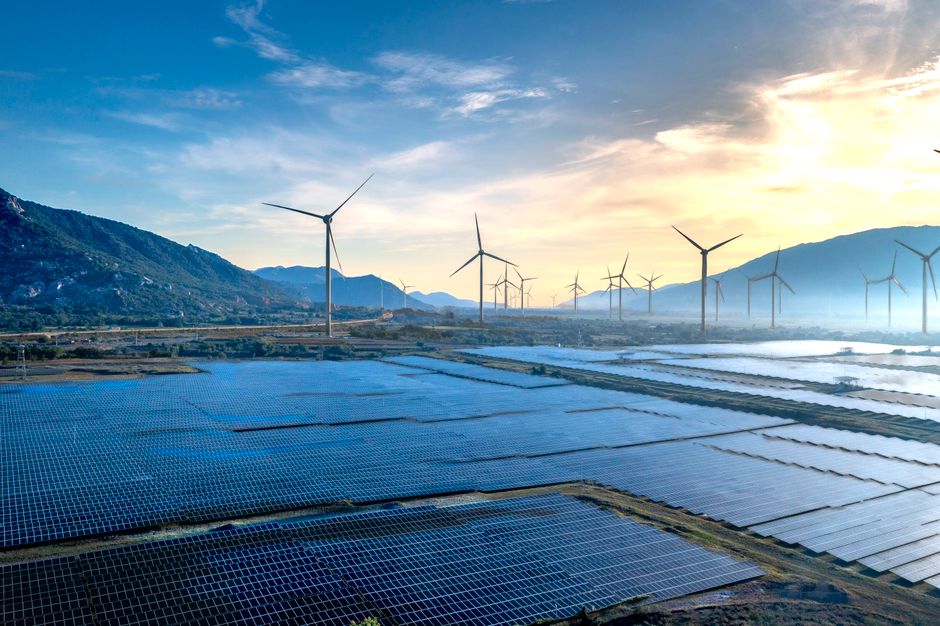
In response to these escalating environmental concerns, a paradigm shift is underway, characterized by the accelerated development and deployment of renewable energy sources. These sources, by their very nature, are replenished naturally and at a rate comparable to or faster than their consumption, offering a sustainable alternative to finite fossil fuels. Solar energy, harnessing the power of sunlight through photovoltaic panels or concentrated solar thermal systems, is becoming increasingly cost-competitive and accessible. Wind energy, utilizing turbines to capture kinetic energy from wind, has seen remarkable growth in recent decades, with increasingly efficient and larger turbines being deployed both onshore and offshore. Hydropower, one of the oldest forms of renewable energy, continues to be a significant contributor, though its environmental impacts, particularly on river ecosystems and local communities, require careful consideration and mitigation. Geothermal energy, tapping into the Earth’s internal heat, offers a consistent and reliable source of power, particularly in geologically active regions. Biomass energy, derived from organic matter, can provide a renewable source of heat and electricity, but sustainable sourcing and efficient conversion technologies are crucial to avoid negative impacts on land use and biodiversity.
The transition to renewable energy is not merely about replacing one energy source with another; it necessitates a fundamental re-imagining of our energy systems. This includes investing in advanced grid technologies, such as smart grids, which can better integrate variable renewable sources, manage demand more effectively, and enhance grid resilience. Energy storage solutions, including battery technologies and pumped hydro storage, are also critical for addressing the intermittency of some renewable sources, ensuring a stable and reliable electricity supply. Furthermore, the electrification of transportation and heating systems, powered by renewable electricity, offers a pathway to decarbonize sectors that are currently heavily reliant on fossil fuels. This systemic approach, integrating generation, transmission, distribution, and consumption, is essential for realizing the full potential of a renewable energy future. The environmental benefits of this transition are profound: a significant reduction in greenhouse gas emissions, improved air quality, and a decreased reliance on polluting fossil fuel extraction.
However, the pursuit of sustainable energy is not without its own set of environmental considerations. The manufacturing of renewable energy technologies, such as solar panels and wind turbines, can involve the use of rare earth minerals and other materials, the extraction and processing of which can have environmental impacts. Responsible sourcing, recycling, and the development of more sustainable manufacturing processes are therefore crucial. Land use is another important factor; large-scale solar and wind farms can require significant land areas, potentially impacting ecosystems and competing with other land uses like agriculture. Careful site selection, the development of agrivoltaics (combining agriculture and solar power), and the utilization of marginal lands can help mitigate these concerns. The visual impact of wind turbines and the potential impact on bird and bat populations are also areas that require ongoing research and mitigation strategies. Hydropower projects, while renewable, can alter river flows, impact fish migration, and inundate land, necessitating thorough environmental impact assessments and careful planning.
Beyond renewable energy generation, energy efficiency and conservation represent the most cost-effective and environmentally benign approach to meeting our energy needs. By reducing the amount of energy we consume, we simultaneously decrease the demand for energy production, thereby lessening its associated environmental impacts. This encompasses a wide range of strategies, from improving the insulation of buildings and adopting energy-efficient appliances to optimizing industrial processes and promoting behavioral changes that reduce energy waste. The concept of a circular economy, where resources are kept in use for as long as possible, extracting the maximum value from them whilst in use, then recovering and regenerating products and materials at the end of each service life, also plays a crucial role in minimizing the environmental footprint of energy production and consumption. This involves designing products for durability, repairability, and recyclability, and minimizing waste generation throughout the entire lifecycle.
The policy and regulatory frameworks surrounding energy and environment are critical drivers of the transition to sustainability. Government policies, including carbon pricing mechanisms (e.g., carbon taxes or cap-and-trade systems), renewable energy mandates and subsidies, and energy efficiency standards, can create incentives for cleaner energy choices and penalize polluting activities. International agreements, such as the Paris Agreement, provide a global framework for coordinated action on climate change, encouraging nations to set emissions reduction targets and invest in sustainable energy solutions. The role of research and development is also paramount, fostering innovation in areas such as advanced battery storage, next-generation solar technologies, carbon capture and utilization, and sustainable biofuels. Public awareness and education campaigns are vital for fostering a societal understanding of the energy-environment nexus and encouraging widespread adoption of sustainable practices.
The economic implications of the energy-environment nexus are also significant. The transition to a low-carbon economy presents both challenges and opportunities. While there are upfront investments required for new infrastructure and technologies, the long-term economic benefits can include job creation in green industries, reduced healthcare costs associated with air pollution, and greater energy security. The development of new industries around renewable energy, energy storage, and energy efficiency can drive economic growth and create new employment opportunities. Conversely, economies heavily reliant on fossil fuel extraction and consumption may face economic disruption during the transition, necessitating policies to support affected communities and workers. The concept of a "just transition" is therefore essential, ensuring that the shift to a sustainable energy future is equitable and inclusive, with no one left behind.
Furthermore, the impact of climate change, driven by energy-related emissions, has profound implications for environmental sustainability. Rising global temperatures contribute to ocean acidification, threatening marine ecosystems and the livelihoods that depend on them. Changes in precipitation patterns can lead to water scarcity in some regions and increased flooding in others, impacting both human societies and natural environments. The loss of biodiversity, exacerbated by habitat destruction and climate change, undermines ecosystem resilience and the services they provide. Addressing the energy-environment nexus is therefore not only about mitigating climate change but also about safeguarding the natural world upon which all life depends. This requires a holistic approach that considers the interconnectedness of energy, climate, biodiversity, and human well-being.
In conclusion, the category of energy and environment is a dynamic and multifaceted domain demanding urgent and comprehensive action. The historical reliance on fossil fuels has led to significant environmental degradation and the existential threat of climate change. The ongoing transition to renewable energy sources, coupled with a strong emphasis on energy efficiency and conservation, offers a viable pathway towards a sustainable future. However, this transition is not without its challenges, requiring careful consideration of the environmental impacts of new technologies and infrastructure, robust policy frameworks, sustained investment in research and development, and a commitment to a just and equitable transition. Ultimately, navigating the energy-environment nexus effectively will determine the health of our planet and the prosperity of future generations. It is a complex interplay of technological innovation, economic restructuring, policy design, and societal engagement, all converging towards a singular goal: a world powered sustainably, where human progress and environmental preservation are not mutually exclusive but intrinsically linked.
