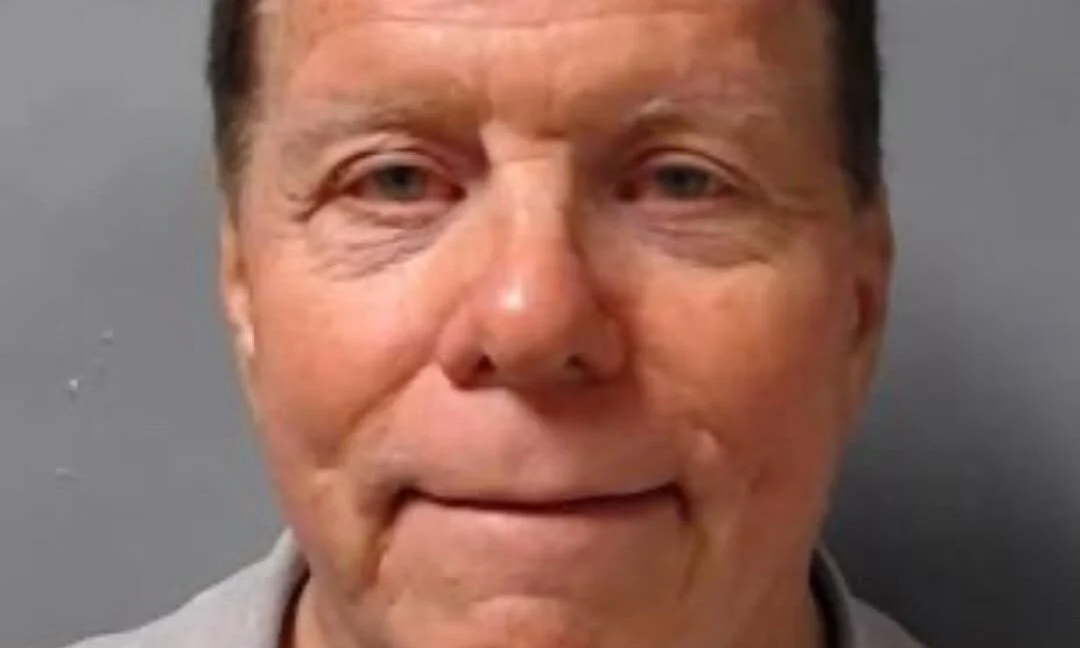
The dramatic capture of a long-sought fugitive on the East River in New York has unveiled a stunning saga of deception, revealing how a man wanted for over two decades managed to reinvent himself as a high-flying biotech executive, infiltrating leading companies in a sector built on trust and scientific rigor. Richard Graydon, also known by his true identity of Richard Fischer, was apprehended on July 16 aboard his 56-foot sailing vessel, "The Silver Lining," bringing an end to his 20-year evasion of justice. His arrest has sent ripples through the biotech industry, raising serious questions about executive vetting processes and the vulnerabilities inherent in a system reliant on self-proclaimed credentials.
For two decades, Richard Fischer lived a double life under a multitude of aliases, eluding law enforcement across the globe. Described in his police profile as a "master yachtsman, a world traveler, and internationally connected," Fischer leveraged these skills to maintain his fugitive status. His notoriety was such that he had been featured on the long-running television show America’s Most Wanted, a program dedicated to tracking down high-profile fugitives, indicating the severity and persistence of the charges he faced, though the specific nature of his original crime has not been publicly detailed beyond the federal warrant for his arrest. The life of a perpetual traveler, particularly one skilled in maritime navigation, provided an ideal cover for avoiding detection, allowing him to move freely across borders and jurisdictions, leaving little trace for authorities to follow. The constant change of location, coupled with an apparent knack for creating new identities, made him one of Rhode Island’s longest-wanted fugitives, a testament to his extraordinary capacity for evasion.
The Elaborate Biotech Persona: A Fabricated Career
What makes Fischer’s story particularly audacious is not just his longevity as a fugitive, but the sophisticated professional persona he meticulously constructed. Under the name Richard Graydon, he seamlessly integrated himself into the cutthroat world of biotechnology and pharmaceutical development, a field that demands impeccable credentials, extensive scientific knowledge, and a sterling professional reputation. His fabricated career began to take public shape in 2017 when he self-published a book titled The Genetic Risks of Cancer: The Effects of DNA, Genomics and Inheritance on Aging and Survival. The book presented Graydon as an accomplished oncologist who had served as a chief medical officer within the biotech and drug development industry. While the book garnered no reviews on Amazon, it served as a tangible, albeit unverified, piece of his professional facade, providing a foundation for future claims.
The biotech industry operates on a foundation of scientific integrity and trust, especially when it comes to roles involving clinical development and patient safety. Chief Medical Officers (CMOs) are pivotal figures, responsible for overseeing clinical trials, regulatory submissions, and ensuring ethical medical practices. Their expertise directly impacts drug development timelines, regulatory approvals, and ultimately, patient outcomes. The typical vetting process for such senior roles involves rigorous background checks, verification of academic degrees, professional licenses, employment history, and extensive reference checks, often spanning multiple jurisdictions for internationally experienced candidates. The fact that Graydon, a long-sought fugitive, could penetrate this environment at such a high level underscores potential vulnerabilities in standard due diligence procedures, particularly when an individual is adept at creating a convincing alternate reality.
A Chronology of Deception in High-Stakes Biotech
The timeline of Richard Graydon’s alleged professional ascent reveals a carefully orchestrated progression through the ranks of the biotech sector:
- 2017: The publication of The Genetic Risks of Cancer served as an early, self-generated credential, providing a veneer of expertise in a highly specialized medical field. Self-publishing platforms offer an accessible way for individuals to establish an authorial presence, which can then be leveraged to support professional claims, regardless of the content’s veracity or the author’s actual qualifications.
- October 2022: Atossa Therapeutics, a Seattle-based biotech firm, announced the appointment of Richard Graydon as its interim chief medical officer. In a press release, Steven Quay, Atossa’s CEO, expressed enthusiasm for the new hire, stating, “We are privileged to welcome Richard to Atossa, where his deep experience in CAR-T cell therapy fits well with our current strategic direction as we explore our opportunities in cell therapy.” The statement highlighted Graydon’s purported expertise in CAR-T cell therapy, a revolutionary and highly complex form of immunotherapy that involves genetically engineering a patient’s own T-cells to fight cancer. The development and clinical application of CAR-T therapies require profound medical and scientific knowledge, making Graydon’s claimed proficiency particularly impressive and desirable in the biotech landscape. The appointment to an "interim" role might, in some instances, involve a less exhaustive vetting process than a permanent position, potentially offering an opening for a sophisticated imposter.
- March [2023]: Just months after his appointment at Atossa, Immix BioPharma, another biotech firm, announced it had hired Graydon. Immix’s announcement painted an even more illustrious picture of his career, describing him as a “board-certified hematologist-oncologist with over 20 years of experience in clinical development, most recently at Merck & Co. and Johnson & Johnson.” The statement further claimed he had "led new and supplemental new drug applications and biologics license applications for 7 approved drugs including Darzalex, Carvykti, Keytruda, and Imbruvica.” These are not just any drugs; they represent some of the best-selling and most impactful cancer medicines globally.
- Darzalex (daratumumab), developed by Janssen (J&J), is a blockbuster monoclonal antibody used to treat multiple myeloma.
- Carvykti (ciltacabtagene autoleucel), developed by Janssen and Legend Biotech, is a groundbreaking CAR-T cell therapy for multiple myeloma.
- Keytruda (pembrolizumab), from Merck, is a leading immune checkpoint inhibitor, a cornerstone of modern oncology treatment for numerous cancers.
- Imbruvica (ibrutinib), developed by Pharmacyclics (an AbbVie company) and Janssen, is a vital kinase inhibitor for various blood cancers.
To have played a leading role in the regulatory approval of even one of these drugs would be a career-defining achievement; to claim responsibility for seven of them, including two CAR-T therapies and a major immunotherapy, would place Graydon among the most influential figures in recent pharmaceutical history. Immix’s announcement also boldly stated, “Dr. Graydon received his MD and PhD from Stanford University and trained at Harvard’s Massachusetts General Hospital,” prestigious academic and medical institutions whose alumni networks are vast and highly respected. However, Stat, the health and medicine news publication that first uncovered these discrepancies, could not verify any of this information, and Immix did not respond to their requests for comment at the time.
The Capture: The Silver Lining’s End
The elaborate charade came crashing down on July 16, 2023. Operating on intelligence, US Marshals, in coordination with the US Coast Guard, intercepted "The Silver Lining," Fischer’s 56-foot sailing vessel, as it navigated the waters of the East River in New York. The capture was described as occurring “without incident,” indicating a swift and efficient operation that left the long-sought fugitive with no opportunity for further evasion. The image of a master yachtsman, living on the open water and traversing international boundaries, starkly contrasted with the sophisticated biotech executive he pretended to be. Yet, both personas were integral to his 20-year run from justice. The very vessel that symbolized his freedom became the site of his downfall, bringing an extraordinary chapter of evasion to an abrupt close.
Implications for the Biotech Industry and Executive Vetting
The unmasking of Richard Graydon, aka Richard Fischer, has sent shockwaves through the highly regulated and reputation-sensitive biotech industry. The fact that an individual with a federal warrant could ascend to chief medical officer roles at publicly traded companies, even if interim, points to significant gaps in executive hiring protocols.
- Due Diligence Failures: The incident highlights the critical importance of exhaustive and independent verification of credentials, particularly for senior leadership positions. Companies often rely on third-party background check services, but the depth and thoroughness of these checks can vary. A master deceiver like Fischer, with multiple aliases and a history of global movement, could exploit weaknesses in systems that primarily rely on self-reported information or basic database searches. For roles requiring advanced degrees and medical board certifications, direct verification with academic institutions, licensing bodies, and previous employers is paramount. The prestige of institutions like Stanford and Harvard, and major pharmaceutical companies like Merck and Johnson & Johnson, might have inadvertently led to an assumption of veracity that bypassed deeper scrutiny.
- Reputational Damage: While Immix BioPharma quickly moved to terminate Graydon and stated in an SEC filing that "Given his short tenure, management believes there is no material effect on the business," the reputational fallout for both Immix and Atossa could be significant. The incident raises questions among investors, partners, and the scientific community about the companies’ internal controls and governance. In an industry where trust and scientific credibility are paramount, such an event can erode confidence. Companies will likely face internal reviews of their hiring practices and may be compelled to issue more detailed statements about the steps they are taking to prevent similar occurrences.
- Industry-Wide Scrutiny: This case could prompt broader introspection within the biotech and pharmaceutical sectors. Executive search firms, often instrumental in placing senior leaders, may also face increased scrutiny regarding their vetting methodologies. The reliance on networks and referrals, while valuable, must be balanced with robust, independent verification. The perceived urgency to fill critical roles, especially interim ones, might sometimes lead to shortcuts in due diligence, a risk that this case vividly illustrates.
- Legal Ramifications: Beyond the original charges for which Fischer was wanted, he may now face additional federal charges related to identity theft, fraud, and misrepresentation. The act of assuming a false identity to secure employment, particularly in a field with such high stakes and public trust, carries severe legal consequences. The companies involved might also explore legal avenues to recover any damages incurred due to his fraudulent employment.
The arrest of Richard Graydon, the master yachtsman who sailed under a false flag as a biotech visionary, serves as a stark reminder that even in the most specialized and regulated industries, vigilance against deception remains an unending challenge. His two decades on the lam, culminating in an audacious attempt to reinvent himself at the pinnacle of scientific innovation, underscore the extraordinary lengths some individuals will go to evade justice, and the critical importance of unwavering due diligence in a world increasingly susceptible to sophisticated fraud.