A Shifting Landscape: From Forest to Savanna and Beyond
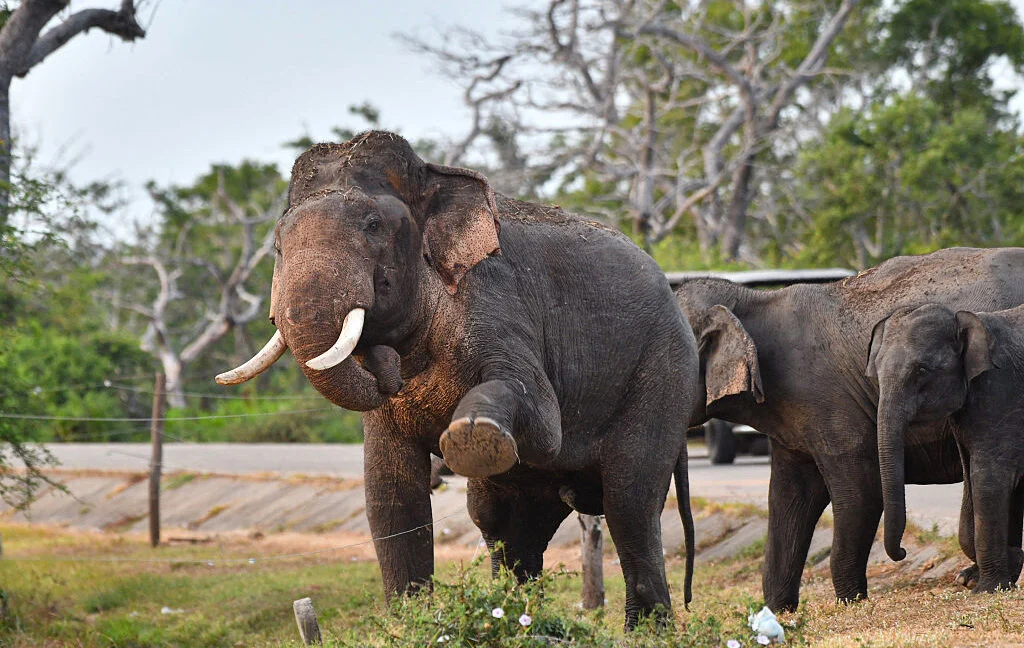
The genesis of this ecological dilemma lies in the unique history of Udawalawe National Park. Established in the 1970s, the park was designed to protect the catchment area of a major reservoir on one of Sri Lanka’s four primary rivers. Prior to its designation as a protected area, the region was characterized by dense tropical deciduous forest. However, the subsequent removal of settlers and farmers who had cleared patches for agriculture led to a dramatic, albeit unintentional, landscape transition.
As the abandoned agricultural plots reverted to open grassland, the park began to mimic the structure of an African savanna. This provided a temporary abundance of forage, fueling a boom in the elephant population and cementing Udawalawe’s reputation as a prime location for observing large, thriving herds. However, this "accidental savanna" was inherently transient. Without natural fire regimes or human-led clearing, the land underwent secondary succession. Invasive, woody species—most notably Lantana camara—began to proliferate, creating impenetrable thickets that offer little nutritional value to elephants.
As these invasive plants dominate the landscape, the park’s carrying capacity has diminished. The reduction in available grasses has created a dual crisis: a decline in the attraction of new individuals from outside the park boundaries and a decrease in juvenile survival rates due to restricted food resources.
The Anatomy of a Social Collapse
To track these changes, researchers from the University of California, San Diego, led by behavioral ecologist Anastasia Madsen and senior author Shermin de Silva, conducted a rigorous 12-year longitudinal study. Between 2007 and 2018, the team cataloged 443 adult and subadult female elephants. By identifying individuals through the unique patterns of tears and holes in their ears—a biological fingerprinting method—the team was able to map the social networks of these creatures year by year.
The study focused on female sociality, which in Asian elephants is defined by a "fission-fusion" structure. Unlike the rigid, matriarch-led hierarchies often observed in their African savanna cousins, Asian elephants exhibit a more fluid social dynamic. They form clusters and subgroups that frequently reorganize, likely a behavioral adaptation to the high-resource environment of Asia’s rainy forests where food is generally more accessible.
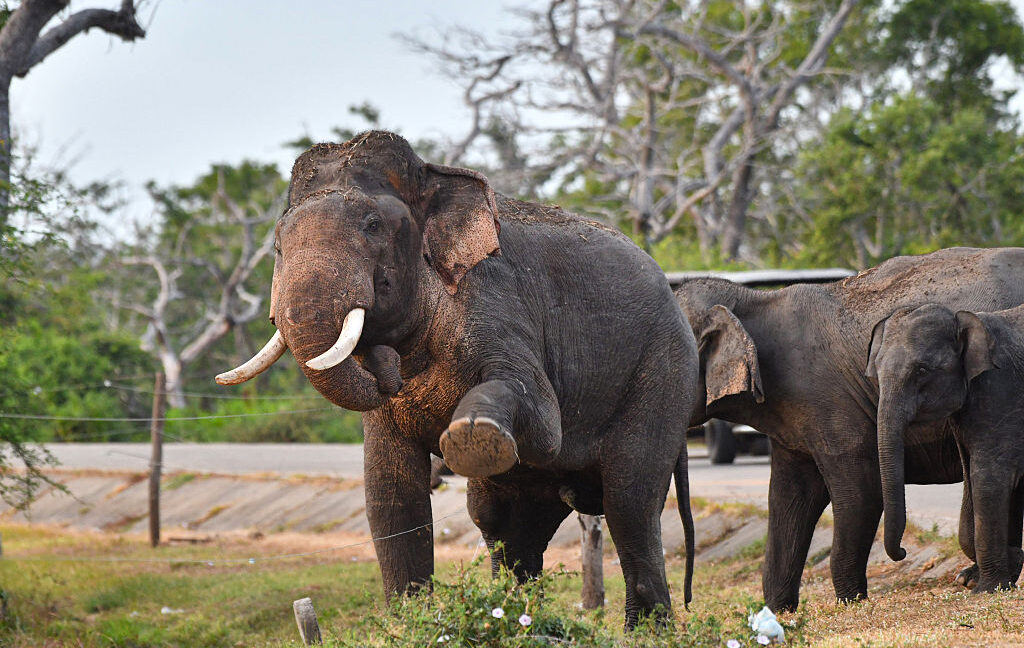
However, the team’s network analysis revealed a troubling trend beginning around 2012. As mortality among the resident population accelerated—with nearly 69 percent of the initially tracked females disappearing by 2018—the social structure began to disintegrate. The loss of these individuals was not merely a reduction in population density; it was a degradation of the network’s connectivity. The "glue" of the community, consisting of key individuals who maintained links between various subgroups, began to vanish, leaving behind isolated clusters with increasingly limited social contact.
The "Flickering" Phenomenon: A Warning Sign
One of the most critical findings of the research involves the concept of "flickering," a phenomenon observed in complex systems on the verge of a state shift. Much like a failing lightbulb that pulses before burning out, the elephant social network showed significant, erratic fluctuations in stability before the eventual collapse.
Madsen’s team found that even when they controlled for population size—focusing specifically on a core group of 59 "resident" elephants seen consistently throughout the study—the social bonds were not stable. These individuals began altering their associations, likely in response to increased competition for dwindling resources. This suggests that the collapse was not a passive byproduct of fewer animals, but an active, behavioral response to environmental stress. The first ties to be severed were the "weak links"—casual associations that, while seemingly unimportant, often serve as conduits for information and social cohesion within the broader population.
Human-Elephant Conflict and the Infrastructure Burden
The implications of this study extend well beyond the borders of Udawalawe. Data from 2019 onward indicates that the decline is accelerating, with reproductive failure and low calf survival emerging as primary concerns. While ivory poaching is less prevalent among Asian elephants (as females lack tusks), they face existential threats from human-wildlife conflict.
The encroachment of infrastructure, such as irrigation canals and roads, into critical habitats has fragmented the landscape, forcing elephants into closer proximity with human settlements. This leads to lethal encounters, including crop-raiding and the tragic, though increasingly common, use of hazardous deterrents like food-baited explosives by local farmers.
The research underscores that managing wildlife within "island" protected areas is insufficient. With roughly two-thirds of the species’ historical range lost and over 50 percent of existing populations living in degraded, human-impacted habitats, the survival of the Asian elephant requires a landscape-level conservation strategy.

Broader Implications for Global Conservation
The study published in Science (2026) serves as a stark reminder of the limits of resilience. For conservationists, the primary takeaway is the necessity of long-term data collection. Without the 12-year window provided by the Udawalawe Elephant Research Project, the subtle, cascading loss of social structure would have likely gone unnoticed until the population decline became irreversible.
"If you are taking the boards out of a ship and you’re not replacing them, the ship starts to take on water," Madsen noted, emphasizing that there is a "point of no return" in social systems that often precedes a total demographic collapse.
The team is now pivoting toward applied conservation, working directly with local communities near Udawalawe to identify agricultural practices that minimize human-elephant conflict. By planting crops less enticing to elephants and creating safer transit corridors, researchers hope to mitigate the external pressures forcing the social fragmentation.
Ultimately, the case of the Udawalawe elephants demonstrates that population numbers are only one metric of health. The true measure of a species’ long-term viability lies in its ability to maintain the complex, interconnected social relationships that facilitate survival, information sharing, and successful reproduction. As the environment continues to change, the ability of wildlife to adapt socially will remain the deciding factor between local extinction and sustainable coexistence. The window to detect these early-warning signals is closing, and the mandate for proactive, science-led management has never been more urgent.