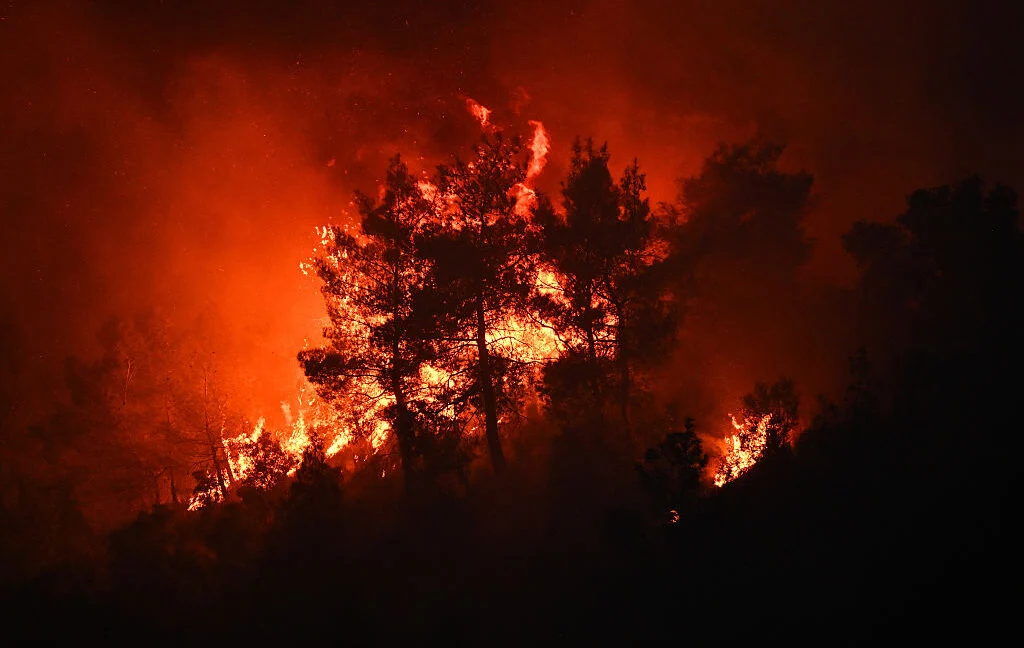
The global pause in human mobility during the height of the COVID-19 pandemic provided scientists with an unprecedented, unintentional experiment: the ability to decouple human behavior from natural climatic variables to determine the true extent of our impact on wildfires. A study recently published in the journal Cell Reports Sustainability by a research team led by Professor Jianghao Wang of the Chinese Academy of Sciences indicates that the broad lockdowns of early 2020 resulted in a 12.3 percent net decrease in global fire activity. This reduction, while significant, reveals the complex, dual nature of human influence, which oscillates between being a primary source of ignition and a vital agent of fire suppression and land management.
The Human-Fire Paradox
For decades, the scientific community has struggled to isolate the anthropogenic influence on fire regimes. Wildfires are governed by a volatile interaction between flammable biomass, meteorological conditions—such as drought and wind patterns—and ignition sources. While nature provides the fuel through cycles of vegetation growth and decay, human beings act as a constant catalyst for ignition through recreation, agricultural practices, and infrastructure development. Conversely, humans also act as the primary defense against fire, employing sophisticated suppression strategies, controlled burns, and land-management techniques that prevent smaller fires from becoming catastrophic infernos.
This inherent contradiction makes it difficult to assess whether an increase in human presence is inherently "good" or "bad" for wildfire safety. The 2020 lockdowns, which triggered a sudden and widespread drop in human mobility, allowed researchers to view this relationship through a new lens. By comparing fire data from the first half of 2020 against a baseline of the preceding seven years (2013–2019), the researchers were able to control for weather patterns and isolate the variable of human presence.
Chronology and Methodology of the Lockdown Study
The research team utilized mobile phone location data to establish the timing and intensity of mobility restrictions across different regions. By cross-referencing this with satellite data from NASA and the National Oceanic and Atmospheric Administration (NOAA)—specifically the VIIRS sensor aboard the Suomi NPP satellite—the team identified heat signatures indicating active fire detections.
The study period focused on the first half of 2020, a timeframe that allowed for a clean comparison against historical seasonal data. Because the timing of lockdowns varied significantly between countries—such as China’s early spring restrictions versus the summer lockdowns in other parts of the world—the researchers could account for local seasonal weather variations. The team applied statistical controls to ensure that the observed 12.3 percent decrease in fire activity was not merely a result of anomalous weather conditions, such as unusual rainfall, which might have suppressed fire activity independently of human behavior.
Supporting Data and Regional Variations
The impact of the lockdown was not uniform across all ecosystems. The study found that the decline in fire activity was most pronounced in forests, which saw a 27.7 percent decrease in fire detections. Grasslands experienced a more modest decline of 8.4 percent, while shrublands, savannas, and agricultural croplands showed negligible fluctuations.
These findings suggest that forests are highly sensitive to human-caused ignitions, likely due to increased recreational use and human proximity to these vulnerable landscapes. However, the study also unveiled a startling counter-trend in several parts of the world. In regions such as Colombia, India, and Honduras, fire detections actually surged during the pandemic. In Honduras, for example, fire activity rose by 70.7 percent, while Colombia saw a 31.4 percent increase.
Researchers believe this localized increase is attributable to a breakdown in fire suppression and management capacity. With government agencies and environmental departments operating under reduced staffing or constrained resources during the pandemic, the ability to monitor and extinguish early-stage fires was severely compromised. This highlights a critical takeaway: when human activity—specifically the human role in monitoring and suppression—is removed, the lack of management can lead to an increase in uncontrolled burning.
The Role of Prescribed Burns
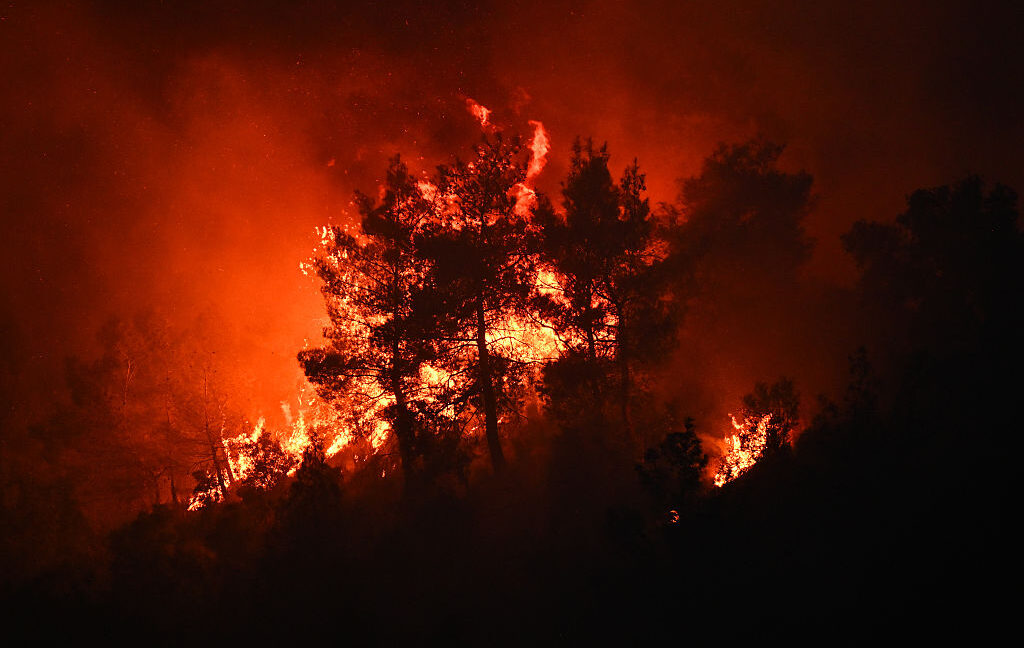
A significant portion of the data reflects the impact of the pandemic on professional fire management, particularly the use of prescribed or "controlled" burns. Prescribed fires are essential for reducing fuel loads in high-risk areas, preventing more severe, uncontrollable wildfires later in the season.
The study analyzed 12 countries with comprehensive records of prescribed burning. It found that the total area treated with controlled fire in 2020 was approximately 50 percent lower than the 2013–2019 average. When researchers excluded these prescribed burn areas from their calculations, the estimated decline in overall fire activity in those countries shifted from 45.3 percent to 27.8 percent. This confirms that a substantial portion of the "fire reduction" observed during the lockdown was not necessarily a reduction in accidental wildfires, but a reduction in the deliberate, beneficial management of land.
Implications for Policy and Future Risk
The findings of Professor Wang’s team present a complex roadmap for future fire policy. The data suggests that there is no "one-size-fits-all" approach to managing fire risk. In regions where fires decreased during the lockdown, the data implies that accidental human-caused ignitions were a primary driver. In these areas, public education campaigns, stricter enforcement of fire bans during dry seasons, and improved management of human-wildlife interface zones are likely to be effective.
Conversely, in regions where fires increased due to reduced suppression, the priority must be the maintenance of robust emergency response and forest-patrol infrastructure. The study serves as a warning that during times of societal disruption—whether through pandemics, economic instability, or conflict—the degradation of fire management systems can lead to an immediate and measurable increase in wildfire intensity and frequency.
Furthermore, the study highlights the necessity of integrating human behavior into fire-risk forecasting. Currently, most climate and fire models focus heavily on meteorological data, such as fuel moisture, humidity, and wind speeds. However, the 2020 natural experiment demonstrates that human behavior is an equally powerful, albeit more unpredictable, variable. By incorporating social and mobility data into these models, meteorologists and policymakers could achieve a more granular understanding of fire risk.
Limitations and Scientific Context
While the study offers robust associational evidence, the authors are careful to note its limitations. The reliance on mobile phone data may have underrepresented human activity in remote, rural areas where internet and cellular connectivity are limited. Additionally, the focus on the first half of the year means that the findings may not fully translate to regions like the Western United States or the Mediterranean, where the peak fire season typically occurs in the late summer and autumn.
Nevertheless, the work published in Cell Reports Sustainability stands as a vital contribution to our understanding of the Anthropocene. It underscores that we are not merely passive witnesses to the climate-driven increase in wildfires; we are active participants in the ignition, prevention, and management of these events.
As climate change continues to alter global weather patterns, making conditions more conducive to extreme fire weather, the role of human intervention becomes increasingly critical. The 12.3 percent reduction in fires observed during the 2020 lockdowns serves as a baseline for understanding how much of our global fire burden is human-derived. Moving forward, the goal for policymakers will be to maximize the effectiveness of our suppression and management efforts while simultaneously mitigating the human behaviors that contribute to the spark of a crisis.
The study emphasizes that climate adaptation strategies must be localized. What works for a temperate forest in East Asia may be wholly inapplicable to a savanna in South Africa. By tailoring strategies to the unique human-fire relationships within specific geographic regions, governments can move toward a more proactive, rather than reactive, model of fire management. This, in turn, may be the most effective way to protect communities from the escalating threats of a warming, increasingly flammable world.