Mali Suspends Artisanal Gold Mining Activities Due to Weather Conditions
The West African nation of Mali, a significant player in the global gold market, has recently announced the temporary suspension of artisanal and small-scale gold mining (ASGM) operations across its territory. This drastic measure, unprecedented in its scope, has been directly attributed to prevailing adverse weather conditions. The prolonged and intensified rainy season, characterized by torrential downpours and persistent flooding, has rendered many artisanal mining sites unsafe and unworkable. The decision, while ostensibly a response to immediate environmental hazards, carries profound economic, social, and security implications for Mali, a country heavily reliant on its extractive industries. Understanding the intricacies of this suspension necessitates an examination of the typical ASGM landscape in Mali, the specific meteorological challenges faced, the immediate consequences for miners and surrounding communities, and the broader ramifications for the national economy and regional stability.
Artisanal and small-scale gold mining in Mali is not a monolithic entity but rather a complex and often informal sector that employs a substantial portion of the population, particularly in rural areas. These operations, characterized by their often rudimentary tools and techniques, are frequently concentrated in regions with known gold deposits, such as the Kéniéba circle in the Kayes region, and areas within the Sikasso and Koulikoro regions. The miners, often operating in precarious conditions, extract gold using methods like panning, sluicing, and small-scale excavation. This sector is a vital source of livelihood for hundreds of thousands of Malians, providing income for families and contributing to local economies through the sale of gold and associated goods and services. However, it is also an industry fraught with inherent risks, including mine collapses, exposure to toxic chemicals like mercury, and a lack of stringent safety regulations. The artisanal sector, by its very nature, is highly susceptible to environmental factors, and the current weather anomalies have exacerbated these vulnerabilities to a critical degree.
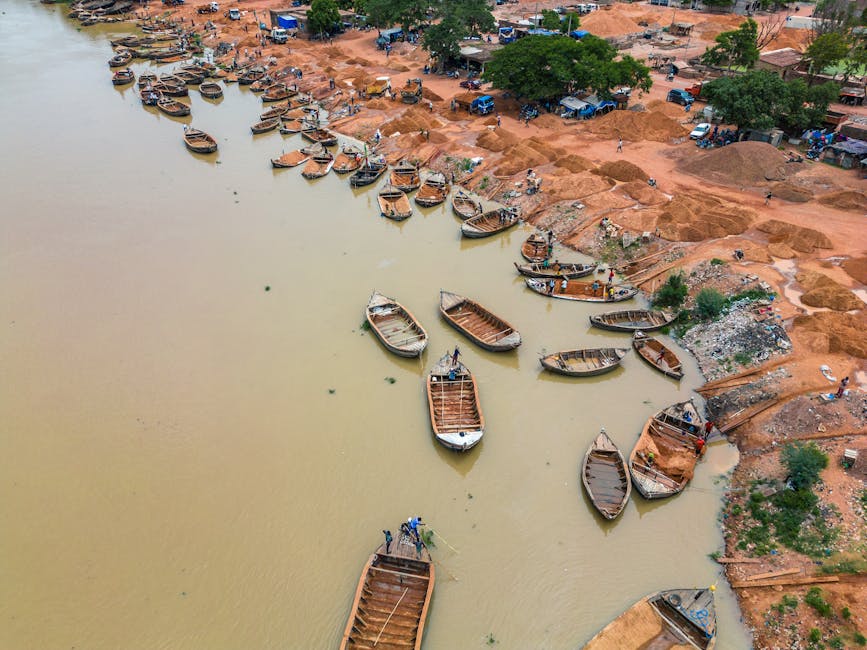
The meteorological context driving this suspension is the unusually severe and prolonged rainy season that has afflicted Mali. Typically, Mali experiences distinct wet and dry seasons. However, this year, the rains have been more intense, widespread, and have persisted for a longer duration than usual. This has led to widespread flooding in riverbeds and low-lying areas where many artisanal mines are located. The increased water levels pose a direct threat of inundation, making it impossible to access the mining pits. Furthermore, the saturated ground conditions have significantly increased the risk of landslides and pit collapses, turning already dangerous working environments into death traps. The relentless downpours also make the processing of ore, a crucial step in gold extraction, extremely difficult. The mud and water can wash away sluice boxes and make it challenging to concentrate the gold particles. In essence, the weather has rendered the fundamental operational elements of artisanal gold mining both physically impossible and dangerously unsafe.
The immediate impact of the suspension on artisanal miners and their communities is devastating. Thousands of individuals and families who depend on ASGM for their daily sustenance are now facing an immediate loss of income. This abrupt halt in economic activity will likely lead to increased poverty, food insecurity, and social distress in mining communities. The informal nature of much of the ASGM sector means that these miners often lack savings or alternative income streams to fall back on during such disruptions. The suspension also affects a broader ecosystem of support industries and informal traders who cater to the needs of miners, further amplifying the economic shockwaves. Local markets that rely on the disposable income generated by mining activities will experience a significant downturn. The psychological toll on miners, facing uncertainty about when they can resume their work and provide for their families, is also a considerable concern.
Beyond the immediate economic hardship, the suspension of artisanal gold mining carries significant implications for Mali’s national economy. Gold is a cornerstone of Mali’s export revenue, and the ASGM sector, despite its informal nature, contributes a substantial, albeit often unquantified, portion to the country’s gold output. While larger commercial mines continue to operate, the disruption to the artisanal sector will undoubtedly impact the overall gold production figures and, consequently, government revenues. This could strain public finances, affecting the government’s ability to fund essential services and development projects. Furthermore, the suspension could lead to an increase in illicit gold trading as desperate miners seek alternative avenues to sell their produce, potentially exacerbating existing challenges related to gold smuggling and revenue leakage. This also creates opportunities for organized criminal groups to exploit the situation, further complicating governance and security.
The security dimension of this suspension is particularly complex in the Malian context. Mali has been grappling with a protracted security crisis, with various armed groups, including jihadist factions and criminal networks, operating in different parts of the country. These groups often derive significant funding from the exploitation of natural resources, including gold. The suspension of legitimate artisanal mining activities could, paradoxically, create a vacuum that these illicit actors may seek to fill. With official channels closed, desperate miners might turn to these armed groups for protection or to sell their gold, further entrenching their influence in mining areas. This could lead to an increase in illegal mining operations under the control of these groups, making it more difficult for the government to monitor and control the sector. The authorities will need to implement robust surveillance and enforcement mechanisms to prevent this escalation of illegal activities and to ensure that the suspension does not inadvertently strengthen the financial capacity of insurgent groups.
Addressing the challenges posed by this suspension requires a multi-pronged approach. Firstly, the Malian government needs to provide immediate humanitarian and economic assistance to affected mining communities. This could include food aid, cash transfers, and support for alternative livelihood initiatives. Long-term solutions will involve developing more resilient and diversified economies in mining regions, reducing over-reliance on ASGM. Secondly, a comprehensive review and strengthening of safety regulations for artisanal mining are imperative. While the current suspension is due to weather, the inherent dangers of ASGM remain. Investing in training, provision of better equipment, and the promotion of safer mining practices can mitigate future risks, even when weather conditions are favorable. This could also involve exploring responsible mining techniques that are less susceptible to environmental disruptions.
The international community has a role to play in supporting Mali through this challenging period. Development partners can provide technical assistance for disaster preparedness, climate change adaptation strategies, and the development of sustainable livelihood programs. They can also support efforts to formalize and regulate the ASGM sector, making it more transparent and less susceptible to illicit exploitation. Promoting responsible sourcing of gold and investing in supply chain traceability initiatives can also help to ensure that the gold produced in Mali, when operations resume, is done so ethically and sustainably. Furthermore, international cooperation on security matters is crucial to prevent the exploitation of the mining sector by armed groups.
The duration of the suspension will ultimately depend on the weather patterns and the government’s assessment of when it is safe for operations to resume. However, the long-term implications of this event extend beyond immediate weather concerns. It highlights the vulnerabilities of Mali’s economy to environmental shocks and the need for greater resilience and diversification. It also underscores the ongoing challenges of managing the informal ASGM sector, ensuring fair labor practices, and preventing its exploitation by illicit actors. The Malian government faces a critical juncture, needing to balance the immediate need for safety with the long-term imperative of economic stability and security. The decisions made now will shape the future of artisanal gold mining in Mali for years to come, influencing the livelihoods of its people and the nation’s economic trajectory. The suspension, therefore, is not merely a temporary pause but a catalyst for a broader conversation about sustainable resource management, economic diversification, and security in a changing climate.
