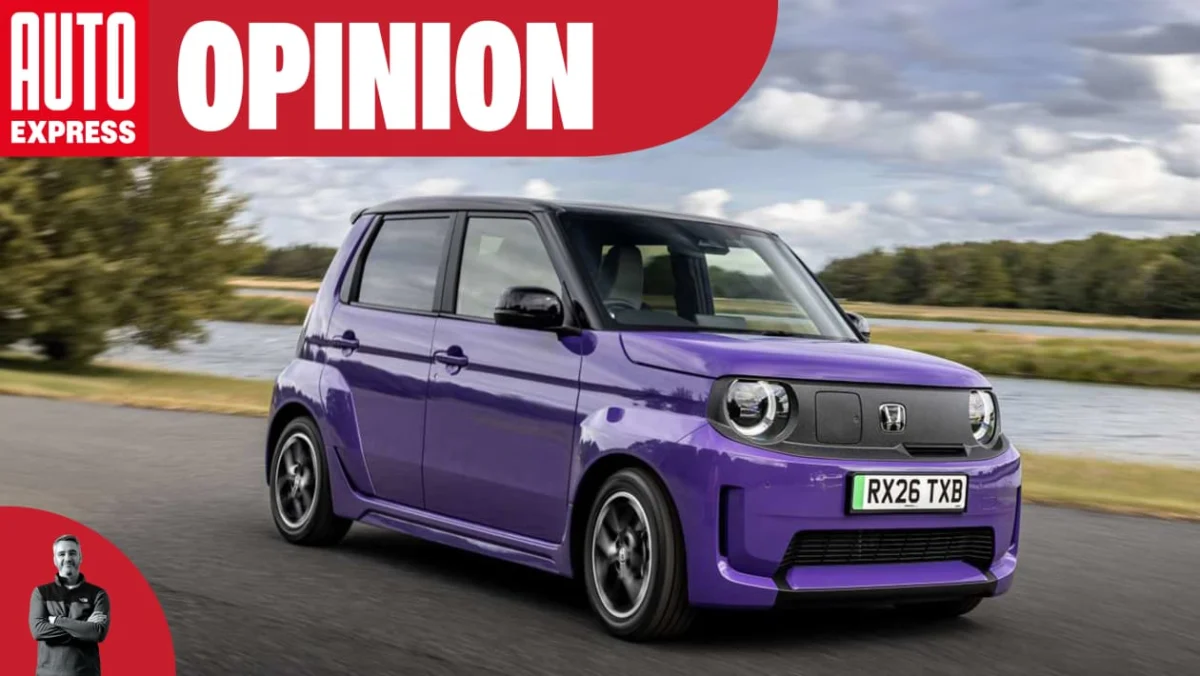
The Evolution of the Compact Segment
For decades, the distinction between city cars and executive saloons was defined by a clear technological divide. Features such as adaptive cruise control, lane-keep assist, high-definition infotainment displays, and sophisticated cabin materials were the exclusive domain of flagship luxury models. A driver seeking safety-enhancing Advanced Driver Assistance Systems (ADAS) or premium climate control would traditionally have been required to select the highest trim level of a large-segment vehicle or move up a vehicle class entirely.
However, the 2024–2026 period has seen an unprecedented democratization of technology. Manufacturers, pressured by regulatory requirements for safety and efficiency, have integrated complex electronic architectures into even their smallest platforms. The modern supermini or city car today typically includes a suite of standard-fit safety systems that would have been considered revolutionary in premium cars just a decade ago. This shift challenges the consumer assumption that "smaller" necessitates a compromise in comfort or convenience.
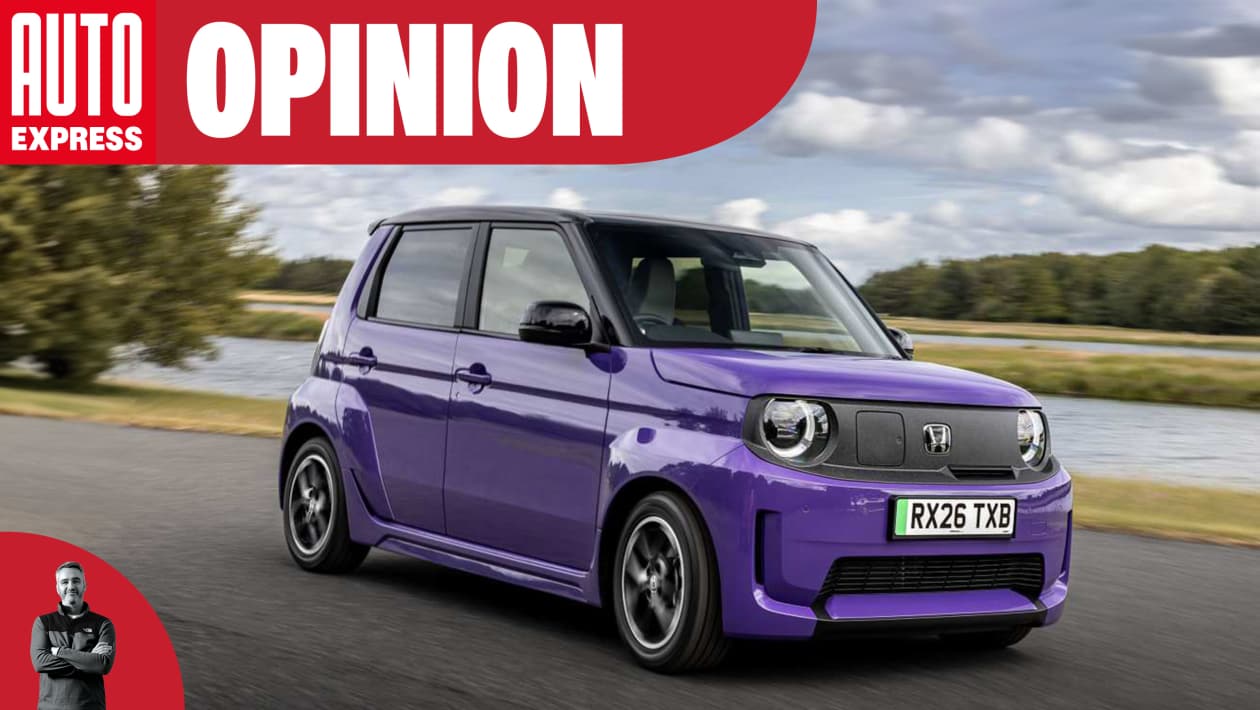
Statistical Analysis of Modern Driving Patterns
The argument for downsizing is reinforced by empirical data regarding average usage. According to recent mobility studies, the average daily commute in the United Kingdom and much of Europe remains under 20 miles. Despite this, a significant portion of the new car market is dominated by large SUVs and estate vehicles, many of which are designed for long-distance motorway touring and high-capacity cargo transport.
This discrepancy between vehicle capability and actual usage patterns creates a phenomenon known as "over-provisioning." When a consumer purchases a vehicle designed for heavy-duty towing or long-distance endurance for the purpose of a short-range commute, the cost-to-utility ratio is heavily skewed.
- Average Daily Distance: Less than 20 miles for the majority of the population.
- Cost Implications: Smaller vehicles typically fall into lower insurance groups, have lower maintenance requirements due to reduced mass, and utilize smaller-diameter tyres, which are significantly cheaper to replace.
- Depreciation and Monthly Outgoings: Compact cars generally see lower absolute financial loss through depreciation compared to high-spec, premium-priced SUVs.
Financial and Environmental Implications
Beyond the immediate purchase price, the fiscal benefits of downsizing are multifaceted. The "total cost of ownership" (TCO) model—which includes fuel, insurance, servicing, and tax—consistently favors smaller vehicles.

In the transition to electric mobility, the argument for smaller vehicles becomes even more compelling. Larger electric vehicles (EVs) require larger, heavier, and more expensive battery packs to compensate for their aerodynamic drag and high curb weight. In contrast, a well-engineered city car or supermini can achieve comparable or better real-world range using a smaller, more resource-efficient battery. This not only reduces the carbon footprint of the vehicle’s manufacturing process but also improves the vehicle’s energy efficiency during operation.
Industry Perspectives and Market Trends
Industry analysts have noted that the "big car" trend, driven by consumer preference for elevated driving positions and perceived safety, has started to reach a plateau. As manufacturers face stricter emissions targets and urban planners introduce "Low Emission Zones" (LEZs) and congestion pricing, the physical footprint of a vehicle is becoming a primary factor in its long-term viability.
"We are seeing a convergence where the market is finally acknowledging that space is a luxury," noted one industry consultant during a recent roundtable discussion on urban mobility. "The perception that a larger vehicle equates to higher status is being replaced by the pragmatic reality that a smaller vehicle is often more maneuverable, cheaper to run, and easier to park in an increasingly dense urban environment."

The recent market entry of vehicles such as the Dacia Spring and various electrified superminis demonstrates a clear strategic pivot. Manufacturers are investing heavily in the "A" and "B" segments, equipping these vehicles with wireless connectivity, smartphone integration, and advanced safety suites, effectively removing the "sacrifice" that previously hindered sales.
Chronology of the Small-Car Shift
- 2020–2022: The global supply chain crisis forces manufacturers to prioritize high-margin, large-format vehicles, artificially inflating the price and scarcity of smaller cars.
- 2023: Regulatory pressure increases regarding vehicle weight and emissions, prompting a re-evaluation of platform sizes.
- 2024: The launch of several budget-friendly electric city cars signals a return to focus on the compact segment.
- 2025: Insurance premiums for large, complex SUVs reach record highs, further incentivizing consumers to look toward smaller, simpler, and more affordable alternatives.
- 2026 (Present): A growing body of consumer sentiment analysis shows a shift toward "right-sizing," where the focus is placed on the vehicle’s suitability for specific, day-to-day driving tasks rather than hypothetical "what-if" scenarios.
Fact-Based Analysis of Vehicle Selection
The reluctance of many consumers to downsize is often rooted in "exception planning"—the tendency to buy a vehicle based on the one or two times a year it might be needed for a family holiday or a major hauling task, rather than the 363 days of the year it is used for commuting.
When a household replaces a large, high-consumption vehicle with a modern, feature-rich compact car, the savings are immediate. For instance, the reduction in fuel consumption alone can represent a significant percentage of a household’s monthly transport budget. When combined with lower insurance premiums—often a result of lower repair costs and smaller engine displacement—the financial argument becomes difficult to ignore.
Furthermore, the technological sophistication of modern city cars means that the "leather-lined tin can" stereotype is no longer accurate. Modern materials, including sustainable fabrics and high-quality synthetic interiors, have elevated the cabin experience. Many of these vehicles now feature ambient lighting, high-fidelity audio, and advanced digital cockpits that mirror their larger counterparts.
The Broader Impact on Urban Infrastructure
The movement toward smaller, more efficient vehicles also carries significant implications for urban planning. Cities globally are struggling with parking availability and traffic density. A fleet of smaller vehicles would theoretically allow for higher traffic throughput and more efficient use of parking infrastructure.
From an environmental standpoint, the reduction in mass is the single most effective way to improve the efficiency of both internal combustion and electric vehicles. By curbing the trend of "vehicle bloat," consumers can actively contribute to a reduction in particulate matter from tyre wear and road dust, both of which are exacerbated by the increasing weight of modern SUVs.

Conclusion
The decision to choose a smaller car is no longer a concession to poverty or a lack of status; it is a deliberate, informed choice that prioritizes economic efficiency and practical utility. As the industry continues to pack premium features into smaller platforms, the gap between the compact and the executive continues to narrow. For the average motorist whose driving habits consist of daily commutes and local errands, the small car has moved from the periphery of the market to become the most logical, financially responsible, and technologically capable choice available. The shift, while subtle, represents a fundamental correction in a market that had long prioritized unnecessary bulk over actual utility.