The automotive industry is currently navigating a critical transition toward electrification, a shift that brings with it unprecedented logistical and environmental challenges. Among the most significant hurdles is the sustainable management of lithium-ion batteries. As electric vehicle (EV) adoption accelerates globally, the demand for raw materials such as lithium, cobalt, nickel, and manganese has surged, placing immense strain on global supply chains and raising concerns regarding the ecological footprint of raw material extraction. In a decisive move to address these challenges, Porsche, in collaboration with the German technology firm Cylib, has successfully demonstrated a closed-loop recycling process that recovers these precious materials from end-of-life batteries to manufacture brand-new, high-performance cathodes.
The Mechanics of the Closed-Loop Process
The collaboration between Porsche and Cylib represents a significant technical milestone. Historically, recycling EV batteries has been a complex, energy-intensive process, often resulting in "downcycling," where recovered materials are repurposed for lower-grade applications rather than being returned to the high-purity standards required for automotive-grade battery cells.
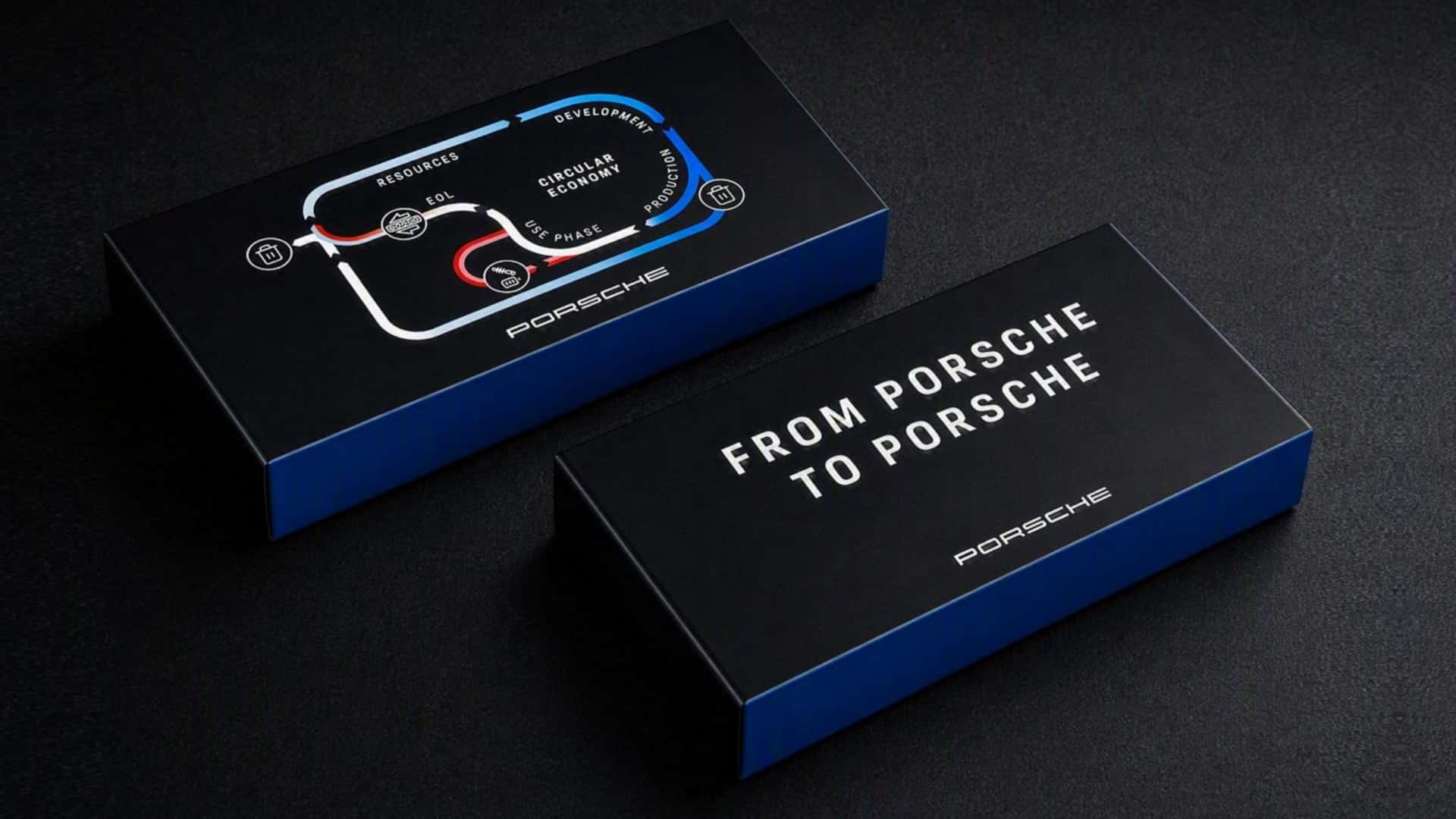
Cylib’s proprietary technology, however, focuses on a comprehensive recovery process. By breaking down battery cells at the end of their first life—whether due to vehicle accidents, testing failures, or natural degradation—the partners have proven that they can extract high-purity raw materials. These materials are then processed and refined to meet the stringent chemical specifications necessary for the production of new cathodes. This effectively creates a "cradle-to-cradle" ecosystem, where the byproduct of one vehicle’s lifecycle becomes the fundamental building block for the next generation of performance batteries.
Chronology and Development of the Initiative
The journey toward this closed-loop system did not happen overnight. It is the culmination of years of rigorous research and development in battery chemistry and sustainable manufacturing.
- Initial Research Phase: Porsche began scouting for scalable circular economy solutions as early as 2020, recognizing that future-proofing its supply chain required more than just sourcing agreements with mining companies.
- Partnership Formalization: The cooperation with Cylib was initiated to bridge the gap between laboratory-scale recycling and industrial-scale feasibility. Cylib, a spin-off from RWTH Aachen University, provided the chemical engineering expertise required to handle the complex recovery of active cathode materials.
- Pilot Validation: Throughout 2023 and early 2024, the companies conducted a series of pilot projects. These trials involved dismantling various battery modules, subjecting them to chemical recovery, and testing the resulting cathode material in high-performance test cells.
- Proof of Concept: By mid-2024, the partnership reached a successful conclusion, with both entities confirming that the recovered materials maintain the performance characteristics—such as energy density, charging speed, and thermal stability—demanded by Porsche’s high-performance engineering standards.
The Economic and Environmental Rationale
The necessity for such a system is driven by both environmental responsibility and economic pragmatism. According to industry data from McKinsey & Company, the global market for battery recycling is projected to grow into a multi-billion dollar sector by 2040. As the first generation of mass-market EVs begins to reach the end of its road-legal life, the sheer volume of spent batteries will necessitate an industrial-scale infrastructure to prevent landfill waste and maximize resource recovery.
From an economic perspective, the current global reliance on concentrated mining regions for cobalt and lithium introduces significant geopolitical risk and price volatility. By establishing a local, circular supply chain, Porsche is effectively decoupling its production requirements from the fluctuations of the global raw materials market. This strategy not only stabilizes manufacturing costs but also reduces the carbon intensity of the vehicle production process, as recycled materials typically require significantly less energy to process than virgin ores extracted from deep-earth mines.
Official Perspectives and Industry Reaction
Dr. Lilian Schwich, co-CEO and co-Founder of Cylib, emphasized the practical utility of the project, stating, "The pilot project with Porsche demonstrates that our approach is feasible in practice: valuable raw materials from Porsche batteries at the end of their first life can potentially flow back into new high-performance batteries for Porsche vehicles." This statement highlights the transition from theoretical chemistry to industrial application, a hurdle that many startups fail to clear.
For Porsche, the incentive is clear: maintaining the brand’s reputation for uncompromising quality. The company has made it explicit that the use of recycled content must not come at the expense of vehicle performance. Customers investing in a high-end luxury vehicle expect rapid charging capabilities and long-term capacity retention; therefore, the validation of recycled cathode material as equal in performance to virgin material is a prerequisite for any broader deployment.
Broader Implications for the Automotive Sector
The success of this partnership may signal a shift in how legacy automakers approach their supply chain architecture. While Porsche has made headlines for its significant investments in synthetic E-Fuels—an alternative to traditional electrification designed to keep internal combustion engines alive in a carbon-neutral way—the battery recycling initiative demonstrates that the company is simultaneously doubling down on its commitment to pure electric mobility.
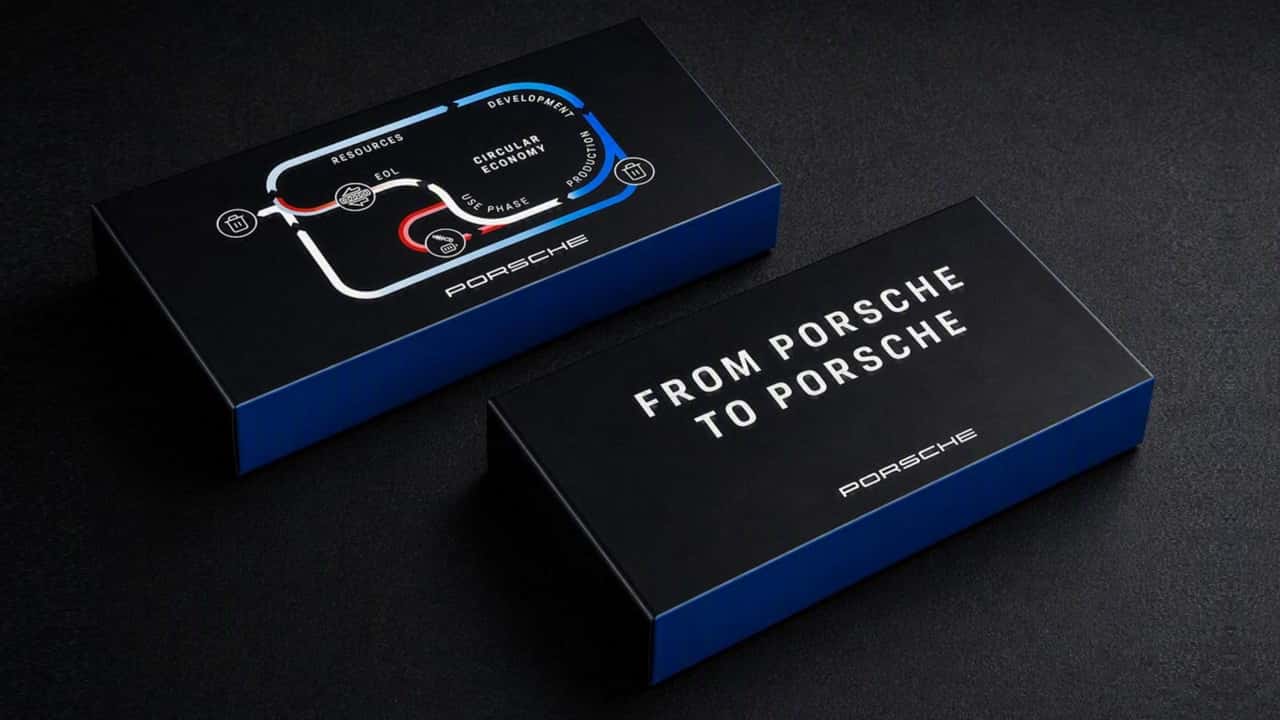
This development also places pressure on other manufacturers. As environmental regulations—particularly within the European Union, which has introduced strict "battery passport" and recycling requirements—tighten, the ability to trace and recycle battery materials will become a competitive advantage. Automakers that fail to integrate circular economy principles into their operations may face higher regulatory compliance costs and potential supply chain bottlenecks in the coming decade.
Challenges and Future Scaling
Despite the optimism surrounding this announcement, significant challenges remain. Scaling this process from a pilot plant to a commercial facility that can handle tens of thousands of battery packs per year is a daunting engineering task. It requires the integration of automated dismantling robots, efficient chemical extraction plants, and the logistics to collect and transport hazardous battery materials safely across borders.
Furthermore, the chemical composition of batteries is evolving. As the industry moves toward solid-state batteries and different cathode chemistries (such as high-nickel or lithium iron phosphate), recycling processes must be flexible enough to adapt. Cylib’s approach is notably designed with this modularity in mind, aiming to handle diverse chemistries rather than being tethered to a single legacy design.
Conclusion
The creation of a closed-loop recycling system by Porsche and Cylib is more than just a corporate sustainability initiative; it is a fundamental reconfiguration of the automotive supply chain. By proving that end-of-life battery materials can be reclaimed and reborn as high-performance cathodes, the partners have provided a blueprint for a more resilient and sustainable future.
As the automotive world moves toward a post-combustion era, the ability to manage the lifecycle of the battery—the most expensive and resource-heavy component of the modern EV—will be the defining metric of success. Through this collaboration, Porsche is positioning itself not merely as a car manufacturer, but as an active participant in the circular economy, ensuring that the legacy of its performance machines extends far beyond the lifespan of the first battery installed in the chassis. This initiative underscores a maturing industry, one that is finally beginning to treat the "end" of a battery’s life as the start of a new, sustainable cycle.