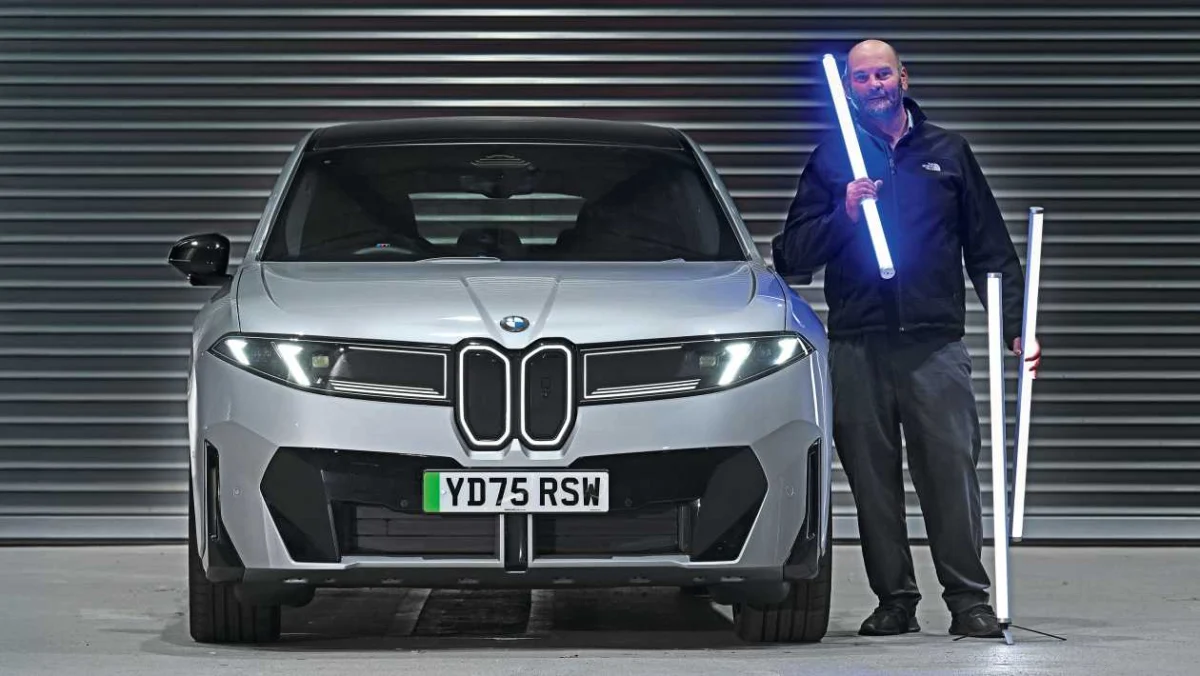
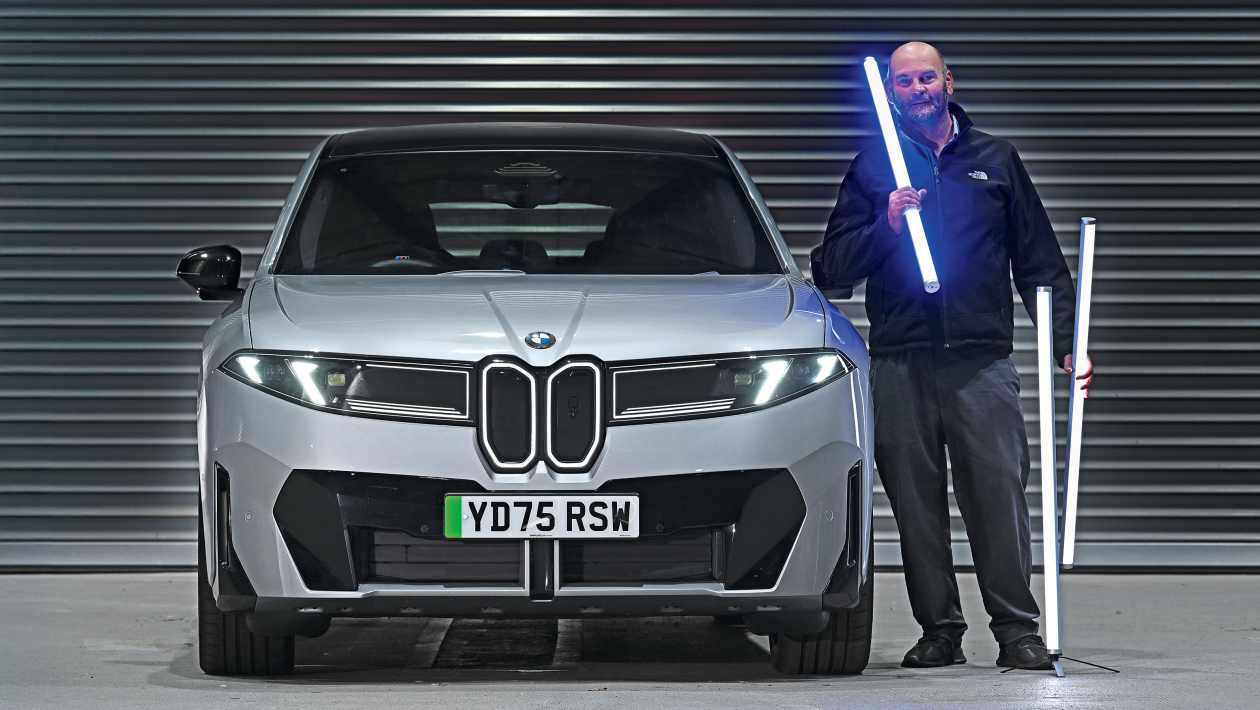
The arrival of the BMW iX3 50 xDrive M Sport Pro on the long-term testing fleet marks a pivotal moment for the German automaker’s transition into a new era of electrification. As the first production representative of the highly anticipated "Neue Klasse" generation to undergo extended real-world evaluation, this mid-size premium SUV carries the weight of a brand’s legacy and its future ambitions. Having already secured two prestigious titles at the 2026 New Car Awards—Mid-size Premium SUV of the Year and Premium Electric Car of the Year—the iX3 enters the fleet with a formidable reputation. This initial report explores whether the vehicle’s technical sophistication and driving dynamics can justify its premium positioning in an increasingly crowded and price-sensitive electric vehicle (EV) market.
The Strategic Importance of the Neue Klasse Architecture
To understand the significance of the iX3 50 xDrive, one must look toward BMW’s broader corporate strategy. The "Neue Klasse" (New Class) represents more than just a new model line; it is a fundamental redesign of how BMW builds cars. This architecture focuses on three core pillars: a "digital-first" approach to interiors, an "efficient-dynamic" drivetrain philosophy, and a "circular" approach to sustainability.
The iX3 is the vanguard of this movement. Unlike its predecessor, which shared much of its DNA with the internal combustion X3, this latest iteration is built on a dedicated electric platform. This shift has allowed engineers to optimize packaging, resulting in a 109kWh battery (gross) and a dual-motor xDrive system that produces a combined 469bhp and 645Nm of torque. The move to a dedicated EV platform also facilitates the implementation of 800-volt charging hardware, a critical upgrade that addresses one of the primary hurdles to EV adoption: charging speed.

Initial Driving Impressions and Performance Benchmarks
The transition from a value-oriented vehicle, such as the £30,000 Dacia Bigster, to the £61,750 BMW iX3 highlights the stark contrast between functional transportation and premium automotive engineering. Within the first few miles of operation, the justification for the BMW’s price premium becomes evident through its NVH (Noise, Vibration, and Harshness) levels and suspension tuning.
Despite the fitment of optional 22-inch alloy wheels, which typically compromise ride quality, the iX3 employs an adaptive damping system that effectively "deletes" road imperfections. The vehicle’s ability to maintain a smooth gait over urban potholes while remaining taut and agile through high-speed corners is a testament to BMW’s chassis development. The 469bhp output ensures rapid progress, but it is the calibration of the power delivery—linear and predictable rather than jarringly abrupt—that defines the premium experience.

In a 250-mile round trip from South London to Suffolk, the iX3 demonstrated remarkable efficiency. Starting with a full charge and an indicated range of over 350 miles, the vehicle returned with 100 miles to spare. This real-world performance aligns closely with the official WLTP figures, suggesting that BMW’s "Gen6" battery technology and heat pump integration are highly effective at managing energy consumption even in varying traffic conditions.
Technical Specifications and Fleet Configuration
The specific model joined the fleet in June 2026, finished in M Sport Pro trim. The base price of £61,750 is augmented by several key options that showcase BMW’s latest technological offerings:

- Tech Plus Pack (£1,700): Includes advanced driver assistance systems and an upgraded Harman Kardon surround sound system.
- Panoramic Roof (£1,275): Enhances the cabin’s sense of space.
- Retractable Towbar (£1,025): A critical addition for testing the vehicle’s utility and its 2,000kg+ towing capacity.
- Parking Assistant Pro (£775): Offers remote parking functionality via smartphone.
- Sun Protection Glass (£450) and Heated Steering Wheel (£250): Standard comfort enhancements.
The powertrain, featuring a 109kWh battery and twin e-motors, provides a 0-62mph sprint in the sub-five-second range, placing it firmly in the territory of high-performance SUVs while maintaining a 0g/km CO2 rating and a competitive 4% Benefit-in-Kind (BiK) tax rate for corporate users.
Real-World Utility: The 1,000-Mile Weekend Challenge
To truly test the "Premium SUV" moniker, the iX3 was deployed as a support vehicle for the "Chase the Sun" endurance cycling event. This journey involved a 1,000-mile itinerary spanning the length of the United Kingdom, from Whitley Bay in Tyne and Wear to Ayr in Scotland, and finally down to Sussex.

Under heavy load—carrying three bikes on a Thule rack and three passengers with luggage—the iX3 maintained an efficiency of 3.2 miles per kWh. This equates to a real-world range of approximately 326 miles under strenuous conditions. Perhaps more impressive was the charging performance. At a Gridserve ultra-rapid charging station, the vehicle peaked at 348kW. This high-speed intake allowed the battery to replenish from 20% to 80% in less time than it took the occupants to complete a standard coffee break, effectively neutralizing "range anxiety" for long-distance touring.
On the flowing, technical roads of the Scottish Lowlands, the iX3’s xDrive system and rear-biased power delivery allowed for a level of driver engagement rarely found in two-tonne electric SUVs. The steering remains precise, and the low center of gravity—afforded by the floor-mounted battery pack—minimizes body roll during spirited driving.

Digital Innovation and Ergonomic Critique
The interior of the iX3 introduces the "BMW Panoramic Vision" display, a thin, high-resolution screen spanning the base of the entire windscreen. This system replaces the traditional instrument cluster and complements the central touchscreen. While the visual impact is significant and the information density is well-managed, the transition to a purely digital interface is not without its drawbacks.
One point of contention is the over-engineering of basic functions. For example, adjusting the direction of the air vents now requires navigating a sub-menu on the touchscreen rather than using a physical tab. This shift toward "screen-centric" control can be distracting while driving. Additionally, the navigation system, while visually integrated into the panoramic display, has shown tendencies to lag behind the vehicle’s actual position in dense urban environments, leading to occasional missed turns.
The voice-recognition system also remains a work in progress. Despite BMW’s investment in AI-driven assistants, the system occasionally struggles with complex commands or regional accents, trailing behind the more intuitive Google-based architectures found in competitors like Volvo or Polestar. Furthermore, the pop-out flush door handles, designed for aerodynamic efficiency, have been noted for a slight delay in deployment, a minor but recurring ergonomic friction point.
Broader Market Impact and Competitive Landscape
The BMW iX3 arrives at a time of significant transition in the UK automotive market. The government’s response to consultations on electric vehicle taxation (eVED) has confirmed that EVs will soon be integrated into a pay-per-mile or standardized VED system to ensure a "fair and sustainable motoring tax system." This makes the iX3’s efficiency and total cost of ownership even more critical for buyers.
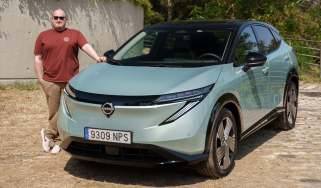
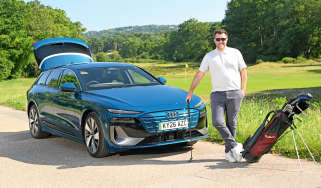
In the premium segment, the iX3 faces stiff competition. The Nissan Ariya, recently facelifted for 2026, offers a compelling alternative with a focus on Japanese "Omotenashi" hospitality and interior comfort, though it lacks the BMW’s sheer driving dynamics. Meanwhile, the Audi A6 e-tron Performance provides a lower-slung, more aerodynamic alternative for those who prioritize range over the SUV form factor.
BMW’s success with the iX3 50 xDrive suggests that the brand has successfully translated its "Ultimate Driving Machine" ethos into the electric age. By focusing on high-speed charging, genuine real-world range, and a chassis that rewards the driver, BMW has created a vehicle that justifies its premium price tag through engineering depth rather than just badge prestige.
Conclusion and Future Outlook
The first report of the BMW iX3’s long-term test concludes with a highly positive verdict. While there are minor software and ergonomic "niggles"—specifically regarding the digital vent controls and navigation lag—the core fundamentals of the vehicle are exceptional. It delivers on the promise of the Neue Klasse: a technologically advanced, highly efficient, and deeply engaging electric vehicle that feels like a "true" BMW.
Over the next six months, the Auto Express fleet will continue to monitor the iX3’s performance through the changing seasons. Key areas of focus will include the impact of winter temperatures on battery range, the long-term durability of the cabin materials, and whether software updates can resolve the current infotainment lag. For now, the iX3 stands as the benchmark for what a premium electric SUV should be in 2026.