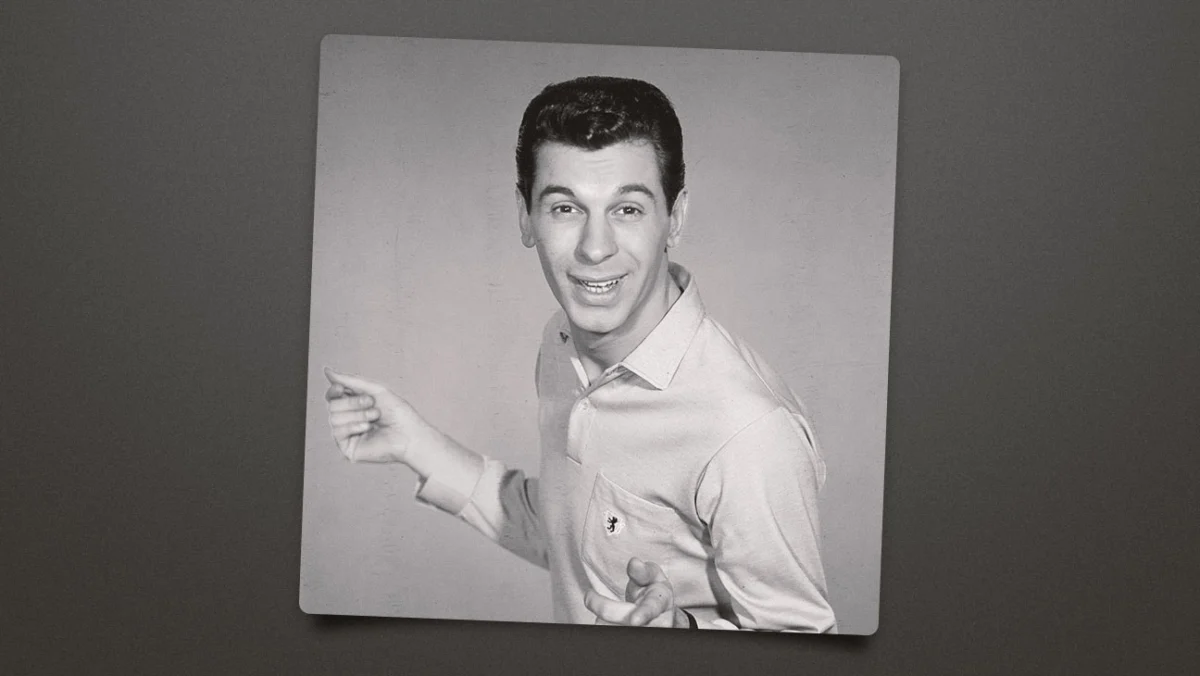
Freddy Cannon, the energetic rock and roll vocalist whose string of infectious hits in the late 1950s and 1960s, including "Tallahassee Lassie" and "Palisades Park," soundtracked a generation’s youthful exuberance, has died. He was 89. Cannon passed away on Friday at a hospice facility in California, a loss confirmed by his longtime friend and iHeart Radio personality, Tom Cuddy. Cuddy revealed that Cannon had been slated to participate in an interview with the iconic DJ Cousin Brucie Morrow on July 11th but was admitted to the hospital the day prior, marking a sudden and somber end to his vibrant life.
Born Frederick Anthony Picariello Jr. on December 4, 1936, in Lynn, Massachusetts, Cannon would become known to fans worldwide as Freddy "Boom Boom" Cannon, a moniker that perfectly encapsulated the explosive energy of his music. His early forays into music began in his home state, laying the groundwork for a career that would see him become a fixture on the burgeoning rock and roll scene. It was an early recording of what would become his breakthrough hit, "Tallahassee Lassie," that first captured the attention of Dick Clark, the impresario of American popular music. Clark’s endorsement proved pivotal, and with encouragement from the "American Bandstand" host, Cannon, then in his late teens, relocated to Philadelphia. This move was a significant step, facilitated by Clark’s influence, and placed him at the epicenter of the music industry’s growing momentum.
The release of "Tallahassee Lassie" in 1959 proved to be a watershed moment in Cannon’s career. The song, a rollicking ode to a Southern belle, soared to number six on the Billboard Hot 100, marking his first foray onto the prestigious music charts and establishing him as a formidable presence in the rock and roll landscape. This success paved the way for an appearance on Dick Clark’s nationally syndicated television program, "American Bandstand," in 1960. Cannon’s dynamic performances and undeniable charisma resonated with the show’s young audience, and he would go on to become a record-setting fixture on the weekly dance show, gracing its stage an astonishing 110 times throughout his career. This unparalleled number of appearances underscores his enduring popularity and his deep connection with the "American Bandstand" format, which was instrumental in shaping youth culture during that era.
Cannon’s subsequent hit, "Palisades Park," released in 1962, further cemented his status as a rock and roll icon. The upbeat anthem, evoking the carefree joy of a summer day at the iconic amusement park, climbed to number three on the Billboard charts, becoming his highest-charting single. The song’s enduring appeal speaks to its ability to capture a universal sentiment of youthful freedom and adventure. His discography boasts a consistent stream of energetic and memorable tunes that defined the sound of early rock and roll. Other notable hits include "Jump Over" and "Chattanooga Shoe Shine Boy" from 1960, the infectious "Abigail Beecher" in 1964, the driving "Action" in 1965, and the poignant "The Dedication Song" in 1966, among a multitude of other popular recordings that filled radio waves and dance floors across the nation.
Beyond his musical achievements, Cannon also ventured into other areas of entertainment. In 2011, he released his memoir, "Where the Action Is!," a title that mirrored the spirit of his music and his active life. His involvement in television extended to acting, with appearances in the series "American Bandstand" itself, as well as roles in "No Time for Sergeants," "Village of the Giants," "Never Too Young," and "Svengoolie." These diverse roles demonstrated his versatility and his continued engagement with the entertainment industry throughout his life.
The impact of Freddy Cannon’s music extends beyond mere chart success; his songs were anthems of a generation coming into its own. The early 1960s, a period of significant social and cultural change, saw artists like Cannon providing a soundtrack of optimism and energy. His distinctive vocal style, coupled with his knack for catchy melodies and relatable lyrical themes, made his music accessible and enduring. "Tallahassee Lassie," with its driving beat and memorable chorus, became an instant dance floor filler, embodying the burgeoning rock and roll spirit. Similarly, "Palisades Park" evoked a sense of shared experience and nostalgia that continues to resonate with listeners today. The widespread appeal of these songs highlights their ability to tap into fundamental human emotions and desires for fun and excitement.
Cannon’s career trajectory offers a fascinating glimpse into the early days of the music industry’s transformation. The rise of television played an indispensable role in the dissemination of popular music, and artists like Cannon, who were adept at captivating audiences on screen as well as on record, reaped significant benefits. Dick Clark’s keen ear for talent and his innovative approach to showcasing young artists on "American Bandstand" created a platform for artists like Cannon to reach millions. The reciprocal relationship between artists and television shows like "American Bandstand" was instrumental in creating pop culture phenomena, and Cannon’s record-breaking appearances attest to his mastery of this medium.
The enduring legacy of Freddy "Boom Boom" Cannon is not solely tied to his chart performance but to the lasting cultural imprint he left. His music provided a soundtrack for countless teenage memories, graduations, and summer vacations. The simplicity and exuberance of his early hits continue to be celebrated, often appearing in retrospectives of 1950s and 1960s music. His influence can be seen in subsequent generations of rock and roll artists who have embraced a similar energetic and straightforward approach to songwriting and performance.
A Chronology of a Rock and Roll Pioneer
- December 4, 1936: Frederick Anthony Picariello Jr. is born in Lynn, Massachusetts.
- Late 1950s: An early recording of "Tallahassee Lassie" catches the attention of Dick Clark. Encouraged by Clark, Cannon moves to Philadelphia.
- 1959: "Tallahassee Lassie" is officially released, reaching number six on the Billboard Hot 100 and marking his chart debut.
- 1960: Cannon makes his first appearance on Dick Clark’s "American Bandstand." He also releases "Jump Over" and "Chattanooga Shoe Shine Boy."
- 1962: "Palisades Park" is released, becoming his highest-charting single at number three on the Billboard Hot 100.
- 1960s: Cannon continues to release popular singles, including "Abigail Beecher" (1964), "Action" (1965), and "The Dedication Song" (1966). He makes numerous appearances on "American Bandstand," eventually totaling 110.
- 2011: Cannon releases his memoir, "Where the Action Is!"
- Prior to July 2024: Cannon is scheduled for an interview with DJ Cousin Brucie Morrow.
- July 10, 2024 (or shortly before): Cannon is hospitalized.
- July 12, 2024: Freddy Cannon dies at the age of 89.
Supporting Data and Context
The period in which Freddy Cannon rose to prominence, the late 1950s and early 1960s, was a transformative era for popular music. Rock and roll, emerging from a blend of rhythm and blues, country, and gospel, was rapidly gaining mainstream acceptance. Television played a crucial role in this shift, bringing music directly into American homes and creating national stars. Dick Clark’s "American Bandstand" was at the forefront of this phenomenon, providing a visual platform for artists and influencing fashion, dance, and youth culture.
The Billboard charts, particularly the Hot 100, served as the definitive measure of a song’s popularity. A song reaching the top ten was a significant achievement, indicating widespread appeal. Cannon’s consistent presence on these charts, with "Tallahassee Lassie" at number six and "Palisades Park" at number three, demonstrates his sustained popularity during this key period. His 110 appearances on "American Bandstand" is a testament to his appeal and Clark’s belief in his talent, a record that underscores his unique relationship with the show and its audience. The success of his singles, often characterized by their upbeat tempos and relatable themes, reflects the broader musical trends of the era, which favored energetic and optimistic tunes.
Reactions and Legacy
While direct quotes from specific industry figures following Cannon’s death were not immediately available in the initial report, the impact of his loss is felt across the music community. Tom Cuddy’s announcement served as the primary confirmation of his passing, highlighting his close friendship with the artist. It is highly probable that numerous figures from the music industry, including fellow musicians, radio personalities, and fans who grew up with his music, will offer tributes in the coming days and weeks. The fact that Cannon was scheduled for an interview with Cousin Brucie Morrow, a legendary radio personality with a deep connection to rock and roll history, underscores his continued relevance and engagement with the music world until his final days.
The passing of Freddy Cannon marks the end of an era for a foundational artist in rock and roll. His upbeat, infectious music provided a soundtrack to the optimistic spirit of the early rock and roll years. His ability to connect with audiences through his energetic performances and memorable songs ensured his place in music history. His record-breaking appearances on "American Bandstand" solidified his image as a quintessential rock and roll performer, and his hits continue to be celebrated and enjoyed by new generations of listeners.
Family and Predecease
Freddy Cannon is survived by his children, Conny Weber and Billy Cannon, his sister Mary Lou, his son-in-law Jim, his daughter-in-law Beth, five grandchildren, and seven great-grandchildren. His passing follows closely the recent deaths of his son John in April and his wife Jeanette in 2024, adding a layer of profound personal loss to the public mourning of this musical icon. The strength of his family during this time of multiple bereavements is a testament to the enduring bonds he fostered throughout his life. His legacy will undoubtedly be carried on by his family and through the enduring sound of his timeless music.