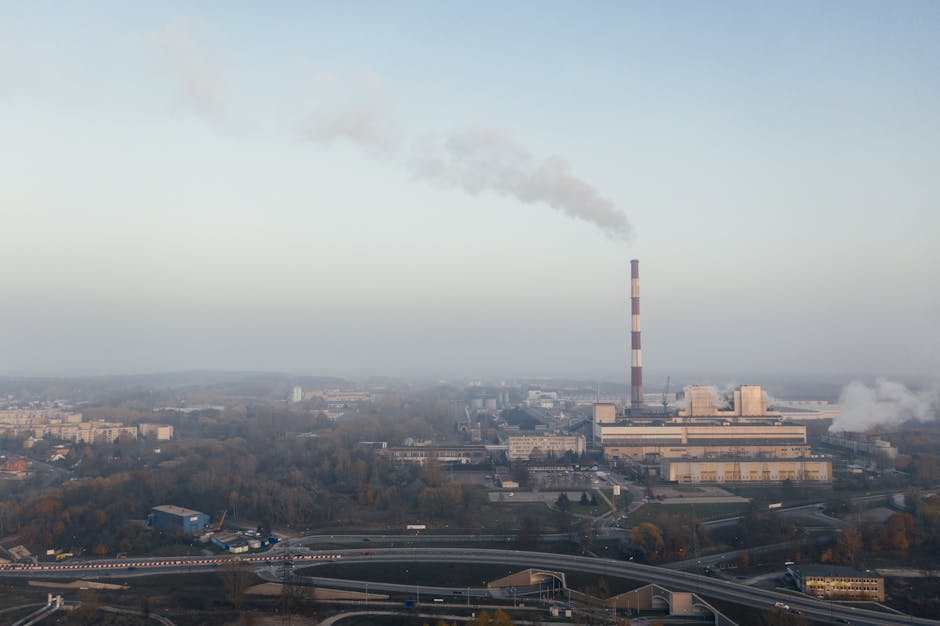
Poland’s Energy Pivot: A Nation Grappling with Its Coal-Dependent Past While Charting a Course Towards a Post-Fossil Fuel Future
Poland, a nation indelibly shaped by its deep-rooted reliance on coal, finds itself at a critical juncture. For decades, the rhythmic clatter of mining equipment and the towering silhouettes of power plants have been emblematic of Polish industrial might and energy security. This historical dependence, however, has placed Poland in a precarious position, both domestically and on the international stage, prompting a pressing need to learn lessons from its past and accelerate its transition away from fossil fuels. The pursuit of power beyond coal is not merely an environmental imperative; it is an economic, social, and geopolitical necessity that demands strategic foresight and decisive action. This article delves into the multifaceted challenges and opportunities inherent in Poland’s energy transformation, examining the historical context, the current landscape, and the ambitious yet complex pathways towards a sustainable and secure energy future.
The historical significance of coal in Poland cannot be overstated. It formed the bedrock of the nation’s industrial revolution, fueled its post-war reconstruction, and provided millions with employment and a sense of national identity. Silesia, the country’s coal heartland, became synonymous with hard work, resilience, and economic prosperity. This deeply ingrained connection to coal has created powerful vested interests, both economic and political, that have historically resisted significant shifts in energy policy. The perceived energy security offered by domestic coal reserves also played a crucial role in shaping national identity and geopolitical positioning, particularly during the Cold War era when reliance on external energy sources was viewed with suspicion. This legacy of coal dependence is a formidable obstacle to overcome, requiring not only technological and financial investment but also a profound societal and cultural recalibration. The ingrained familiarity and perceived reliability of coal have fostered a certain inertia, making the prospect of a rapid transition seem daunting, even to those who acknowledge its inevitability.
The current energy landscape in Poland is characterized by a persistent, albeit gradually diminishing, dominance of coal. While the share of renewables in the energy mix has seen growth, coal still accounts for a significant majority of electricity generation. This reliance has several critical consequences. Environmentally, Poland faces substantial challenges in meeting European Union climate targets, contributing to air pollution that impacts public health and incurs economic costs. Geopolitically, the dependence on coal, coupled with historical reliance on Russian gas, has underscored Poland’s vulnerability to external energy shocks and political pressures. Economically, the long-term viability of the coal industry is increasingly questionable, facing declining global demand, rising carbon prices, and the need for substantial investment in modernization or closure. The transition away from coal is therefore not a matter of choice but a strategic imperative for ensuring Poland’s future competitiveness and energy independence. The sheer scale of the existing coal infrastructure, from extraction to generation, represents a colossal sunk cost that complicates any rapid divestment.
Recognizing these challenges, Poland has begun to articulate strategies for a post-coal future. These strategies often involve a multi-pronged approach, encompassing the expansion of renewable energy sources, particularly wind and solar, alongside the development of nuclear power and the modernization of the energy grid. The embrace of renewable energy is driven by both EU mandates and the decreasing costs of solar and wind technologies. Poland has seen significant growth in installed capacity for both onshore and offshore wind power, with the Baltic Sea presenting a particularly promising frontier for large-scale offshore wind farms. Solar energy has also experienced a boom, driven by both utility-scale projects and rooftop installations for households and businesses. These developments signal a tangible shift, albeit one that needs to accelerate significantly to meet ambitious decarbonization goals. The regulatory framework is slowly adapting, but the pace of permitting and grid connection remains a bottleneck for many renewable projects.
The role of nuclear power is another critical component of Poland’s long-term energy strategy. The country currently has no operational nuclear power plants, but plans are in motion to construct at least one, and potentially more, large-scale nuclear facilities. This decision is driven by the desire for a stable, low-carbon baseload power source that can complement the intermittent nature of renewables. Nuclear energy offers the potential for significant emissions reductions and enhanced energy security, but it also presents considerable challenges, including high upfront costs, long construction times, complex safety regulations, and public perception concerns. The successful implementation of a nuclear program will require substantial political will, robust financial backing, and meticulous attention to safety and security protocols. The geopolitical implications of sourcing nuclear technology also warrant careful consideration, with a desire to diversify suppliers and ensure long-term technological independence.
Beyond energy generation, the modernization and expansion of the electricity grid are crucial for accommodating the increasing share of renewables and ensuring reliable power supply. This includes investments in smart grid technologies, energy storage solutions, and improved transmission infrastructure. The intermittency of wind and solar power necessitates advanced grid management capabilities to balance supply and demand. Energy storage, such as battery storage systems and pumped hydro, will play a vital role in ensuring grid stability and maximizing the utilization of renewable energy. The development of a more resilient and flexible grid is not only essential for integrating new energy sources but also for enhancing overall energy security and reducing the risk of blackouts. The current grid infrastructure, largely designed for a centralized, fossil fuel-based system, requires significant upgrades to handle distributed generation and bidirectional power flows.
The socio-economic implications of the energy transition are profound and require careful management. The decline of the coal industry will inevitably lead to job losses in traditional mining regions. Poland’s strategy must therefore include comprehensive "just transition" programs to support affected communities, workers, and businesses. This involves retraining initiatives, economic diversification strategies, and investments in new industries and job creation. The success of the energy transition hinges on ensuring that no community is left behind and that the benefits of a cleaner energy future are shared equitably. Ignoring the human dimension of this transition risks creating social unrest and undermining public support for necessary policy changes. The historical narrative of coal mining as a source of regional identity makes the psychological and cultural shift equally as important as the economic one.
The European Union plays a significant role in shaping Poland’s energy transition. EU climate policies, funding mechanisms, and emissions trading schemes provide both incentives and pressures for decarbonization. Poland’s alignment with EU targets, particularly the Fit for 55 package, necessitates a rapid acceleration of its renewable energy deployment and a phasedown of coal. Access to EU funding for renewable energy projects and just transition initiatives is crucial for enabling Poland to meet its climate commitments and modernize its energy sector. However, navigating the complexities of EU regulations and funding applications requires administrative capacity and strategic planning. The ongoing debate within the EU about the role of nuclear and gas in the energy transition also influences Poland’s strategic considerations.
The international dimension of Poland’s energy transition extends beyond the EU. Collaborations with international partners on technology transfer, investment, and best practices in renewable energy development and nuclear power are vital. Partnerships with countries that have experience in large-scale offshore wind projects or advanced nuclear reactor designs can accelerate Poland’s progress. Furthermore, ensuring energy security in the context of global geopolitical shifts requires diversification of energy sources and supply chains, reducing reliance on any single supplier. The recent energy crisis, triggered by the war in Ukraine, has further underscored the importance of energy independence and the need for a robust and diversified energy portfolio. This crisis has, in some ways, acted as a catalyst, accelerating the urgency for a transition away from fossil fuels and towards domestically sourced renewable energy.
Challenges persist in Poland’s pursuit of a post-coal future. These include securing adequate financing for large-scale projects, streamlining permitting processes, ensuring grid stability with high renewable penetration, and addressing public acceptance for new energy technologies like nuclear power. The political landscape and the influence of established interests also present ongoing hurdles. However, the growing awareness of the economic, environmental, and security benefits of a diversified, low-carbon energy system is creating a powerful momentum for change. The lessons learned from the past, particularly the vulnerabilities exposed by over-reliance on fossil fuels, are increasingly informing a more forward-looking and ambitious approach to energy policy.
In conclusion, Poland’s journey from a coal-centric energy system to a future powered by diversified, low-carbon sources is a complex and challenging undertaking. It is a narrative of a nation grappling with its industrial heritage while forging a new path towards energy independence, environmental sustainability, and economic competitiveness. The lessons learned from its coal-dependent past are crucial guiding principles for navigating the present and future. By embracing renewable energy, exploring nuclear power, modernizing its grid, and implementing just transition strategies, Poland is actively seeking to secure a cleaner, more resilient, and more prosperous energy future for its citizens, aiming to truly learn from its past and power its future beyond the reign of coal. This ongoing transformation, while fraught with obstacles, represents a critical step towards a sustainable and secure energy landscape for Poland and a significant contribution to the broader European climate agenda. The success of this endeavor will depend on continued political commitment, strategic investment, and the ability to adapt to the evolving global energy landscape.
