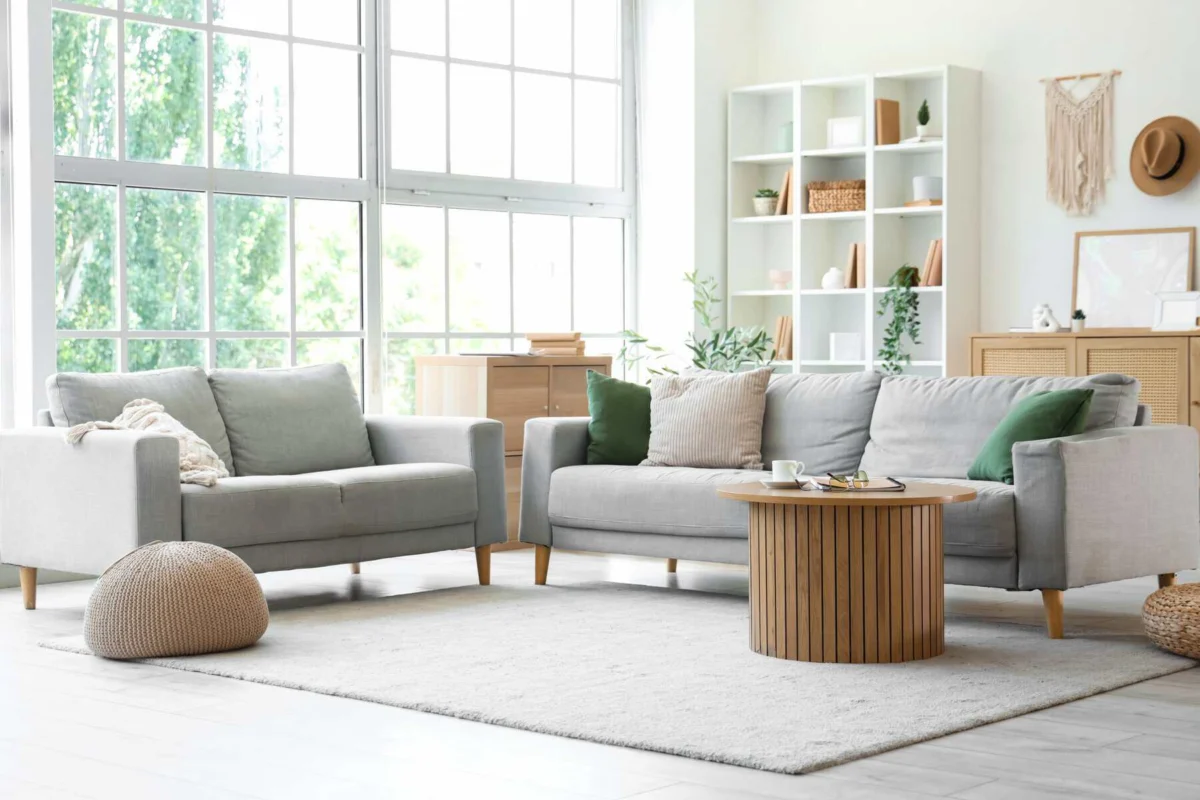
In the contemporary real estate marketplace, the traditional adage about first impressions has migrated almost entirely to the digital realm. Long before a prospective buyer attends an open house, requests a private viewing, or evaluates a property’s square footage, structural integrity, and local school districts, they scroll through dozens—sometimes hundreds—of online listing photographs. In this hyper-visual environment, lighting serves as the ultimate differentiator. It dictates whether a property captures a buyer’s immediate attention or gets passed over in a fraction of a second. However, achieving optimal photographic illumination is far from straightforward. Professional real estate photographers must continuously navigate a complex physics puzzle: balancing intense natural daylight, managing harsh interior shadows, calibrating artificial fixtures, and accurately representing paint colors and architectural finishes without making rooms look clinical, heavily filtered, or fundamentally unrealistic.
The stakes for getting this visual execution right have never been higher. According to a broad consensus of real estate marketing analysts, listings featuring high-professional-grade visual media consistently generate more online views, spend fewer cumulative days on the market, and ultimately command higher selling prices than those relying on amateur snapshots or poorly lit cell phone documentation. Recognizing this financial imperative, industry professionals across diverse geographic markets—ranging from historic New England properties in Montpelier, Vermont, to coastal California estates in Carmel-by-the-Sea—are increasingly leaning on advanced lighting techniques, sophisticated camera equipment, and meticulous pre-shoot preparations.
The Psychology of Light: Perception Versus Reality
At its foundational level, real estate photography is not merely about making a physical space visible; it is about evoking a specific emotional response. Light directly influences human perception, shaping how a buyer feels about a home before they ever step across the threshold. Properly balanced illumination can transform a modest, compact interior into a bright, expansive, and deeply inviting sanctuary, whereas poor lighting can make the exact same room feel cramped, gloomy, and unlivable.
The primary professional challenge lies in finding the exact equilibrium between showcasing a property’s standout features and maintaining absolute fidelity to reality. Over-processing or artificially over-brightening a space can lead to buyer disappointment during physical showings, potentially eroding trust.
"Properly balanced lighting makes rooms feel bright, spacious, and inviting while still keeping colors and finishes looking natural," explains Robert White, owner of Picture This Property, a real estate photography and media company based in Cypress, Texas. "In real estate photography, the goal isn’t simply to make a room brighter; it’s to control the light so the home looks its best without looking unrealistic."
Achieving this balance requires an intimate understanding of how camera sensors capture light relative to the human eye, as well as an ability to manipulate various light sources on demand.
Harnessing Natural Illumination: The Primary Asset
Daylight remains the gold standard of real estate photography. Natural illumination provides a clean, expansive quality that immediately breathes life into living spaces, kitchens, and master suites. Emphasizing the natural light potential of a residential property allows prospective buyers to mentally project themselves into sunny mornings, lazy weekend afternoons, and airy, comfortable living environments.
Professional media teams routinely prioritize maximizing daylight before deploying supplemental gear. "We love natural light and try to use it as much as possible," notes the production team at Luma 3 Productions in Wilmington, North Carolina. "Make sure you open all blinds and curtains to let in as much natural light as you can."
However, relying entirely on natural sunlight introduces significant technical hurdles, chief among them being extreme contrast. As the sun moves across the sky throughout the day, it interacts with architectural orientation—whether windows face east, west, north, or south—to cast deep, dramatic shadows. While amateur photographers often view shadows as a major defect, seasoned professionals understand that directional light can be intentionally sculpted to add depth, dimension, and architectural character to a room.
Overcoming Environmental Limitations and Scheduling Constraints
Because natural light is inherently transient, real estate photography demands meticulous logistical planning. Factors such as geographical orientation, regional weather patterns, seasonal shifts, and even dense surrounding foliage or neighboring structures can severely limit the amount of sunlight reaching specific rooms at any given hour. A kitchen that floods with warm morning light may plunge into shadow by mid-afternoon, requiring photographers to structure their shooting schedule with surgical precision.
Industry professionals utilize a variety of advanced tools to mitigate these environmental variables. Many modern real estate media teams deploy specialized mobile applications designed to track the precise angle of the sun relative to a specific property’s coordinates weeks or days before the actual shoot.
"We encounter rooms with very little sunlight, rooms with too much sunlight, and rooms clad in wood or dark paint," outlines the technical team at AG Real Estate Media in Cincinnati, Ohio. "We can overcome these challenges beginning with good planning, and even have apps that can track the sunlight so you can plan your shoot accordingly. It’s important to know the limits of your equipment, how to tweak the settings, and how that will affect the image."
Despite the best-laid plans, external disruptions frequently occur. Sudden cloud cover, overcast skies, seasonal storms, or property-specific structural limitations—such as north-facing windows or rooms devoid of exterior openings entirely—can drastically alter ambient light levels on the day of the shoot.
To counteract unexpected drops in natural illumination, photographers rely heavily on off-camera flash and strobes. "A lack of natural or ambient light can make my job much more challenging," explains Andrea Shandri, owner of Shandri Photo & Media in Des Moines, Iowa, highlighting weather, ceiling color, and lack of windows as her top three uncontrollable variables. "During dark weather, I usually keep artificial lights off and use flash so I can manipulate my camera settings even more to produce a brighter image. For darker ceilings or with rooms that don’t have windows, I keep artificial lights on and introduce a brighter flash frame to accurately light the space."
Layering Ambient Light and Managing Color Temperatures
While natural daylight provides overall structure, relying on it exclusively can leave deep, unlit corners, dark hallways, and poorly illuminated transitional spaces. To counteract this, photographers utilize a technique known as layered lighting, introducing warm accent lamps to fill in shadows and ground the visual weight of a room.
"Turn the lamps on, even during the day," advises the real estate media team at Homeowner Experience Real Estate in San Jose, California. "Lamplight warms a space and fills in the corners that natural light doesn’t reach. To make this easy, we give sellers timers so their lamps turn on automatically during showing hours and off at night, and no one has to remember to do it."
Layered lamplight serves a dual purpose: not only does it solve technical exposure issues during a photo shoot, but it is also an essential tenet of professional home staging. Soft lamp illumination neutralizes stark architectural angles and instills a psychological sense of warmth, coziness, and habitation.
Nevertheless, mixing different light sources introduces one of the most persistent technical challenges in real estate media: color temperature discrepancies. Daylight registers as a cool, blue-toned spectrum, whereas traditional incandescent bulbs emit a warm, yellow-orange glow, and various types of modern LEDs occupy a wide spectrum in between. When these mismatched temperatures combine within a single enclosed space, camera sensors struggle to achieve a balanced white balance, resulting in distorted wall paint colors, discolored hardwood flooring, and unnatural visual clashes.
"One of the most important things homeowners can do is replace all burnt-out light bulbs throughout the home," emphasizes the AG Real Estate Media team. "Also, make sure your bulbs match in color temperature. It doesn’t matter so much if you choose the warmer incandescent or cooler LEDs, it’s more important that they match and the home has consistent lighting throughout."
Luma 3 Productions echoes this sentiment, noting that varying color temperatures across a single room complicate the quest for natural-looking color reproduction. When color uniformity cannot be achieved through bulb replacement alone, photographers are frequently forced to selectively extinguish specific interior fixtures and rely more heavily on controlled natural or flash lighting.
Bridging the Dynamic Range Gap via Multi-Exposure Blending
Perhaps the most formidable technical obstacle facing real estate photographers is the vast disparity between human visual perception and camera sensor capabilities. The human eye easily transitions from a dimly lit interior living room to a brilliantly sunlit exterior garden, simultaneously registering clear details in both zones. Standard digital camera sensors, however, possess a much narrower dynamic range.
"One of the biggest challenges is photographing a darker interior when there is extremely bright daylight outside the windows," notes Robert White of Picture This Property. "If you expose for the room, the windows can turn completely white; if you expose for the windows, the room becomes too dark. I capture multiple exposures and carefully blend them together so we preserve detail inside the home and outside the windows while keeping the final image realistic."
This advanced technical methodology—widely known as High Dynamic Range (HDR) photography or bracketed exposure blending—allows photographers to merge several frames captured at different shutter speeds. The resulting composite image grants prospective buyers the ability to appreciate panoramic patio views, lush backyard landscaping, or stunning mountain vistas through the glass while simultaneously enjoying a brightly illuminated, detailed view of the interior space.
Pre-Shooting Preparation: A Collaborative Effort
While professional photographers bring advanced gear, software expertise, and years of specialized training to the table, the ultimate success of a real estate photo shoot heavily depends on proactive preparation by homeowners and listing agents. Preparing a property correctly minimizes friction on shoot day and ensures that lighting conditions are optimized from the outset.
Real estate professionals recommend a comprehensive checklist prior to the photographer’s arrival:
- Replacing all burnt-out or mismatched light bulbs to ensure a uniform color temperature throughout the entire residence.
- Thoroughly washing windows to maximize the clarity and volume of incoming natural daylight.
- Opening all interior doors, blinds, and window treatments to allow light to flow freely across the floor plan.
- Turning on all lamps and overhead accent fixtures to provide immediate ambient warmth and fill unlit corners.
- Decluttering surfaces and removing excess personal items that could catch harsh glares or obscure light sources.
Broader Market Implications and Economic Impact
The growing emphasis on professional lighting techniques in real estate photography reflects a broader shift toward digital-first consumer behavior within the housing market. As proptech platforms, virtual tours, and high-resolution listing galleries become the primary gateways for property discovery, the marginal return on investment for high-end media production has grown exponentially.
In competitive metropolitan and suburban housing markets alike, listings that fail to capture adequate illumination risk higher bounce rates among digital consumers. Conversely, properties that utilize professional multi-exposure blending, balanced color temperatures, and strategic natural lighting capture viewer attention immediately, fostering an emotional connection that bridges the gap between digital browsing and physical offers.
Ultimately, mastering the art of real estate lighting transcends technical proficiency. It is a strategic exercise in visual storytelling. By illuminating a property’s best attributes with precision and care, sellers and real estate professionals can effectively communicate the lifestyle potential of a home, transforming casual online browsers into deeply engaged, qualified buyers.