John Wick Ballerina: A Deep Dive into the Deadly Artistry of the Continental’s Enigmatic Dancers
The world of John Wick is meticulously crafted, a hyper-stylized universe where every element, from the meticulously tailored suits to the intricately choreographed fight sequences, contributes to its undeniable allure. Among the most captivating and frequently discussed aspects of this cinematic saga are the "ballerinas," a term that has become shorthand for a specific, terrifying breed of assassin within the Continental’s shadowy network. These are not your traditional dancers performing pirouettes for applause. Instead, the John Wick ballerinas represent a lethal fusion of grace, precision, and brutal efficiency, embodying a discipline that is as deadly as it is beautiful. Understanding their role, their training, and their impact is crucial to appreciating the depth and sophistication of the John Wick universe.
The term "ballerina" in the context of John Wick is intentionally provocative, juxtaposing the perceived fragility and elegance of classical ballet with the unyielding lethality of a trained killer. This juxtaposition is a masterstroke, immediately signaling that these characters defy conventional expectations. They are not merely background players or disposable henchmen. The ballerinas are elite operatives, their movements honed to a razor’s edge, capable of dispatching targets with a fluidity that belies the violence they unleash. Their presence introduces a unique aesthetic to the action, transforming combat into a macabre dance, where every step, every twist, and every strike is a calculated move in a deadly performance. This visual and thematic dichotomy is a cornerstone of John Wick’s appeal, and the ballerinas are prime examples of this artistic philosophy.
The training regimen of a John Wick ballerina is a closely guarded secret within the lore, but its implications are vividly displayed on screen. It is safe to assume a rigorous, multi-disciplinary approach that blends classical ballet techniques with intense combat training. The foundational elements of ballet – extreme flexibility, core strength, balance, and precise control over every muscle – are the perfect building blocks for an assassin. Imagine the explosive power generated from a dancer’s plié, the lightning-fast changes of direction facilitated by turns and leaps, and the pinpoint accuracy achievable through years of dedicated practice. These skills are then weaponized. Ballet’s emphasis on spatial awareness and body control translates directly into an ability to navigate chaotic environments, anticipate an opponent’s movements, and execute complex maneuvers under immense pressure.
Beyond the physical, the mental conditioning is equally vital. The John Wick ballerinas likely undergo psychological training to cultivate an almost detached focus, an ability to compartmentalize emotions and execute orders without hesitation. The discipline required to master ballet – the endless hours of repetition, the pursuit of perfection, the stoicism in the face of pain – are traits that would be amplified and channeled into a warrior’s mindset. This mental fortitude allows them to remain calm amidst gunfire, to analyze threats instantaneously, and to make split-second decisions that mean the difference between life and death. The silent, almost meditative concentration required for a delicate ballet performance is mirrored in the focused intensity of a ballerina engaged in combat.
The weaponry and fighting styles of the John Wick ballerinas are as distinctive as their designation. While John Wick himself is renowned for his "gun-fu," a seamless blend of firearms and hand-to-hand combat, the ballerinas often exhibit a more specialized approach. They are frequently depicted using close-quarters combat, employing knives, stilettos, or even improvised weapons with devastating effect. Their movements often incorporate elements of martial arts, particularly those that emphasize swift strikes, joint manipulation, and grappling. The elegance of their footwork allows them to evade attacks and reposition themselves with astonishing agility, turning seemingly defensive maneuvers into offensive opportunities. The visual spectacle of a ballerina executing a series of precise knife-wielding attacks, interspersed with acrobatic dodges, is a testament to the filmmakers’ commitment to innovative action choreography.
The iconic fight sequences involving ballerinas are a testament to the skill of the stunt teams and choreographers. These scenes are not simply about brute force; they are meticulously planned ballets of violence. The camera work often highlights the fluidity of their movements, lingering on the grace of their transitions even as they inflict fatal blows. The use of slow motion, the strategic framing of shots, and the carefully selected music all contribute to the operatic nature of these encounters. The clash of contrasting styles – the brute force of a larger adversary against the precise, economical movements of a ballerina – creates a compelling dynamic that is both thrilling and unsettling. The sheer dedication to making these sequences feel both real and artistically significant is a hallmark of the John Wick franchise.
The significance of the John Wick ballerinas extends beyond their tactical prowess. They represent a potent thematic element within the narrative. In a world dominated by established male figures of power and violence – John Wick, the High Table, the various crime lords – the ballerinas offer a disruption to this patriarchal order. They demonstrate that strength and dominance are not solely the purview of men, and that lethal skill can manifest in diverse and unexpected forms. Their presence challenges traditional notions of femininity and power, showcasing a potent blend of grace and aggression that is both awe-inspiring and terrifying. This subversion of expectations contributes to the rich tapestry of the John Wick universe, making it more than just a simple revenge narrative.
Furthermore, the ballerinas often serve as gatekeepers or enforcers within specific territories or organizations. Their association with the Continental and the High Table suggests a level of trust and capability that places them in positions of considerable authority. They are not anonymous foot soldiers; they are specialized operatives with a reputation that precedes them. When a ballerina is encountered, it signals a heightened level of danger and a confrontation with an adversary who is likely to be highly skilled and exceptionally dangerous. Their role in maintaining order, or enforcing the rules of the underworld, adds another layer of complexity to the intricate political landscape of the John Wick films.
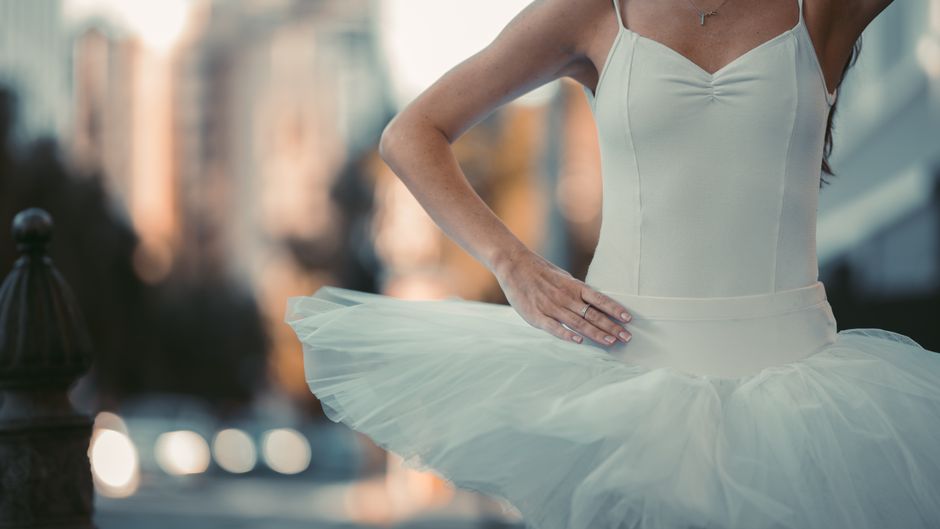
The visual design of the ballerinas is also a critical component of their impact. Their costumes, while often appearing elegant and understated, are clearly designed for practicality and functionality, allowing for a full range of motion. The subtle details, such as reinforced fabrics or strategically placed padding, hint at the hidden dangers beneath the surface. The contrast between their refined appearance and their brutal capabilities is a recurring motif, reinforcing the idea that appearances can be deceiving in this world. This attention to detail in costuming further enhances the believability and aesthetic coherence of the John Wick universe.
The evolution of the ballerinas across the film series has been noteworthy. While their initial appearances might have been more introductory, establishing their formidable nature, subsequent films have delved deeper into their individual capabilities and their collective threat. The increasing complexity of their combat sequences and their integral role in key plot points underscore their importance to the franchise. The filmmakers have recognized the audience’s fascination with these characters and have actively worked to showcase their unique talents in increasingly innovative ways. This ongoing development ensures that the ballerinas remain a compelling and dynamic force within the John Wick narrative.
The impact of the John Wick ballerinas on the broader genre of action cinema cannot be overstated. They have inspired a new wave of appreciation for stylized, technically demanding fight choreography. Filmmakers and stunt coordinators are increasingly looking to incorporate elements of classical arts into combat sequences, seeking to create action that is not only visceral but also visually stunning and thematically resonant. The ballerinas have proven that the fusion of seemingly disparate disciplines can lead to exceptionally compelling and memorable cinematic moments. Their legacy is one of pushing the boundaries of what is possible in action filmmaking, demonstrating that true artistry can be found in the most unexpected of places, even in the deadly dance of a highly trained assassin.
In conclusion, the John Wick ballerinas are far more than a mere plot device or a visual flourish. They are a fully realized concept, embodying a dangerous artistry that is central to the success of the franchise. Their rigorous training, their unique fighting styles, their thematic significance, and their striking visual presentation all combine to create characters who are simultaneously terrifying and captivating. As the John Wick universe continues to expand, the ballerinas are sure to remain a potent and unforgettable element, a testament to the franchise’s commitment to innovation, precision, and the darkly beautiful art of cinematic combat. Their continued presence and development promise to further solidify their place as one of the most iconic and influential assassin archetypes in modern action cinema.
