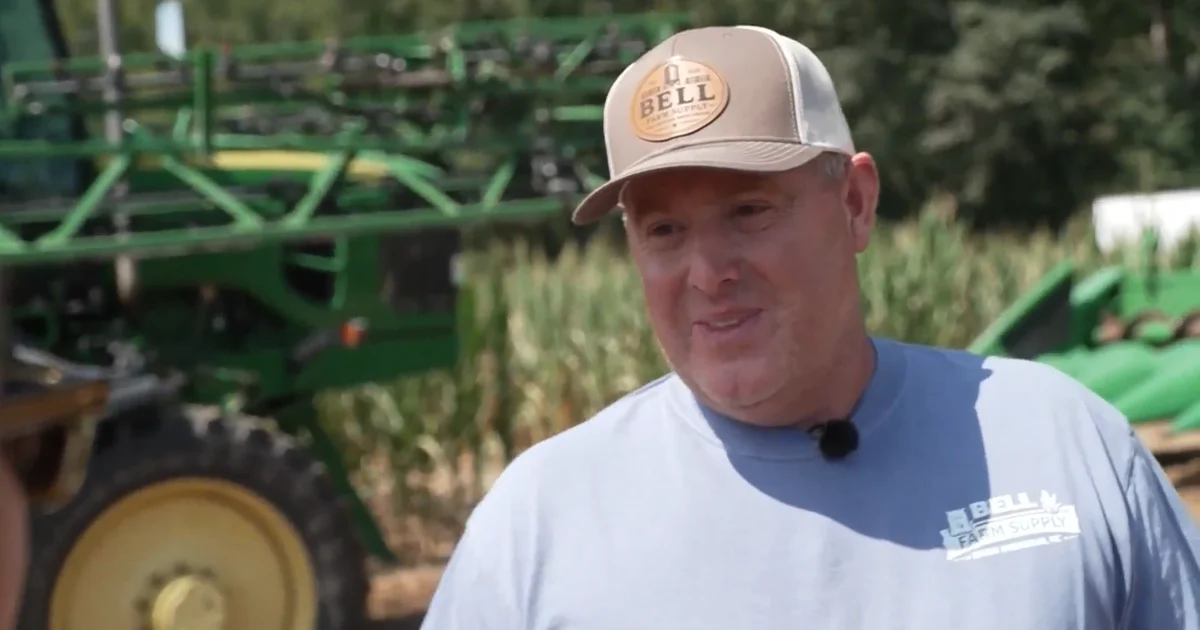
For more than three decades, Matt Bell has tended the rich soil of central North Carolina, waking before dawn to manage a sprawling operation of more than 1,000 acres dedicated to soybeans, corn, wheat, and beef cattle. At 52 years old, farming is the only career he has ever known, a multi-decade vocation rooted in tradition, heavy machinery, and unrelenting physical labor. Yet, as the agricultural sector navigates a turbulent economic landscape defined by geopolitical conflict and protectionist trade policies, Bell finds himself confronting an existential threat that has pushed his multi-generational enterprise to the absolute brink.
Bell, a steadfast Republican who cast his ballot for President Donald Trump, is among a growing number of American agricultural producers expressing profound disillusionment. While he initially supported the administration’s broader foreign policy objectives and hardline economic stance, the compounding financial pressures of skyrocketing fuel prices, soaring input costs, and persistent retaliatory tariffs have created a financial squeeze. For Bell and countless peers across the American heartland, the promises of putting domestic agriculture first feel increasingly disconnected from the grim financial realities playing out in their fields and barns.
The compounding crises facing modern American farming are not isolated incidents but rather the convergence of international military conflicts, global supply chain bottlenecks, and aggressive trade maneuvers. To understand how a veteran farmer reached a point of potential insolvency, industry analysts point to a volatile mixture of rising diesel costs driven by Middle Eastern conflict, cascading trade frictions with major export partners like China, and domestic inflation that has steadily eroded profit margins.
Geopolitical Instability and the Crippling Cost of Diesel
The foundational engine of modern agriculture is fossil fuel. Every tractor, combine, planter, and heavy truck requires a steady and affordable supply of diesel to plant, maintain, and harvest crops. For Bell, the financial shockwaves of foreign conflicts have translated directly into crushing operational expenses.
The ongoing military conflict involving Iran has severely constricted global petroleum flows, transforming the critical Strait of Hormuz into a heavily militarized bottleneck. With the crucial waterway subjected to a stringent naval blockade and severe limits on the transit of oil tankers, international crude markets have experienced sustained turbulence. Simultaneously, intensifying hostilities between Yemen’s Iran-backed Houthi rebels and regional energy exporters like Saudi Arabia have disrupted vital shipping lanes in the Red Sea. Combined with ongoing refining limitations stemming from the protracted conflict in Russia and Ukraine, global fuel supplies have tightened dramatically.
These international disruptions have caused domestic fuel prices to skyrocket. According to data compiled by the American Automobile Association (AAA), retail diesel prices nationwide have surged to an average of roughly $6.40 per gallon, nearly doubling the rates recorded just one year prior. In North Carolina, the burden has been particularly acute, with state averages hitting historic highs of approximately $6.19 per gallon.
For Bell, these macro-level economic indicators represent an immediate daily crisis. His massive agricultural combine alone consumes approximately $600 worth of diesel fuel daily—more than double the operational cost of the previous year. Having exhausted his entire annual fuel budget of $35,000 by August, Bell projects his total energy expenditure for the year will finish between $50,000 and $60,000. The volatility is so extreme that distributors quote prices in the morning that expire by the afternoon, forcing farmers into a position where they must absorb escalating costs for essential inputs they cannot bypass.
Tariffs and the Stalled Export Market
Beyond energy inflation, Bell and other agricultural producers are grappling with the cascading financial impacts of broad federal tariff policies. While the administration has sought to protect domestic manufacturing and exert leverage over geopolitical adversaries through trade barriers, the agricultural export sector has frequently found itself caught in the crossfire.
The predicament surrounding soybean exports to China highlights the delicate balancing act of modern trade negotiations. In May, the administration announced a major trade milestone: a formalized agreement committing China to purchase 25 million metric tons of U.S. soybeans annually through 2028. While export volumes to China have indeed ticked upward compared to the previous year, the anticipated financial relief for growers has been muted by lingering protectionist measures.
Chief among these hurdles is China’s enduring 10% retaliatory tariff on U.S. soybeans, implemented in direct response to U.S. levies tied to fentanyl enforcement. Although Chinese buyers are taking delivery of American crops, they have refused to inflate purchase prices to offset the tariff penalty. Consequently, while the cost of producing a bushel of soybeans—driven by higher prices for seed, chemicals, equipment replacement parts, and fertilizer—has risen sharply, the market return for the harvest has failed to keep pace.
Recognizing the mounting pressure on domestic producers, the American Soybean Association dispatched an urgent formal appeal to the White House ahead of high-level diplomatic talks between President Trump and Chinese President Xi Jinping. The agricultural advocacy group explicitly urged the administration to prioritize the complete elimination of the 10% retaliatory levy, warning that American soybean growers are operating under severe structural disadvantages compared to international competitors in South America.

Diverging Expectations and Political Disillusionment
The economic strain experienced by farmers like Bell has triggered a broader reassessment of political alignment within rural communities that formed the bedrock of the administration’s electoral coalition.
Initially, Bell was willing to absorb short-term economic friction, rationalizing that higher commodity and operational costs were an acceptable sacrifice if they achieved vital national security milestones, such as permanently preventing Iran from acquiring a nuclear weapon. However, as the conflict has evolved and the financial toll on domestic producers has deepened, Bell’s perspective has shifted toward critical skepticism.
"We’re just being strung along as a country and that’s not good," Bell remarked, explicitly stating that he believes the administration has miscalculated its foreign engagements. Furthermore, he contends that the federal government’s domestic agricultural strategy has failed to deliver on its foundational campaign promises.
While federal agricultural assistance programs and bailout packages are frequently touted as vital lifelines for struggling rural economies, producers on the ground argue that these interventions are insufficient to offset systemic, long-term losses. Bell noted that federal financial relief programs ultimately amount to minimal support when measured against the sweeping inflation of basic operational necessities.
This growing policy disconnect is already reshaping voter sentiment ahead of upcoming electoral cycles. Bell indicated that while he remains a registered Republican, the pressures of the current economic environment will likely drive him to cast a split ticket, prioritizing candidates he believes possess pragmatic, common-sense approaches to economic management over strict party loyalty.
The Broader Implications for American Agriculture
The financial distress concentrated in operations like Bell’s points to broader structural vulnerabilities within the American agricultural economy. Industry economists warn that prolonged high-input costs, combined with unpredictable trade dynamics and constrained credit markets, could accelerate a wave of farm consolidations and bankruptcies, disproportionately harming independent, multi-generational family farms.
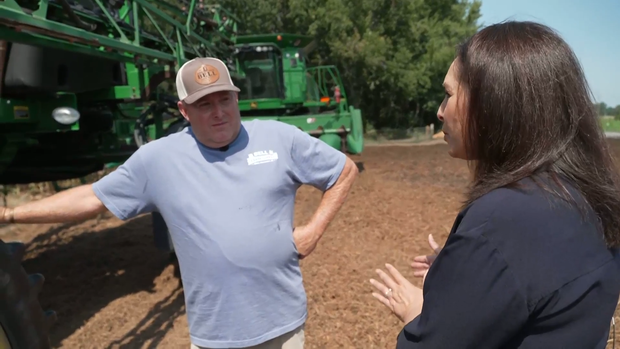
When small and medium-sized producers are forced to shutter their operations due to unsustainable margins, the impacts ripple outward through rural communities, affecting local equipment dealerships, grain elevators, seed suppliers, and regional financial institutions. Furthermore, the loss of experienced domestic producers threatens long-term food security and agricultural resilience, potentially leaving the nation more vulnerable to international supply chain disruptions.
For Bell, the potential closure of his farm represents more than just a financial failure; it signals the end of a family legacy and a way of life. Having exhausted every conceivable avenue for cost-cutting—from altering crop acreage and extending the lifespan of aging machinery to diversifying operations with agritourism ventures like pumpkin patches and hayrides—he acknowledges that the remaining margins are nonexistent.
"I do not want any Americans to feel sorry for the American farmer," Bell asserted, summarizing the collective frustration of an overlooked sector. "I want the Americans to be mad that we have been put in this situation. We are fighting for survival, and we’re running out of options."
As the current growing season draws to a close, the path forward remains uncertain for producers navigating the intersection of global conflict, trade policy, and domestic inflation. For a lifetime farmer standing in the middle of a thousand-acre harvest, the stakes could not be higher, and the margin for error has finally run out.