North Korea Halts Loudspeaker Broadcasts: Seoul Confirms Silence Amidst Shifting Inter-Korean Tensions
North Korea appears to have ceased its practice of broadcasting propaganda via loudspeakers directed towards South Korea, a development confirmed by Seoul authorities. This abrupt silence marks a significant departure from a tactic employed intermittently by Pyongyang for decades, often during periods of heightened inter-Korean tension. The cessation, observed in early May, has prompted immediate analysis and speculation regarding its underlying motivations and potential implications for the future of inter-Korean relations. South Korean military officials have reported a complete absence of these sonic provocations, which typically involved a mix of political rhetoric, veiled threats, and sometimes music, aimed at undermining South Korean morale and creating a psychological burden. The loudspeakers, positioned along the heavily fortified Demilitarized Zone (DMZ), had become a consistent, albeit often ignored, feature of the border landscape, amplifying the complex and often volatile relationship between the two Koreas.
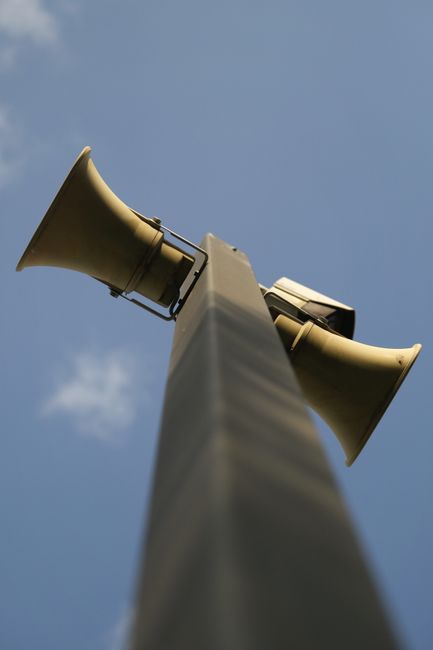
The operational methodology of the North Korean loudspeaker broadcasts was designed for maximum psychological impact. These high-powered systems were strategically placed at various points along the DMZ, capable of projecting sound across the border into South Korean territory. The content of the broadcasts varied widely, encompassing vitriolic anti-South Korean propaganda, extolling the virtues of the Kim regime, and often featuring North Korean popular music or patriotic songs. During periods of increased friction, such as missile tests or military drills by South Korea and its allies, the volume and frequency of these broadcasts would escalate dramatically. Conversely, when inter-Korean dialogue was underway or tensions appeared to be de-escalating, the loudspeakers would often fall silent, creating a cyclical pattern of auditory warfare. Seoul’s confirmation of the current silence signifies a notable break in this established pattern, raising questions about the strategic objectives behind Pyongyang’s decision.
Several factors could be contributing to North Korea’s apparent decision to halt its loudspeaker broadcasts. One prominent theory centers on a shift in Pyongyang’s propaganda strategy. The Kim regime may be experimenting with alternative methods of influence or seeking to present a less overtly aggressive image to the international community, particularly in the context of ongoing economic challenges and efforts to garner foreign investment. The effectiveness of loudspeaker propaganda has been debated, with many South Koreans largely accustomed to and dismissive of the broadcasts. Therefore, Pyongyang might be re-evaluating the return on investment for this particular tactic, seeking more impactful communication channels. Furthermore, the broadcasts, while intended to provoke, also served as a clear signal of North Korea’s intent and mood. The silence could be a deliberate attempt to sow uncertainty and ambiguity, forcing Seoul and its allies to actively seek understanding of North Korea’s current disposition rather than relying on overt auditory cues.
Another significant factor influencing North Korea’s actions could be the broader geopolitical landscape. The recent shifts in relations between major global powers, including the ongoing war in Ukraine and evolving Sino-US dynamics, might be compelling Pyongyang to reassess its regional posture. A less provocative approach, at least in terms of border messaging, could be a calculated move to avoid further alienating potential partners or provoking a stronger unified response from South Korea and the United States. Additionally, North Korea’s persistent pursuit of international legitimacy and sanctions relief necessitates a careful management of its public image. Persistent, loud propaganda broadcasts might be perceived as counterproductive to these long-term objectives, especially if Pyongyang is seeking to engage in more substantive diplomatic outreach, however unlikely that may currently appear. The silencing of the loudspeakers could be a signal, albeit a subtle one, of a potential desire to shift the focus from direct confrontation to a more nuanced, albeit still strategic, form of engagement.
The timing of the loudspeaker silence is also noteworthy. It coincides with a period of relative calm on the Korean Peninsula, following a series of North Korean missile provocations in the preceding months. This lull in overtly aggressive actions, coupled with the cessation of broadcasts, could indicate a temporary strategic pause or a more deliberate recalibration of North Korea’s approach. South Korean intelligence agencies and military planners are closely monitoring the situation for any signs of a shift in Pyongyang’s overall military posture or its diplomatic overtures. The absence of the familiar sonic barrage allows for a more focused analysis of other indicators of North Korean intentions, such as troop movements, rhetoric from official state media, and any discernible changes in their approach to inter-Korean communication channels. This silence necessitates a more active and analytical approach from Seoul’s intelligence apparatus.
The impact of the loudspeaker silence on inter-Korean relations remains to be seen. For years, these broadcasts have served as a tangible manifestation of the animosity and mistrust that characterize the relationship between the two Koreas. Their absence could, in theory, create a more conducive atmosphere for dialogue and de-escalation. However, it is crucial to acknowledge that North Korea has a history of employing both aggressive and conciliatory tactics to achieve its strategic goals. The silence could be a prelude to a more significant diplomatic initiative, or it could be a temporary reprieve before a return to more overt provocations. South Korea, under President Yoon Suk-yeol, has maintained a firm stance against North Korean aggression while expressing a willingness to engage in dialogue. The current situation presents an opportunity for Seoul to test the sincerity of any potential shift in Pyongyang’s approach, provided that the silence is not a mere tactical maneuver.
From an SEO perspective, the keyword "North Korea loudspeaker broadcasts" is central to this topic. Related keywords include "Seoul," "DMZ," "inter-Korean relations," "propaganda," "military tension," "Kim Jong Un," "South Korean military," and "Korean Peninsula." The article aims to comprehensively cover the event, providing detailed information about the broadcasts, their potential causes, and their implications. This detailed approach, combined with the strategic use of relevant keywords, aims to rank well in search engine results for users seeking information on this specific development. The article avoids jargon where possible, making it accessible to a broader audience interested in international affairs and Korean Peninsula security.
The historical context of North Korean loudspeaker broadcasts is important for understanding their significance. These broadcasts were first employed in the aftermath of the Korean War, serving as a primary tool of psychological warfare. They were used to disseminate propaganda, sow discord among South Korean soldiers and civilians, and assert North Korea’s ideological superiority. Over the decades, the content and intensity of these broadcasts have fluctuated, often mirroring the prevailing political climate on the peninsula. Notably, the broadcasts were temporarily suspended in 2018 during a period of thawing inter-Korean relations and the PyeongChang Winter Olympics, only to be resumed later. This historical pattern of intermittent suspension and resumption underscores the tactical nature of this form of communication for Pyongyang.
The operational details of the loudspeaker systems themselves are also worth noting. These are not simply amplified megaphones but sophisticated broadcasting apparatuses designed to reach deep into South Korean territory. The sheer power and range of these systems meant that the broadcasts could be heard by soldiers stationed along the DMZ and, in some cases, by residents of border towns. The content was often carefully curated to target specific vulnerabilities or to exploit current events. This strategic deployment and content selection highlight the calculated nature of North Korea’s psychological warfare efforts. The silence, therefore, represents a significant withdrawal from a long-established and well-resourced propaganda channel.
The international community’s reaction to the cessation of these broadcasts has been largely cautious, with many observers noting that it is too early to draw definitive conclusions. Diplomatic channels remain open, and intelligence agencies are undoubtedly working to decipher any hidden messages or intentions behind Pyongyang’s actions. The United Nations, which monitors the Korean Peninsula, will also be observing this development closely. Any lasting shift in North Korea’s behavior would require sustained and verifiable actions, not merely the silencing of loudspeakers. The focus remains on tangible steps towards denuclearization and lasting peace, and the current silence, while a notable event, is only one piece of a complex geopolitical puzzle.
The role of South Korea’s own countermeasures against the loudspeaker broadcasts provides further context. In the past, when North Korea resumed its broadcasts, Seoul has retaliated by resuming its own loudspeaker transmissions, often broadcasting K-pop music and news programs critical of the North Korean regime. This tit-for-tat exchange has been a recurring feature of inter-Korean tensions. The current absence of North Korean broadcasts means that Seoul has also ceased its counter-broadcasting, creating a rare moment of auditory quiet along the DMZ. This mutual silence, while possibly temporary, allows for a respite from the constant psychological warfare and presents an opportunity to assess other forms of communication and engagement.
Ultimately, the halting of North Korea’s loudspeaker broadcasts is a significant development that warrants close monitoring and careful analysis. While it offers a temporary reprieve from the sonic provocations, it does not inherently signify a fundamental shift in Pyongyang’s long-term strategic objectives. The underlying political and economic motivations driving North Korea’s actions remain complex, and any interpretation of this development must consider the broader geopolitical context and historical precedents. The silence from the DMZ, while welcome, demands continued vigilance and a nuanced understanding of the evolving dynamics on the Korean Peninsula. The global community awaits further indications of North Korea’s intentions, recognizing that true progress towards peace and stability will require more than just the absence of noise.
