The Cotswold village of Whelford in Gloucestershire is slowly returning to a state of guarded normalcy following a major counter-terrorism operation that triggered the precautionary evacuation of approximately 85 households. The emergency measures were enacted early Sunday morning after local law enforcement declared a major security incident surrounding RAF Fairford, a critical British military base that currently hosts United States Air Force assets. While the police cordon around three suspicious vans has been partially lifted and residents have been cleared to return, deep unease persists within the local community. The operation, which involved specialized counter-terrorism units, local constabulary forces, and armed personnel, has ignited intense domestic political debate and drawn sharp public interventions from senior figures in Washington, placing the security of foreign military installations on British soil under intense scrutiny.
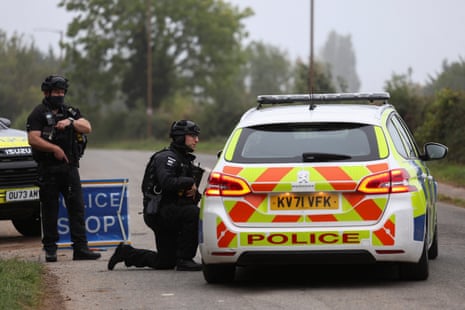
The chain of events leading to the security lockdown began in the predawn hours of Sunday when a local farmer, driving home from a social gathering, noticed suspicious activity near the perimeter of the airbase. According to initial accounts, the witness spotted a group of individuals near three commercial vans who appeared to be wearing balaclavas. Upon being illuminated by the vehicle’s headlights, the suspects fled on foot into the surrounding rural landscape. Recognizing the potential gravity of the situation given the proximity to a sensitive military site, the resident immediately contacted Gloucestershire Constabulary. The tip catalyzed a rapid and comprehensive emergency response, prompting the declaration of a major incident and the swift, precautionary evacuation of roughly 85 households in nearby Whelford, located roughly two miles from the base. Evacuated residents were temporarily housed in a local leisure centre while explosive ordnance disposal teams and counter-terrorism investigators secured the area.
Within hours of the initial alert, counter-terrorism officers arrested five men in connection with the suspected plot. Authorities subsequently confirmed that all five suspects are British nationals in their 20s hailing from London. The initial examination of the three vans parked near the airbase raised immediate alarms, as preliminary assessments suggested the vehicles might be carrying improvised explosive devices. However, subsequent forensic analysis conducted over the following days revealed that no viable explosive materials were present inside the vehicles. This crucial finding heavily influenced the decision by detectives to release all five men on police bail under stringent conditions by Monday afternoon, just over 24 hours after their initial apprehension. Law enforcement sources noted that the absence of explosives and the decision to grant bail indicated investigators did not believe the suspects were on the immediate brink of executing a mass-casualty bombing attack against the base. Nevertheless, the head of UK Counter Terrorism Policing, Assistant Commissioner Laurence Taylor, emphasized that the release of the suspects did not signify the closure of the investigation, noting that detectives are continuing to explore all possible motives and potential co-conspirators.
The handling of the investigation and the subsequent decision to release the suspects on bail prompted immediate friction between British authorities and their American counterparts. The political fallout escalated rapidly when high-ranking US officials publicly voiced frustration over the judicial status of the men. US Secretary of State Marco Rubio appeared on Fox News’ Hannity program to declare that the foiled plot "clearly involves the hands of a foreign actor." While withholding specific evidentiary details due to operational sensitivities, Rubio explicitly linked the threat environment to Iran, noting that Tehran has openly pledged to target American interests globally. He added that "a lot of people are disturbed" by the news that the terror suspects had been released on police bail. US President Donald Trump adopted an even more assertive stance during a White House briefing, telling reporters that American authorities possessed extensive intelligence on the suspects and asserting that Washington would not have released them on bail. When questioned regarding a potential state-sponsored Iranian nexus, Trump remarked simply that "it might be."
In stark contrast to the pointed remarks originating from Washington, British government officials defended the operational independence of the UK’s policing and judicial systems. Speaking from the Labour Party conference in Liverpool, Deputy Leader Lucy Powell firmly rebuffed foreign criticism regarding the bail decision. Emphasizing the separation of powers and standard operational protocols, Powell stated that decisions concerning bail are strictly operational matters for the police and should never be dictated by government ministers. She expressed full confidence in the professional judgment of UK law enforcement agencies as the inquiry continues. Meanwhile, local political representatives have voiced considerable frustration regarding the communication surrounding the incident and the broader security guarantees offered to communities living in the shadow of active military strike zones. Roz Savage, the Liberal Democrat Member of Parliament for South Cotswolds, announced her intention to formally write to the Prime Minister and the Defence Secretary. Savage highlighted that ever since the government authorized the use of RAF Fairford six months prior for defensive operations targeting Iranian missile launch sites, constituents had repeatedly sought assurances regarding local safety. She argued that the weekend’s security breach severely undermines those previous guarantees, raising critical questions regarding intelligence failures and the timeliness of the security response. Tristan Wilkinson, a Cotswold district councillor representing the local ward, echoed these sentiments, expressing public disbelief that individuals suspected of terrorist intentions could penetrate the immediate perimeter of a high-security military zone if prior intelligence assessments had indeed been active.

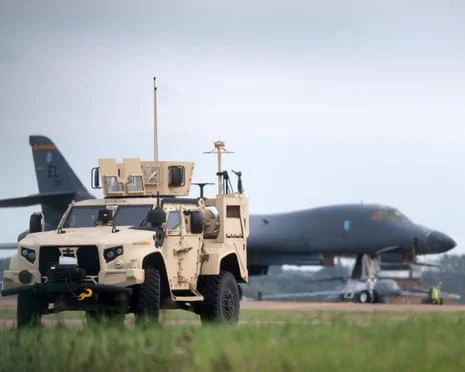
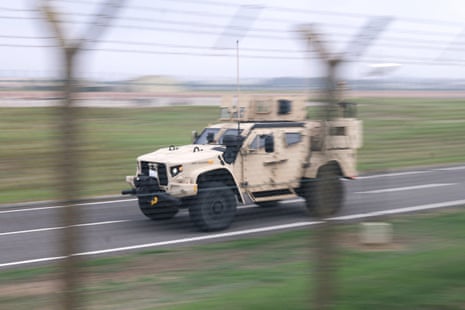
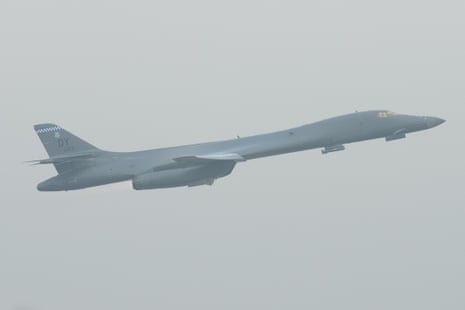
The geopolitical context of the incident is inextricably linked to the ongoing military escalations in the Middle East. RAF Fairford serves as the primary European operating base for United States Air Force strategic bombers, functioning essentially as an American installation operating on British sovereign territory. Following a policy shift earlier in the year, the UK government granted permission for the US military to utilize Fairford for specific defensive operations aimed at preemptively destroying Iranian missile systems at their source. Throughout the spring and summer months, strategic platforms such as the B-1B Lancer bomber have routinely launched from the Gloucestershire airfield to execute long-range missions. This operational posture has drawn repeated and explicit warnings from Tehran. On July 23, the Islamic Revolutionary Guard Corps (IRGC) issued an official statement declaring that any foreign or domestic military base utilized by the United States to conduct offensive operations against Iranian territory constitutes a "legitimate target." Despite these overt threats and historical intelligence suggesting Tehran’s increasing desire to project asymmetric operations onto Western soil, official representatives at the Iranian Embassy in London strongly rejected any insinuation connecting the Iranian state to the Whelford arrests, dismissing the speculation as unfounded.
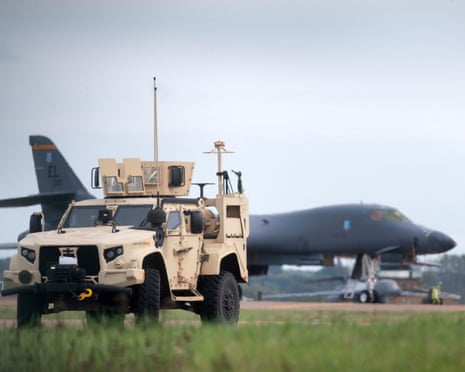
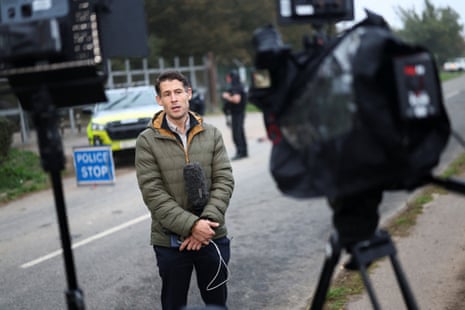
As the investigation enters its third day, the local community remains gripped by a mixture of anxiety and lingering skepticism. While the official police cordon has been scaled back to focus exclusively on the three contested vans, many residents have expressed reluctance to return to their normal routines. Speaking anonymously to broadcasters, local citizens noted that the heavy police presence, combined with strict directives to remain indoors and refrain from capturing photographic evidence, has created an atmosphere of profound unease. Despite the ongoing political crossfire between London and Washington, British counter-terrorism command has reiterated that investigators are keeping an open mind, weighing every potential angle, and working diligently to establish a definitive motive. With strategic bombers continuing to execute regular flight operations from the tarmac at RAF Fairford, the incident underscores the precarious security dynamics facing civilian populations residing adjacent to high-value military assets embroiled in international conflicts.