US Defense Secretary Pete Hegseth and members of his senior staff faced a sharp public rebuke from a sentinel guard at Arlington National Cemetery during Veterans Day commemorations, highlighting an awkward breach of protocol just days after surviving an intensive legislative challenge.
Video footage captured by the television network pool shows Hegseth posing for photographs with his team near the sacred Tomb of the Unknown Soldier. According to the broadcast records, several members of the defense chief’s entourage engaged in conversational chatter and laughter while standing within the hallowed perimeter. The behavior triggered an immediate intervention from the elite sentry standing guard, who publicly called out across the plaza: “All visitors will maintain an atmosphere of silence and respect at all times.”
The breach of decorum occurred as Hegseth was accompanied by high-ranking defense officials and family members, including his wife Jennifer, chief of staff Ricky Buria, deputy chief of staff Patrick Weaver, and senior adviser and deputy assistant Tami Radabaugh.

The incident unfolded against the backdrop of heightened national security and political tensions. Only a day earlier, House Republicans successfully neutralized an effort to impeach Hegseth over the authorization of military strikes in Iran executed earlier this year without explicit congressional approval. Despite the political survival of the defense chief, the visual of a Trump administration cabinet member being publicly upbraided by a military sentinel provided a stark juxtaposition to the solemnity of the national holiday.
Pentagon Defends the Sentinel’s Actions
In the wake of the public reprimand, the Department of Defense moved quickly to defuse potential fallout, issuing an official statement through a spokesperson praising the guard’s enforcement of cemetery protocols.
“The defense secretary and the entire Department of Defense have always honored — and will always honor — the sacrifices our military men and women have made to keep America safe,” the Pentagon spokesperson stated. “While commemorating this solemn day, a soldier correctly and respectfully reminded everyone to maintain decorum.”
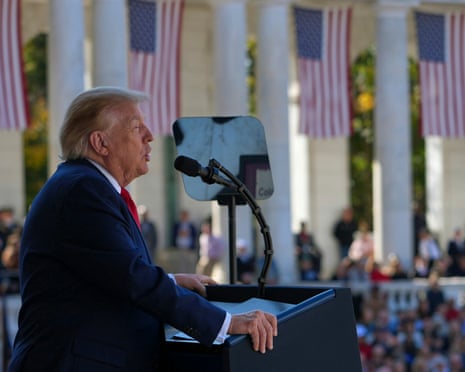
Arlington National Cemetery operates under strict regulations designed to preserve the sanctity of the grounds, where hundreds of thousands of American service members and veterans are interred. The Tomb of the Unknown Soldier, guarded continuously 24 hours a day since 1937, commands absolute silence and reverence from all civilian and military visitors. The swift intervention by the sentinel underscored the non-negotiable nature of these customs, even for cabinet-level officials.
A Week of High-Stakes Political Fallout
The cemetery incident came amid a tumultuous political week in Washington, dominated by the aftermath of the midterm elections, ongoing legislative battles, and a series of sharp disputes between the executive branch and congressional Democrats.
Just 24 hours prior to the Veterans Day observance, House Republicans blocked an impeachment resolution introduced by outgoing representative Thomas Massie. The measure aimed to remove Hegseth over alleged constitutional overreach regarding military actions in the Middle East. The resolution was ultimately deflected to the House Judiciary Committee by a 211-204 vote along largely party lines.
However, the path to blocking the impeachment was fraught with procedural drama. Eleven Democratic lawmakers missed the crucial vote due to severe Washington traffic congestion caused by a simultaneous motorcade and police escort. The absences drew intense internal criticism from party leaders, including House Minority Whip Katherine Clark, who reportedly told colleagues in a closed-door meeting that the missed votes had frustrated constituents. Freshman and incoming lawmakers, such as Michigan Senator-elect Abdul El-Sayed, publicly rebuked the absent legislators, urging them to prioritize their legislative responsibilities.
Simultaneously, the White House launched a pre-emptive offensive against incoming Democratic committee chairs. Will Scharf, the top lawyer for the White House, dispatched a sharply worded letter to Democratic Representative Robert Garcia, the incoming chair of the House Oversight Committee. Scharf threatened potential criminal investigations if upcoming congressional oversight inquiries are utilized purely to harass administration officials or verge into what the administration termed "blatant criminality." Garcia dismissed the warning as an unconstitutional attempt to shield the executive branch from legitimate legislative oversight.
Broader National Security and Administrative Pressures
The controversy at Arlington comes at a time of severe strain for senior national security leadership. Intelligence reports indicate that Iranian threats against top American officials have reached an advanced stage, prompting heightened security measures across Washington. Notably, US Treasury Secretary Scott Bessent recently relocated from his private residence to a heavily secured military base following credible threats against his life. Similar security escalations have affected other high-ranking officials, reflecting the deep geopolitical ripples of the ongoing military campaign in the Middle East.
Meanwhile, questions regarding executive travel expenditures have also added friction to the administration’s public relations efforts. An investigative report published by the Washington Post revealed that US Secretary of State Marco Rubio utilized military aircraft for over a dozen personal trips to Gainesville, Florida, to attend University of Florida football games where his son plays as a walk-on running back. Ethics watchdogs and congressional critics have questioned the propriety of the travel, which carries an estimated taxpayer cost exceeding $1.2 million based on Department of Defense flight rates.
Implications for the Administration
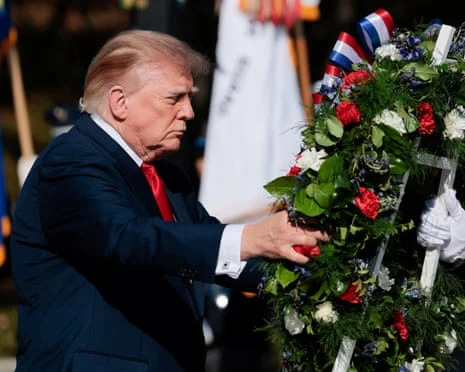
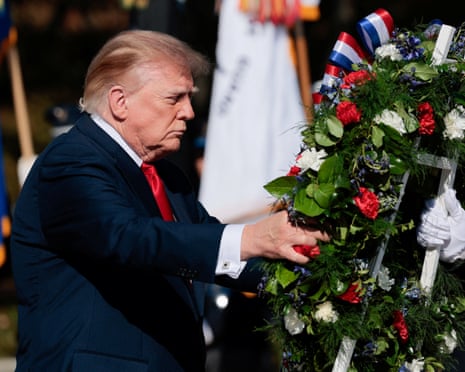
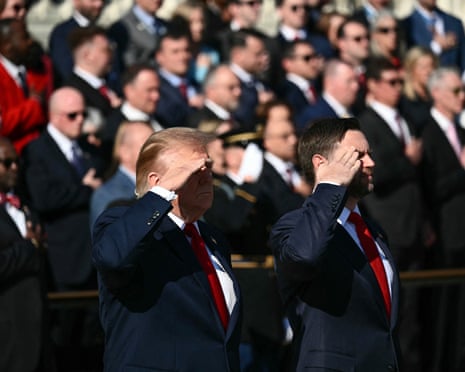
The convergence of the Arlington reprimand, the ongoing congressional investigations, and heightened security protocols illustrates the compounding challenges facing the administration as it navigates a divided capital. While President Donald Trump has offered robust public endorsements of Hegseth—praising his leadership during recent public addresses at the cemetery—the close-quarters scrutiny of cabinet behavior remains intense.
As the new congressional term approaches, the friction between the executive branch and Capitol Hill shows no signs of abating. The strict enforcement of discipline by an Arlington sentinel serves as a potent reminder of the persistent demand for institutional respect, even as political and ideological battles rage across the broader American landscape.