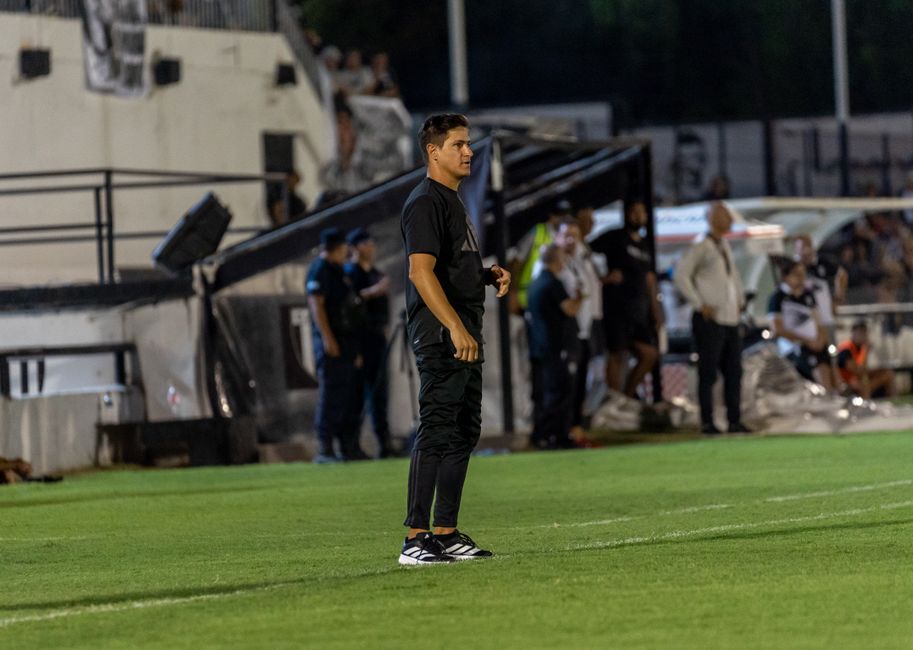
Gasperini Arrives: Roma Appoints Atalanta Tactician as New Manager
Roma’s pursuit of a transformative managerial appointment has concluded with the seismic news that Gian Piero Gasperini, the architect of Atalanta’s modern era, has been named the club’s new head coach. This move signals a significant shift in ambition and playing philosophy for the Giallorossi, as they seek to emulate the celebrated success Gasperini has orchestrated in Bergamo. The decision to entrust the reins to Gasperini, a coach renowned for his distinctive tactical nous and ability to cultivate high-performing teams from relatively modest resources, is a clear statement of intent from the Roman hierarchy. It suggests a departure from previous managerial approaches and an embrace of a more aggressive, possession-based, and strategically complex brand of football. The contract details, though not yet fully disclosed, are understood to be substantial, reflecting the club’s belief in Gasperini’s ability to deliver immediate and sustainable results. This appointment is not merely a managerial change; it represents a wholesale reorientation of Roma’s sporting project, with Gasperini positioned at its very epicenter.
Gasperini’s tenure at Atalanta, spanning from 2016 to the present day, is nothing short of a modern Serie A fairy tale. He inherited a club with potential but largely operating in the shadows of Italy’s traditional giants. Through astute recruitment, rigorous training, and an unwavering commitment to his tactical vision, he transformed them into a consistent force, regularly challenging for European qualification and even, at times, mounting improbable title challenges. His tactical system, often described as a 3-4-1-2 or a fluid variant thereof, prioritizes aggressive pressing, rapid transitions, and a dynamic interplay between attack and defense. The emphasis is on overwhelming opponents through organized chaos, with players encouraged to express themselves within a well-defined structure. This style has not only yielded impressive results but has also been lauded for its entertainment value, drawing praise from neutral observers and football purists alike. The sheer volume of goals scored by Atalanta under his guidance is a testament to his offensive prowess and his ability to unlock the attacking potential of his players.
The impact of Gasperini’s philosophy on individual player development has been particularly striking. He has a proven track record of identifying raw talent and refining it into world-class performers. Players like Alejandro Gómez, Josip Iličić, Duván Zapata, and a host of others have reached new heights under his tutelage, often exceeding expectations and commanding significant transfer fees. His coaching methodology involves intense tactical sessions, demanding physical conditioning, and a deep understanding of individual player strengths and weaknesses. He fosters an environment where players are encouraged to take calculated risks, to be brave on the ball, and to contribute defensively with equal ferocity. This holistic approach to player development, coupled with his tactical genius, has been the bedrock of Atalanta’s sustained success and is precisely what Roma will be hoping to replicate. The prospect of Gasperini working with Roma’s existing talent pool, and potentially with new acquisitions, is an exciting one for the club’s fanbase.
Roma, historically, has oscillated between periods of grandeur and periods of rebuilding. While the club boasts a rich history and a passionate following, sustained domestic and European dominance has been elusive in recent decades. The appointment of Gasperini represents a clear departure from managerial hires who have often been tasked with steadying the ship or implementing more conservative strategies. Instead, the club seems to be prioritizing a coach who can impose a distinct identity and drive forward with ambition. This alignment of ambition between the club and the manager is crucial for long-term success. Gasperini’s known commitment to his project and his willingness to challenge established norms make him an ideal candidate for a club that has, at times, been criticized for a perceived lack of clear direction. The ownership’s investment in securing his services signals a commitment to providing him with the necessary resources to implement his vision.
The tactical implications of Gasperini’s arrival at Roma are profound. His signature 3-4-1-2 formation, while requiring specific player profiles, offers a wealth of attacking options. The wing-backs are crucial to his system, expected to provide width, deliver crosses, and track back diligently. The midfield partnership, often dynamic and combative, is responsible for both initiating attacks and stifling opposition play. The attacking midfielders and strikers are encouraged to interchange positions, create overloads, and press with intensity. Adapting this system to Roma’s current squad will be Gasperini’s immediate challenge, but his past successes suggest he is more than capable of making intelligent adjustments. Players like Paulo Dybala, if he can maintain his fitness and commitment, could thrive in a more fluid attacking role, while the defensive solidity will depend on the recruitment and development of suitable center-backs and a robust midfield.
The departure of former managers often involved questions of tactical rigidity or an inability to adapt. Gasperini, in contrast, is known for his flexibility within his overarching system. While the 3-4-1-2 is his common framework, he has shown an ability to adapt personnel and nuances to exploit specific opponent weaknesses. This adaptability, combined with his unwavering belief in his core principles, makes him a formidable tactical opponent. His teams are notoriously difficult to play against, characterized by their high work rate, intelligent pressing triggers, and well-drilled defensive organization. The transition to a new league, Serie A, but with different opponents and tactical approaches, will be a test. However, Gasperini has proven his ability to succeed against the best in Italy, and the competitive landscape of Serie A is one he knows intimately.
Key to Gasperini’s success has been his ability to foster a strong team spirit and a collective identity. His players are known to fight for each other and for the manager, a crucial ingredient for any successful team. This level of commitment is often cultivated through intense training regimes, clear communication, and a shared vision. The atmosphere within the dressing room is paramount, and Gasperini has a reputation for demanding discipline and dedication while also building strong relationships with his players. For Roma, a club that has sometimes grappled with internal disharmony, this aspect of Gasperini’s management could prove to be a significant positive influence.
The transfer market will undoubtedly be a focal point for Gasperini’s Roma. While he has demonstrated an exceptional ability to unearth gems, strategic recruitment will be essential to implement his preferred system effectively. Identifying players who fit his tactical profile, possess the required technical and physical attributes, and are willing to embrace his demanding style will be paramount. Areas such as defensive depth, dynamic midfield options, and potent attacking partnerships will likely be priorities. The club’s financial commitment to Gasperini’s project will be reflected in their willingness to back him in the transfer market, enabling him to shape the squad according to his vision. This could lead to a period of significant squad turnover as Gasperini looks to build a team in his own image.
The fan reaction to Gasperini’s appointment has been largely positive, tinged with cautious optimism. The Serie A purists recognize his tactical genius and his ability to elevate teams. The Roma faithful, yearning for a return to consistent success and an exciting brand of football, see in Gasperini the potential for a new era. The challenge now lies in translating this potential into tangible results on the pitch. The pressure will be immense, as it always is at a club of Roma’s stature. However, Gasperini has a history of thriving under pressure, consistently delivering performances that have exceeded expectations.
The broader implications of this appointment extend beyond Roma. Gasperini’s success at Atalanta has already influenced tactical trends in Serie A and beyond. His arrival at a club with the global profile of Roma could further amplify these trends, encouraging more clubs to adopt similar, attacking-minded philosophies. It signals a continued evolution in football tactics, with an increasing emphasis on proactive, possession-based football, intelligent pressing, and fluid attacking movements. Roma, under Gasperini, is poised to be a leading example of this modern footballing paradigm.
The immediate focus for Gasperini will be on integrating himself with his new squad, understanding their strengths and weaknesses, and beginning to implement his tactical principles. Pre-season training will be crucial, providing him with an extended period to work with the players on the training ground. The opening weeks of the Serie A season will offer the first real indication of how effectively he can translate his vision into competitive performances. The expectations are high, and the challenge is significant, but the appointment of Gian Piero Gasperini marks a bold and exciting new chapter for AS Roma, one that promises to be defined by tactical innovation, attacking flair, and a renewed pursuit of glory. This is a gamble, but one that, if successful, could redefine Roma’s place in Italian and European football for years to come. The era of Gasperini has begun, and the football world will be watching with keen interest.
