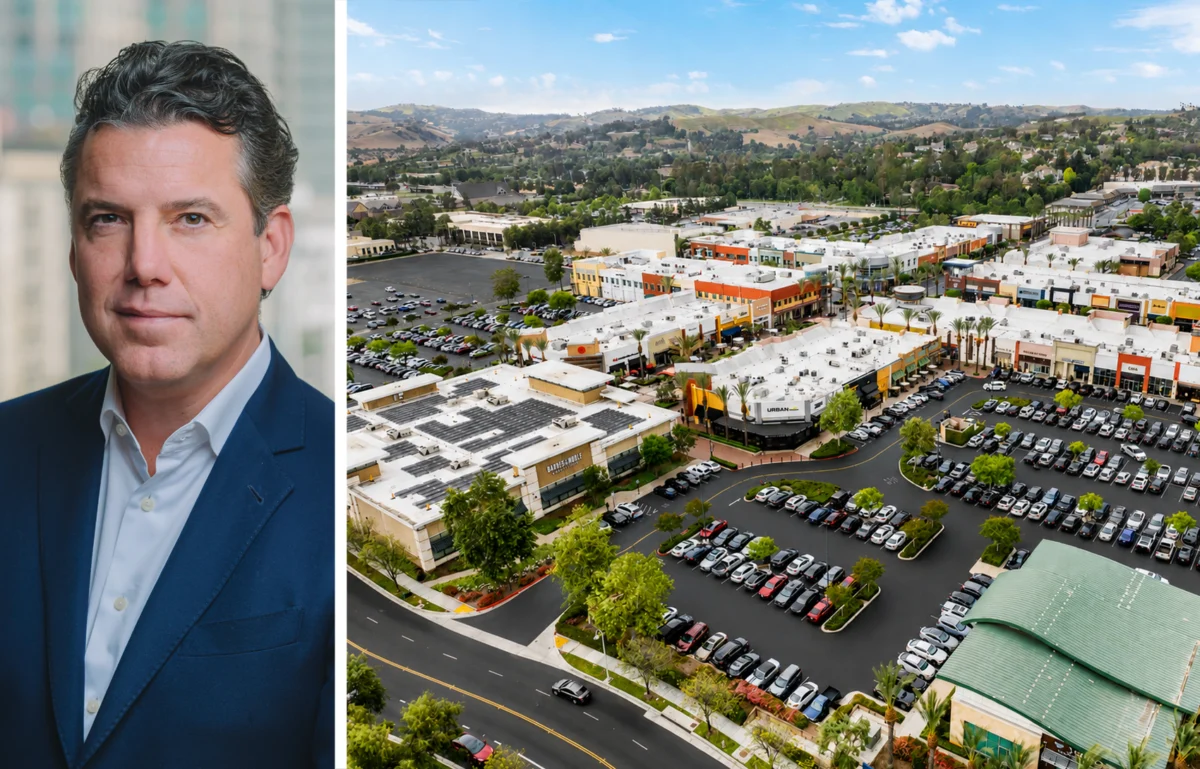
The commercial real estate sector in Southern California has witnessed a significant transaction signaling renewed institutional appetite for high-quality, open-air retail assets. Los Angeles-based private equity firm Stockdale Capital Partners, in partnership with investment funds managed by the Pennsylvania-based asset management firm Hamilton Lane, has finalized the acquisition of the Shoppes at Chino Hills. The $157 million deal secures a prominent 378,140-square-foot lifestyle center located at 13920 City Center Drive in the heart of Chino Hills, California. This acquisition marks a strategic move by the joint venture to capitalize on the increasing consumer demand for "Main Street" style shopping environments in supply-constrained suburban markets.
Transaction Overview and Asset Profile
The Shoppes at Chino Hills, which occupies a sprawling 25-acre site, has served as a retail anchor for the surrounding Inland Empire community since its initial development in 2008. The property is currently anchored by prominent national tenants, including Trader Joe’s and Barnes & Noble. Beyond these core anchors, the center hosts a diverse mix of national apparel retailers, casual and fine-dining establishments, and experiential service providers. According to demographic data provided by the buyers, the center is positioned to capture a captive audience of more than 300,000 residents living within a five-mile radius—a density that provides a strong baseline for long-term revenue stability.
While the purchasing parties have opted not to disclose the specific occupancy rates at the time of closing, the acquisition is framed as a value-add opportunity. Stockdale Capital Partners has already announced plans to initiate a comprehensive rebranding effort, which includes officially renaming the property to "The Shops at Chino Hills." This rebranding is expected to be accompanied by a rigorous remerchandising strategy designed to optimize the tenant mix and introduce lifestyle-oriented brands that the firm believes are currently underrepresented in the Chino Hills trade area.
Strategic Rationale and Market Context
The acquisition of this lifestyle center occurs at a pivotal moment in the evolution of the retail real estate market. Following several years of skepticism regarding the viability of brick-and-mortar retail in the face of e-commerce expansion, investor sentiment has undergone a notable shift. Institutional capital is increasingly flowing back into open-air shopping centers that offer experiential components, high-quality dining, and grocery anchors—elements that are generally resistant to digital disruption.
Bastian Peters, who co-heads the retail platform at Stockdale Capital Partners alongside Jeff Bhathal, highlighted the unique nature of the asset in a formal statement. "The Shoppes at Chino Hills represents an opportunity to acquire a true ‘Main Street’ retail environment in one of Southern California’s most desirable and supply-constrained submarkets," Peters noted. The scarcity of available land for new retail development in Chino Hills serves as a significant competitive advantage for existing properties, effectively creating a barrier to entry for potential new competitors.
Scott Davies, co-head of real estate at Hamilton Lane, echoed these sentiments, emphasizing that the investment thesis relies on the fundamental disconnect between supply and demand. "The combination of limited supply and strong demand from both consumers and retailers helped make the asset more attractive," Davies explained. For investors like Hamilton Lane, the property represents a stable cash-flow vehicle backed by a high-barrier-to-entry location.
Chronology of the Shoppes at Chino Hills
The development of the Shoppes at Chino Hills was part of a wave of "lifestyle center" construction that took hold in the late 2000s, aimed at creating town-center-style experiences that contrasted with traditional indoor malls.
- 2008: The property was completed and opened to the public, offering a pedestrian-friendly layout that prioritized social engagement alongside traditional commerce.
- 2008–2020: The center established itself as the primary retail hub for Chino Hills, weathering the economic shifts of the post-recession era by maintaining a robust mix of necessity-based and luxury-leaning retailers.
- 2023–2024: Market analysts noted an uptick in interest from private equity firms looking to acquire high-performing retail assets in the Inland Empire, as remote work trends encouraged consumers to shop closer to home.
- Late 2025: Negotiations between the sellers and the Stockdale-Hamilton Lane partnership reached a conclusion, resulting in the $157 million transaction.
- 2026 and Beyond: The new owners have committed to a multi-phase renovation and remerchandising program intended to reposition the center for the next decade of retail trends.
The Role of CBRE in Facilitating the Deal
The listing for the property was managed by a team from the global commercial real estate services firm CBRE. The team, led by Jimmy Slusher, Mark Damiani, James Tyrrell, and Shaya Northrup, played a critical role in navigating the complexities of the sale. The involvement of such a high-profile brokerage team underscores the significance of the transaction, which is considered one of the larger retail deals in the region for the current fiscal cycle.
Implications for the Inland Empire Retail Landscape
The Inland Empire, which encompasses Riverside and San Bernardino counties, has historically served as a critical logistics and distribution hub. However, as the population in these counties has ballooned, the local retail sector has been forced to mature. The Shoppes at Chino Hills acts as a benchmark for this maturation. By investing heavily in a repositioning strategy, Stockdale Capital Partners is signaling a belief that the Inland Empire’s suburban population has reached a level of affluence and density that justifies "Class A" retail investment.
The shift toward "experiential retail"—where the focus is on dining, health and wellness, and social interaction rather than just the exchange of goods—is a direct response to the convenience-first nature of online shopping. By curating a tenant roster that offers services and experiences that cannot be replicated on a digital platform, the new owners aim to increase "dwell time," or the amount of time a shopper spends on the property, which is a key metric for retail success.
Future Outlook for Stockdale Capital Partners
For Stockdale Capital Partners, this acquisition is an extension of a broader, aggressive expansion of its retail platform. The firm, which manages more than $3 billion in assets across diverse sectors such as multifamily, hospitality, healthcare, and office, has recently pivoted toward a specialized retail strategy. This strategy focuses on acquiring assets where "repositioning, lease-up, and experiential upgrades" can drive significant net operating income (NOI) growth.
The company’s ability to secure large-scale retail assets in Southern California demonstrates a high level of liquidity and a firm belief that the retail sector has stabilized. With rising interest rates and fluctuating economic indicators, the firm’s focus on "supply-constrained" markets serves as a hedge against volatility. By targeting areas where it is nearly impossible to build new competing retail centers, Stockdale is insulating its investment from the threat of oversupply.
Broader Impact on the Commercial Real Estate Market
The $157 million price tag for the Shoppes at Chino Hills serves as a data point for other institutional investors evaluating the health of the retail sector. While office real estate continues to face headwinds due to the long-term impact of remote work, retail centers located in high-density, affluent suburbs are seeing a resurgence in valuation.
Analysts observe that the "Main Street" model, characterized by wide sidewalks, outdoor seating, and convenient parking, has proven more resilient than the enclosed shopping mall model. As developers continue to face challenges regarding construction costs and financing for new builds, the strategy of acquiring existing, well-located centers and upgrading them—known in the industry as "repositioning"—is becoming the preferred path for capital deployment.
In conclusion, the acquisition of the Shoppes at Chino Hills by Stockdale Capital Partners and Hamilton Lane is more than a simple change of ownership. It represents a calculated bet on the endurance of the suburban retail experience and the specific economic vitality of the Inland Empire. Through a combination of strategic rebranding, a focus on experiential retail, and the inherent value of a limited-supply submarket, the new owners are positioning the property to remain a central pillar of the Chino Hills community for years to come. The industry will be watching closely to see how the planned remerchandising efforts influence the center’s performance in the coming quarters.