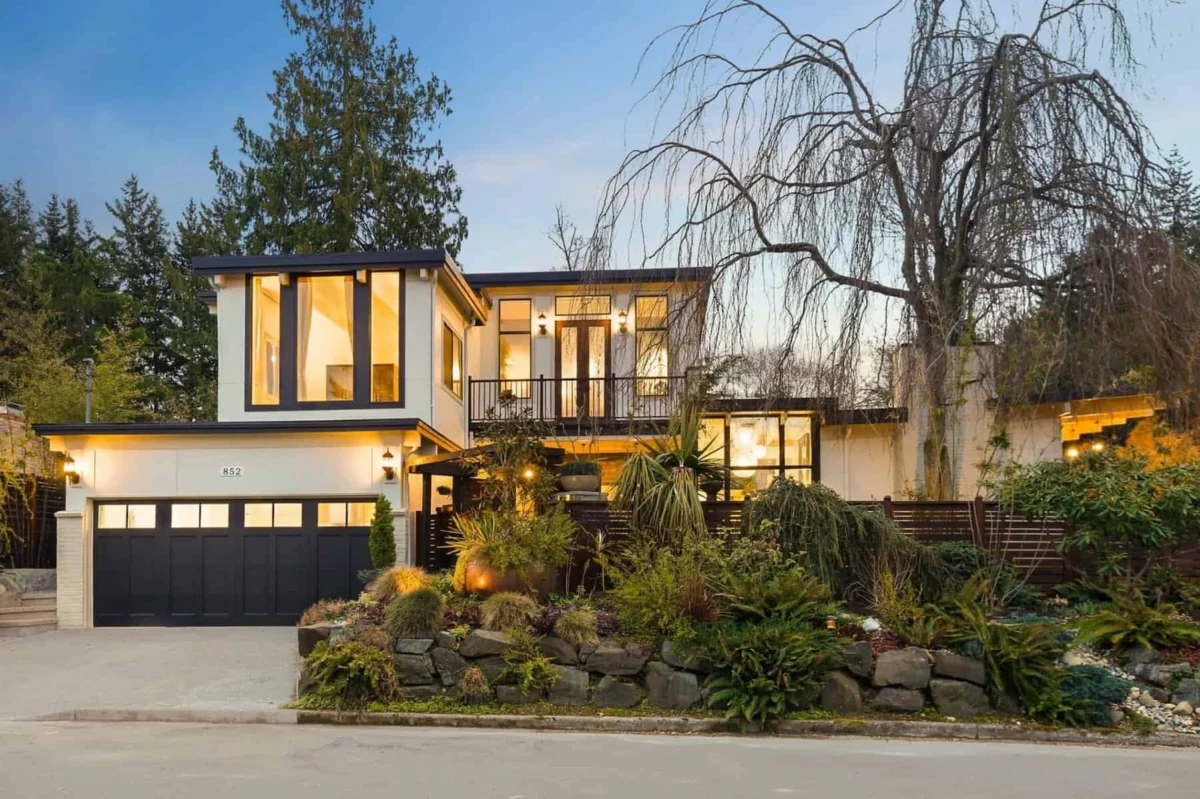
Millennials remain a foundational pillar of the American housing market, continuing to drive demand, shape inventory trends, and influence how residential properties are marketed and sold. According to recent data analyzing generational demographics and purchasing behavior, the homeownership rate among millennials reached 55.4% in 2025. Furthermore, individuals aged 30 to 39 accounted for 26% of all residential home purchases across the United States—representing the largest share of any demographic cohort analyzed in national real estate reports. As this generation matures into the peak of its prime earning and family-forming years, understanding their unique housing preferences, financial constraints, and lifestyle priorities has become essential for residential real estate sellers, developers, and agents nationwide.
Whether a property is a high-rise condominium in Denver, Colorado, a historic bungalow in Raleigh, North Carolina, or a modern townhouse in Austin, Texas, sellers encounter a remarkably consistent set of core buyer priorities. Contemporary millennial purchasers overwhelmingly gravitate toward homes that are in move-in-ready condition, feature adaptable layouts that support modern lifestyles, rely on high-impact visual media for initial discovery, and occupy locations offering robust neighborhood amenities and daily conveniences.
The Evolution of Millennial Housing Demand
To understand the current housing preferences of millennials, real estate analysts look at the macroeconomic and cultural landscape that shaped this demographic. Reaching adulthood during or immediately after the Great Recession of 2008, and subsequently entering their prime home-buying years during a period characterized by elevated inflation, fluctuating mortgage interest rates, and high home prices, millennials approach real estate purchases with a high degree of financial pragmatism. Having grown up alongside the rise of digital media, HGTV, and curated design platforms, their aesthetic expectations are sophisticated, yet their purchasing power is frequently constrained by the broader cost-of-living crisis.
Industry experts note that because many millennials purchase homes near the upper limit of their approved budgets, they retain minimal disposable capital for post-purchase renovations, major cosmetic overhauls, or extensive furniture acquisition. Consequently, properties that require immediate repairs or aesthetic updates often face steep resistance in the marketplace. Conversely, homes that present a polished, updated, and functional appearance from the moment they are listed command significant competitive advantages, frequently securing higher offers and shorter days on market.
Key Priorities of Millennial Homebuyers
Real estate professionals operating across diverse regional markets report that millennial buyers evaluate prospective properties through a specialized lens that prioritizes operational efficiency, low-maintenance living, and seamless integration with hybrid or remote work environments.
- The Crucial Importance of Move-In-Ready Conditions
For millennial buyers, a move-in-ready designation is rarely a secondary preference; it is frequently a non-negotiable prerequisite. Mitchell Bage, Creative Director at Maison de Campagne, highlights the psychological and financial factors driving this trend. "Millennials grew up with HGTV, design-focused social media, and curated interiors, elevating their expectations of how a home should look and feel," Bage explains. "Higher home prices and cost of living mean these buyers purchase near the top of their budget, leaving less income for renovations, furnishings, or cosmetic updates. A home that feels polished, current, and move-in ready carries tremendous value."
Effective home staging tailored to this demographic focuses on clean, approachable design, intentional furniture placement, and updated yet timeless styling. By eliminating clutter and emphasizing spatial functionality, staging fosters an immediate emotional connection, enabling prospective buyers to visualize their daily routines unfolding within the space.
- Flexible and Functional Living Spaces
The post-pandemic shift toward remote and hybrid employment models has fundamentally altered residential architecture and staging strategies. Clay Edwards of Aspect Staging points out that a common pitfall for sellers is misjudging spatial layout. "One of the biggest staging mistakes sellers make when trying to appeal to millennial buyers is overfilling the home with furniture or overly traditional decor, which can make spaces feel smaller and dated," Edwards notes. "A cleaner, more flexible layout with defined work-from-home space, good natural light, and modern, neutral styling tends to have a much stronger impact."
Dedicated home office spaces, multifunctional bonus rooms, or well-lit architectural alcoves that can accommodate professional remote work equipment serve as powerful differentiators in competitive housing submarkets. Conversely, unutilized square footage, poorly defined rooms, or overly compartmentalized floor plans can deter buyers who require adaptability.
- Digital-First Discovery and Visual Media Standards
Given that the vast majority of millennial home searches begin online, the quality, sequence, and format of listing media directly dictate buyer engagement. Matt Riley, owner of First View Photography in New Jersey, compares the digital home-search process to modern online dating behavior. "People look for homes the same way they look for dates online; if the first few photos or pieces of media don’t grab their attention, they quickly swipe to the next one," Riley observes. "Once you pull them in, you must keep them engaged; this starts with the order of the photos. No one needs to see a photo of an unfinished basement sandwiched between a great living room and kitchen photos."
In addition to professional photography, video walkthroughs and aerial drone footage have become instrumental tools. Darin Fritz of D2Lifephotography in Fayetteville, North Carolina, emphasizes the role of social media platforms in real estate marketing. "Social media has changed the way we capture a buyer’s attention," Fritz states. "Millennial buyers consume information through video on social media to discover and learn about things that interest them. Drone footage and video walkthroughs work well because they show more than photos alone. Buyers get a better sense of the layout, room flow, property, and surrounding area."
-
Durable Materials and Low-Maintenance Upgrades
Because time is at a premium for young professionals and growing families, durability and ease of upkeep rank highly among millennial housing criteria. Kitchens and bathrooms—the two primary zones influencing overall property valuation—benefit heavily from strategic, modern updates. Homeowners frequently focus on hard-wearing, visually appealing surfaces such as quartz countertops, modern cabinetry hardware, luxury vinyl plank or hardwood flooring, and energy-efficient fixtures. These improvements signal to prospective buyers that the home is structurally and functionally sound, reducing the likelihood of unexpected maintenance expenditures shortly after closing. -
Intelligent Integration of Smart Home Technology
As a generation that has integrated connected technology into daily routines, millennials view smart home automation as a practical asset rather than a novelty. However, preference heavily favors unified systems over fragmented collections of standalone gadgets. Properties equipped with programmable smart thermostats, integrated home security systems, smart lighting, and automated keyless entry systems often secure a competitive edge, provided these technologies operate seamlessly within a single, user-friendly ecosystem. -
Neighborhood Walkability and Local Lifestyle Amenities
Property evaluation for millennial buyers extends far beyond the physical boundaries of the lot line. The surrounding neighborhood’s infrastructure, character, and proximity to cultural and commercial amenities carry substantial decision-making weight. Ryan Fitzgerald of Raleigh Realty notes that when comparable properties match in price and square footage, neighborhood convenience frequently acts as the deciding factor. "When comparable homes check the same boxes, the neighborhood’s everyday convenience can be the deciding factor for millennial buyers," Fitzgerald explains. "Walkable coffee shops and restaurants, access to parks and greenways, and places to meet neighbors help buyers picture a life beyond the property itself." Highlighting localized Walk Scores, public transit access, and neighborhood infrastructure in real estate listings helps align the property directly with the lifestyle expectations of contemporary buyers.
Broader Economic Implications and Market Outlook
The dominant market presence of millennial homebuyers continues to exert broad structural pressures across the U.S. real estate sector. As this demographic represents more than a quarter of all national home purchases, residential developers, institutional investors, and individual sellers alike are forced to adapt marketing and construction paradigms to match these preferences. Properties lacking modern updates, energy-efficient systems, or digital marketing profiles face extended listing durations and required price adjustments.
Ultimately, capturing the attention of the modern millennial homebuyer requires a targeted approach centered on transparency, visual excellence, functional design, and practical convenience. Sellers who prioritize high-impact cosmetic enhancements, professional digital media staging, and clear communication of neighborhood advantages are positioned to maximize property value and successfully navigate an increasingly competitive housing landscape.