The upcoming conference hosted by the Children’s Health Defense (CHD), an organization long associated with skepticism toward standard immunization protocols, has drawn significant public attention due to its star-studded lineup of political figures and activists. Billed as a “pursuit of a more perfect future,” the gathering is designed to explore the current landscape for what organizers term the “health freedom movement.” With the event scheduled for September 17, preceded by an opening reception, the conference serves as a focal point for ongoing national debates regarding public health policy, vaccine mandates, and the influence of private advocacy groups on government regulatory bodies.
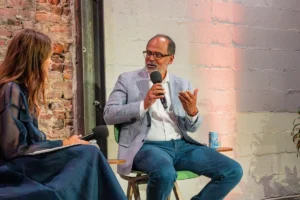
The event’s prominence is underscored by its roster of speakers, which includes influential political figures such as Sen. Ron Johnson (R-Wisc.) and Sen. Rand Paul (R-Ky.), both of whom have frequently challenged mainstream medical consensus regarding vaccine safety and efficacy. Joining them on the agenda are Mark Gorton, president of the MAHA Institute—an organization with deep ties to Robert F. Kennedy Jr.—and Jan Jekielek, a senior editor at the Epoch Times. The presence of these individuals, alongside CHD staff including CEO Mary Holland, highlights a convergence between political conservatism and anti-vaccine activism that has gained momentum over the last several years.
A Chronology of Ideological Realignment
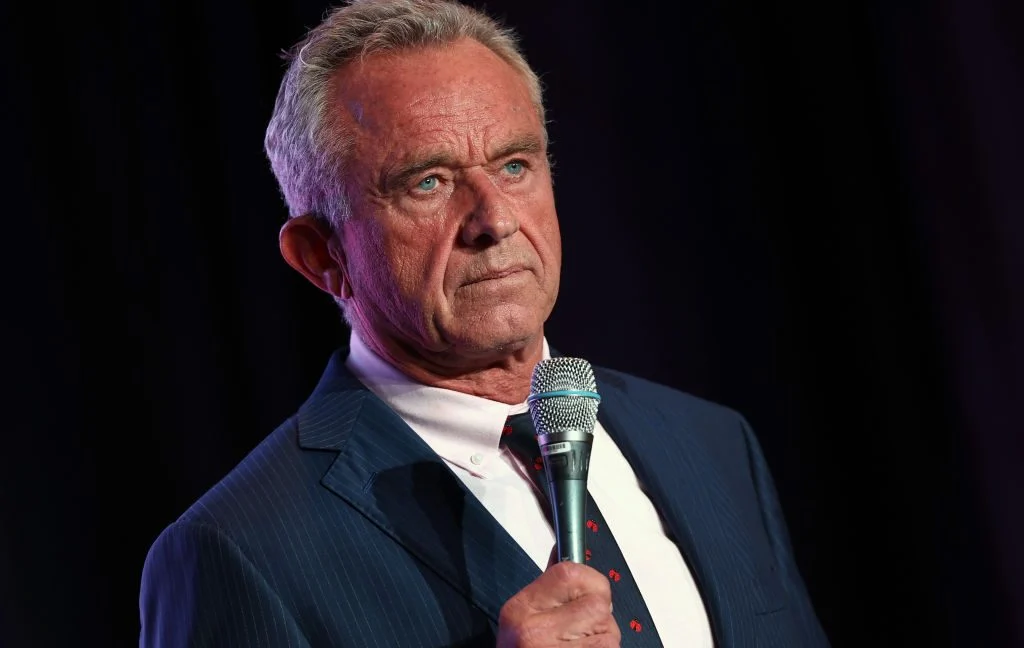
The involvement of Robert F. Kennedy Jr. remains the most contentious aspect of the upcoming event. Kennedy, who formally severed his professional ties with the CHD upon assuming his role as a government health secretary in early 2025, has spent much of his tenure attempting to navigate a delicate political tightrope. During his Senate confirmation hearings, Kennedy famously declared himself “pro-vaccine,” a pivot that surprised many observers given his decades-long career as one of the country’s most prominent anti-vaccine activists.
However, the decision to headline this specific conference suggests a return to his ideological roots. This move follows reports that President Donald Trump has expressed frustration regarding the pace of administrative changes within health agencies, specifically citing a desire for more aggressive investigations into debunked theories, such as the persistent claim that vaccines are linked to autism. For observers of public health policy, Kennedy’s participation in the CHD event is seen as a signal that the administration’s health agenda may be shifting toward a more confrontational stance against established scientific institutions.
Market Demand and Organizational Growth
The logistical details of the conference offer a window into the financial and organizational health of the anti-vaccine advocacy sector. Despite the controversial nature of the event, demand for in-person attendance has been robust. According to the organization’s official website, the $250 general admission tickets have completely sold out. To accommodate the overflow of interest, organizers have opened up limited seating areas within the main conference room for $125, while also offering global digital access via a $100 livestream pass.
This monetization model reflects the broader growth of the CHD, which has evolved from a niche advocacy group into a well-funded organization with significant reach. Through digital media, litigation, and now high-profile public events, the organization has effectively leveraged a mix of social media engagement and political lobbying to influence public perception. Data from public health tracking agencies indicate that while the overwhelming majority of American medical professionals continue to advocate for standard vaccination schedules, the “health freedom” movement has successfully carved out a platform that challenges the traditional gatekeepers of public health communication.
Scientific Consensus vs. Advocacy Claims
The central tension of the conference lies in the stark divide between the claims of the speakers and the consensus maintained by global health authorities, including the Centers for Disease Control and Prevention (CDC), the World Health Organization (WHO), and the American Academy of Pediatrics. The scientific literature consistently demonstrates that vaccines are safe, effective, and essential for the eradication of preventable diseases. Extensive studies, including large-scale longitudinal research conducted over several decades, have repeatedly found no causal link between vaccines and autism spectrum disorders.
The rhetoric employed by speakers at the CHD event often focuses on "vaccine injury" and "bodily autonomy." While these terms are framed as civil liberties concerns, public health experts argue that they serve to undermine public confidence in medical infrastructure. The risk, according to epidemiologists, is that sustained campaigns against immunization programs lead to lower vaccination rates, which historically results in the resurgence of diseases that were previously under control, such as measles and polio.
Political Implications and Regulatory Challenges
The intersection of political power and anti-vaccine advocacy creates significant challenges for federal regulatory agencies like the Food and Drug Administration (FDA) and the CDC. When high-ranking officials or prominent legislators lend their credibility to conferences that prioritize skepticism over evidence-based science, it can complicate the messaging provided by career scientists and public health officials.
Analysts note that the current political climate has allowed for a "democratization" of health information that does not always distinguish between peer-reviewed science and anecdotal evidence. For the current administration, the challenge lies in balancing political loyalty to base voters—who may be sympathetic to the “health freedom” narrative—with the constitutional and statutory mandate to protect the public health of the nation. The pressure reported from the White House to find a link between vaccines and autism suggests that the coming months will be defined by a tug-of-war between administrative directives and the rigorous requirements of scientific integrity.
Public Reaction and Expert Analysis
The medical community has reacted to the announcement of the conference with a mixture of concern and resignation. Many physicians have pointed out that the normalization of anti-vaccine rhetoric at the highest levels of government could lead to a long-term erosion of trust in the healthcare system. “The primary concern is not just the content of a single conference, but the institutionalization of misinformation,” said one public health policy analyst. “When government leaders participate in events that promote discredited theories, it makes the job of frontline medical workers exponentially more difficult.”
Conversely, proponents of the event argue that the current system is overly bureaucratic and that the “health freedom movement” is merely asking necessary questions about industry transparency and vaccine safety. They maintain that the conference is a vital space for citizens to voice concerns that are often ignored by mainstream media outlets and government bodies.
Looking Ahead: The Future of Health Policy
As the September 17 date approaches, the conference will likely serve as a litmus test for the strength and direction of the movement. Whether the event results in concrete policy shifts or remains primarily a symbolic rallying point remains to be seen. However, its existence is a clear indicator that the debate over the role of the government in health outcomes is far from settled.
For the scientific community, the focus remains on continuing to provide clear, accessible data while attempting to address the underlying anxieties that fuel vaccine skepticism. For the political world, the conference represents a high-stakes calculation regarding the influence of populism on public health. As the administration continues to navigate these waters, the actions of officials like Kennedy—who occupy a space between traditional government roles and grassroots activism—will remain a primary area of focus for journalists, researchers, and the general public alike.
Ultimately, the CHD conference is more than just an assembly of speakers; it is a manifestation of the current American cultural divide regarding expertise, authority, and the fundamental definition of public health. As the event unfolds, it will provide further clarity on how these ideological shifts are being translated into political reality and what they might mean for the future of national health infrastructure.