Tag Energy Reforms: Navigating the Evolving Landscape of Energy Regulation and Market Dynamics
Tag energy reforms represent a multifaceted and dynamic area of policy and market evolution, driven by a confluence of technological advancements, environmental imperatives, and economic considerations. These reforms encompass a broad spectrum of changes, from the deregulation and restructuring of energy markets to the integration of renewable energy sources, the modernization of grid infrastructure, and the implementation of new pricing mechanisms. Understanding the nuances of tag energy reforms is crucial for utilities, consumers, investors, and policymakers alike, as they fundamentally reshape how energy is generated, distributed, and consumed. The primary impetus behind these reforms often stems from a desire to increase efficiency, foster competition, promote innovation, and address the pressing challenges of climate change. Historically, energy sectors were largely characterized by vertically integrated monopolies, with a single entity controlling generation, transmission, and distribution. However, the pursuit of greater market efficiency and customer choice has led to a gradual shift towards unbundling these services and introducing competitive dynamics into generation and, in some cases, retail supply. This deregulation, a core component of many tag energy reforms, aims to lower prices through competition and spur innovation in service offerings.
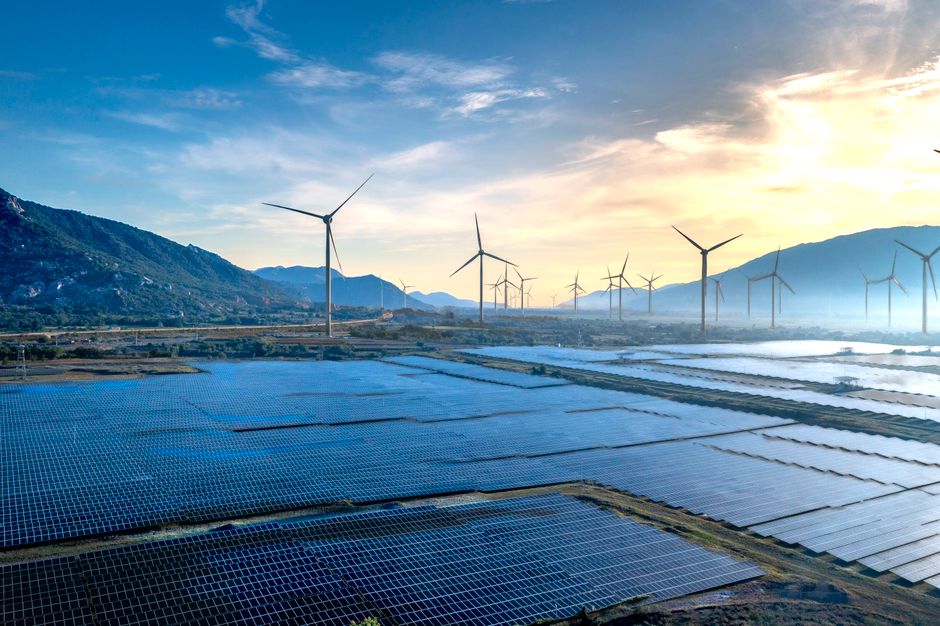
A significant driver of tag energy reforms is the accelerating transition towards cleaner energy sources. The imperative to decarbonize the energy sector, spurred by global climate change agreements and growing public awareness, necessitates a fundamental overhaul of existing generation portfolios. This involves incentivizing and facilitating the deployment of renewable energy technologies such as solar, wind, and geothermal power. Reforms in this domain often include the establishment of renewable portfolio standards (RPS), which mandate that a certain percentage of electricity sold must come from renewable sources. Additionally, policies such as tax credits, feed-in tariffs, and renewable energy certificates (RECs) are implemented to make renewable energy projects more financially viable and attractive to investors. The integration of these intermittent renewable sources into the grid presents unique challenges, requiring substantial investments in grid modernization, energy storage solutions, and sophisticated grid management systems to ensure reliability and stability.
The modernization of energy infrastructure is another critical pillar of tag energy reforms. The existing grid, largely built decades ago, is often ill-equipped to handle the complexities of a 21st-century energy system characterized by distributed generation, bidirectional power flow, and fluctuating demand. Reforms in this area focus on developing "smart grids" – advanced electrical grids that use information and communication technology to gather and act on information about the behavior of suppliers and consumers in order to improve the efficiency, reliability, economics, and sustainability of the system. This includes deploying smart meters, which provide real-time data on energy consumption, enabling dynamic pricing and empowering consumers to manage their usage more effectively. It also involves upgrading transmission and distribution networks to accommodate the influx of distributed energy resources (DERs) and enhancing cybersecurity to protect critical energy infrastructure from potential threats. The deployment of advanced sensing, communication, and control technologies allows for better monitoring, fault detection, and self-healing capabilities within the grid.
Pricing mechanisms are undergoing significant reform as part of broader tag energy initiatives. Traditional flat-rate pricing models, where consumers pay a fixed rate per kilowatt-hour regardless of the time of day or demand, are increasingly being replaced by more sophisticated approaches. Time-of-use (TOU) rates, for example, charge higher prices during peak demand periods and lower prices during off-peak hours, encouraging consumers to shift their energy consumption to less congested times. Demand response programs, which incentivize consumers to reduce their electricity usage during critical peak periods in exchange for financial rewards, are also becoming more prevalent. These reforms aim to better reflect the true cost of electricity generation and delivery, which varies significantly depending on real-time supply and demand conditions. Furthermore, the development of wholesale electricity markets with granular pricing, often based on locational marginal pricing (LMP), helps to ensure that energy is dispatched from the most efficient and cost-effective resources at any given moment.
The regulatory frameworks governing energy markets are also subject to ongoing tag energy reforms. This includes the evolution of market rules, the oversight of market participants, and the establishment of mechanisms for dispute resolution. Regulatory bodies play a crucial role in ensuring fair competition, protecting consumer interests, and maintaining grid reliability during these periods of transformation. Reforms may involve adjusting market design to accommodate new technologies and business models, such as virtual power plants (VPPs) and peer-to-peer energy trading. The increasing complexity of these markets necessitates adaptive and forward-looking regulatory approaches. International cooperation and the harmonization of regulations across different jurisdictions can also be important aspects of tag energy reforms, particularly in regions with interconnected energy systems.
The role of energy storage is intrinsically linked to tag energy reforms. As the penetration of intermittent renewable energy sources increases, the need for effective energy storage solutions becomes paramount to ensure grid stability and reliability. Reforms are actively promoting the development and deployment of various storage technologies, including batteries (lithium-ion, flow batteries), pumped hydro storage, and compressed air energy storage. These technologies can store excess renewable energy generated during periods of high production and discharge it when demand is high or renewable generation is low. This not only enhances grid flexibility but also reduces reliance on fossil fuel-based peaker plants, which are often expensive and polluting. Policy mechanisms like investment tax credits for storage, market rules that value storage services, and demonstration projects are all contributing to the growth of the energy storage sector as a vital component of modern energy systems.
Decentralization and distributed energy resources (DERs) are increasingly shaping tag energy reforms. Instead of relying solely on large, centralized power plants, the energy landscape is evolving to incorporate a multitude of smaller, distributed energy sources located closer to the point of consumption. This includes rooftop solar panels on homes and businesses, community solar projects, and behind-the-meter energy storage systems. Reforms are focused on enabling the seamless integration of these DERs into the grid, often through net metering policies, interconnection standards, and participation rules in wholesale and retail markets. This decentralization can enhance energy resilience, reduce transmission losses, and provide consumers with greater control over their energy supply. The development of microgrids, which are localized energy grids that can disconnect from the traditional grid and operate autonomously, is also a significant aspect of this trend, offering enhanced reliability for critical facilities and communities.
Consumer empowerment and engagement are central to the success of many tag energy reforms. By providing consumers with access to real-time energy data, offering dynamic pricing options, and facilitating participation in demand response programs, reforms aim to equip consumers with the tools and incentives to actively manage their energy consumption. This shift from a passive consumer to an active participant, often referred to as the "prosumer" model, allows individuals and businesses to make informed decisions that can lead to cost savings and a reduced environmental impact. Educational initiatives and user-friendly technology platforms are essential for fostering this engagement. The ability for consumers to participate in energy markets, potentially even selling excess energy back to the grid or to other consumers, represents a significant paradigm shift facilitated by these reforms.
The economic implications of tag energy reforms are profound and far-reaching. They influence investment decisions, create new business opportunities, and can impact the affordability of energy for consumers and businesses. The transition to a cleaner energy system often requires significant upfront investment in new technologies and infrastructure, which can be financed through a variety of mechanisms, including public funding, private investment, and innovative financial instruments. Reforms that provide clear and stable regulatory frameworks, along with market signals that reward clean energy and efficiency, are crucial for attracting the necessary capital. While some reforms may lead to short-term price adjustments, the long-term economic benefits of a more efficient, resilient, and sustainable energy system are substantial, including reduced healthcare costs associated with pollution, job creation in the green economy, and enhanced energy security.
The cybersecurity of energy systems is an increasingly critical consideration within tag energy reforms. As energy infrastructure becomes more interconnected and reliant on digital technologies, the risk of cyberattacks grows. Reforms are therefore incorporating robust cybersecurity measures to protect critical energy assets from disruption and malicious activity. This includes developing cybersecurity standards, promoting information sharing among industry stakeholders, and investing in advanced threat detection and response capabilities. Ensuring the secure operation of the grid is paramount to maintaining public safety and economic stability. The integration of complex IT and OT (Operational Technology) systems requires a holistic approach to security that spans the entire energy value chain.
The future trajectory of tag energy reforms will likely be shaped by continued technological innovation, evolving policy priorities, and the ongoing global dialogue on climate change. The development of advanced grid technologies, more efficient energy storage solutions, and novel renewable energy generation methods will continue to push the boundaries of what is possible. Policy reforms will need to remain agile and adaptable to accommodate these advancements, ensuring that regulatory frameworks support rather than hinder innovation. The drive towards greater decarbonization, energy independence, and economic competitiveness will continue to be the primary forces guiding these transformative changes in the energy sector. The successful implementation of these reforms hinges on collaboration between governments, industry, and the public to build a cleaner, more reliable, and more affordable energy future for all. The ongoing evolution of tag energy reforms signifies a fundamental and necessary transformation of the energy sector, moving towards a more sustainable, resilient, and technologically advanced future.
