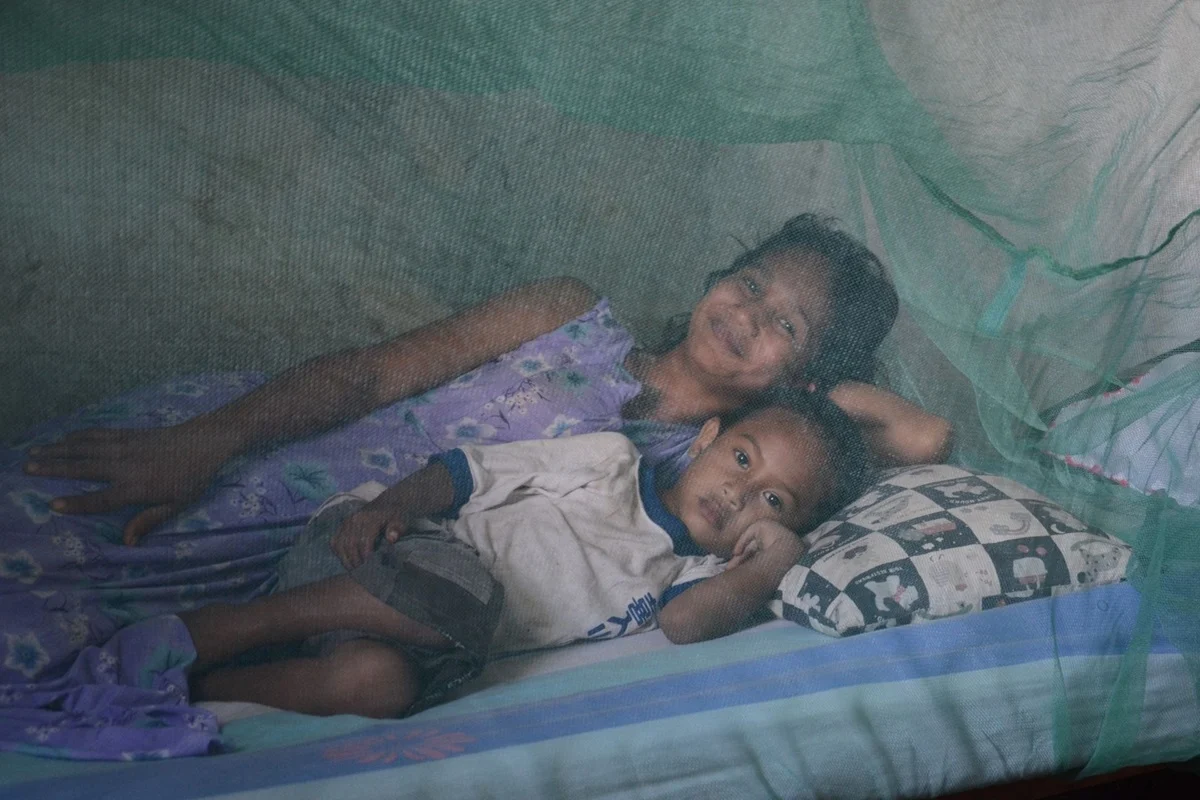
The World Health Organization has officially certified Timor-Leste as a malaria-free nation, marking a monumental public health achievement for a young country that inherited immense infrastructural and medical challenges upon gaining independence in 2002. This prestigious certification is granted exclusively by the global health body when a country provides irrefutable proof that the chain of indigenous malaria transmission has been completely and continuously interrupted nationwide for at least the preceding three consecutive years.
For Timor-Leste, crossing this historic finish line represents the culmination of more than two decades of rigorous, sustained, and highly focused public health mobilization. What began as a debilitating national crisis characterized by hundreds of thousands of annual infections has transformed into an inspiring global blueprint for disease eradication. By systematically dismantling the vectors of transmission, fortifying grassroots medical infrastructure, and fostering deep community engagement, the Southeast Asian nation has permanently altered its epidemiological landscape and protected current and future generations from a historically relentless killer.
The Milestone in Global Health Context
With this landmark announcement, Timor-Leste joins an elite global cohort. A total of 47 countries and one territory have now achieved malaria-free certification from the World Health Organization. Within the WHO South-East Asia region, Timor-Leste occupies a particularly distinguished position, becoming only the third nation to secure this status. It joins the Maldives, which was certified in 2015, and Sri Lanka, which achieved the designation in 2016.
The certification process itself is rigorous, impartial, and scientifically demanding. The final determination is rendered directly by the WHO Director-General, acting upon the formal recommendations of the Technical Advisory Group on Malaria Elimination and Certification, alongside validation from the Malaria Policy Advisory Group. For a nation that emerged from the turbulence of independence with fragile institutional frameworks, meeting these stringent international standards underscores the extraordinary dedication of its governance structures, medical professionals, and international development partners.
A Chronology of Transformation: From 223,000 Cases to Zero
The trajectory of Timor-Leste’s malaria elimination campaign is a study in rapid, decisive public health administration. In the immediate wake of its independence in 2002, the newly formed government inherited a healthcare system stretched to its absolute limits, with malaria standing out as one of the most pervasive and destructive threats to national development and human survival.
In 2003, recognizing the gravity of the crisis, the Ministry of Health moved swiftly to establish the National Malaria Programme (NMP). Designed specifically to spearhead planning, implementation, and meticulous monitoring across the entire country, the programme initially operated with a skeletal staff of just two full-time officers. Despite these resource constraints, strong technical leadership and an unwavering attention to detail established a firm foundation for future interventions.
The burden during these formative years was immense. Epidemiological records indicate that the country experienced a devastating peak of more than 223,000 clinically diagnosed malaria cases in 2006. Confronting this staggering statistic, the government, backed by critical external partnerships, began deploying advanced medical countermeasures.
Within a few years, the National Malaria Treatment Guidelines were updated to incorporate rapid diagnostic tests (RDTs) and highly effective artemisinin-based combination therapies (ACTs). Simultaneously, public health authorities initiated the large-scale distribution of free long-lasting insecticide-treated nets (LLINs) to populations deemed most vulnerable to infection.
A pivotal turning point arrived in 2009. Bolstered by substantial financial and strategic support from the Global Fund to Fight AIDS, Tuberculosis and Malaria, Timor-Leste dramatically expanded its nationwide vector control initiatives. Alongside the continuous rollout of insecticide-treated nets, the nation implemented targeted indoor residual spraying (IRS) campaigns in high-risk zones. Crucially, diagnostic capabilities were decentralized, expanding microscopy and rapid diagnostic tests to the point of care across all local health posts.
Through these sustained efforts, the epidemiological curve flattened dramatically. The nation successfully drove down local transmission rates year after year, ultimately recording zero indigenous cases from 2021 onwards. This sustained zero-case threshold was maintained consistently through 2022, 2023, and into the validation period, satisfying the WHO’s strict criteria for elimination.
Overcoming Systemic Hurdles: Infrastructure and Universal Healthcare
Timor-Leste’s triumph over malaria is all the more remarkable given the profound systemic challenges the nation faced regarding healthcare delivery. Following independence, the country grappled with severe shortages of trained medical personnel, doctors, and specialized infrastructure, particularly in remote and mountainous regions.
To bridge this gap, the government prioritized the systematic development of a comprehensive three-tier public health system. This integrated network comprises national hospitals, reference hospitals, community health centers (CHCs), and localized health posts. Strategic investments ensured that the vast majority of residents could access essential healthcare services within a convenient one-hour walk from their homes.
Furthermore, the government embedded equity into its operational philosophy by instituting a policy of free universal healthcare at the point of delivery. This eliminated financial barriers that traditionally prevent marginalized or low-income populations from seeking timely medical attention. To reach populations residing in the most isolated geographical pockets, the Ministry of Health deployed monthly mobile clinics and intensive community outreach programs, ensuring that no citizen was left outside the protective umbrella of the national health system.
Complementing these physical infrastructure improvements was the implementation of a sophisticated, real-time integrated case-based surveillance system. This technological upgrade allowed public health officials to collect data rapidly, track epidemiological trends instantaneously, and mobilize targeted responses to any suspected flare-ups. Highly trained health workers stationed across local communities and border checkpoints maintained constant vigilance, ensuring that imported cases were detected, screened, and treated before they could spark secondary local transmissions.
Official Statements and Regional Reactions
The global health community has responded to Timor-Leste’s achievement with widespread acclaim, highlighting the unique combination of political will, international solidarity, and grassroots heroism that made the milestone possible.
Dr. Tedros Adhanom Ghebreyesus, Director-General of the World Health Organization, extended his formal congratulations to the nation. "WHO congratulates the people and government of Timor-Leste on this significant milestone," Dr. Tedros stated. "Timor-Leste’s success proves that malaria can be stopped in its tracks when strong political will, smart interventions, sustained domestic and external investment, and dedicated health workers unite."
The human toll of the disease and the emotional weight of the victory were powerfully captured by Dr. Élia António de Araújo dos Reis Amaral, Minister of Health for the Government of Timor-Leste. Reflecting on the long journey from the peak of the epidemic to total elimination, she noted the tenacity of the nation’s medical workforce.
"We did it. Malaria has been one of our most relentless enemies—silent, persistent, and deadly. We lost too many lives to a disease that should be preventable," Dr. Amaral said. "But our health workers never gave up, our communities held strong, and our partners, like WHO, walked beside us. From 223,000 cases to zero—this elimination honours every life lost and every life now saved. We must safeguard this victory with continued vigilance and community action to prevent malaria’s re-entry."
Echoing these sentiments, Dr. Arvind Mathur, WHO Representative to Timor-Leste, emphasized the grit and determination required of a young nation facing down a major public health menace.
"Timor-Leste’s malaria-free certification is a defining national triumph—driven by bold leadership, tireless efforts of health workers, and the resolve of its people," Dr. Mathur observed. "As a young nation, Timor-Leste stayed focused—testing, treating, and investigating swiftly. Ending transmission and maintaining zero deaths takes more than science; it takes grit. This victory protects generations, present and future, and shows what a determined country can achieve."
Broader Implications and Future Vigilance
The certification of Timor-Leste as malaria-free carries profound implications not only for the nation itself, but for the broader global health landscape. It serves as empirical proof that with clear strategic vision, consistent financing, and robust community participation, even nations emerging from profound structural devastation can overcome entrenched infectious diseases.
For Timor-Leste, the removal of the malaria burden lifts a massive economic and social anchor. Families are no longer subjected to the debilitating financial costs associated with repeated treatments and hospitalizations, and children can grow up free from the debilitating, often fatal fevers of the disease, directly improving educational attendance and workforce productivity.
However, public health experts emphasize that achieving elimination is not the end of the road, but rather the beginning of a critical maintenance phase. Because malaria vectors remain present in neighboring countries and international travel continues to rebound, the risk of imported cases introducing renewed transmission is an ongoing concern.
To mitigate this threat, the Timor-Leste Ministry of Health has committed to maintaining high levels of cross-border surveillance, sustaining vector control measures in historically vulnerable districts, and keeping community health networks on high alert. By preserving this robust defense posture, Timor-Leste aims to ensure that its hard-won malaria-free status remains an enduring legacy for all future generations of its citizens.