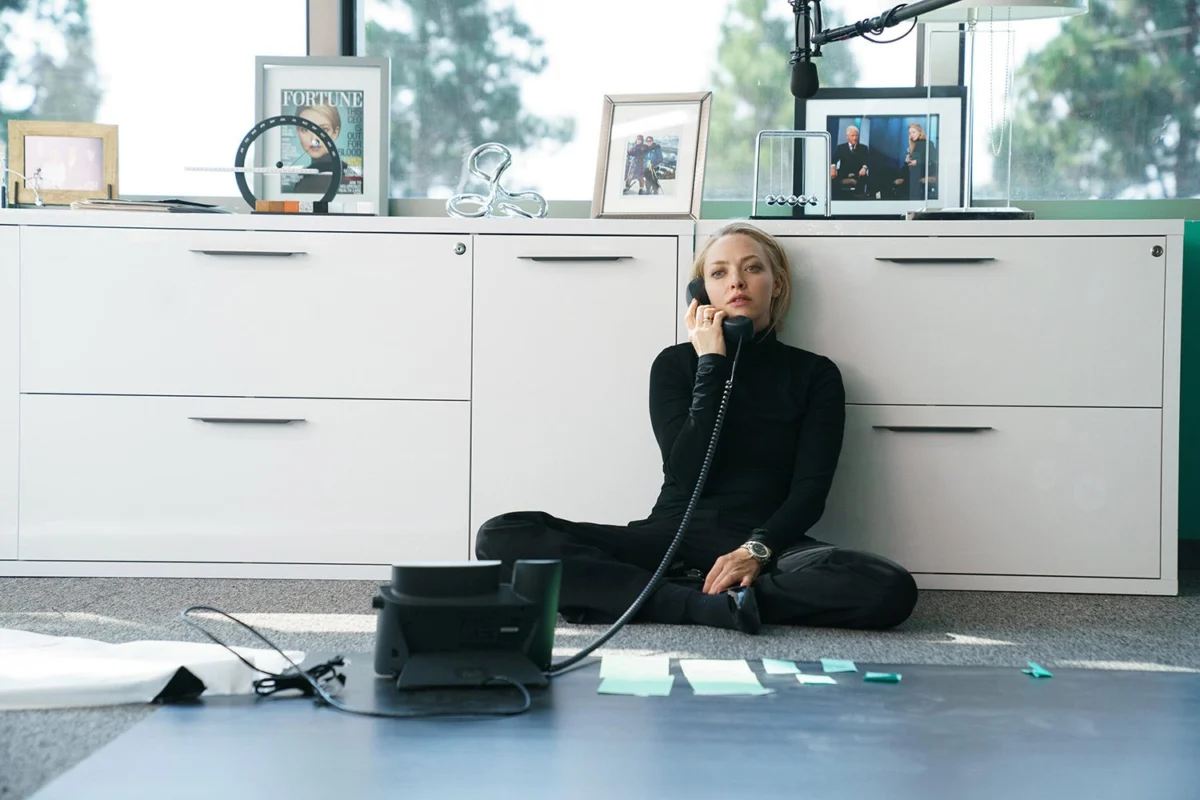
The recent release of the documentary film You Can See Everything, directed by Nathan Fielder and Lance Oppenheim, has triggered a significant cultural resurgence of interest in the saga of Elizabeth Holmes and the collapse of her biotech startup, Theranos. As audiences revisit the intricate details of the company’s fraudulent blood-testing technology, viewership metrics for Hulu’s 2022 limited series The Dropout have experienced a dramatic and statistically significant spike. Despite this surge in popularity, industry stakeholders and the series’ creative team have confirmed that the project will remain a self-contained limited series with no plans for a sequel or additional installments.
The Surge in Viewership and Public Curiosity
According to data reported by Variety, the impact of the new documentary on legacy streaming content has been profound. In September, prior to the official premiere of You Can See Everything, The Dropout experienced an 186 percent increase in total viewership compared to previous baseline averages. This momentum intensified following the documentary’s theatrical debut on October 16. During the week of its release, viewership for the Amanda Seyfried-led series climbed an additional 92 percent compared to the preceding week.
This phenomenon illustrates a recurring trend in modern media, wherein new documentary analysis often drives audiences to revisit dramatized accounts of the same historical events. The sustained public fascination with Elizabeth Holmes, even years after her legal proceedings concluded, suggests that the narrative of Silicon Valley hubris remains a potent subject for modern viewers.
A Chronology of the Theranos Narrative
To understand why audiences remain captivated by the Theranos story, one must view the timeline of the company’s rise and fall:
- 2003: Elizabeth Holmes founds Theranos at age 19 after dropping out of Stanford University.
- 2010–2014: The company reaches a peak valuation of approximately $9 billion, with Holmes touted as the "next Steve Jobs" and Theranos forming high-profile partnerships with pharmacy giants like Walgreens.
- 2015: Investigative journalist John Carreyrou publishes a landmark exposé in The Wall Street Journal, alleging that Theranos’s proprietary technology—the Edison machine—was not functioning as claimed and that the company was using third-party commercial analyzers for most of its tests.
- 2018: The Securities and Exchange Commission (SEC) charges Holmes and former COO Ramesh "Sunny" Balwani with "massive fraud." Theranos is formally dissolved.
- 2022: The Dropout premieres on Hulu, chronicling the company’s trajectory. Simultaneously, Holmes is convicted on four counts of wire fraud and conspiracy.
- 2026: The documentary You Can See Everything is released, offering a fresh, auteur-driven perspective on the events, leading to the current renewed public interest.
Creative Stance: Why The Dropout Remains a Limited Series
The question of whether a series as commercially successful as The Dropout might return is common in the current streaming landscape, where intellectual property is frequently extended. However, creator and showrunner Elizabeth Meriwether has remained steadfast in her refusal to continue the narrative.
In discussions following the show’s 2022 conclusion, Meriwether emphasized that the story had reached its logical narrative endpoint. The show was meticulously designed as a limited series, mapping the meteoric rise and subsequent legal downfall of its protagonist. Meriwether has noted that extending the show would require venturing into territory that the creative team never intended to cover, specifically the post-conviction life of Holmes or the ongoing legal appeals.
In a 2022 interview with Vulture, Meriwether relayed a humorous anecdote regarding Amanda Seyfried’s playful persistence about a second season. Seyfried, who garnered widespread critical acclaim and an Emmy nomination for her portrayal of Holmes, had expressed a desire to revisit the character, noting that there was "so much more to say." Meriwether, however, confirmed that despite her immense respect for the cast and crew, she would not be writing further episodes, effectively closing the door on any potential continuation.
The Evolving Perspective of the Lead Actress
Amanda Seyfried’s position regarding a return to the role has shifted over time, mirroring the passage of years since the show’s original production. While she initially expressed a strong desire to continue exploring the character’s complexities, her most recent comments suggest a move toward professional closure.
During a red carpet event on October 17, 2026—just one day after the debut of You Can See Everything—Seyfried was asked if she had any interest in revisiting the character or perhaps engaging with the real-life Elizabeth Holmes. Her response, "I don’t think so, but life is long," signaled a departure from her earlier enthusiasm. This measured response reflects a professional acknowledgment that while the role was a defining moment in her career, she has largely moved on from the project. Furthermore, Seyfried admitted to keeping up with news regarding Holmes only "on and off," suggesting that her engagement with the subject matter is no longer the central focus it was during the filming of the series.
Broader Implications of the Theranos Phenomenon
The sustained interest in the Theranos scandal highlights a larger trend in "corporate true crime." As society continues to grapple with the ethics of Silicon Valley, the story of Theranos serves as a foundational cautionary tale.
The success of documentaries like You Can See Everything and the consistent streaming performance of The Dropout indicate that audiences are not just looking for entertainment; they are looking for a deeper understanding of institutional failures. The implications for the streaming industry are clear: high-quality dramatizations followed by documentary re-evaluations can keep a narrative relevant for years.
For viewers seeking further context on this subject, the landscape of available media is vast. Beyond the Hulu series and the new documentary, the 2019 HBO film The Inventor: Out for Blood in Silicon Valley remains a crucial resource. Directed by Alex Gibney, the film provides an objective, detail-oriented examination of the relationship between Holmes and her COO, Sunny Balwani, and offers a grounded look at the technical shortcomings that led to the company’s collapse. It continues to serve as an essential companion piece for those attempting to synthesize the various accounts of the Theranos saga.
Conclusion
While the numbers suggest that public appetite for the story of Elizabeth Holmes remains robust, The Dropout will stand as a singular, closed-ended artistic achievement. The showrunner’s commitment to the integrity of the original narrative, coupled with the lead actress’s move toward new creative endeavors, underscores a rare instance of a show concluding precisely when its creators intended. As the documentary You Can See Everything continues to draw viewers to the broader story, the legacy of The Dropout remains secure as a definitive piece of television that captured a unique moment in modern business history without the need for an unnecessary sequel. For those who remain curious, the wealth of investigative reporting, legal documentation, and supplemental documentary footage ensures that the history of Theranos will continue to be studied and debated for years to come.