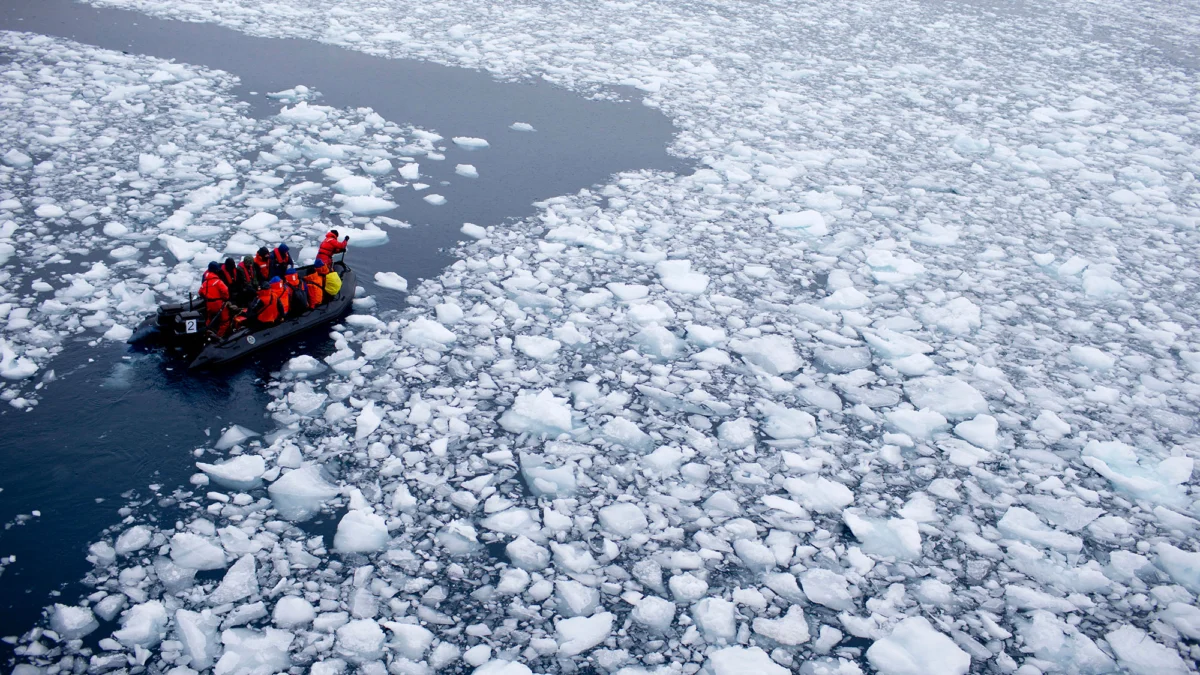
For decades, the frozen fringes of Antarctica presented a scientific enigma that seemed to defy the global trend of polar melting. While the Arctic experienced a steady and well-documented decline in ice cover, the sea ice surrounding the southern continent actually expanded from the late 1970s until approximately 2014. This phenomenon occurred even as global atmospheric temperatures climbed, leading some to view the Southern Ocean as a resilient fortress against the encroaching effects of climate change. However, that resilience shattered in 2016. In a sudden and unprecedented shift, the Antarctic sea ice underwent a dramatic contraction, plummeting to record lows from which it has yet to recover.
Now, a team of researchers led by Stanford University has utilized a sophisticated network of autonomous underwater robots to identify the underlying drivers of this "regime shift." According to a study published in the journal Proceedings of the National Academy of Sciences (PNAS), the sudden collapse was not merely a surface-level atmospheric event, but the result of a decades-long buildup of heat deep within the ocean, eventually unleashed by shifting wind patterns. This "violent release" of thermal energy marks a potential turning point in the stability of the Antarctic ecosystem, with profound implications for global sea levels.
The Mechanical Sentinels: The Role of Argo Floats
The breakthrough in understanding this complex oceanic behavior was made possible by the Argo program, an international collaboration that maintains a fleet of nearly 4,000 robotic drifting floats across the world’s oceans. These torpedo-shaped instruments, roughly the size of a human, are designed to spend the majority of their lives thousands of feet below the surface.
Every ten days, an Argo float performs a vertical profile: it descends to a depth of about 2,000 meters (6,500 feet), drifts with the deep currents, and then slowly ascends to the surface. During the ascent, it continuously measures temperature and salinity. Once it reaches the surface, it transmits this data via satellite to research centers on land before beginning the cycle again.
"The ocean plays a huge role in modulating how sea ice can vary from year to year and decade to decade," explained Earle Wilson, a polar oceanographer at Stanford University and the lead author of the study. Because these robots float passively and operate autonomously, they were able to gather high-resolution data in the Southern Ocean—a region notoriously difficult and dangerous for human-led expeditions to sample, especially during the harsh Antarctic winter.
A Reversal of the Standard Oceanic Gradient
To understand the Stanford team’s findings, one must first consider the typical structure of the world’s oceans. In most latitudes, the sun warms the surface waters, creating a layer of warm, buoyant water that sits atop the denser, colder depths. This is a phenomenon familiar to anyone who has dived into a deep lake and felt the sudden "thermocline" where the water turns icy.
In the waters surrounding Antarctica, however, the situation is inverted. The frigid polar air cools the surface of the Southern Ocean to near-freezing temperatures, while the depths remain relatively warmer. This creates a delicate balance where the coldest water is at the top. The reason this cold water does not sink—despite cold water usually being denser than warm water—is its salinity.
From the 1970s through the mid-2010s, the Southern Ocean experienced increased precipitation and glacial runoff, which added a layer of "fresh" (less salty) water to the surface. Because freshwater is less dense than saltwater, this created a state of intense stratification. This freshwater "cap" effectively sealed the ocean, preventing the warmer, saltier water below from rising to the surface. As a result, the surface remained cold enough for sea ice to expand, even as the depths continued to absorb and store heat from a warming planet.
The 2016 "Violent Release" of Pent-Up Heat
The Stanford study reveals that by 2016, this period of heat accumulation reached a breaking point. The mechanism that finally breached the seal was the atmosphere. Wind patterns around Antarctica intensified and shifted, likely driven by the widening temperature gap between the warming tropics and the polar regions—a hallmark of anthropogenic climate change.
These powerful winds pushed the protective layer of fresh surface water away from the continent, creating a "churning" effect that brought the deep, warm water to the surface. "What we witnessed was basically this very violent release of all that pent-up heat from below that we linked to the sea ice decline," Wilson stated.
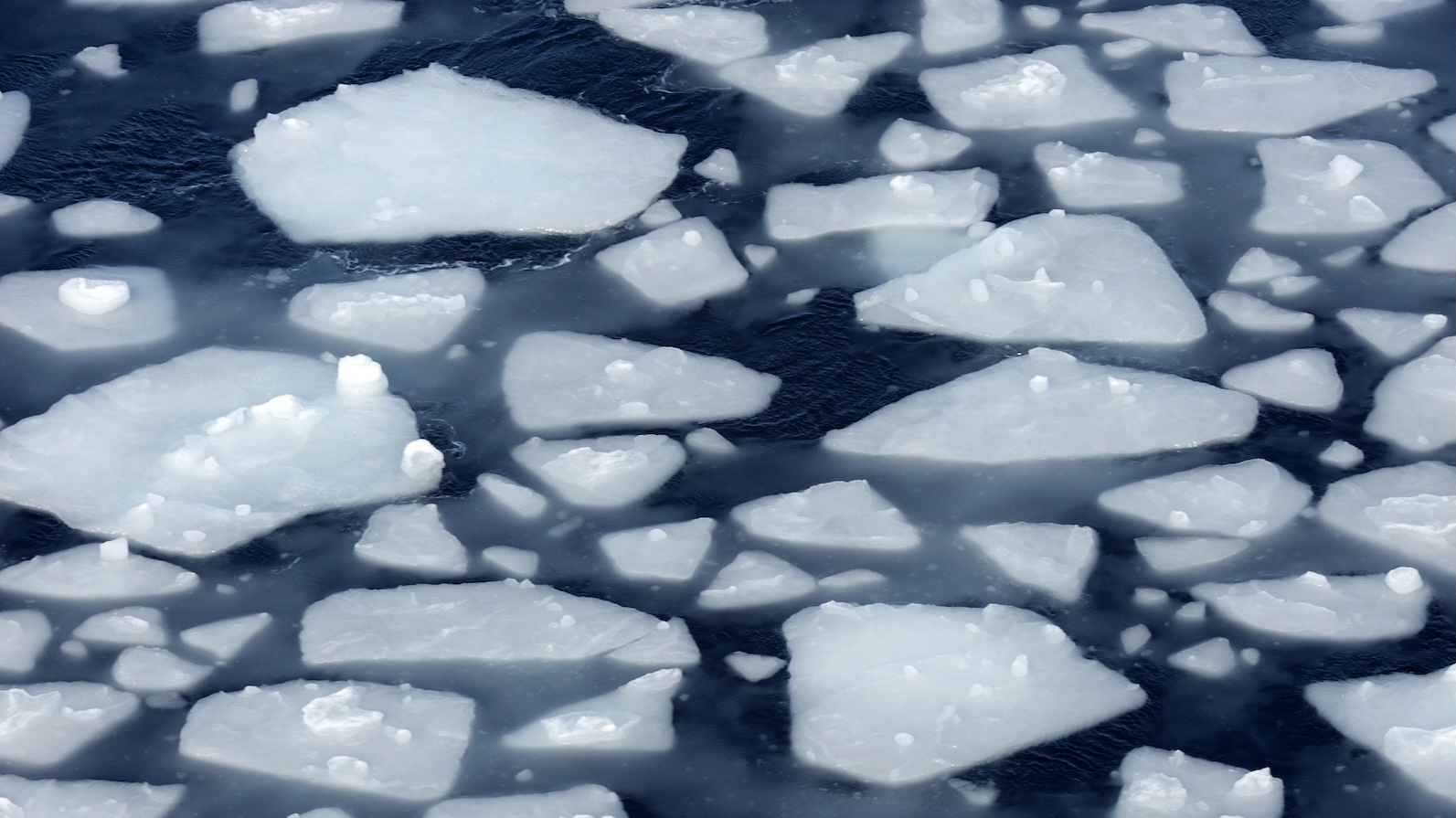
The impact was immediate. The warmth from below melted the ice from the underside, while the physical force of the winds and waves broke the remaining ice into smaller, more vulnerable chunks. This created a positive feedback loop: as the white ice vanished, the dark ocean water was exposed, absorbing more solar radiation and further preventing the formation of new ice.
A Chronology of Antarctic Sea Ice Trends
To understand the gravity of the current situation, it is necessary to look at the timeline of Antarctic ice observations:
- 1979–2014: The Period of Expansion. Satellite records show a modest but steady increase in Antarctic sea ice extent. Scientists debated various theories for this, including changes in ozone levels and freshwater melt from the continent’s ice sheet.
- 2014–2015: The Peak. Antarctic sea ice reached a record maximum in 2014, covering approximately 20 million square kilometers.
- 2016: The Great Collapse. For the first time in the satellite era, sea ice extent plummeted across all sectors of the Antarctic simultaneously. The decline was so rapid it shocked the scientific community.
- 2017–2023: The New Normal. Sea ice levels have remained consistently below historical averages. In 2023, the ice reached a new all-time low, sparking fears that the Southern Ocean has entered a new state of "low ice" equilibrium.
Broader Implications: The 190-Foot Threat
While sea ice itself does not contribute significantly to sea level rise when it melts (as it is already floating in the water), its disappearance acts as a catalyst for a much larger catastrophe. The massive Antarctic ice sheet, which sits on the continent’s landmass, is held in place by floating ice shelves.
These ice shelves act as "buttresses," slowing the flow of glaciers into the ocean. Sea ice provides a critical buffer for these shelves, absorbing the energy of ocean waves that would otherwise batter and erode the ice shelf edges. Without the protection of sea ice, the shelves become vulnerable to "bottom melting" and structural collapse.
If the land-based Antarctic ice sheet were to melt entirely, global sea levels would rise by an estimated 190 feet (58 meters). Such an increase would submerge nearly every coastal city on Earth. Even a partial collapse of the West Antarctic Ice Sheet, which is considered particularly unstable, could raise sea levels by several meters over the coming centuries.
Expert Reactions and the Call for Enhanced Monitoring
The findings have resonated throughout the climate science community. Zachary Labe, a climate scientist at Climate Central who specializes in polar ice, noted that the study clarifies the "oceanic side" of the equation.
"Recent research has shown that both atmospheric and oceanic warming is likely contributing to the sudden change in Antarctic sea-ice extent since 2016," Labe said. "This paper helps to further develop the point that deeper ocean warmth is a significant player."
Labe and other experts are calling for a massive expansion of monitoring efforts. While the Argo floats have provided a revolutionary glimpse into the deep ocean, the Southern Ocean remains under-sampled compared to the North Atlantic or Pacific. "We need more international support to continue building observing networks across the Antarctic polar region," Labe added. "This is critical given the rapid changes we are beginning to observe… with potentially significant consequences for global sea level rise."
Conclusion: A Permanent Shift or a Temporary Cycle?
The ultimate question facing climatologists is whether the events of 2016 represent a temporary fluctuation or a permanent transition to a low-ice state. The Stanford research suggests that while natural variability will always cause year-to-year fluctuations, the underlying trend is increasingly dictated by the accumulation of heat in the deep ocean.
The stratification that allowed ice to grow for decades has been compromised. As the planet continues to warm, the winds are expected to remain strong, and the "faucet" of deep-ocean heat may remain open.
"The long-term, multi-decade trend will be negative," Wilson concluded. "That would be my guess, but we don’t know for sure."
What is certain is that the Southern Ocean is no longer the stable, frozen frontier it once appeared to be. The data transmitted by deep-diving robots suggests that the "strange" behavior of Antarctic waters is a warning sign of a global climate system in the midst of a profound and potentially irreversible transformation. For coastal communities worldwide, the "violent release" of heat in the far south may eventually be felt as a slow and relentless rise of the tides.