The cinematic landscape is often defined by the tension between critical appraisal and cultural longevity, a phenomenon currently underscored by the release of Practical Magic 2. Nearly three decades after the 1998 original film—directed by Griffin Dunne and based on the novel by Alice Hoffman—the sequel has arrived in theaters to a starkly divided reception. While initial critical indicators on platforms like Rotten Tomatoes reflect a modest 34 percent approval rating, the film’s box office performance and audience engagement metrics suggest a significant disconnect between professional reviewers and the dedicated fanbase that has nurtured the franchise’s status as a cult classic.
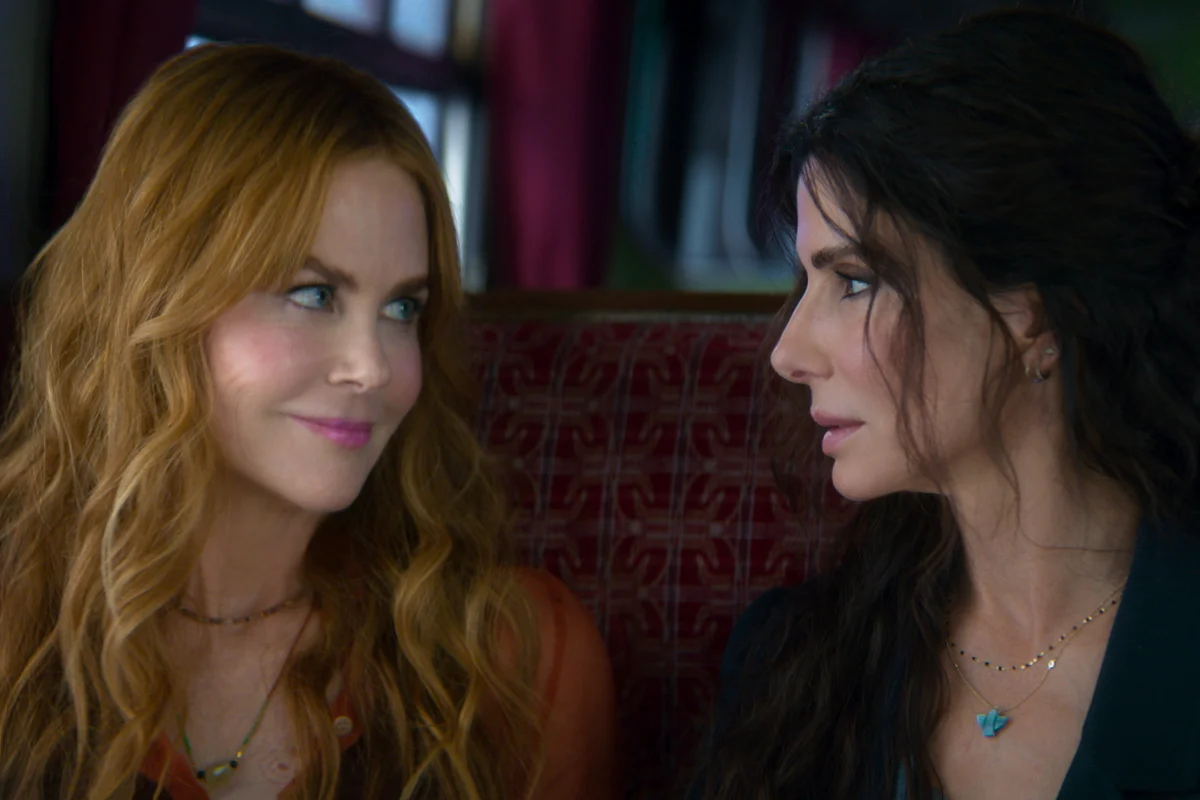
The sequel, directed by Susanne Bier, features the return of Sandra Bullock and Nicole Kidman as Sally and Gillian Owens. Set 28 years after the events of the first installment, the narrative explores the generational continuation of the Owens family curse. In this iteration, the protagonists must address the supernatural challenges facing Sally’s daughters, Kylie (Joey King) and Antonia (Maisie Williams). When a romantic partner of the younger generation, played by Xolo Maridueña, falls into a mysterious coma, the sisters embark on a mission to dismantle the ancestral curse once and for all, aided by a specialist played by Lee Pace.
A Chronology of the Owens Cinematic Universe
The journey of the Practical Magic franchise began in 1998, a period during which the film industry was experimenting with genre-bending narratives. The original film was famously difficult to categorize, oscillating between elements of romantic comedy, supernatural drama, and tragedy. At the time of its release, the film faced substantial criticism regarding its tonal inconsistencies. However, retrospectives have revealed that these shifts were intentional choices by the filmmakers, designed to mirror the complexities of life.
The 1998 production was marked by personal and professional challenges. Director Griffin Dunne has previously noted that the film’s darker themes—specifically the depiction of an abusive relationship—were influenced by his own family history, including the 1982 murder of his sister, actress Dominique Dunne. Despite these layers of depth, the film was initially panned by critics, many of whom found the blend of genres jarring. It was not until the subsequent rise of home video and digital streaming that the film achieved its status as a "comfort watch," eventually cementing its place in popular culture through iconic elements like the "midnight margaritas" sequences and the atmospheric New England setting.
For nearly 30 years, fans speculated about a continuation. The formal development of the sequel gained momentum following the success of Alice Hoffman’s later literary works in the series, specifically 2021’s The Book of Magic. The production process involved navigating complex casting decisions, including the recasting of the daughters’ roles to better align with the age requirements of the source material.
Critical Reception and Technical Analysis
The current critical discourse surrounding the sequel has centered on several technical and stylistic departures from the 1998 original. Reviewers have pointed to the film’s visual aesthetic as a primary point of contention. The original film was lauded for its moody, autumnal, and tactile atmosphere, which relied on practical effects and a deliberate color palette. Critics of the sequel argue that the new film employs a brighter, higher-contrast lighting scheme and a reliance on computer-generated imagery (CGI) that undermines the "minimalistic magic" of the predecessor.
Furthermore, the film’s pacing and structure have been noted for their divergence from the original. With a runtime of 130 minutes, the sequel is approximately 30 minutes longer than the 1998 film. Critics have argued that this extended duration results in the sidelining of key character arcs and a narrative shift that moves the action away from the beloved Owens family home in New England to overseas locations, which some reviewers feel detracts from the domestic intimacy that defined the first movie.
Industry Perspectives and Gender Representation
The discourse surrounding the franchise also touches upon broader issues of gender representation in Hollywood. Reflecting on the original film’s reception, producer Denise Di Novi noted that the 1998 production faced significant, overt sexism. In previous interviews, Di Novi recounted receiving feedback that the film featured "too many women," highlighting the systemic resistance to female-led ensembles during that era.
This historical context provides a lens through which the sequel’s reception can be analyzed. Many supporters of the film argue that the harshness of contemporary reviews mimics the critical dismissiveness faced by the original. There is a persistent argument within film studies that projects centered on "sisterhood" or themes traditionally coded as "feminine" are often subjected to more stringent critical standards than their counterparts in other genres. The producers and cast have emphasized that the primary objective of the sequel was to provide a narrative continuation for the established audience, prioritizing emotional resonance over the adherence to traditional critical benchmarks.
Audience Engagement and Market Impact
Despite the negative critical consensus, the commercial trajectory of the film suggests a resilient demand for the franchise. Early box office projections, which anticipate an opening weekend gross of approximately $30 million, align with the high audience engagement observed on social media and user-review platforms.
The disparity between the 34 percent critic score and a 92 percent audience score on Rotten Tomatoes indicates a clear bifurcation in the film’s reception. For the audience, the value of the sequel is derived from its continuity and the emotional connection to the characters. The inclusion of new cast members alongside established stars has successfully bridged the gap between the franchise’s legacy and a new generation of viewers.
The promotional strategy, which leaned heavily into the film’s status as a cultural touchstone, appears to have been effective. By leaning into the "midnight margarita" aesthetic and leveraging contemporary music collaborations—such as the involvement of artists like Olivia Rodrigo—the production team successfully signaled that the film was intended for its long-standing community of supporters.
Broader Implications for Legacy Sequels
The case of Practical Magic 2 serves as a case study in the current Hollywood trend of "legacy sequels." These projects face a unique challenge: they must balance the expectations of a nostalgic fanbase with the requirement to evolve the narrative for a contemporary market.
The implications for the industry are twofold. First, the success of a film in the face of critical disapproval demonstrates the decreasing influence of traditional critical consensus on the commercial success of established intellectual properties. Second, it highlights the importance of audience demographic analysis. When a film is designed as a direct appeal to a specific "cult" following, the traditional metrics of high-art criticism may prove to be an insufficient barometer for the project’s success or its long-term viability.
As the industry continues to navigate the revival of 1990s and 2000s properties, the reception of this film will likely be cited as an example of the power of brand loyalty. While the film may not be categorized as "high art" by traditional standards, its ability to generate revenue and maintain high audience satisfaction scores suggests that its utility lies in its role as a cultural artifact—a piece of media that performs a specific function for its audience, regardless of critical sentiment.
In conclusion, the discourse surrounding the return of the Owens sisters reveals much about the current state of film criticism and the power of audience-driven narratives. Whether or not the sequel achieves the same "cult classic" longevity as its predecessor, it has succeeded in sparking a conversation about the role of gender, nostalgia, and the definition of a successful sequel in the modern cinematic era. The film’s ability to transcend its critical reviews through sheer audience enthusiasm underscores a shifting power dynamic in the entertainment industry, where the fan experience is increasingly becoming the primary indicator of a project’s cultural and commercial impact.