The debate over the future of American energy infrastructure often plays out in quiet courthouses far from national headlines, where local officials grapple with the immediate needs of their constituents against a backdrop of sweeping macroeconomic shifts. In Bannock County, Idaho, this tension reached a fever pitch in March 2024, when a three-person county commission voted 2–1 to enact a sweeping ban on utility-scale wind and solar developments. Today, however, that decision is facing a dramatic about-face. With a new draft ordinance under review that would explicitly permit wind, solar, and advanced nuclear energy, Bannock County has become a national test case for how rural communities evaluate the complex trade-offs of the clean energy transition.
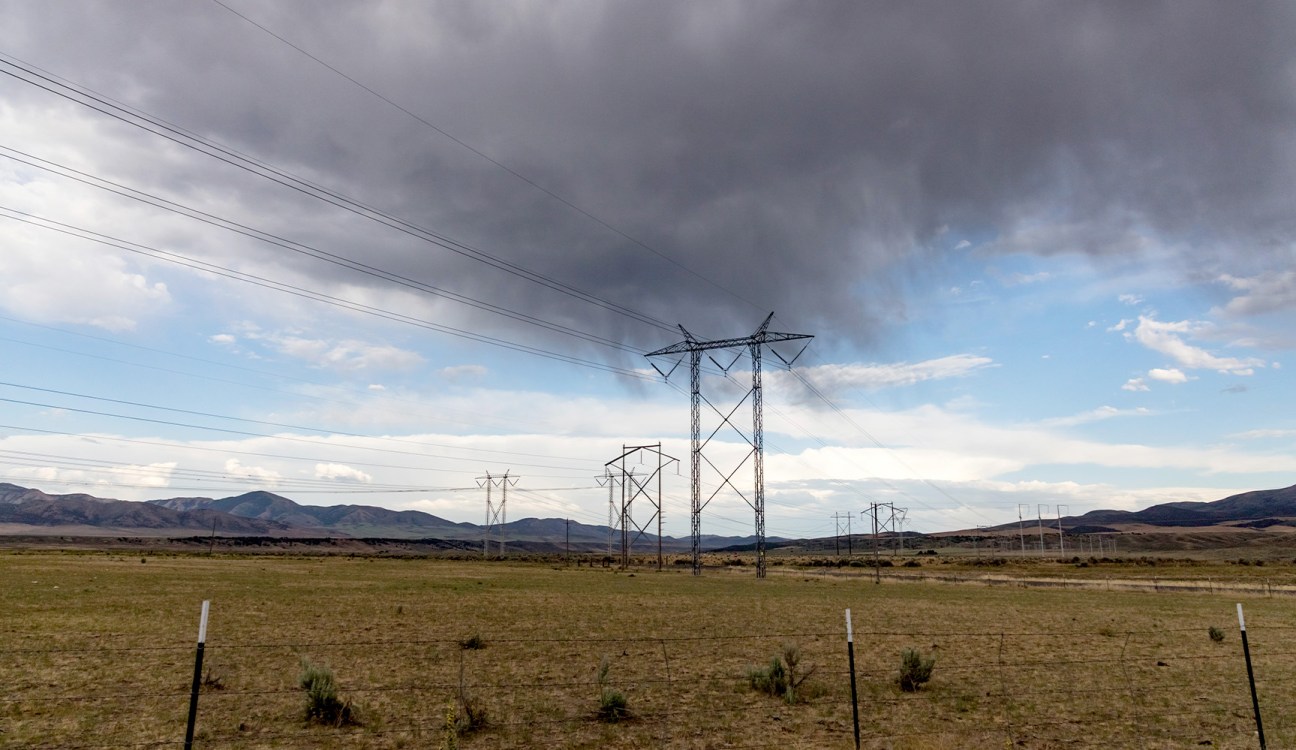
The potential policy reversal arrives at a critical juncture for the regional power grid. Idaho Power, the state’s largest electric utility, projects that electricity demand will surge by roughly 1 gigawatt—a 26 percent leap from current baseline levels—by the year 2030. Regional energy planners argue that building new generation assets is paramount to sustaining local economic vitality. Nestled in a valley north of Salt Lake City and west of Wyoming’s Teton Range, Bannock County sits adjacent to the Populus substation, a vital regional hub for transmitting electricity across Idaho, Utah, Wyoming, and the Pacific Northwest. Siting new generation facilities near existing transmission infrastructure can significantly lower construction and operational costs, savings that ultimately benefit utility consumers. Yet, the path toward welcoming these projects back into the county has exposed deep ideological and economic rifts among local landowners, farmers, and municipal leaders.
Chronology of a Legislative Shift
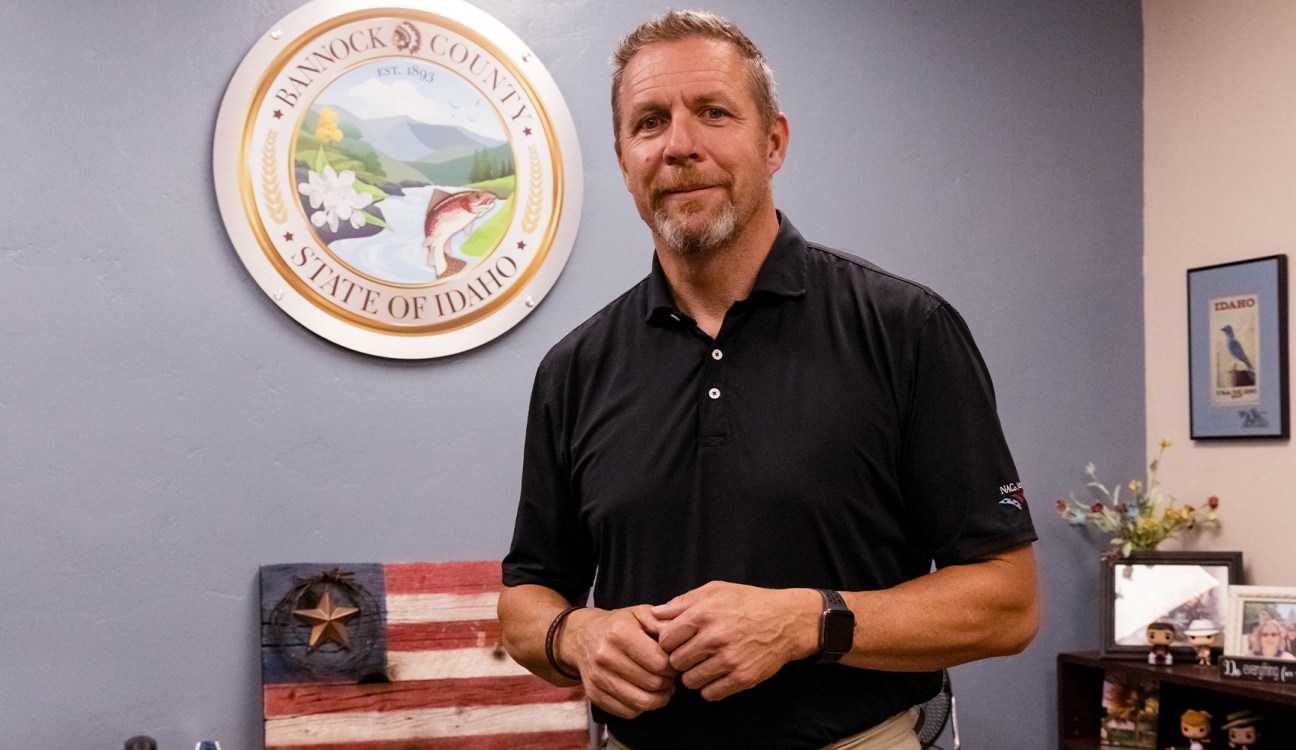
The journey toward Bannock County’s initial ban began in the autumn of 2023, sparked by growing local anxiety over major regional clean energy proposals, such as the massive 1-gigawatt Lava Ridge Wind Project in southern Idaho. Sensing a lack of regulatory framework to protect local interests against outside developers, County Commissioner Jeff Hough spearheaded an effort to enact a temporary six-month moratorium on large-scale energy generation projects in October 2023. The stated goal was not to prohibit renewables outright, but rather to buy time to draft balanced zoning ordinances that would protect community aesthetics and land stewardship.
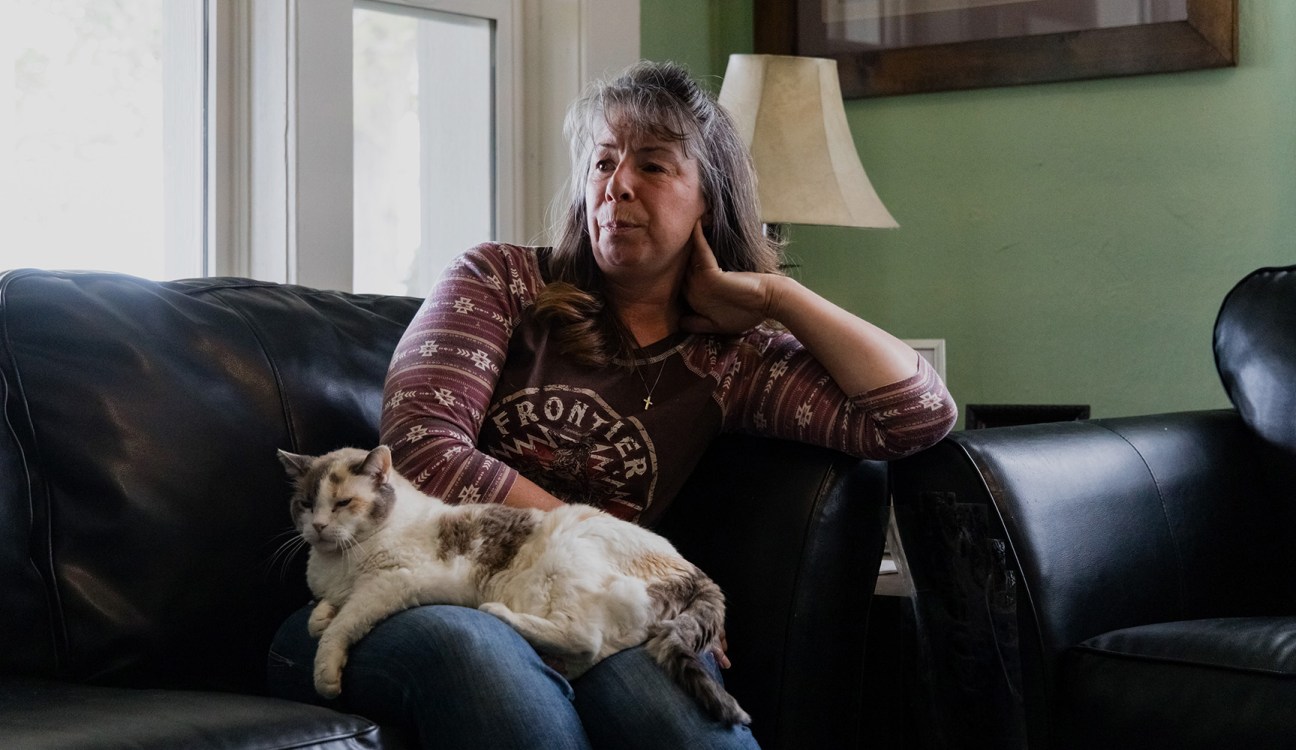
However, the moratorium galvanized local opposition. Antagonized by unsolicited overtures from renewable developers like Chicago-based Hecate Energy and Moab-based Balanced Rock Power, grassroots community groups mobilized. Led by local residents such as Rebecca Falcon and Dez Hauser, opponents of utility-scale solar argued that industrial energy facilities would permanently alter the rural landscape, compromise agricultural productivity, and strain emergency services. By February 2024, public hearings drew overflow crowds to a local high school auditorium.
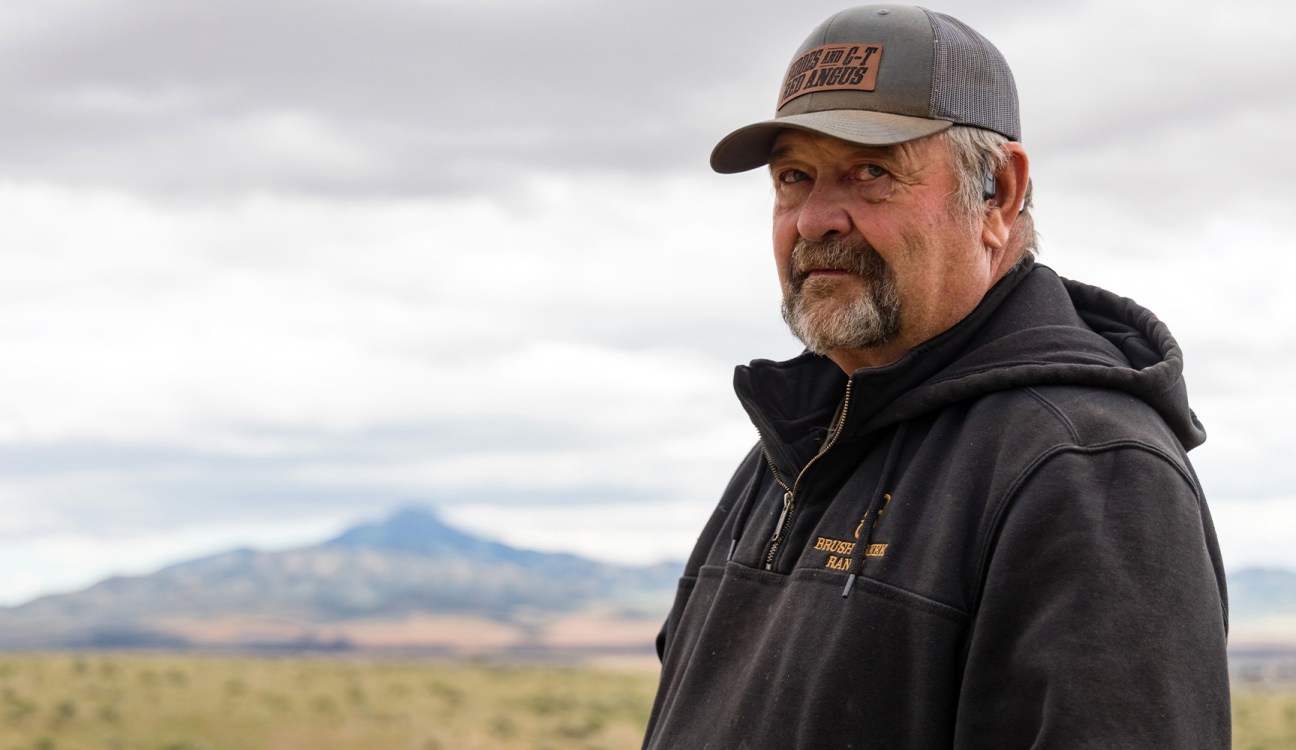
When the commission reconvened in March 2024, Hough voted to lift the moratorium, arguing that an outright ban infringed upon fundamental property rights. His two colleagues, however, voted to extend the pause, effectively cementing a de facto ban that prompted developers like Hecate Energy to cancel active leases and pull out of the county entirely.
The political landscape began to shift again as economic pressures and energy realities mounted. Hough assumed the role of commission chair and mounted a persistent public education campaign emphasizing property rights, the impending energy deficit, and potential tax revenues. Although anti-solar sentiment remained robust in the rural southern precincts—manifested during the May 2026 primary elections where local challengers heavily opposed incumbents—the broader county leadership began to re-evaluate the utility of a permanent ban. This fall, the commission is scheduled to vote on a comprehensive land-use and development ordinance that would explicitly re-open the door to solar, wind, and nuclear energy generation.
Economic Pressures and Diverging Visions for Agriculture
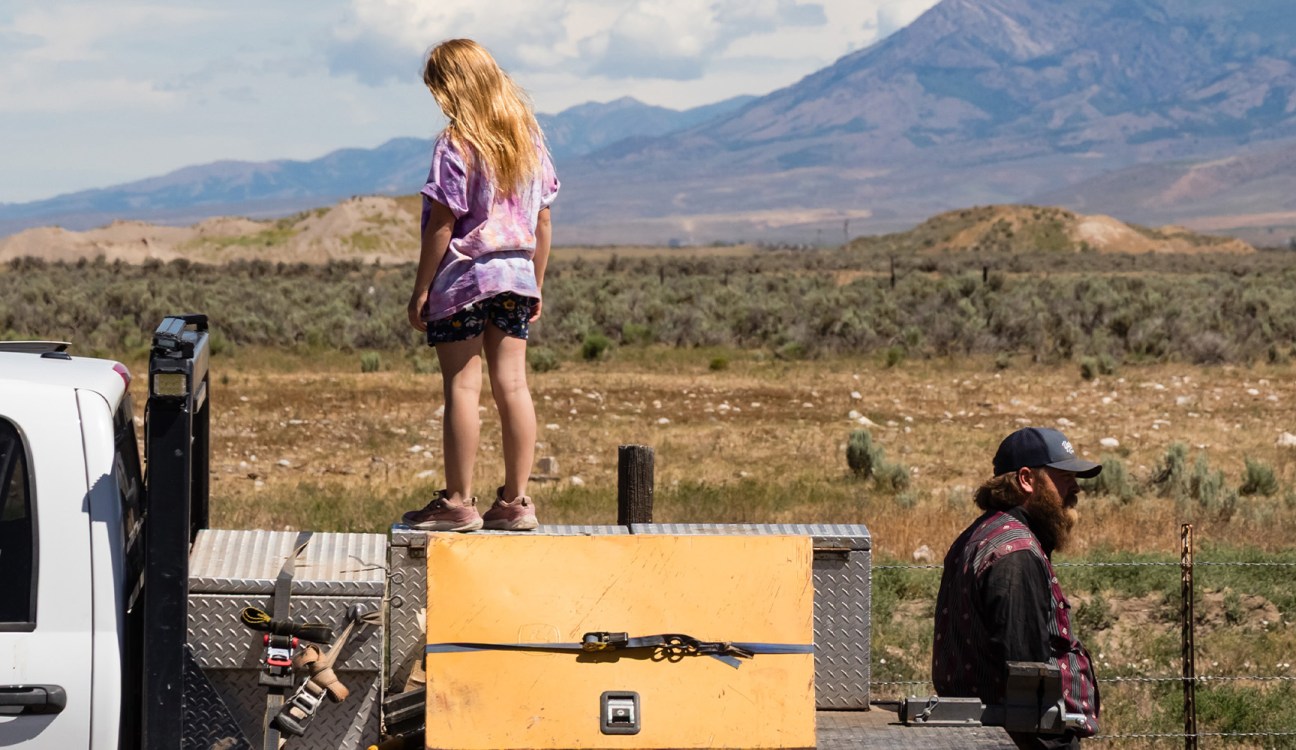
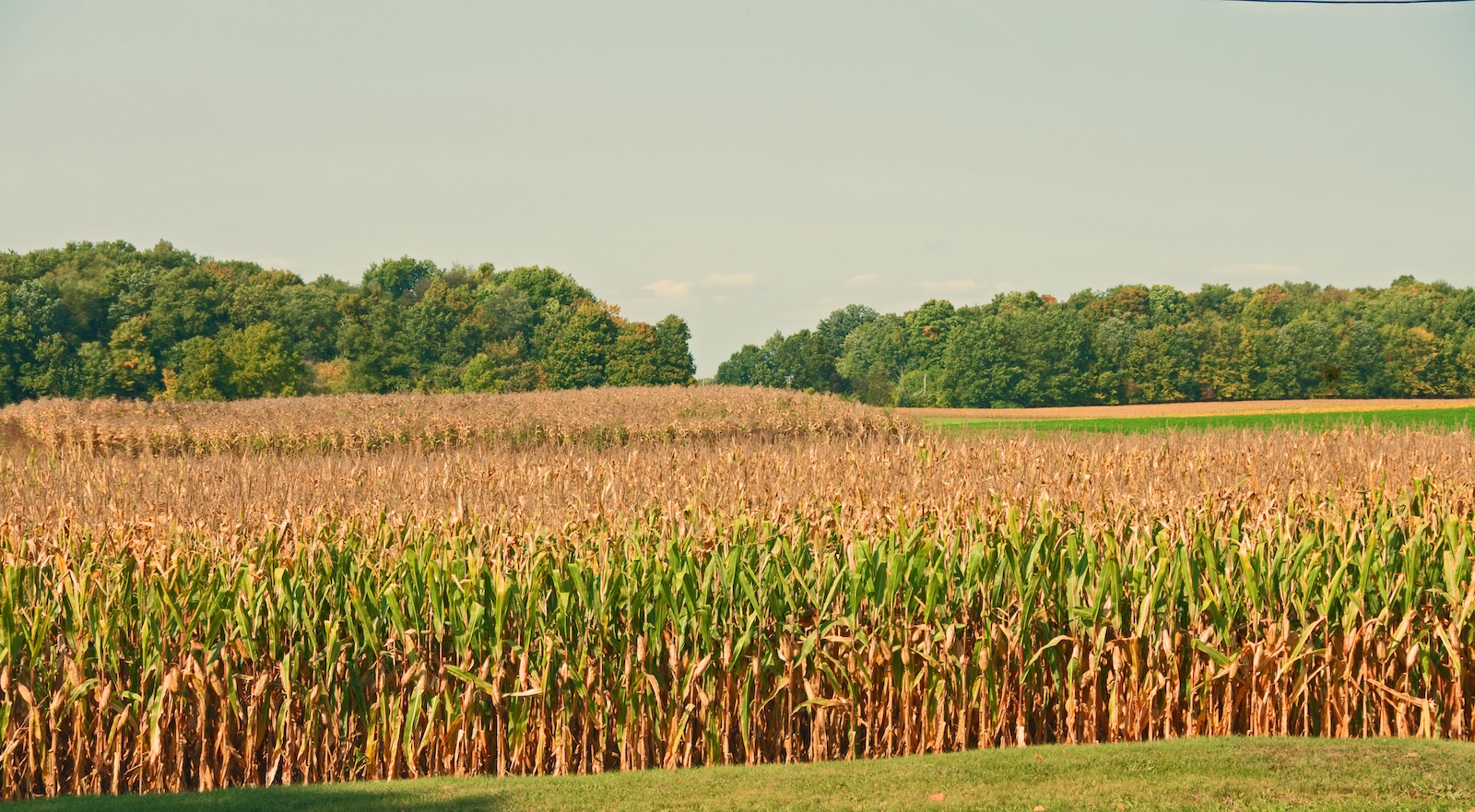
At the heart of the Bannock County controversy is the survival of rural livelihoods in the face of persistent environmental and economic headwinds. Decades of climate change impacts, including severe droughts and record-low winter snowpacks, have pushed traditional dryland grain and wheat farming to its limits. Over 87 percent of the county has faced extreme drought conditions in recent years, forcing multigenerational farming families to purchase expensive supplemental feed for livestock as crop yields plummet.
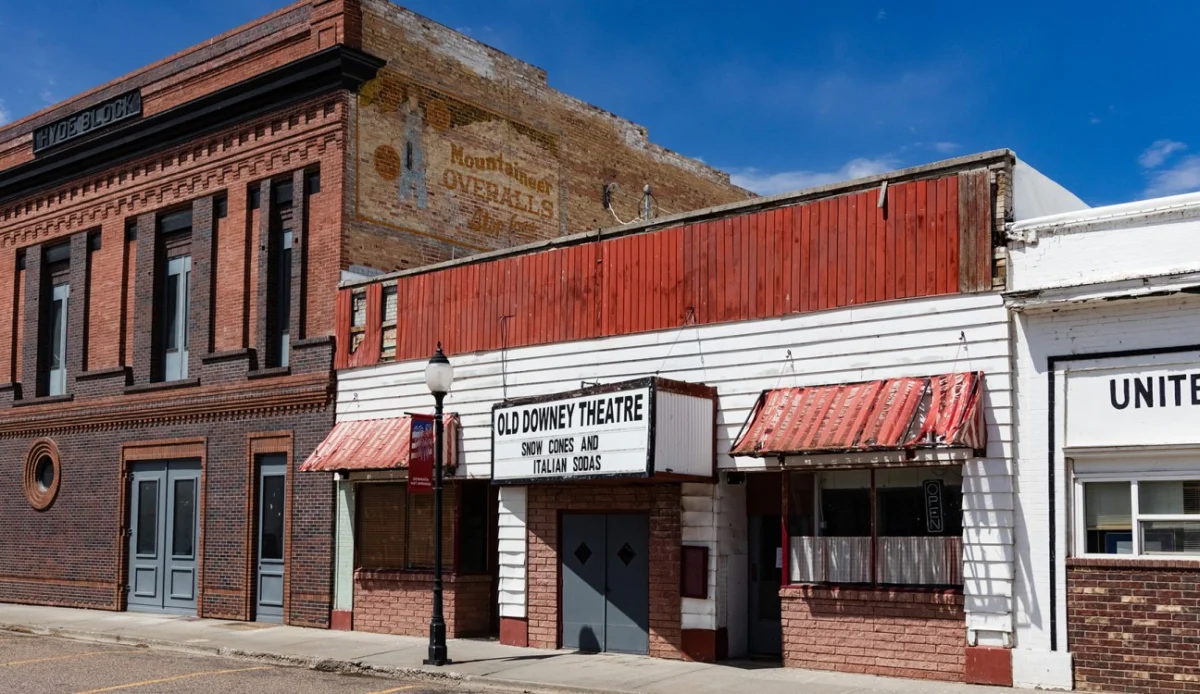
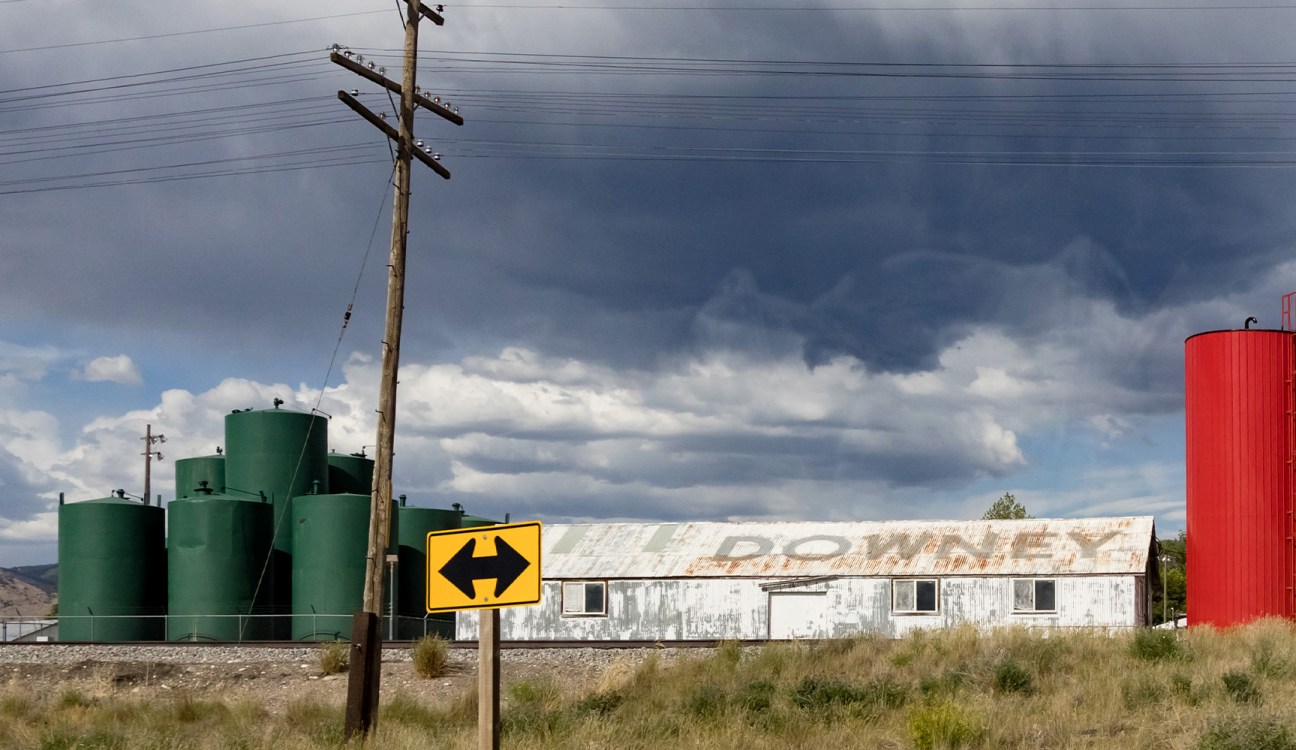
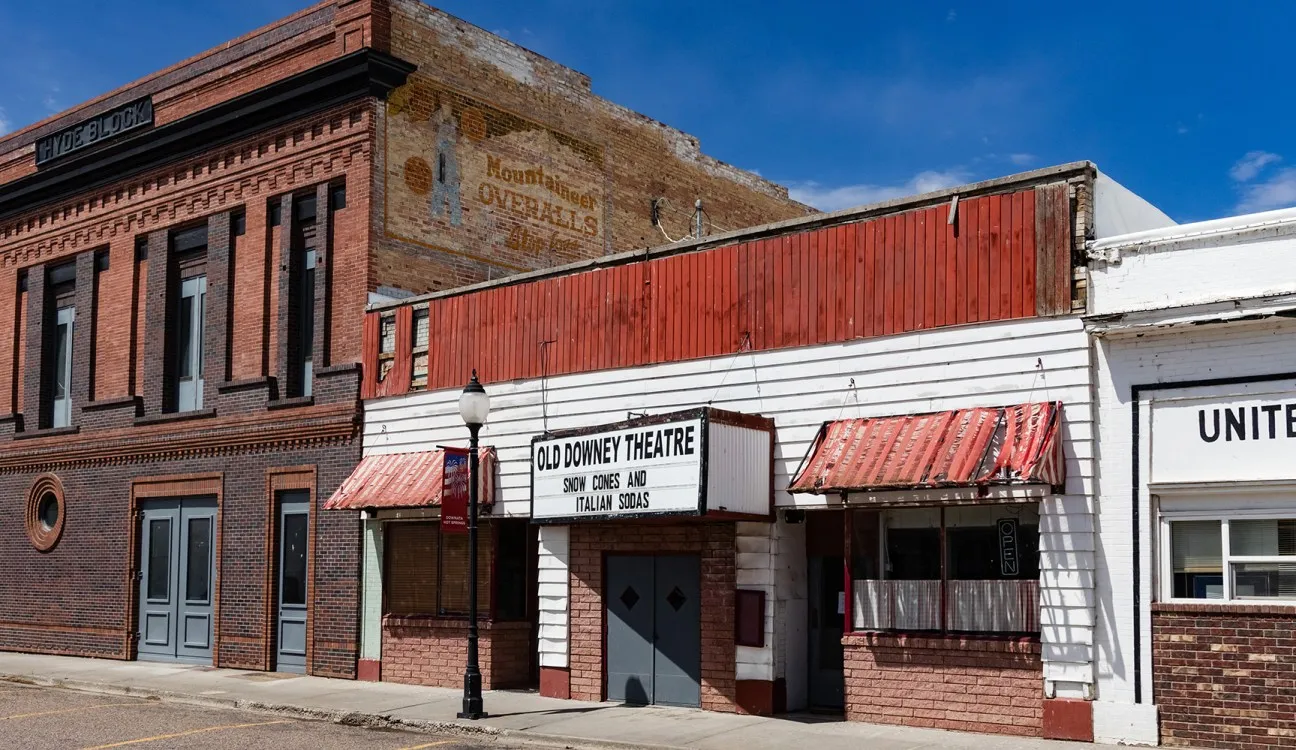
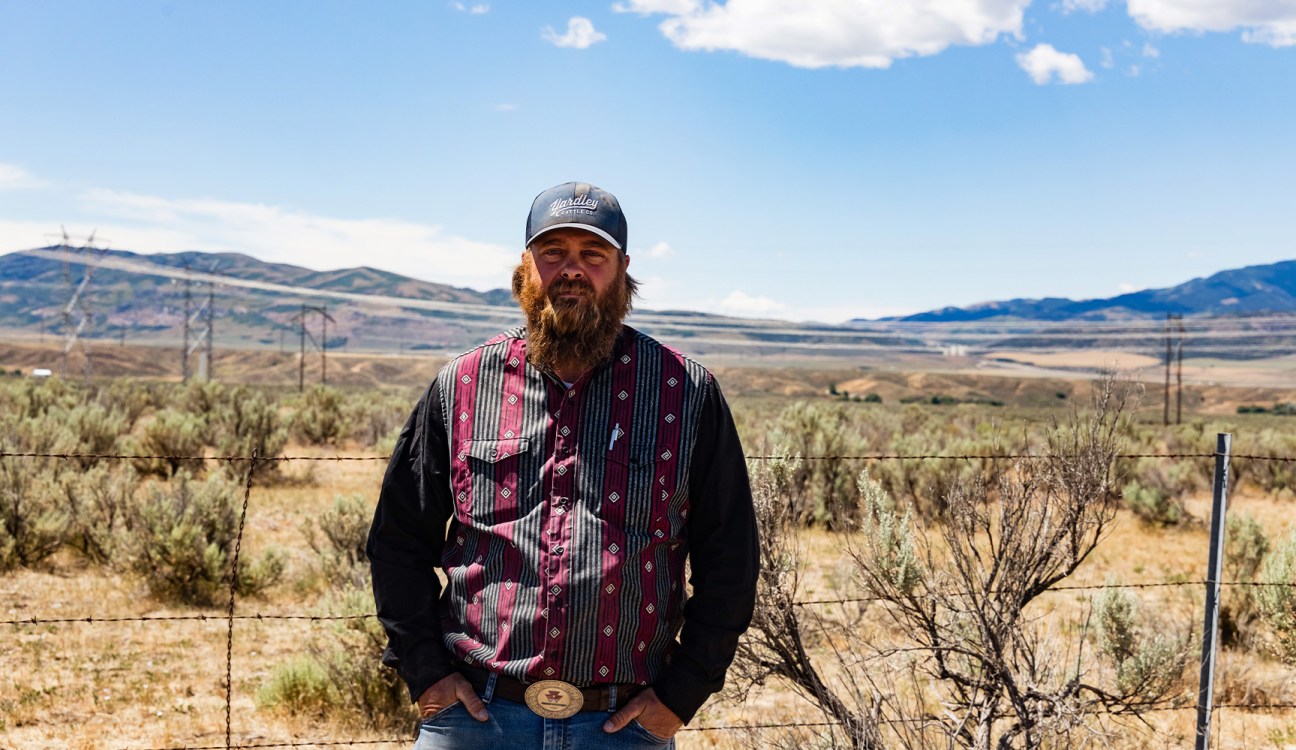
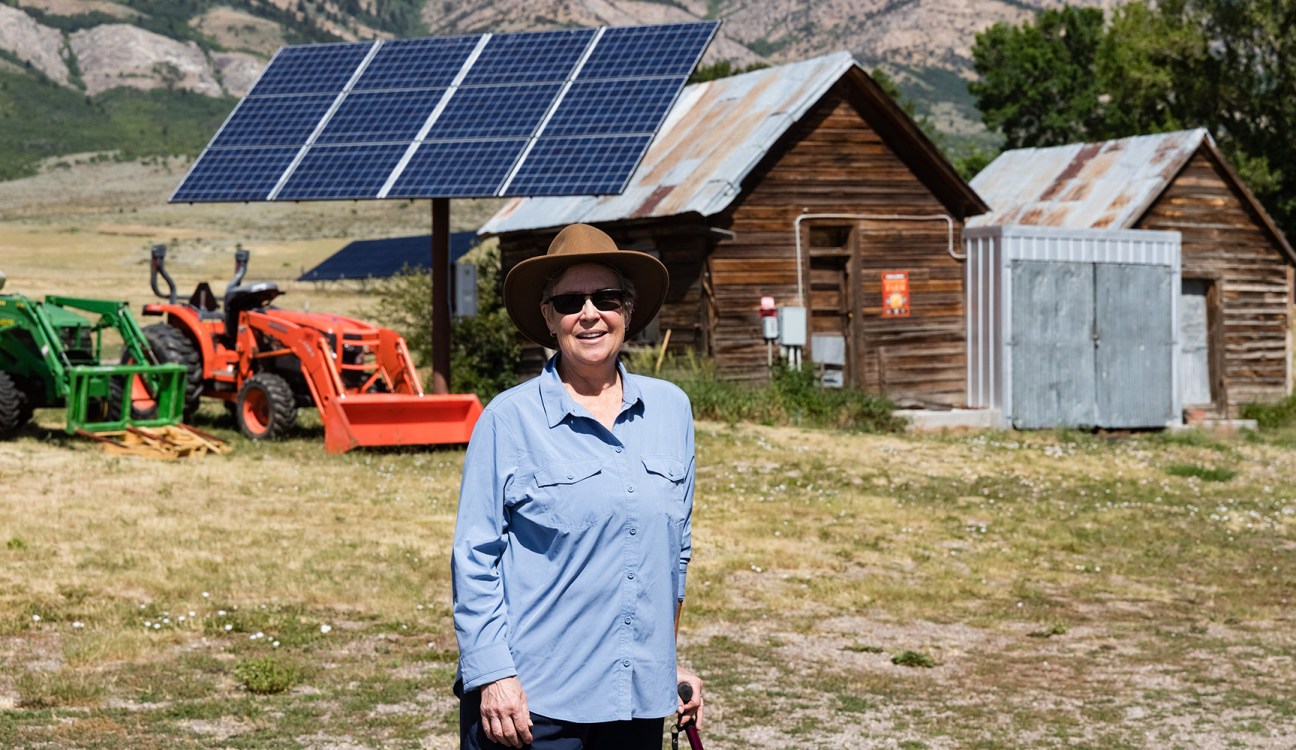
Concurrently, the steady decline of small-scale agriculture has hollowed out rural towns like Downey, which has lost its hospital, bank, pharmacy, movie theater, and grocery store over the generations. For some farmers, leasing unproductive or marginal acreage to solar developers offers a vital financial lifeline. Proponents like Dale Lish and LyttonHastings—who signed long-term lease options with energy developers—argue that the projected per-acre income from solar is several times higher than that of traditional wheat farming alone. This supplemental revenue stream, they contend, provides the necessary capital to preserve family farms for future generations.
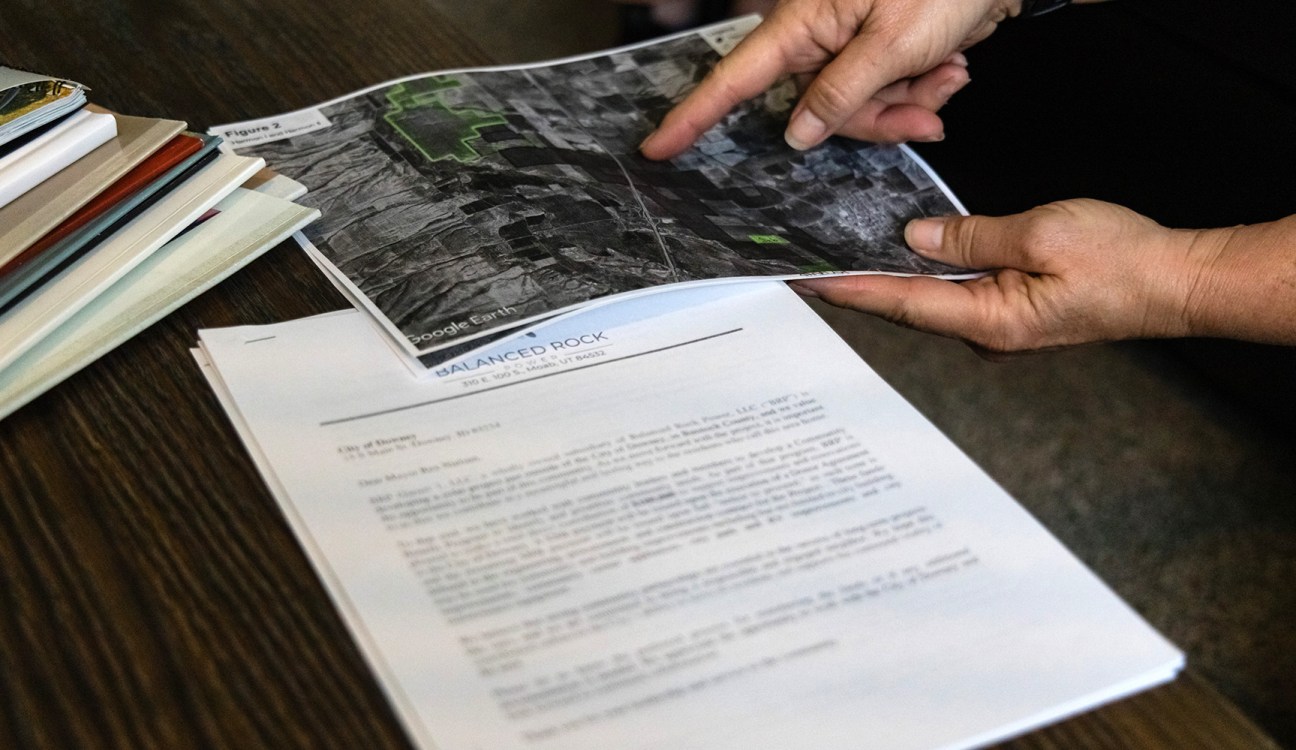
Neighboring counties provide tangible proof of the fiscal benefits associated with clean energy. In 2024, utility-scale projects in Power and Bingham counties generated over $900,000 and $639,000, respectively, in direct tax revenues. Furthermore, developers like Balanced Rock Power offered direct community benefit packages, including a proposed $100,000 contribution to the city of Downey, funds that could be utilized to restore critical civic services like a local grocery store.
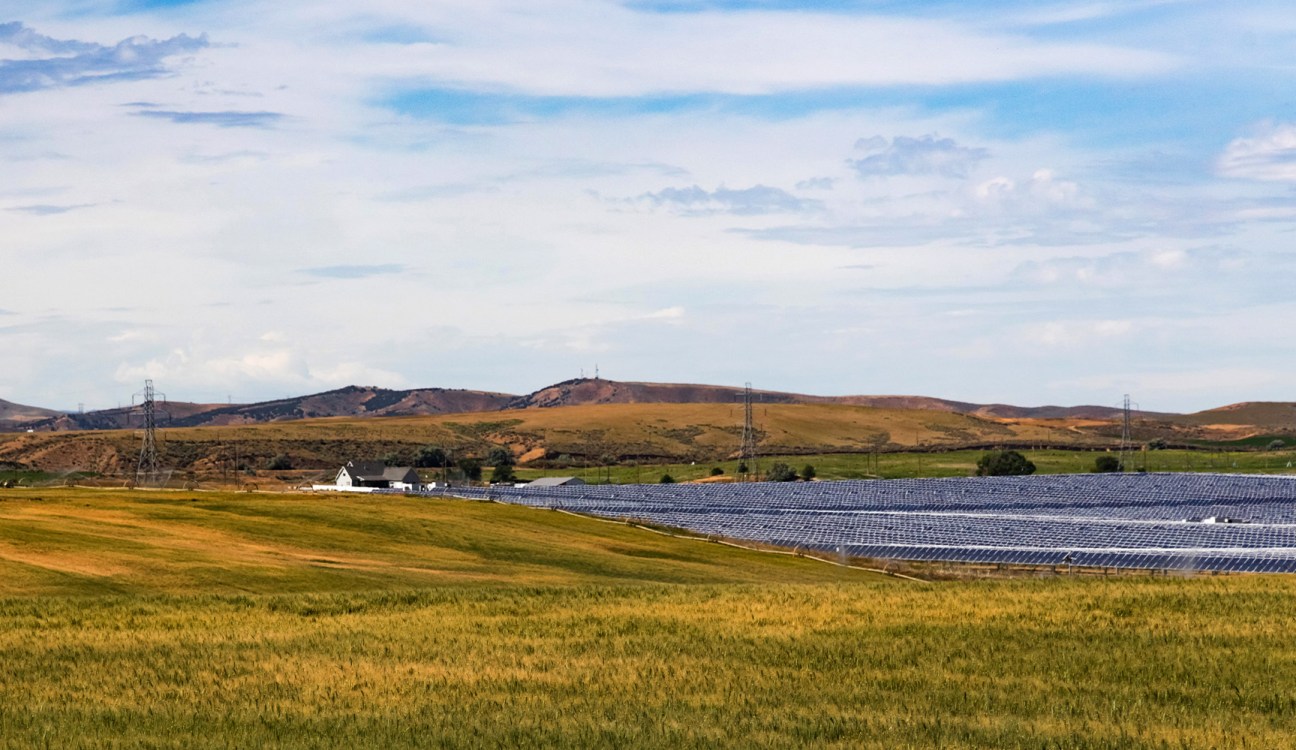
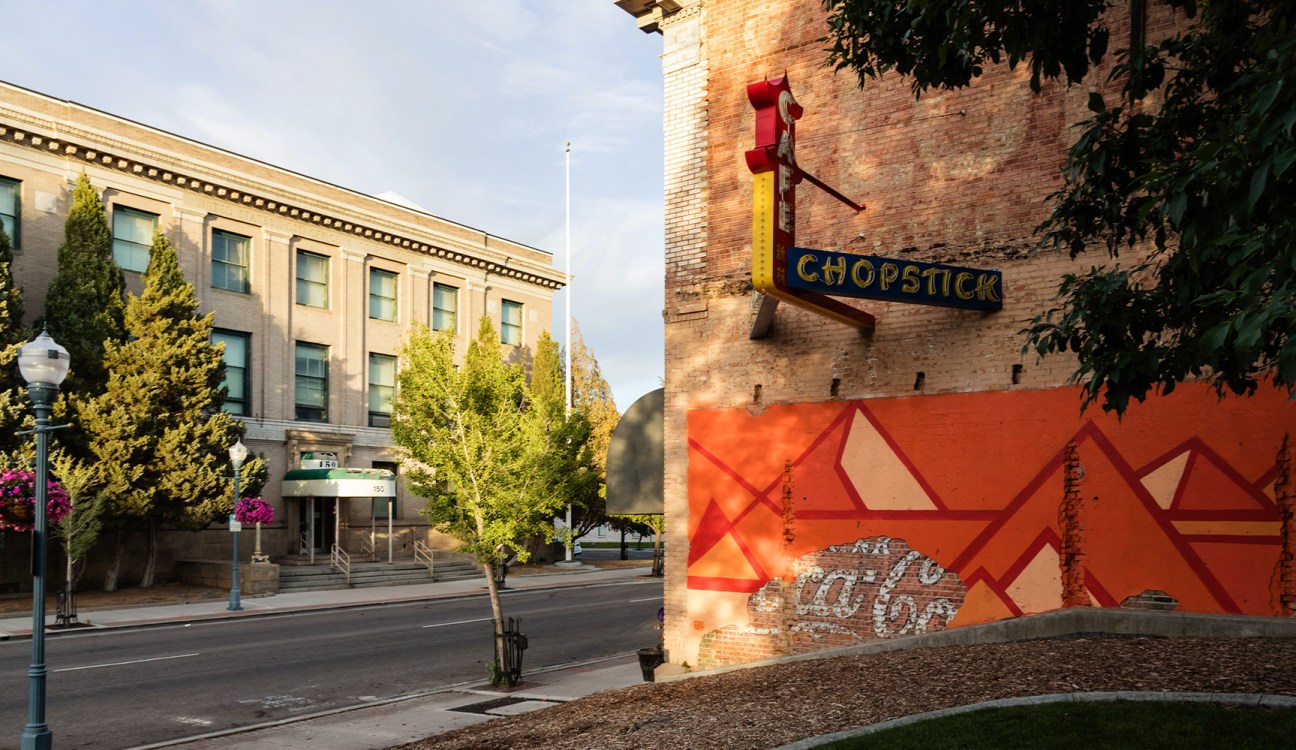
Conversely, opponents view industrial solar as an existential threat to the agricultural heritage of the region. Critics like Falcon contend that once prime agricultural land is converted to industrial energy use, the community loses its traditional base of cattle grazing, grain production, and hay farming. Furthermore, aesthetic concerns run deep; residents point to the existing visual footprint of the Populus substation and ongoing high-voltage transmission expansion projects—such as PacifiCorp’s multi-year Energy Gateway initiative—arguing that additional industrial infrastructure will irreversibly degrade the scenic value of the valley.
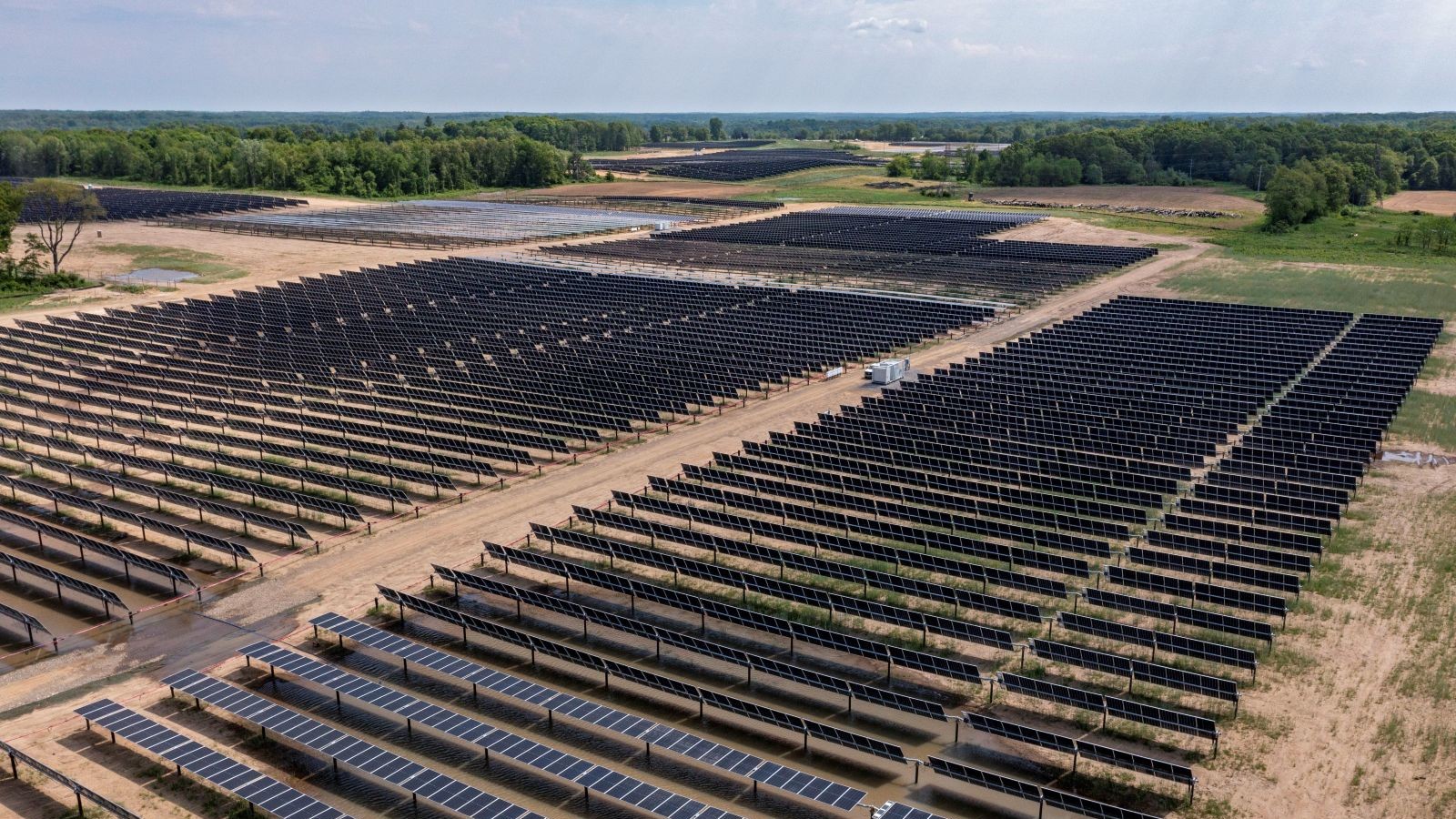
The Nuclear Consensus and Emerging Regulatory Safeguards
While utility-scale solar and wind remain contentious, public opinion surveys in Bannock County reveal a striking consensus regarding advanced nuclear energy. A county-wide survey conducted in January demonstrated that approximately 90 percent of respondents favor nuclear power development. This enthusiasm is heavily influenced by the proximity of the Idaho National Laboratory (INL), a premier federal center for advanced nuclear research located in southeastern Idaho. Supported by federal initiatives to accelerate microreactor test beds and private-sector ventures—such as Bill Gates-backed TerraPower constructing the nation’s first utility-scale advanced nuclear plant in neighboring Wyoming—local leaders view Bannock County as a prime candidate to participate in the emerging small modular reactor (SMR) economy.
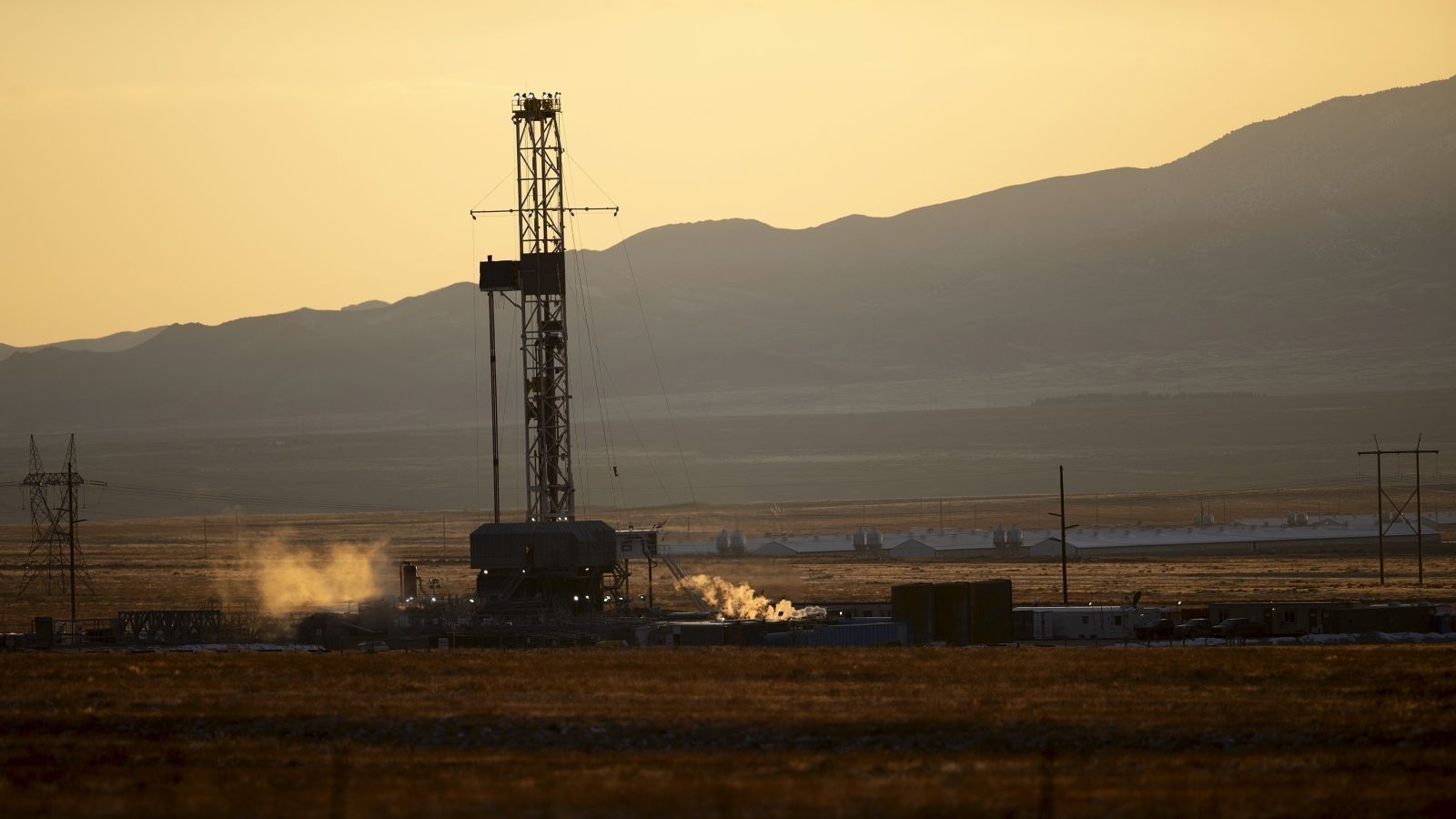
For many residents who vehemently oppose solar arrays covering thousands of acres, a compact nuclear facility representing a fraction of the land footprint is an attractive alternative. However, energy analysts caution that commercial deployment of next-generation SMRs faces significant regulatory, engineering, and supply-chain hurdles, with widespread commercial viability potentially a decade away. Recognizing this temporal gap, Hough and other proponents maintain that Bannock County cannot afford to reject near-term renewable generation sources like solar and wind while waiting for nuclear technology to mature.
To address legitimate community concerns regarding fire safety and site restoration, the newly drafted ordinance incorporates stringent regulatory guardrails. Under the proposed rules, commercial energy developers will be legally mandated to pay into a dedicated decommissioning bond and submit comprehensive site-restoration plans to return land to pre-construction conditions at the end of a facility’s 35-to-40-year lifespan. Additionally, draft provisions require developers to provide direct financial and equipment assistance to local, all-volunteer fire departments to ensure adequate emergency response capabilities for energy storage system technologies.
Implications for the Broader Rural West
The policy trajectory of Bannock County mirrors a broader national trend. According to analyses by the Sabin Center for Climate Change Law and USA Today, nearly a quarter of all U.S. counties implemented some form of ban, moratorium, or significant impediment to clean energy development by 2025, with more than 60 percent of those restrictive counties situated in rural areas.
As energy demand accelerates across the Western Interconnection, rural counties face a profound identity crisis: balancing the preservation of traditional agrarian landscapes and local autonomy against the pressing imperative for regional grid reliability and local economic diversification. Whether Bannock County successfully transitions from a posture of outright prohibition to one of regulated integration will serve as a critical benchmark for rural municipalities nationwide navigating the complexities of the modern energy economy.