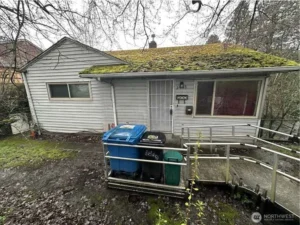
Selling a residential property is a complex financial transaction that requires navigating numerous legal, emotional, and logistical hurdles. Among the most critical steps in this journey is completing the seller’s property disclosure statement. While some homeowners feel tempted to conceal minor defects—fearing that transparency might scare away prospective buyers or diminish the property’s market value—withholding material information can lead to severe legal and financial repercussions long after the keys have been handed over. Transparency is not merely a courtesy extended to a prospective buyer; it is a legal mandate designed to protect both parties and uphold the integrity of the real estate market.
Understanding what must be disclosed, how state laws dictate these requirements, and how to properly document property conditions can mean the difference between a smooth closing and a costly post-sale lawsuit. Whether you are listing a property in a bustling coastal market like Tampa, Florida, a historic suburb in Pittsburgh, Pennsylvania, or a suburban neighborhood in Anaheim, California, a comprehensive approach to disclosures is essential for safeguarding your interests.
Why Full Disclosure Matters When Selling Your Home
At its core, a real estate disclosure is a formal, written document in which the seller outlines the known condition of a property. This includes structural damage, environmental hazards, historical repairs, and unresolved legal encumbrances such as liens or easements. Legal and real estate professionals universally agree that honesty is the best policy when drafting these documents.
From a legal perspective, failing to disclose material defects that you are aware of constitutes misrepresentation or fraud by omission. When a buyer discovers a significant, undisclosed issue after closing—such as a chronically leaking foundation, a failing septic system, or hidden mold—they often have grounds to take legal action. Post-sale litigation can be exceptionally expensive, frequently costing sellers far more than what it would have taken to fix the issue or lower the asking price upfront.
Furthermore, full disclosure establishes trust between the buyer and seller. In a competitive real estate market, buyers appreciate transparency. Providing detailed reports, maintenance records, and clear answers regarding the home’s history can accelerate negotiations and reduce the likelihood of a buyer backing out during the option period due to unexpected discoveries.
Mandatory Disclosures: What Cannot Be Left Off the Table
While the exact items required on a disclosure form vary widely depending on municipal and state statutes, certain categories of information are universally mandated across most jurisdictions. Sellers must typically disclose structural and mechanical integrity, including issues related to the roof, foundation, walls, plumbing, electrical wiring, and heating, ventilation, and air conditioning (HVAC) systems.
Environmental hazards also form a critical category of mandatory disclosures. Sellers are generally required to report the presence of hazardous materials such as asbestos, lead-based paint (mandatory for homes built prior to 1978), radon gas, and formaldehyde. Additionally, properties located in designated flood zones or those that have experienced historical water intrusion, storm damage, or mold must explicitly note these conditions.
Legal and title encumbrances cannot be ignored either. If a property is subject to boundary disputes, neighborhood easements, shared driveway agreements, or pending lawsuits involving the home, these must be explicitly stated. Finally, zoning violations, unpermitted additions, and major past property insurance claims can significantly impact a buyer’s ability to secure coverage or financing, making their disclosure legally mandatory.
State-Specific Guidance and Regional Real Estate Realities
Real estate laws are fundamentally state-regulated, meaning that a disclosure requirement in one state may not apply in another. Some states utilize highly detailed, standardized disclosure questionnaires that span multiple pages, prompting sellers to check "yes," "no," or "unknown" for dozens of specific items. Other states rely on broader legal mandates, requiring sellers to disclose any fact that would significantly affect the value or desirability of the property.
Regional vulnerabilities also shape local disclosure practices. In disaster-prone areas, specialized knowledge of local history is vital. Cole Murray, a real estate expert with Murray & Team operating in Southwest Florida, emphasizes the heightened scrutiny required in regions impacted by severe weather events. "In Southwest Florida, I tell buyers to start with flood and storm history," Murray notes. "After Hurricanes Ian, Helene, and Milton, any past flood claims, FEMA assistance, roof replacements, or water intrusion can directly affect whether a home is insurable and what that coverage will cost. I also flag vague answers like ‘unknown’ on major systems."
Similarly, states like California enforce strict disclosure timelines regarding stigmatized properties, requiring sellers to disclose whether a death occurred on the property within the past three years. To navigate these complex regional nuances, sellers should consult their state’s real estate commission website, hire a knowledgeable local real estate attorney, or partner with an experienced agent who understands local statutory requirements.
A Step-by-Step Disclosure Checklist for Sellers
To ensure that no critical details slip through the cracks, sellers should approach the disclosure process with a structured, methodical strategy. Using a reliable checklist can streamline the process and minimize the risk of oversight.
-
Review your home for known issues
Before filling out any paperwork, conduct a thorough walk-through of your property. Examine the attic, basement, crawlspaces, and exterior walls for signs of wear, moisture, or damage. Make a comprehensive list of everything you know has malfunctioned, leaked, or been repaired during your ownership. -
Collect documentation and maintenance records
Paper trails are a seller’s best defense. Gather receipts, warranties, permits, and inspection reports for any major work performed on the house. Laura Dandoy, a seasoned real estate professional, highlights the importance of thorough documentation for high-cost systems. "If the seller indicates that work or repairs have been done to bring the systems back to standard, ensure there are receipts and statements of condition for the work the seller completed," Dandoy advises. "Big-ticket items like the roof, pool heater and filter, and HVAC system are some of the most common systems that need thorough inspection and understanding. Additionally, a mainline sewer inspection is recommended for most every home as the housing inventory has aged." -
Complete disclosure forms accurately and completely
Fill out the official state or brokerage disclosure forms carefully. Answer every question truthfully, avoiding the temptation to gloss over inconvenient facts. If an item does not apply to your property, mark it as "not applicable" rather than leaving it blank. -
Update disclosures if new issues arise
The disclosure process is not a one-time event; it is an ongoing obligation. If your home suffers a plumbing leak, storm damage, or a mechanical failure while it is listed on the market, you are legally required to update your disclosure documents immediately to reflect the new condition. -
Provide comprehensive reports to buyers
Attach all relevant inspection reports, pest certifications, and repair invoices to the disclosure packet. Providing this information early in the transaction demonstrates good faith and gives buyers absolute clarity regarding what they are purchasing.
When Unclear, Do Not Guess: Seeking Professional Help
Homeownership is complex, and many sellers simply do not know the technical specifics of every system in their house. If you are aware of an anomaly—such as a strange sound in the plumbing or a hairline crack in the foundation—but do not know its underlying cause or severity, do not guess or attempt to minimize the issue on your disclosure form.
Guessing can lead to inaccurate statements, which legally constitute misrepresentation. Instead, consult a certified home inspector, licensed contractor, structural engineer, or real estate attorney. These professionals can evaluate the condition, provide an objective diagnosis, and help you draft an accurate, defensible description of the issue for prospective buyers.
Common Disclosure Mistakes and Their Legal Consequences
Even well-intentioned sellers can make critical errors during the disclosure process, often driven by deadline pressures or a misunderstanding of legal obligations. Avoiding these common pitfalls is vital for preventing post-closing litigation.
Failing to update disclosures when new property issues arise is a frequent misstep. A home remains subject to wear and tear while listed, and any damage occurring prior to closing must be communicated to the buyer. Another major error is using vague, overly broad, or evasive wording, such as writing "minor repairs done" instead of specifying that the roof was patched following a severe hail storm.
Furthermore, many sellers mistakenly believe that fixing a past problem means they no longer need to disclose it. Even if a basement leak was successfully waterproofed five years ago, the history of water intrusion is often considered a material fact that must be disclosed. Similarly, selling a home "as-is" does not absolve a seller from disclosure obligations; an as-is clause protects the seller from having to make repairs, but it does not excuse them from legally disclosing known material defects.
Legal experts caution against viewing disclosure forms as mere paperwork to be rushed through. Jimmy Nguyen, an attorney at the Law Office of Jimmy Nguyen APC, offers a stark warning regarding common seller mentalities. "The biggest mistake is treating the disclosure as an inspection report," Nguyen explains. "It is the seller’s answers about what the seller knows, and sellers forget, minimize, and sometimes lie. The second mistake is rushing through a thick packet under deadline pressure and missing a one-line disclosure that later becomes the whole case. Read every page, ask in writing about anything vague, get your own inspections, and keep the complete disclosure packet with your closing documents."
Protecting Yourself Through Total Transparency
Ultimately, full disclosure is designed to protect sellers just as much as it protects buyers. By laying all the cards on the table, you eliminate grounds for post-closing lawsuits alleging fraud, misrepresentation, or breach of contract. Taking the time to study your state’s specific legal mandates, gathering meticulous maintenance records, and partnering with qualified professionals ensures that your real estate transaction proceeds smoothly, ethically, and securely from listing to closing day.