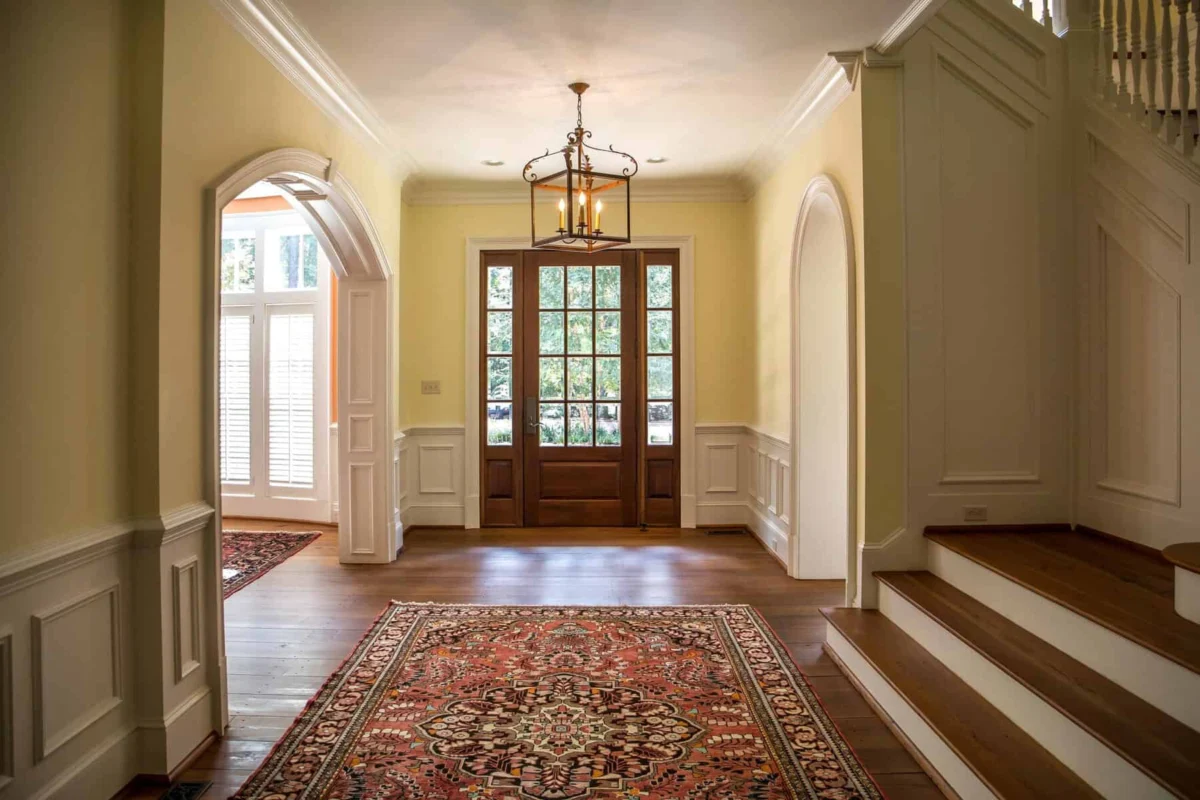
With the vast majority of prospective home buyers initiating their property searches online, the initial visual impression of a house often dictates whether a buyer schedules an in-person viewing or scrolls past to the next listing. Consequently, real estate photography has evolved from a routine administrative checklist item into one of the most critical marketing investments in a home sale. However, navigating the pricing structures of professional real estate media can be remarkably complex. Whether a seller is listing a spacious suburban property in Austin, Texas, a high-rise condominium in Arlington, Virginia, or a historic estate in Louisville, Kentucky, the costs associated with real estate photography vary widely based on numerous variables. Understanding the drivers behind these costs allows homeowners and real estate agents to evaluate quotes critically, avoid unexpected expenses, and select marketing packages that deliver a measurable return on investment.
The Core Factors Driving Real Estate Photography Costs
Professional real estate photographers do not pull their rates out of a hat; rather, pricing is calculated through a careful assessment of labor, equipment, technical expertise, and post-production time. Unlike casual snapshot photography, architectural and real estate media requires specialized wide-angle lenses, HDR (High Dynamic Range) exposure blending, precise vertical alignment, and advanced color grading to ensure interiors look bright, inviting, and true-to-life.
When reviewing quotes from local media providers, industry experts emphasize that comparing bottom-line totals can be misleading. Two packages priced at $250 might offer entirely different deliverables. Quotes typically account for several core components:
- Square Footage and Layout Complexity: Larger homes require more physical time on-site, more flash setups, and a higher volume of individual room shots.
- Geographic Location and Travel Time: Photographers servicing expansive regions often factor mileage or base call-out fees into their quotes.
- Turnaround Time: Standard delivery windows usually range from 24 to 48 hours, but expedited morning delivery or same-day turnaround often commands premium surcharges.
- Licensing and Usage Rights: Standard packages generally include MLS and basic marketing rights, while commercial advertising, builder portfolios, or architectural print licensing may incur additional fees.
Industry Pricing Models: Square Footage Versus Photo Count
To make their services digestible, professional photographers typically structure their rates around one of two primary economic models: square footage pricing or set photo-count packages. Each model offers distinct advantages and disadvantages for budgeting sellers.
The Square Footage Approach
Some contemporary photographers prefer tying their base fees directly to the physical size of the property rather than capping the number of images delivered. This model ensures that the photographer is adequately compensated for the time required to cover a sprawling layout while guaranteeing the client receives comprehensive visual coverage.
Wade, owner of WadeVision based in Loudoun County, Virginia, transitioned to this model after encountering recurring discrepancies with strict image limits. "Our basic real estate photography starts at around $170," Wade explains. "I used to charge based on the number of photos, but I found that larger homes often required more coverage than clients originally ordered, so I switched to pricing primarily by square footage."
Under this modern framework, Wade’s basic tier includes professionally edited HDR photographs with no strict photo limit, backed by a standard 24-hour turnaround. Upgraded tiers expand to include measured floor plans, 3D immersive tours, video walkthroughs, and virtual staging. Wade advises sellers to prioritize complete, high-quality property coverage over chasing the lowest price point, selecting services that directly align with their broader marketing objectives.
The Package Tier and Photo Count Approach
Conversely, many successful media companies build their pricing around predefined tiers containing a specific quantity of images. This approach provides absolute cost predictability, allowing agents and homeowners to know precisely what they are purchasing. However, these base prices often serve as a starting point rather than the final investment.
Scott Golmic, owner of The Real Estateographers, which serves northeast Florida including the Jacksonville metropolitan area, illustrates how bundled packages function in practice. "At The Real Estateographers, professional photography starts at $225 for 25 edited photos, including a measured floor plan, blue-sky guarantee, property website, marketing kit, and next-morning delivery," Golmic states. "On average, we find that agents invest approximately $425 per listing." Golmic recommends selecting services that not only showcase a property’s aesthetic appeal but also provide comprehensive spatial context for out-of-town buyers while helping agents differentiate themselves in competitive local markets.
Regional Variations and Standard Package Tiers
Real estate markets are inherently local, and prevailing regional economic conditions heavily influence service rates. A standard photography package in a high-cost-of-living metropolitan area will naturally command a higher price than the same service in a smaller regional market.
Jeremy Blum, principal of Jeremy Blum Photo, serving Louisville and Lexington, Kentucky, notes that local market pricing tends to cluster within a predictable band. "Most sellers can expect to pay $200 to $250 for a standard photo package, which typically includes 30 to 50 professionally edited photos and a 24-hour turnaround," Blum observes. "We also offer additional services like drone shots, video walkthroughs, and virtual staging for those looking to maximize their visual marketing impact."
Because local competitors often operate within similar pricing windows, Blum advises sellers to look beyond minor cost differences and focus on portfolio quality and stylistic alignment. Reviewing recent neighborhood listings helps clients identify which photographic style best complements their property type.
For entry-level listings or smaller condominiums, specialized starter packages provide essential visual coverage without unnecessary frills. Perfect Real Estate Visuals, operating in South Florida, structures its offerings around tiered scalability. "Our packages start at $125, with pricing varying based on property size, location, and services selected," company representatives explain. "Basic packages focus on high-quality HDR photography, while premium options can include aerial drone photography, walkthrough videos, Matterport 3D tours, and floor plans."
The Financial Impact of Add-Ons and Full Marketing Bundles
While basic interior and exterior photography establishes the foundation of a listing, modern real estate marketing frequently incorporates supplementary media formats designed to capture consumer attention across social media platforms and listing syndication websites. These add-ons are where project budgets can expand rapidly.
Photo-Only Versus Comprehensive Media Bundles
Photo-only packages represent the most economical entry point, but comprehensive marketing bundles offer heightened exposure. Shutter Zone Media, serving Milwaukee and Southeast Wisconsin, outlines a broad pricing spectrum for modern sellers. "Real estate photography pricing varies by market, but at Shutter Zone Media, photo-only options generally range from $130 to $400, with interior photography and complimentary exterior photos when captured during the same appointment," management notes.
However, when clients integrate aerial drone coverage, cinematic video walkthroughs, and interactive 3D digital tours, total expenditures can easily reach $1,500 or more for luxury or expansive properties. To maximize value, Shutter Zone Media recommends collaborating closely with a listing agent to identify which specific media assets serve the property best—such as deploying drone photography to highlight acreage or utilizing a 3D tour to clarify a complex interior layout.
The Rise of Short-Form Video and Cross-Platform Bundling
As consumer consumption habits shift toward dynamic, video-first platforms like Instagram Reels, TikTok, and YouTube Shorts, cinematic video has transitioned from a luxury add-on to an essential listing component.
Andrii Sosnovskyi, Real Estate Media Director at DMV SKY Real Estate Photography—serving Washington, D.C., Virginia, and Maryland—highlights how modern media packages are constructed. "In 2026, short-form video has become the must-have in a listing package: one-minute social media Reels start at $400, while MLS walkthrough videos start at $230," Sosnovskyi states. "Photography remains the foundation, with flash photography for homes under 3,000 square feet starting at $180. The final price is built from there by property size, turnaround time, and add-ons."
Sosnovskyi emphasizes that strategic bundling significantly mitigates these costs. For instance, pairing a floor plan with an interactive Matterport tour often unlocks discounted add-on rates, reducing the floor plan add-on to around $80. The overarching strategic takeaway for sellers is to avoid accumulating superfluous services, focusing instead on a curated mix of media tailored directly to the target demographic of prospective buyers.
Budgeting Strategies and Financial Planning for Home Sellers
Because photography represents just one line item within the broader financial ecosystem of selling a home—which includes agent commissions, closing costs, staging, pre-listing inspections, and potential repairs—establishing a clear photography budget early in the preparation phase is vital.
Sellers can optimize their investment and avoid surprise invoices by adhering to several practical budgeting habits:
- Request Itemized Quotes: Always ask media providers for a detailed breakdown distinguishing base photography from digital floor plans, drone flights, and video production.
- Clarify Agent Inclusions: Determine whether your listing agent covers professional photography out of their commission structure or if it is billed directly to the seller as an upfront out-of-pocket expense.
- Prepare the Property in Advance: Ensure the home is immaculately clean, decluttered, and fully staged before the photographer arrives. Last-minute rescheduling or delays caused by incomplete cleaning frequently result in travel or hourly wait fees.
- Evaluate Target Demographics: Match the marketing package to the price point of the home. Luxury properties and competitive seller’s markets demand robust multimedia bundles, whereas entry-level homes may achieve optimal returns with standard HDR photography and a 2D floor plan.
Frequently Asked Questions About Real Estate Photography Pricing
How much does real estate photography cost on average?
Pricing fluctuates significantly based on local market dynamics, property square footage, and selected package tiers. Basic photo sets typically start in the low hundreds of dollars (around $125 to $225), while comprehensive media bundles incorporating cinematic video, aerial drone imagery, and interactive 3D tours can range from $400 to $1,500 or higher. Obtaining itemized quotes from established local providers ensures accurate budget forecasting.
Who is ultimately responsible for paying for listing photos?
Responsibility for photography costs depends entirely on the listing agreement negotiated between the homeowner and the real estate brokerage. Some full-service listing agents absorb professional media costs as part of their marketing commitment, while other agents bill these expenses directly to the seller as an upfront marketing fee. Homeowners should explicitly clarify how these costs are handled before executing a listing agreement.
Are drone photos, video walkthroughs, and 3D tours necessary for every home?
Not every property requires advanced multimedia assets. Aerial drone photography is exceptionally valuable for homes situated on large acreage, waterfronts, or unique topography. Similarly, 3D tours and measured floor plans are highly effective for helping buyers understand complex or multi-level layouts. A knowledgeable listing agent can evaluate the local competitive landscape and recommend the specific media formats required to maximize buyer engagement.
What is the distinction between a 2D floor plan and a 3D digital tour?
A 2D floor plan is a technical architectural diagram illustrating the spatial relationships between rooms, often including precise square footage measurements and wall dimensions. Conversely, a 3D tour is an immersive, interactive digital recreation of the interior that allows prospective buyers to virtually navigate through the property online from any remote location. Many professional media companies offer both services as complementary components within mid-to-high-tier marketing bundles.
Is virtual staging a cost-effective alternative for vacant homes?
Virtual staging digitally inserts photorealistic furniture, artwork, and decor into photographs of empty rooms, enabling online buyers to visualize spatial scale and room functionality. While significantly more affordable than physical staging—which requires renting, transporting, and arranging physical furniture—the ultimate value of virtual staging depends on the property’s price point and local buyer expectations. Consulting with a real estate professional ensures that the investment in virtual staging aligns with the broader sales strategy.