For decades, the silent disappearance of frog populations in Brazil’s Atlantic Forest stood as one of the most perplexing ecological enigmas of the 20th century. During the 1970s and 1980s, researchers observed a sudden, precipitous decline in amphibian species across this biodiversity hotspot. Theories abounded, ranging from the impact of severe climate anomalies and uncharacteristic cold snaps to the deleterious effects of acid rain and environmental degradation. However, a groundbreaking study recently published in the journal Molecular Ecology has provided compelling evidence that the true antagonist was likely a biological one: the highly contagious and deadly pathogen Batrachochytrium dendrobatidis (Bd).
The discovery, led by a team of researchers from the United States and Brazil, hinges on the retrospective analysis of preserved biological specimens. By leveraging museum collections as "biological time capsules," scientists have been able to bridge a critical data gap that has hindered conservation efforts for nearly fifty years.
Unlocking the Biological Archives
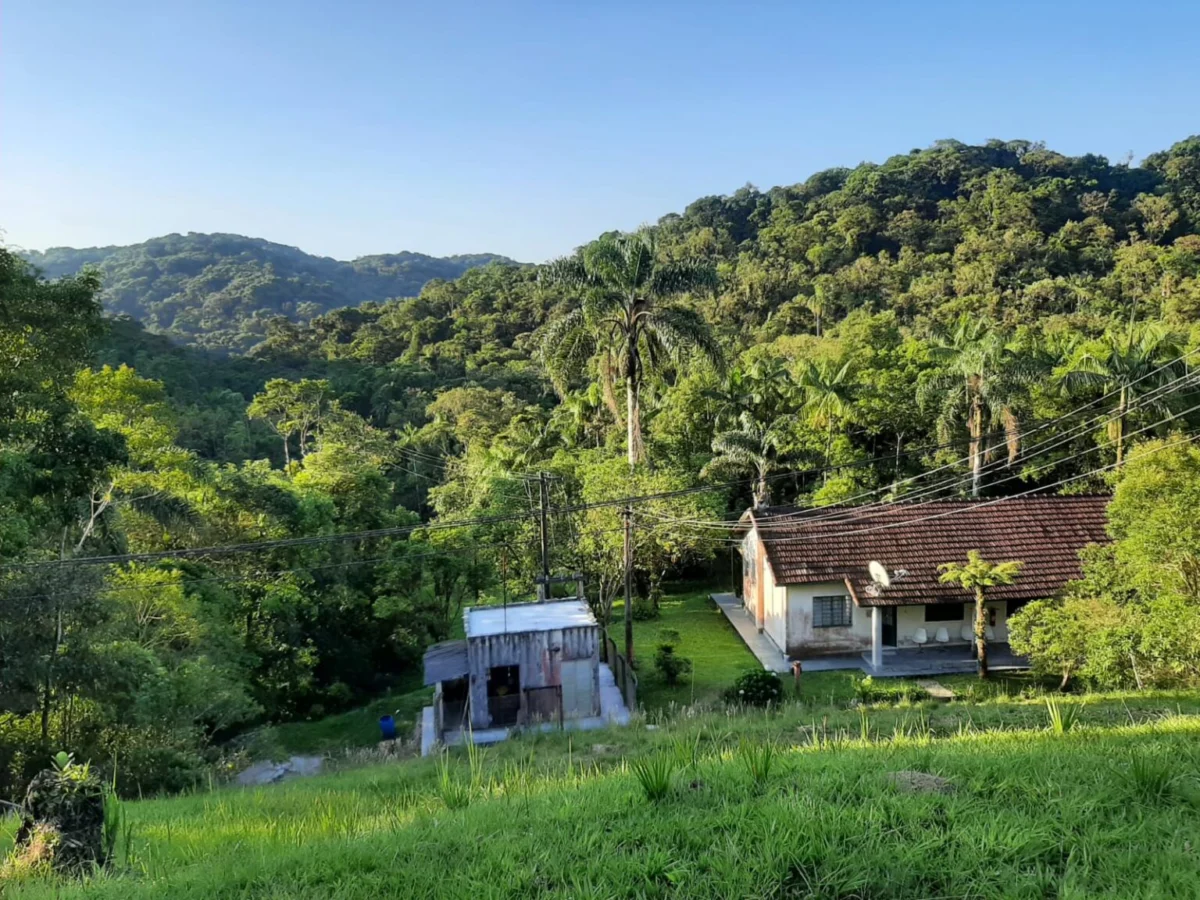
The investigation centered on specimens collected at the Boracéia Research Station in the Atlantic Forest. During the 1970s and 1980s, William Ronald Heyer, a prominent curator at the Smithsonian Institution, undertook the monumental task of gathering and preserving 370 frogs representing 17 distinct species. These specimens formed the backbone of the study, though a notable absence of collections between 1979 and 1982—a period that coincided with the most dramatic phase of the decline—had previously left investigators with an incomplete picture.

"There’s a gap right when the decline happened," explained Jack Boyette, the study’s lead author and a Ph.D. candidate at Pennsylvania State University. "So, we have this really amazing temporal collection before and after the decline."
By applying rigorous molecular techniques to these historic samples, the research team identified a clear, binary pattern: the pathogen was entirely absent in the 1978 specimens, yet became pervasive in samples from 1983 onwards. This sudden emergence, characterized by researchers as a "really rapid expansion," suggests that the fungal pathogen infiltrated the ecosystem with devastating efficiency during the window where no biological sampling was conducted.
The Mechanism of a Silent Killer
Batrachochytrium dendrobatidis, the fungus responsible for the infectious skin disease known as chytridiomycosis, has long been recognized as a global threat to amphibian biodiversity. Since its description in 1999—years after it began causing widespread mortality—it has been linked to the decline or extinction of more than 500 species worldwide.
The pathogen targets the amphibian’s skin, a critical organ for these animals. Because frogs breathe and regulate their water, salt, and mineral balance through their dermis, the infection causes severe physiological distress. Symptoms often include reddening of the skin, excessive shedding, and the development of ulcers, frequently accompanied by neurological and behavioral changes that render the animals susceptible to predation or environmental stressors.

To confirm the presence of the pathogen in the historical samples, the team employed a multi-layered diagnostic protocol. They utilized PCR (polymerase chain reaction) tests to detect the pathogen’s DNA and genotyped the fungus to identify its lineage. The results indicated that the population was first hit by a highly virulent global strain (Bd-GPL), followed by the introduction of a second, less-virulent strain known as Bd-Brazil. To ensure the accuracy of their findings, the researchers conducted molecular analyses to rule out DNA degradation—a common concern with samples stored for decades in formalin and ethanol—and performed swabs of the storage jars to eliminate the possibility of contamination.
Scholarly Debate and Scientific Nuance
While the link between the pathogen’s arrival and the population crashes is statistically robust, the scientific community remains engaged in a healthy debate regarding the multifaceted nature of these declines. Not all experts are convinced that Bd acts as the sole driver of extinction.
Lucas Ferrante, a researcher at the University of São Paulo, has expressed skepticism regarding the causal link. In his view, while the study successfully documents the presence of Bd, it does not definitively prove that the fungus was the primary catalyst for the historical declines. Ferrante posits that Bd may function as an "opportunistic" pathogen, with the underlying impetus for the population crashes being climatic disturbances, such as El Niño anomalies and shifting weather patterns.
"Detecting a pathogen after a population decline is not equivalent to demonstrating that it caused the decline," Ferrante noted. He argues that the epidemiological design, while highly sophisticated, cannot fully account for the synergy between environmental stress and disease susceptibility.

Resilience and the Lessons of History
One of the most surprising findings of the study involves the paradoxical response of different species. Some of the most severely affected species showed no detectable signs of the pathogen, while others that maintained stable populations were heavily infected. Researchers hypothesize that this counterintuitive result may stem from the fact that the most susceptible individuals perished and were removed from the landscape before they could be collected, or that some species possessed innate immunological resilience.
Field surveys conducted at the Boracéia Research Station in 2022 and 2024 offer a glimmer of hope. Many of the species that suffered drastic losses in the 1980s have shown signs of recovery and are once again among the most abundant in the region. This demonstrates a level of ecological resilience that was previously undocumented in the area. However, the victory is not absolute; at least five of the original 17 species, including the Rio spinythumb frog (Crossodactylus dispar) and the flattened waterfall frog (Cycloramphus boraceiensis), appear to have been lost to the region entirely.
Implications for Future Conservation
The broader implications of this research extend far beyond the Atlantic Forest. By demonstrating how historical data can be mined to solve "cold cases" in wildlife disease, the study provides a roadmap for future conservation strategies.
The immediate threat now facing the global scientific community is Batrachochytrium salamandrivorans (Bsal), a chytrid fungus that specifically targets salamanders and newts. Often referred to as the "salamander plague," it has already caused significant mortality in European populations and is considered a major threat should it reach North America.

"Understanding the past, what happened historically with fungal pathogens and amphibian biodiversity loss, helps us understand how these fungi spread, how these pathogens spread, and how they behave in communities," Boyette stated. "It can allow us to anticipate what’s going to happen, for instance, when Bsal arrives in North America."
The research team is currently applying these same methodologies to a collection of frog specimens from Costa Rica, collected prior to declines in the Monteverde region. The goal is to create a standardized toolkit for investigating emerging diseases that can be applied to museum collections worldwide.
A Call for Continued Vigilance
As the scientific community continues to grapple with the "detection lag"—the time between the emergence of a pathogen and its identification—the value of natural history museums becomes increasingly apparent. These institutions act as vital libraries of environmental history, containing the evidence needed to reconstruct the timelines of wildlife disease outbreaks.
Renato Martins, a co-author and ecologist at São Paulo State University, emphasizes that while the study offers a compelling explanation for the past, it also serves as a warning for the present. "Seeing these patterns again reinforces the need to closely monitor amphibian populations in seemingly pristine tropical forests," he said.

The case of the Boracéia frogs serves as a powerful reminder that the health of an ecosystem is often tied to microscopic interactions that remain invisible to the naked eye until it is too late. By combining the meticulous, long-term preservation efforts of past biologists with the advanced molecular technologies of the present, researchers are not only uncovering the secrets of the past but also arming themselves with the insights necessary to mitigate the impact of future biological threats.
As the world faces an era of accelerating climate change and increased global connectivity, the vulnerability of amphibian populations—which serve as critical indicators of ecosystem health—remains a top priority for conservationists. Whether the decline was caused by a singular pathogen or a complex interplay of disease and climate, the lesson remains the same: proactive monitoring and the preservation of biological records are essential tools in the fight to prevent further losses in global biodiversity.