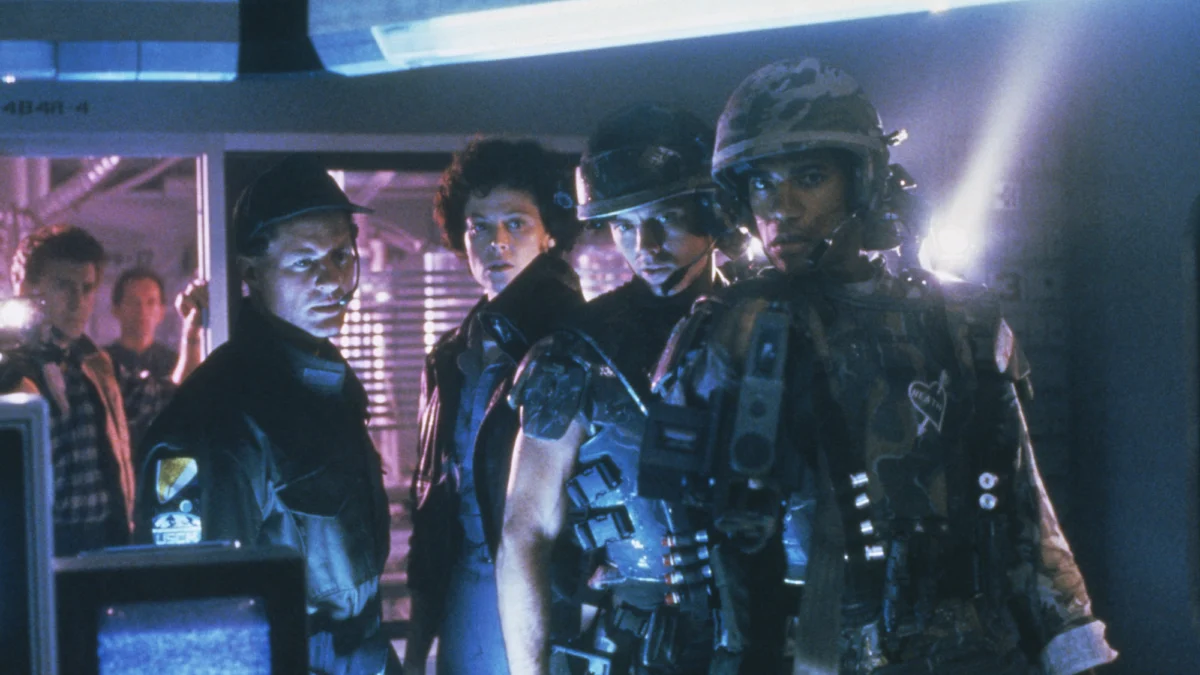
The enduring debate over James Cameron’s 1986 science fiction masterpiece, "Aliens," often positions it as either the pinnacle of the franchise or a worthy successor to Ridley Scott’s original atmospheric horror. Regardless of individual preference, the film undeniably marked a pivotal shift, transforming the "Alien" saga from a claustrophobic nightmare into a high-octane, action-laced sci-fi spectacle. Cameron himself articulated this vision, describing the sequel in an interview with Lofficier as intentionally less about pure terror and more about an "exhilarating" intensity derived from its relentless action sequences. This strategic pivot not only resonated with audiences but also carved out a distinct and influential path for the future of cinematic science fiction.

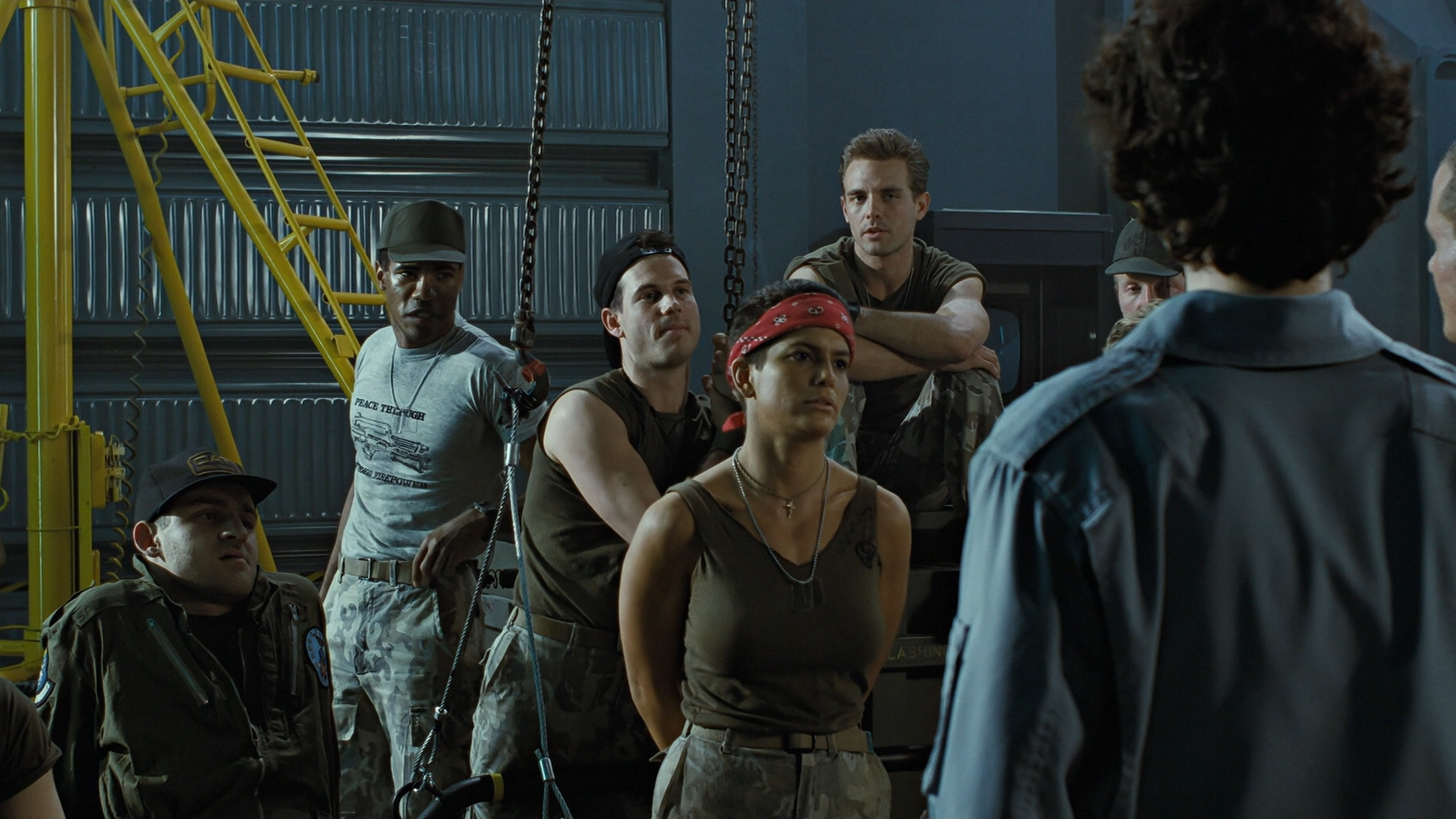
The narrative progression of "Aliens" logically follows Ellen Ripley’s survival of the terrifying Xenomorph in the first film. Now, 57 years later, Ripley, played with fierce determination by Sigourney Weaver, is awakened from cryo-sleep to confront her deepest fears. The discovery of colonists on LV-426, the very planet where the original ill-fated Nostromo encountered the creature, forces her back into the fray. This time, however, she is not alone. She is accompanied by a squad of battle-hardened Colonial Marines, whose initial bravado and firepower are expected to provide a decisive advantage. Yet, as the story unfolds, the effectiveness of these highly trained soldiers against the overwhelming alien threat proves to be a stark and often grimly humorous counterpoint to Ripley’s seasoned resilience.
"Aliens" was a monumental success, both critically and commercially, solidifying James Cameron’s reputation as a director with an extraordinary talent for sequels. Renowned film critic Roger Ebert lauded the film as "a superb example of filmmaking craft," a sentiment that continues to hold true decades later. However, the path to the screen for "Aliens" was far from smooth, fraught with numerous near-death experiences for the production itself.

The Perilous Genesis of a Sequel
Despite the significant profit generated by the original 1979 film, "Alien," the labyrinthine accounting practices of Hollywood led 20th Century Fox to perceive the project as less of a financial triumph and more of a cautionary tale. This financial ambiguity cast a long shadow over the prospect of a sequel, leaving the studio hesitant to greenlight another installment. So uncertain was Fox about the franchise’s future that, at one point, they reportedly considered selling the rights entirely, with the producers of the "Rambo" franchise being among the potential buyers. This near-miss scenario offers a fascinating, albeit speculative, glimpse into an alternate universe where John Rambo might have faced off against hordes of Xenomorphs, perhaps set to the iconic score of Jerry Goldsmith.
Cameron’s Vision and Fox’s Hesitation
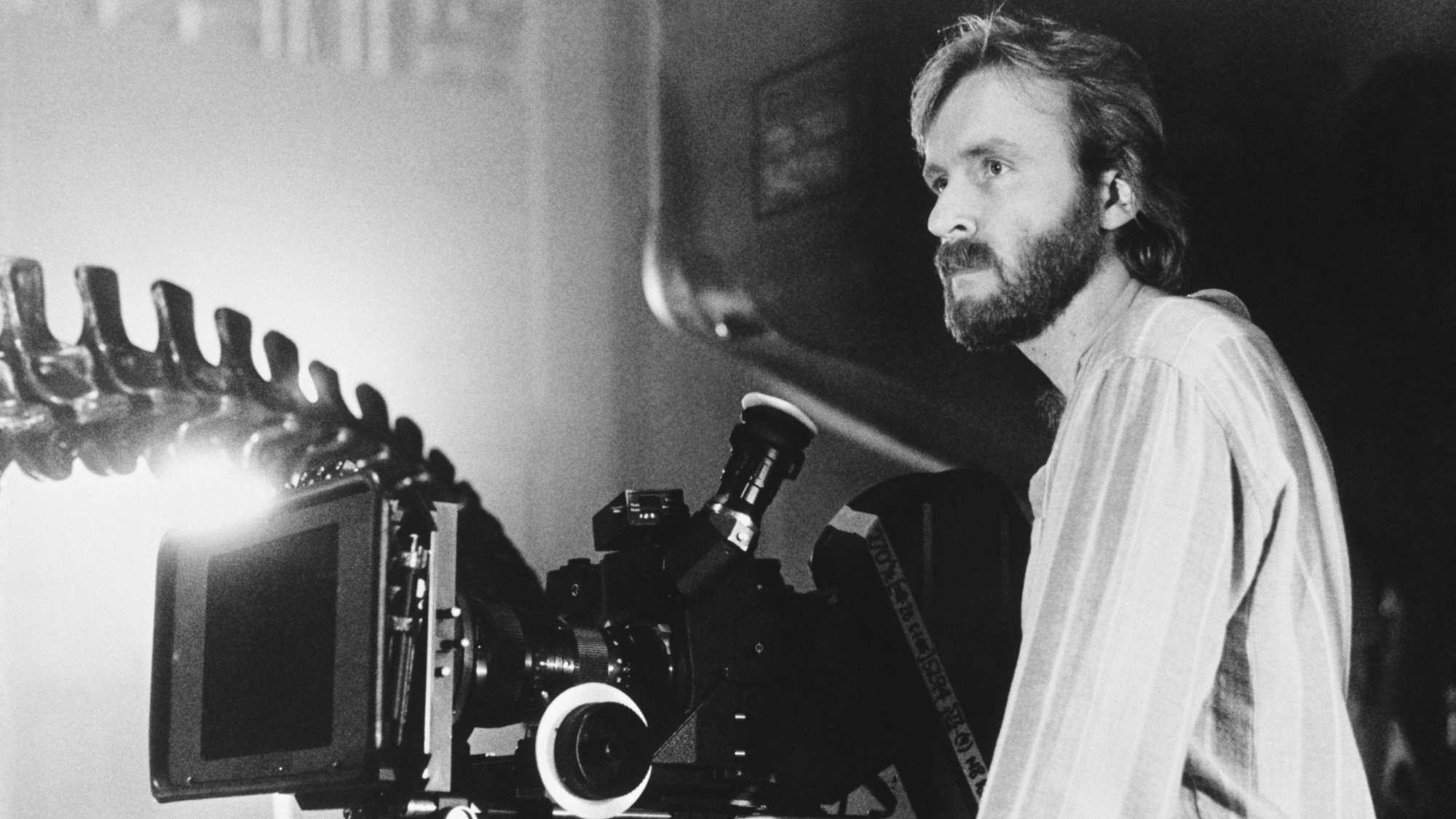
The pivotal moment for the franchise’s continuation arrived with the emergence of James Cameron. Following the success of his groundbreaking film "The Terminator" in 1984, Cameron was approached by the studio to develop a treatment for a sequel. In a remarkable display of efficiency, Cameron produced a comprehensive 45-page treatment in just three days in 1983. This document, which can be accessed online, laid the foundational elements of what would become "Aliens," detailing the return of Ripley and introducing the concept of a Colonial Marine force. However, even this compelling proposal initially failed to ignite enthusiasm at Fox. Reports suggest the studio was actively seeking reasons to not proceed with the film, a stance that required significant internal advocacy to overcome.
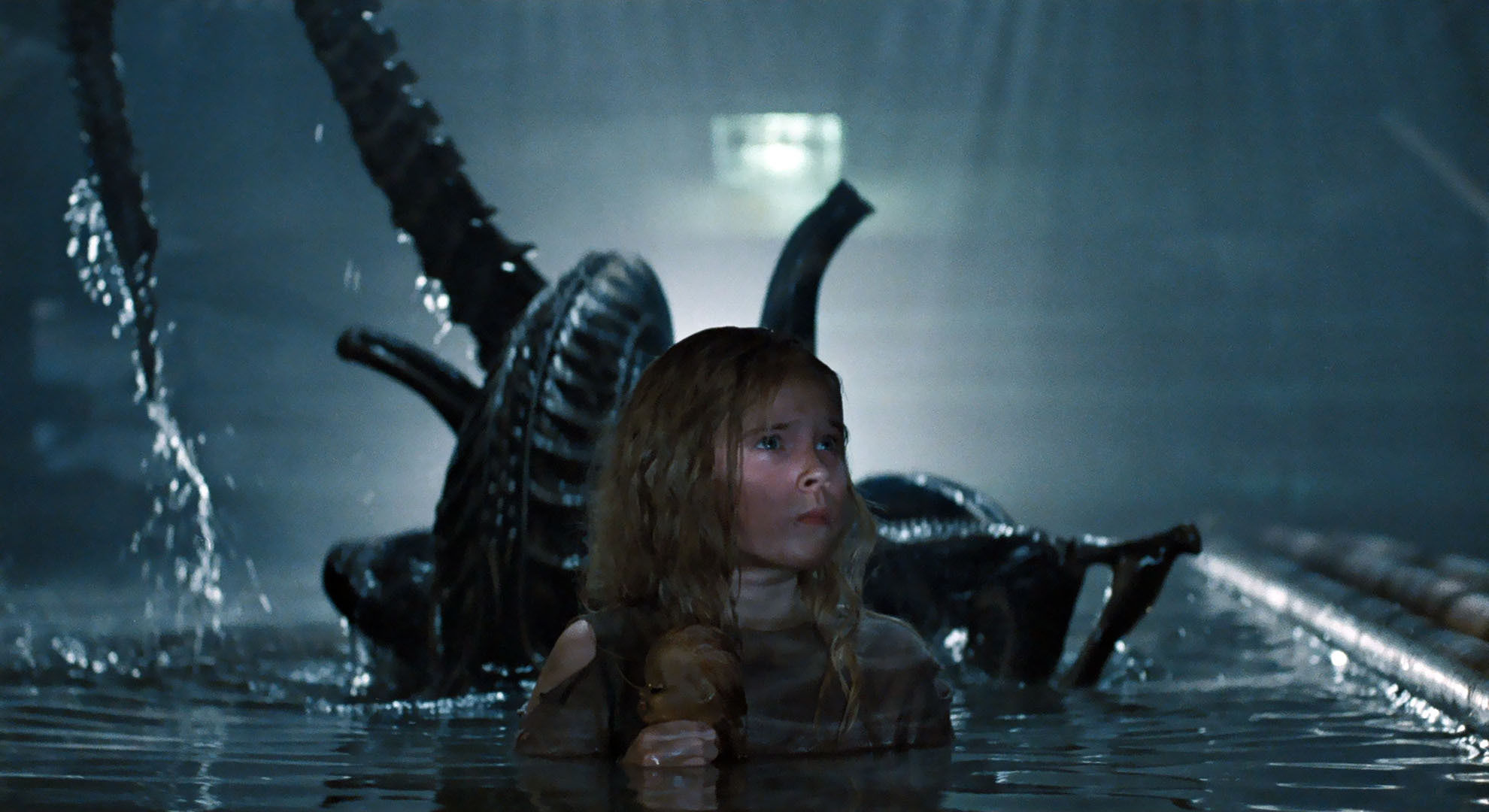
The crucial impetus for moving forward came from producer Larry Gordon, who became a staunch proponent of the sequel within the studio’s executive suites. Gordon’s persistent efforts, coupled with the growing momentum behind Cameron’s directorial career, eventually swayed the studio’s decision-makers. With the green light secured, Cameron returned as both writer and director, joined by his then-girlfriend and future wife, Gail Anne Hurd, as a producer. This creative partnership would prove instrumental in bringing "Aliens" to fruition.
Budgetary Battles and Star Power Negotiations
As production loomed in 1985, a significant hurdle emerged: the budget. Cameron’s team estimated the film could be produced for $15.5 million, a figure that the studio’s financial analysts believed was a significant underestimate, projecting a cost closer to $35 million. This discrepancy led to a tense standoff, with Fox initially offering a mere $12 million. Cameron and Hurd famously walked away from the negotiation, stating their intent to pursue other projects.
Behind the scenes, Gordon again played a critical role, successfully lobbying the studio to increase the budget to a figure that allowed production to commence. With this financial impasse resolved, Cameron was poised to lead the expedition to LV-426.
However, another formidable challenge arose: the potential absence of Sigourney Weaver. In a baffling move that seemed to contradict the very essence of the franchise, Fox suggested the possibility of making "Aliens" without its iconic lead. This proposition was akin to envisioning a "Terminator" sequel without Arnold Schwarzenegger – a move that seemed destined for mediocrity. Cameron, under the assumption that Weaver was contractually obligated for a sequel, was surprised to learn this was not the case. The task of securing Weaver’s participation fell to him.
Cameron met with Weaver, and while the initial discussions seemed positive, her agents sought a substantial payday for their client, a demand that Fox refused. This led to Cameron and Hurd once again threatening to walk away from the project, unwilling to proceed without Ripley.
In a strategic maneuver that has since become legendary, Cameron devised a clever ploy. Weaver shared the same agency as Arnold Schwarzenegger. Cameron contacted Schwarzenegger’s agent, informing him that he was preparing to rewrite the "Aliens" script to completely remove Ripley’s character. The news, as Cameron recounted to GQ years later, traveled with astonishing speed. The agent, understanding the significant financial implications of losing Weaver and the potential for a blockbuster without her, reportedly facilitated a swift resolution. "The deal was done in 12 hours after that," Cameron stated. "So I never wrote a word of that hypothetical story that I said I was gonna do, that I had no intention of writing anyway. So anyway, it worked, and Sigourney got her million bucks, and everybody was happy." This dramatic negotiation secured Weaver’s return and, consequently, the future of the film.

The Production and Post-Production Hurdles
Once principal photography began in 1985, "Aliens" largely proceeded with remarkable efficiency. The production adhered to its schedule and budget, with the studio granting Cameron significant creative latitude. The primary post-production challenge stemmed from Fox’s desire for a two-hour runtime to maximize theatrical screenings. Cameron, though initially resistant to further cuts that he believed would compromise the narrative, eventually relented, trimming several scenes. However, the film still fell short of the desired runtime. Cameron maintained that any further edits would be detrimental to the story’s integrity. Ultimately, the studio acquiesced, respecting Cameron’s artistic judgment.
A Paradigm Shift in Sci-Fi Action
The release of "Aliens" in 1986 proved that the franchise’s shift in tone was not only viable but immensely successful. While Ridley Scott’s "Alien" established a foundation of dread and suspense, often described as "Jaws in space," Cameron’s sequel expanded the universe with a focus on military action and a more proactive, albeit still vulnerable, protagonist. The survival element remained, but the opportunity for protagonists to actively combat the Xenomorphs became a cornerstone of the series’ identity. This approach resonated deeply with audiences and influenced a generation of science fiction action films.
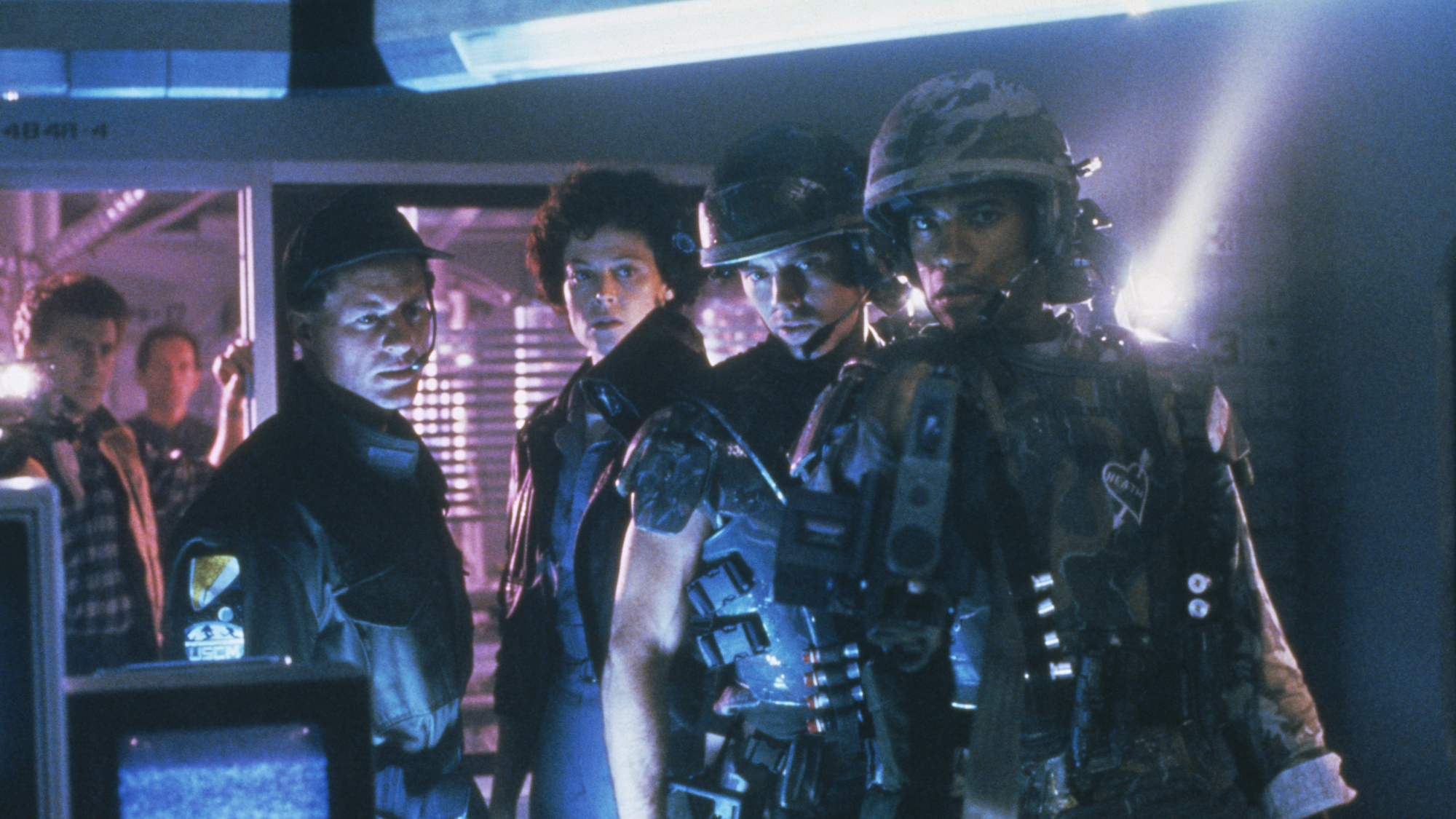
The journey of "Aliens" from concept to screen is a testament to resilience in the face of studio inertia, creative disagreements, and high-stakes negotiations. It stands as a powerful example of how a singular vision, championed by dedicated individuals, can overcome immense obstacles. The film’s enduring legacy is a reminder that even in the often-impersonal world of Hollywood, compelling stories can emerge from the most tumultuous of circumstances, proving that sometimes, the greatest triumphs are born from the brink of disaster. The critical and commercial success of "Aliens" irrevocably altered the trajectory of the "Alien" franchise, solidifying its place not just as a horror icon, but as a formidable force in the realm of science fiction cinema.