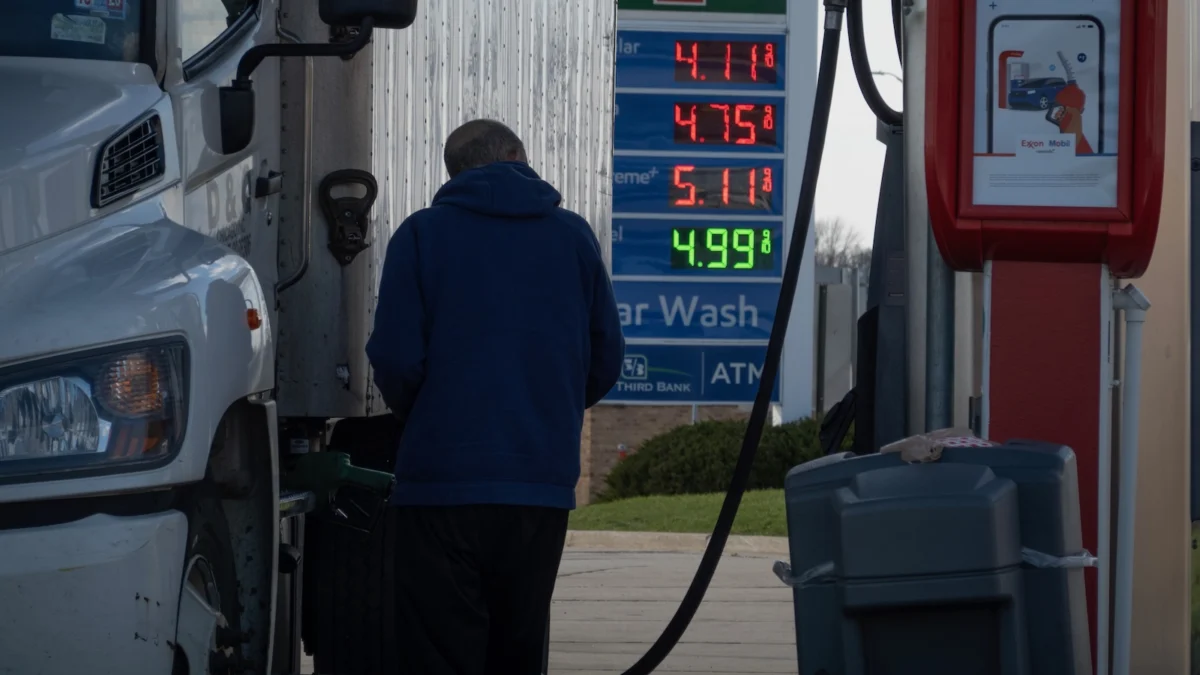
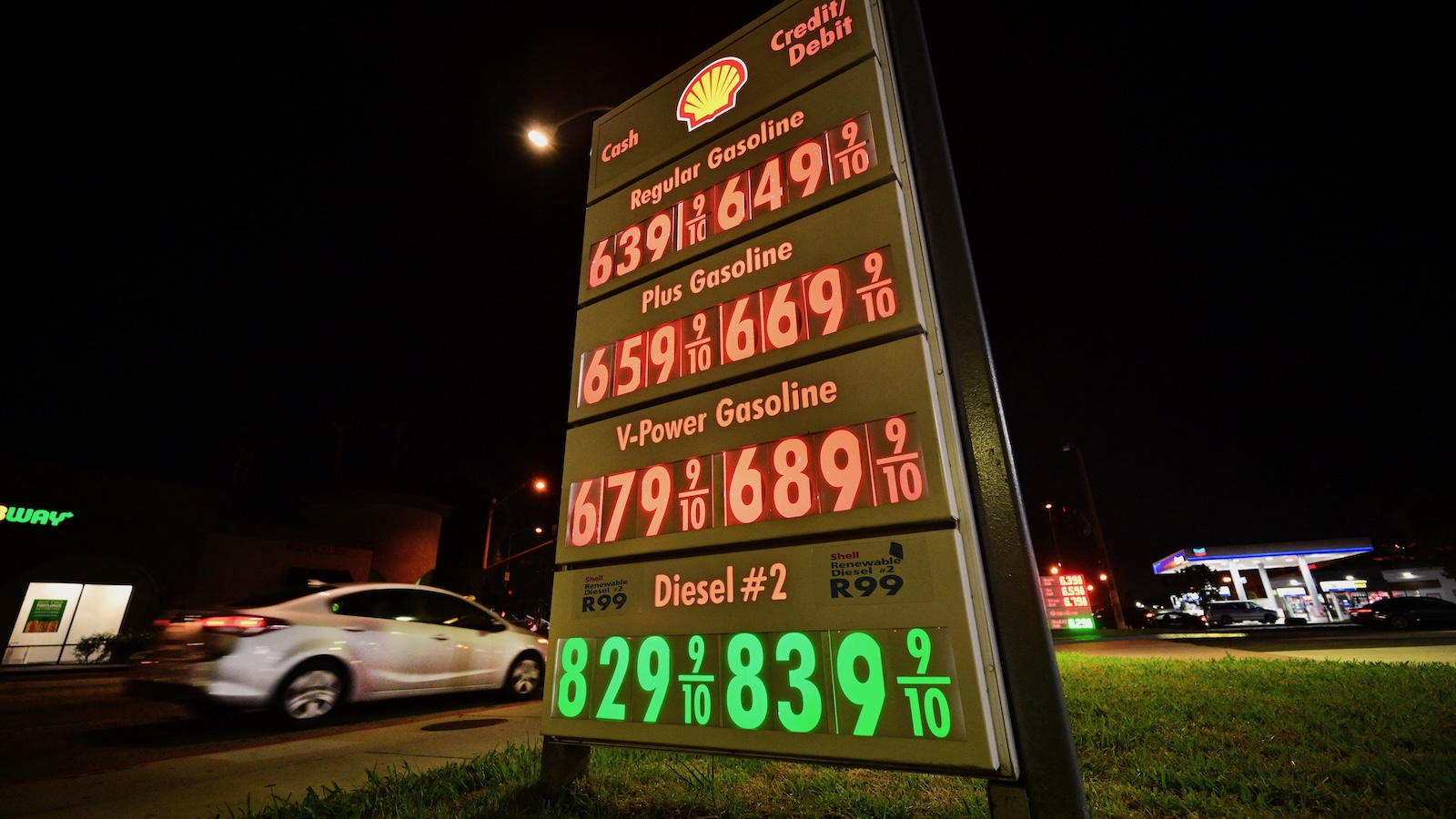
The American economy is facing an unprecedented energy crunch as national diesel prices shatter records on a near-daily basis. According to data compiled by AAA, the national average for a gallon of diesel reached an alarming $6.52, sending shockwaves through supply chains, agricultural sectors, and logistics networks nationwide. This staggering surge has ignited a fierce political debate in Washington, drawing high-profile endorsements for a controversial policy tool: a federal ban on diesel exports.
The catalyst for these skyrocketing prices traces back to the outbreak of military conflict between the United States, Israel, and Iran earlier this year. The war has severely disrupted global energy markets, sending crude oil and refined petroleum products on an aggressive upward trajectory. For diesel—the lifeblood of heavy transportation, shipping, rail, and agriculture—the impact has been catastrophic. Prices have climbed by nearly 80 percent since the onset of the conflict, with a jaw-dropping increase of almost $1 per gallon recorded in the month of September alone.
While passenger vehicles running on diesel remain a minority in the United States, the fuel is the foundational backbone of domestic commerce. Nearly every consumer good relies on diesel-powered trucks, cargo ships, or freight trains to reach store shelves, while the agricultural industry depends heavily on the fuel to power tractors, harvesters, and distribution networks. Consequently, the price spike has metastasized into a broad economic burden touching every household in America.
Political divisions are rapidly forming around how to address the crisis, with the debate reaching the highest levels of government. President Donald Trump weighed in on the issue from the United Nations General Assembly in New York, explicitly endorsing the restriction of fuel shipments abroad.
"I’ve said let’s not send out the diesel," President Trump told reporters on the sidelines of the summit. When asked directly if he supported a formal ban, he added, "I’ve called for it. I’ve called for it within my people."
The President’s stance has found vocal support among several key lawmakers, particularly from Midwestern agricultural states bearing the brunt of the crisis. Senator Chuck Grassley of Iowa took to social media to draw a parallel with existing federal trade restrictions, writing, "If our govt can embargo chips to China it can embargo diesel to help American farmers & truckers."
Representative Ashley Hinson of Iowa echoed these sentiments, while Senate Majority Leader John Thune of South Dakota expressed a willingness to consider the measure. "If that would take pressure off of prices," Thune noted, "I’m open to exploring it."
The human and financial toll of the crisis is vividly captured by economic tracking initiatives. An online dashboard developed by researchers at Brown University to monitor the fallout of the Iran war indicates that the prolonged surge in diesel prices has cost the average American household nearly $400, accumulating to more than $51 billion in aggregate economic damage.
Jeff Colgan, a political scientist at Brown University and co-creator of the tracker, argues that restricting fuel exports would artificially increase domestic supply, thereby driving down prices for American consumers. "It could make a huge difference," Colgan stated regarding the potential impact of an export ban.
However, energy analysts and industry insiders strongly dispute this economic theory. Patrick De Haan, head of petroleum analysis for GasBuddy, argued against the efficacy of such a policy on social media. "U.S. diesel prices are determined not by a U.S. supply and demand balance, but a global one," De Haan wrote. "Keeping distillates and diesel home does not change the world price."
Historical precedent for energy export bans in the United States dates back nearly half a century. In 1975, in the wake of the OPEC oil embargo that crippled the American economy, Congress passed the Energy Policy and Conservation Act. The legislation included a de facto ban on crude oil exports that remained codified into law for four decades until it was formally lifted by President Barack Obama in December 2015. Since the lifting of the ban, domestic oil and gas corporations have reaped billions of dollars from international sales, generating fierce corporate opposition to any efforts to reinstate trade limitations.
Major trade organizations representing the petroleum sector warn that reviving export bans would backfire disastrously. In a formal press release, the American Fuel & Petrochemical Manufacturers association cautioned against the move, stating, "Export bans do not create more fuel for Americans. They reduce U.S. fuel production, put upward pressure on prices, weaken energy security and hand market share to foreign competitors."
Resistance to the idea is not limited to industry lobbyists; it also spans ideological lines within the political sphere. Senator John Cornyn of Texas, representing the nation’s largest oil-producing state, dismissed the concept as a "gimmick" in an interview with The Hill. Similarly, Interior Secretary Doug Burgum appeared on CNBC to caution that the policy "could actually hurt Americans" by destabilizing domestic refinery operations and reducing overall output.
Meanwhile, congressional Democrats—who have historically championed export restrictions during previous energy crises, including under the Biden administration—have largely approached the current diesel debate with caution. Critics argue that blaming domestic export policies fails to address the root cause of the fuel inflation.
"Trump is all smoke and mirrors," said Senator Peter Welch of Vermont when asked about the proposed ban. "If he’s serious about lowering prices of oil, gas, and home heating oil, he needs to end his illegal war with Iran."
Prior to the president’s public remarks in New York, representatives from the White House indicated that a formal export ban was not under active consideration by the administration. It remains unclear how, or if, President Trump intends to operationalize his statements, or whether a fractured Congress can muster the bipartisan consensus necessary to pass statutory restrictions.
Amid the polarized debate between total free-market exports and absolute protectionist bans, some policy experts advocate for a more measured approach. Tyson Slocum, energy program director for the consumer advocacy organization Public Citizen, believes the conversation has been oversimplified.
"The debate is so absurdly simplistic. People are like either total unfettered, unregulated exports or zero exports," Slocum observed. He noted that policymakers have a spectrum of intermediate options available, such as capping the volume of diesel shipped overseas rather than enacting a complete prohibition.
"It could be very significant," Slocum said of implementing partial or targeted restrictions. "You would absolutely see a significant short-term drop in diesel prices."
As the conflict in the Middle East continues with no immediate resolution in sight, the debate over fuel security, trade policy, and consumer protection highlights the vulnerability of domestic supply chains to geopolitical instability. For American truckers, agricultural producers, and everyday consumers watching fuel costs climb past historic thresholds, the path forward remains uncertain as Washington weighs intervention against the laws of the global energy market.