The United States Senate Commerce Committee has officially advanced a significant piece of bipartisan legislation designed to drastically curtail the influence of Chinese entities within the American automotive market. The bill, which cleared the committee on Wednesday, proposes a strict prohibition on the sale of vehicles in the U.S. by any automaker that is more than 15% owned by "covered entities," a designation that primarily includes China, along with Russia, North Korea, and Iran. This legislative move represents a major escalation in the ongoing efforts by U.S. lawmakers to decouple the domestic automotive infrastructure from Chinese capital and technology, citing urgent national security concerns and the need to protect American manufacturing interests.
While the primary intent of the bill is to prevent Chinese state-linked automakers like BYD, SAIC, or Geely from establishing a direct retail foothold in the United States, the specific language of the 15% ownership threshold has created an immediate and significant complication for established European luxury brands. Specifically, the German automotive giant Mercedes-Benz has found itself in the crosshairs of the proposed regulation due to its unique shareholder structure, which features substantial investment from Chinese industrial players.
The Mercedes-Benz Ownership Paradox
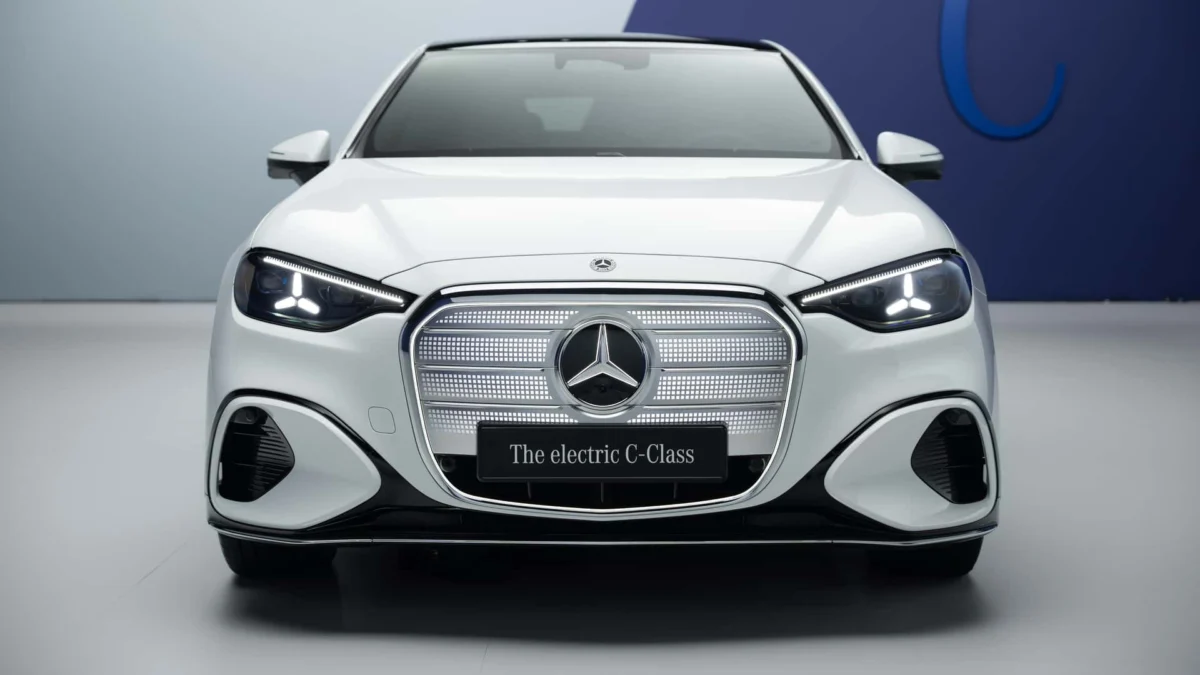
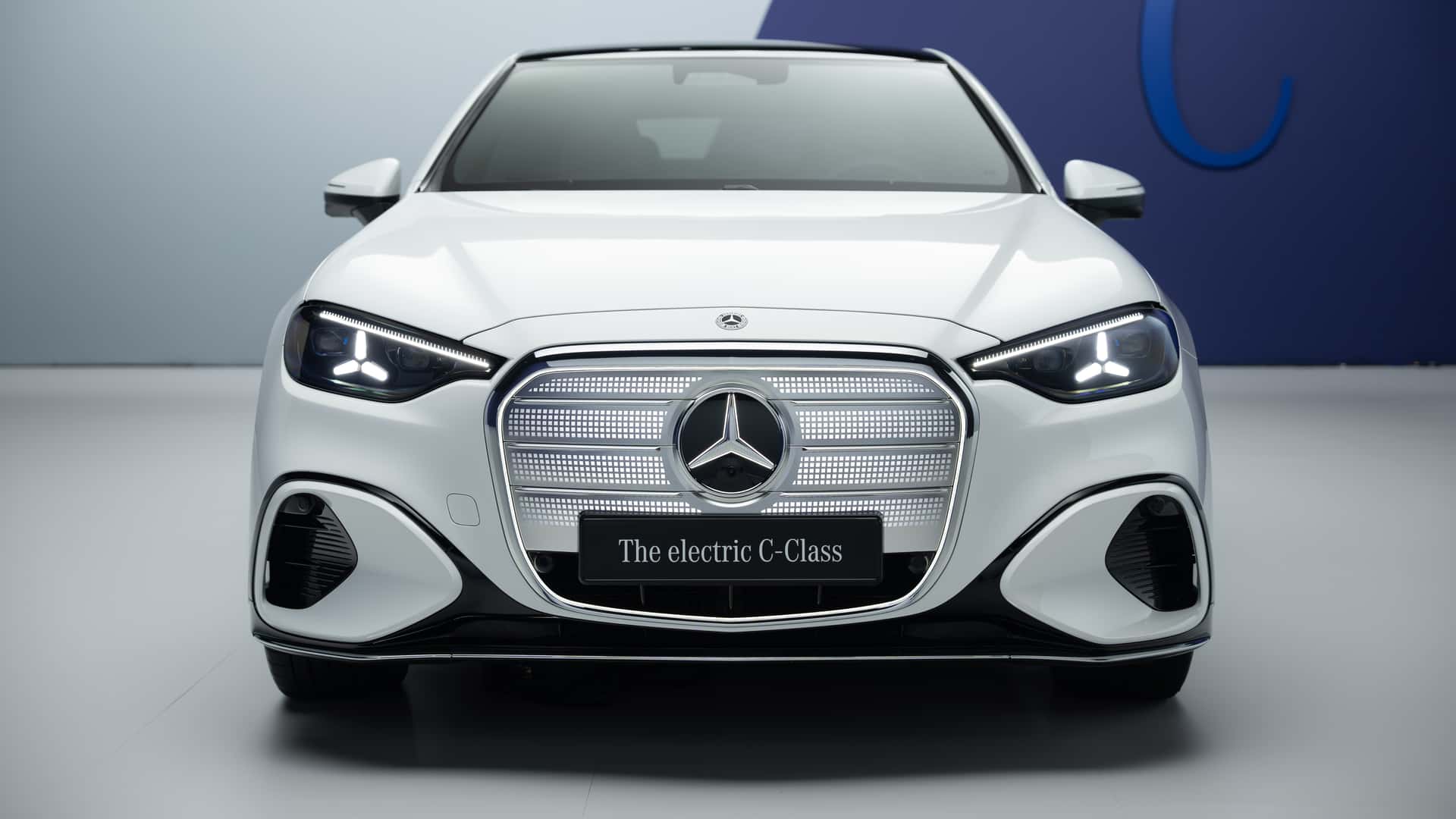
The proposed legislation marks a departure from previous trade measures that focused on the physical assembly location of a vehicle or the origin of its individual components. Instead, this bill targets the corporate entity itself. Under the current draft, any company with more than 15% ownership by a covered entity would be barred from the U.S. market. Mercedes-Benz, a cornerstone of the global luxury car segment, currently sees nearly 20% of its shares controlled by Chinese interests.
The Beijing Automotive Group (BAIC), a state-owned enterprise, holds a 9.98% stake in Mercedes-Benz. Simultaneously, Li Shufu, the founder and chairman of the Chinese automotive powerhouse Geely, holds approximately 9.69% of the company through his investment vehicle, Tenaciou3 Prospect Investment Limited. Together, these entities represent a combined Chinese ownership of roughly 19.7%, placing the German automaker well above the proposed 15% limit.
Senator Ted Cruz, the chair of the Senate Commerce Committee, acknowledged during the proceedings that the bill, as currently written, would technically mandate a ban on Mercedes-Benz sales in the United States. However, Cruz clarified that the U.S. government "would never consider" such a ban on the iconic German brand. He indicated that the legislation would likely undergo revisions before being signed into law to ensure that long-standing Western allies and their primary industries are not inadvertently dismantled by the crackdown on Chinese influence. Cruz further suggested that the stringency of the 15% provision might have been influenced by lobbying efforts from domestic competitors, specifically naming General Motors (GM) as a proponent of the strict language in an effort to bolster the market position of its Cadillac brand against European rivals.
Industry Reactions and Domestic Competition
The prospect of such a sweeping ban has sent ripples through the global automotive industry. General Motors, when prompted for comment regarding Senator Cruz’s allegations, did not directly address the claim of targeting Mercedes-Benz. Instead, a GM spokesperson emphasized the company’s support for "policies that protect and strengthen American manufacturing and the global competitiveness of U.S. automakers." The statement added that GM is prepared to "compete with anyone in the world when we are given a level playing field," signaling a preference for legislative environments that neutralize the perceived advantages of foreign, state-backed entities.
Mercedes-Benz has maintained a cautious but cooperative stance. In statements provided to Reuters, the company reaffirmed its commitment to national security objectives, stating that it "continues to support legislation designed to protect U.S. national security." However, the automaker also stressed the importance of ensuring that such legislation does not disrupt its extensive American operations, which include a major manufacturing plant in Tuscaloosa, Alabama, employing thousands of U.S. workers.
Senator Bernie Moreno, an original co-sponsor of the bill, noted that the legislation includes a grace period. If passed, affected automakers would have until 2030 to comply with the ownership requirements or seek a federal waiver, providing a window for corporate restructuring or divestment should the 15% rule remain unchanged.
The Connected Vehicle Security Act and Data Sovereignty
The ownership-based restrictions are only one half of the legislative package. The Senate is also moving forward with the "Connected Vehicle Security Act," which seeks to codify and expand upon existing executive actions regarding the software and hardware used in modern cars. Lawmakers have increasingly characterized modern "connected" vehicles—those equipped with GPS, cameras, microphones, and internet connectivity—as potential surveillance tools.
The concern centers on the possibility that sensitive data regarding American infrastructure, military movements, or personal citizen information could be transmitted to foreign servers in China. The bill would prohibit the importation or sale of any connected vehicle that utilizes software developed by, or associated with, a covered entity beginning in 2027. By 2030, this prohibition would extend to the hardware components as well.
This specific tech-focused regulation has already claimed its first casualty: Polestar. Although headquartered in Sweden, Polestar is majority-owned by China’s Geely and manufactures many of its vehicles in China. Recent Commerce Department rulings, which this bill seeks to formalize, have effectively rendered Polestar’s current business model untenable in the U.S., as its integrated software systems are inextricably linked to Chinese development hubs.
Chronology of U.S.-China Automotive Trade Restrictions
The advancement of this bill is the latest in a series of escalatory steps taken by the U.S. government to insulate its market from the Chinese EV (Electric Vehicle) surge.
- 2018–2022: The Tariff Era: Under both the Trump and Biden administrations, Section 301 tariffs were applied to Chinese-made vehicles, eventually reaching a 25% duty, which acted as a significant barrier but did not address ownership or software.
- 2023: The Inflation Reduction Act (IRA): The Biden administration introduced strict "Foreign Entity of Concern" (FEOC) rules for EV tax credits. These rules effectively disqualified any vehicle containing battery components or minerals sourced from China from receiving the $7,500 federal incentive.
- May 2024: Quadrupling Tariffs: The White House announced a massive increase in tariffs on Chinese EVs, raising the rate from 25% to 100%, effectively making it impossible for Chinese-made EVs to be price-competitive in the U.S.
- September 2024: Commerce Department Proposed Rule: The Department of Commerce proposed a ban on Chinese software and hardware in connected vehicles on U.S. roads.
- Present Day: The Senate Commerce Committee’s bipartisan bill seeks to turn these administrative proposals into permanent federal law, while adding the 15% ownership threshold as a new, more aggressive layer of protection.
Broader Implications and Global Impact
The move to restrict Chinese vehicle ownership and technology represents a fundamental shift in global trade policy, moving from "free trade" to "securitized trade." If the bill passes in its current form, it could force a massive reshuffling of global automotive alliances.
For Mercedes-Benz, the choice may be stark: convince its Chinese shareholders to divest below the 15% mark, or rely on a permanent U.S. government waiver that could be subject to the whims of changing political administrations. For the broader market, the bill ensures that even if a Chinese company like BYD were to build a factory on U.S. soil (thereby bypassing tariffs), they would still be barred from selling vehicles due to their corporate ownership structure.
National security experts argue that these measures are necessary to prevent a "Trojan Horse" scenario where thousands of sensors on American roads are controlled by a geopolitical adversary. Conversely, some economists warn that such protectionism could slow the adoption of electric vehicles in the U.S. by removing the world’s most efficient and low-cost EV producers from the market, potentially leaving American consumers with fewer, more expensive options.
As the bill moves toward a full Senate vote, the automotive world remains focused on whether the "Mercedes Exception" will be codified or if the 15% rule will remain a hard line, potentially altering the landscape of the luxury car market forever. The final version of the legislation will likely serve as a blueprint for how Western democracies balance the transition to high-tech, connected transportation with the realities of 21st-century geopolitical competition.