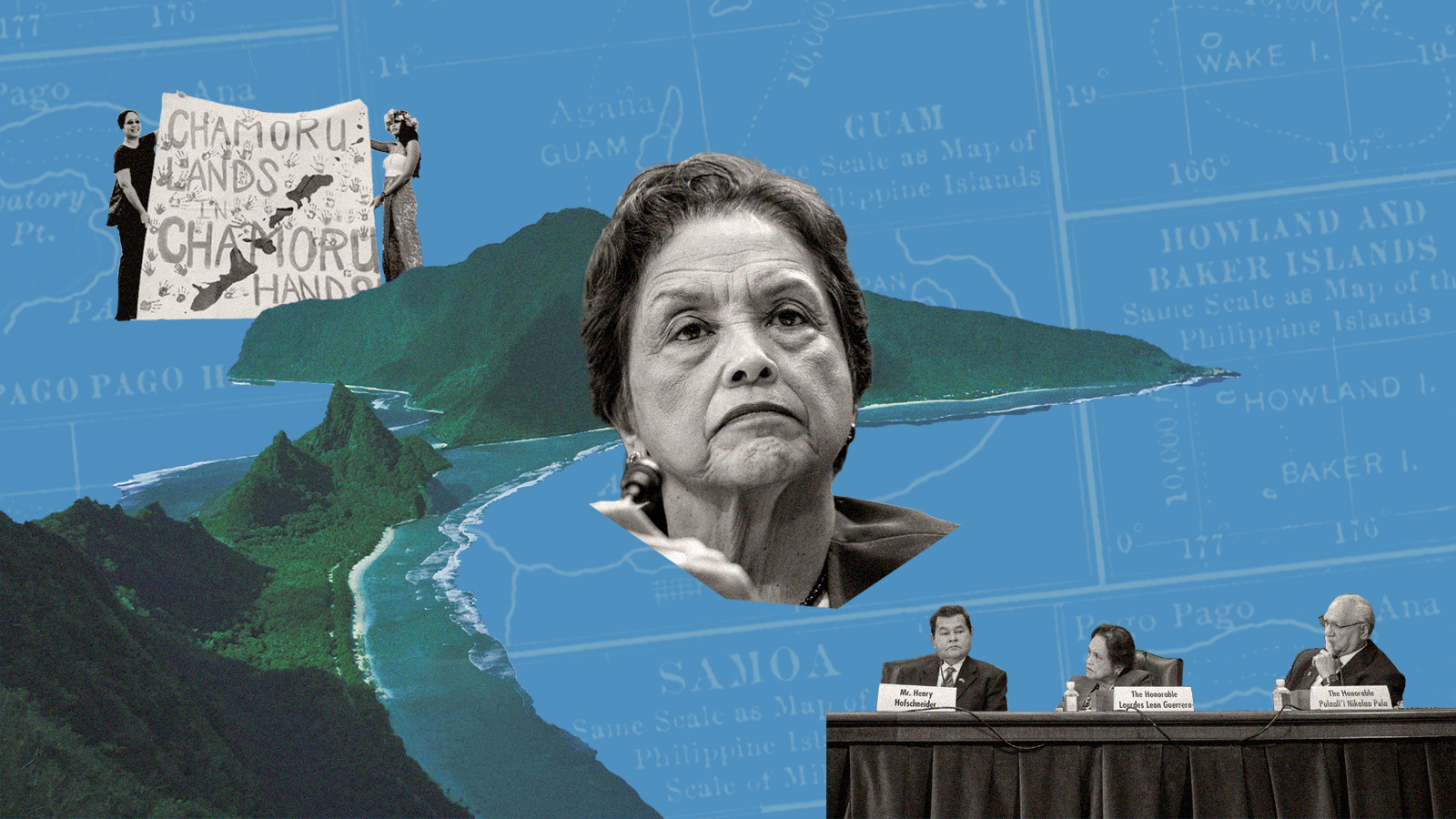
The tranquil waters of the Western Pacific are at the center of an escalating geopolitical and environmental battle, as the Trump administration pushes forward with aggressive plans to auction millions of acres of ocean floor for deep-sea mining. While independent island nations across the Pacific harness their sovereign autonomy to restrict or regulate seabed exploration, U.S. territories such as Guam, American Samoa, and the Commonwealth of the Northern Mariana Islands (CNMI) find themselves sidelined. Denied full voting representation in Congress and lacking a voice in presidential elections, local leaders and Indigenous communities are watching helplessly as federal regulators advance mineral leases that threaten fragile marine ecosystems, traditional practices, and local economies already reeling from climate shocks.
A Chronology of Surprises: How the Leases Unfolded
The federal government’s maneuverings began to surface publicly in late autumn, catching local territorial leadership completely unawares.
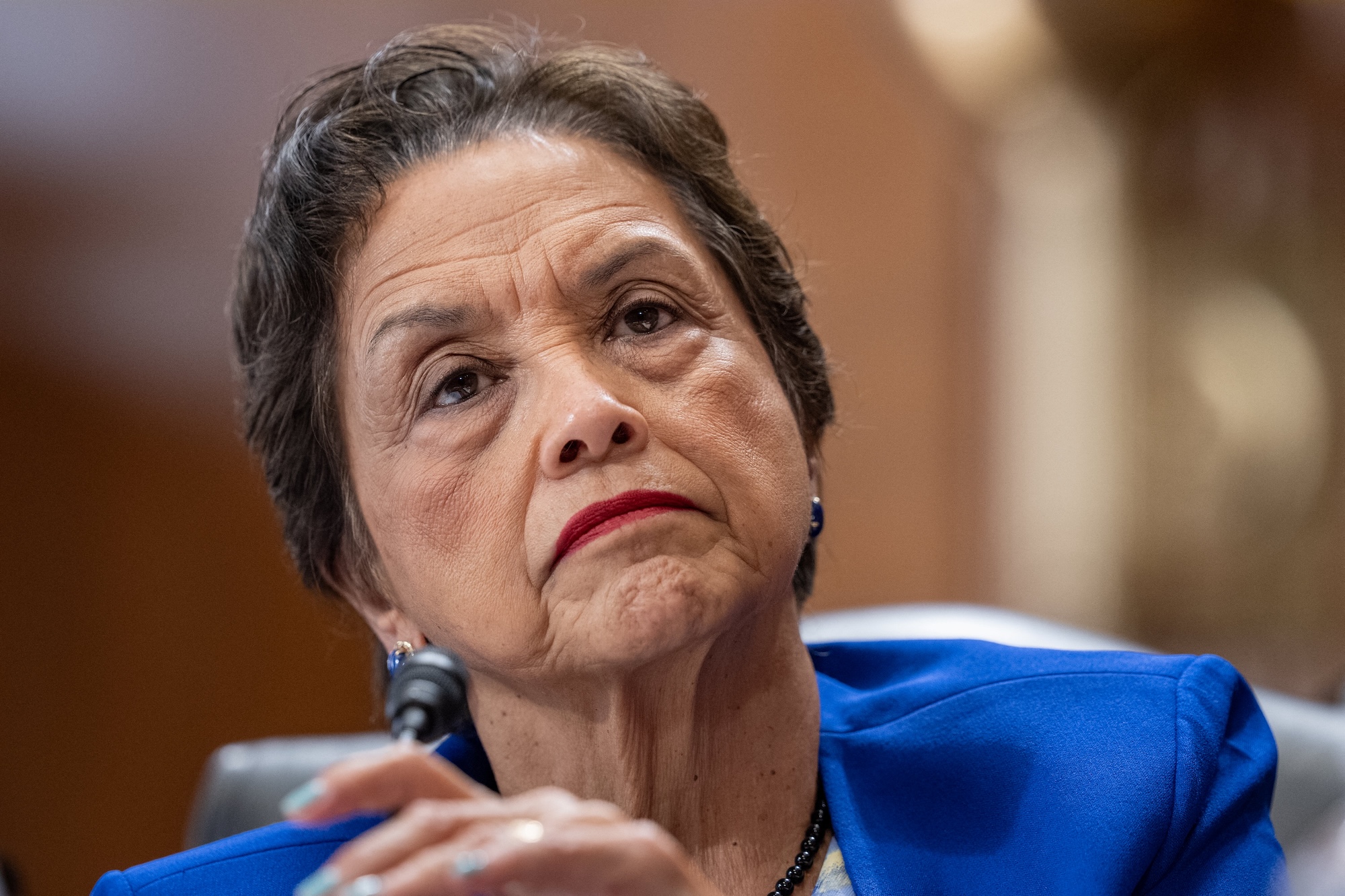
On November 12, Guam Governor Lou Leon Guerrero learned of the federal initiative not through diplomatic channels or interagency briefings, but by reading a digital news article forwarded by an advisor. The report detailed an ambitious Trump administration strategy to lease millions of acres of the continental shelf to private mining conglomerates in a bid to secure critical minerals and diminish reliance on China’s supply chains.
Realizing the profound implications for the Marianas archipelago, Leon Guerrero immediately contacted David Apatang, governor of the neighboring Commonwealth of the Northern Mariana Islands. Sharing mutual outrage over the lack of advance warning, Leon Guerrero reached out to Department of the Interior official Bill Hague. Though Hague reportedly reassured the governor that mining would not proceed without community support, subsequent events proved otherwise.

Less than a year later, the administration doubled down on its extraction timeline. In July, the Marine Minerals Administration announced plans to auction 31 million acres of the continental shelf surrounding American Samoa. By August, the agency targeted more than 67 million acres around the Marianas archipelago, with roughly half of those leases directly bordering a national marine monument established by President George W. Bush. Despite formal pleas from territorial governors for a 120-day public comment extension to accommodate the holiday season, federal regulators granted only 30 days, ultimately expanding the proposed leasing footprint even closer to local shores.
Geopolitics, Critical Minerals, and the Quest for Independence
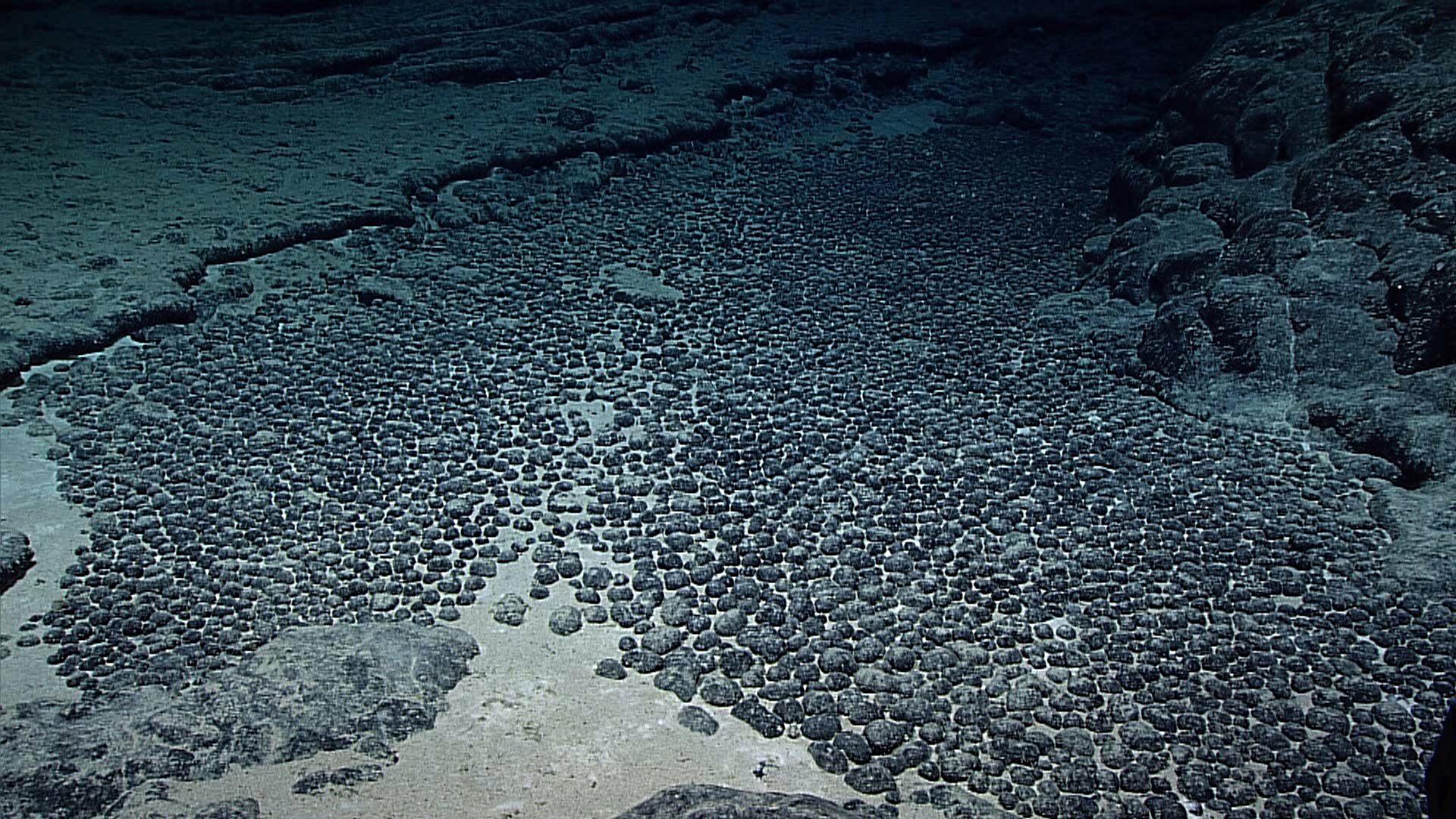
At the core of the federal push is a desperate global race for transition and defense minerals. The targeted seafloor is rich in manganese nodules containing copper, nickel, cobalt, and rare earth elements—materials vital for advanced military technologies, renewable energy infrastructure, and electric vehicle batteries. Washington views deep-sea mining as a strategic imperative to counter China’s near-monopoly on global critical mineral processing.
However, the stark contrast in how these policies impact independent Pacific nations versus U.S. territories highlights a lingering legacy of colonialism. Independent neighbors such as Samoa, Palau, Papua New Guinea, and the Solomon Islands exercise full authority over their exclusive economic zones. Samoa, situated just 40 miles northwest of American Samoa, plans to protect at least 30 percent of its waters and has joined a growing coalition of over 45 nations demanding an international moratorium on deep-sea mining. Other independent states, including Nauru and Tonga, have actively sponsored mining exploration contracts through the International Seabed Authority in exchange for anticipated economic diversification and financial windfalls.
U.S. territories enjoy no such autonomy. Under domestic law, territorial jurisdiction over ocean resources generally extends only three nautical miles from shore, whereas the federal government claims authority over the surrounding 200-mile exclusive economic zone. Because territories lack voting representation in Congress and cannot cast ballots in presidential elections, residents are legally and politically excluded from international bodies like the International Seabed Authority, where global mining rules are debated.
Environmental Threats and Local Livelihoods
As federal officials accelerate lease sales, environmentalists and Indigenous residents warn of irreversible ecological and cultural devastation. Deep-sea mining on a commercial scale remains untested, and marine scientists emphasize that abyssal ecosystems are extraordinarily fragile and exceptionally slow to recover. Recent studies indicate that bottom-disturbing extraction could generate vast sediment plumes, drifting currents of toxic waste that threaten migratory pelagic species like tuna.
In American Samoa, where a single StarKist tuna cannery accounts for roughly 80 percent of private-sector employment, any threat to commercial fisheries is existential. Former American Samoa Governor Lamanu Peleti Mauga underscored this vulnerability in his 2024 moratorium, noting the profound cultural and economic reliance on the ocean.
Beyond economics, the mining threat imperils intangible cultural heritage. Traditional navigation—relying on the behavior of whales, seabirds, and wave patterns—is experiencing a vital renaissance across Micronesia and Polynesia. Indigenous leaders like John Castro, a traditional canoe house coordinator in Saipan, warn that industrial disruption of marine migration routes could erase centuries-old navigational knowledge.
"If deep-sea mining happens, and that thing kind of drives whales in a different course, then we’re going to get lost, too," Castro noted, reflecting on the powerlessness of local communities against federal mandates.
The Burden of Climate Crises and Pushback from Territorial Leaders
The pressure of industrial expansion arrives as Pacific islands grapple with compounding climate disasters. Earlier in the year, severe super typhoons battered Saipan, leaving families like former CNMI lawmaker Sheila Babauta sheltering in storage rooms amidst 150-mph winds. Weeks of living without electricity, running water, or basic infrastructure meant that survival took immediate precedence over monitoring complex federal regulatory notices regarding seabed mining.

"I didn’t have capacity to even think about it," Babauta said, balancing the demands of newborn care and storm recovery with the defense of her ancestral waters. "All of the immediate needs definitely took priority."
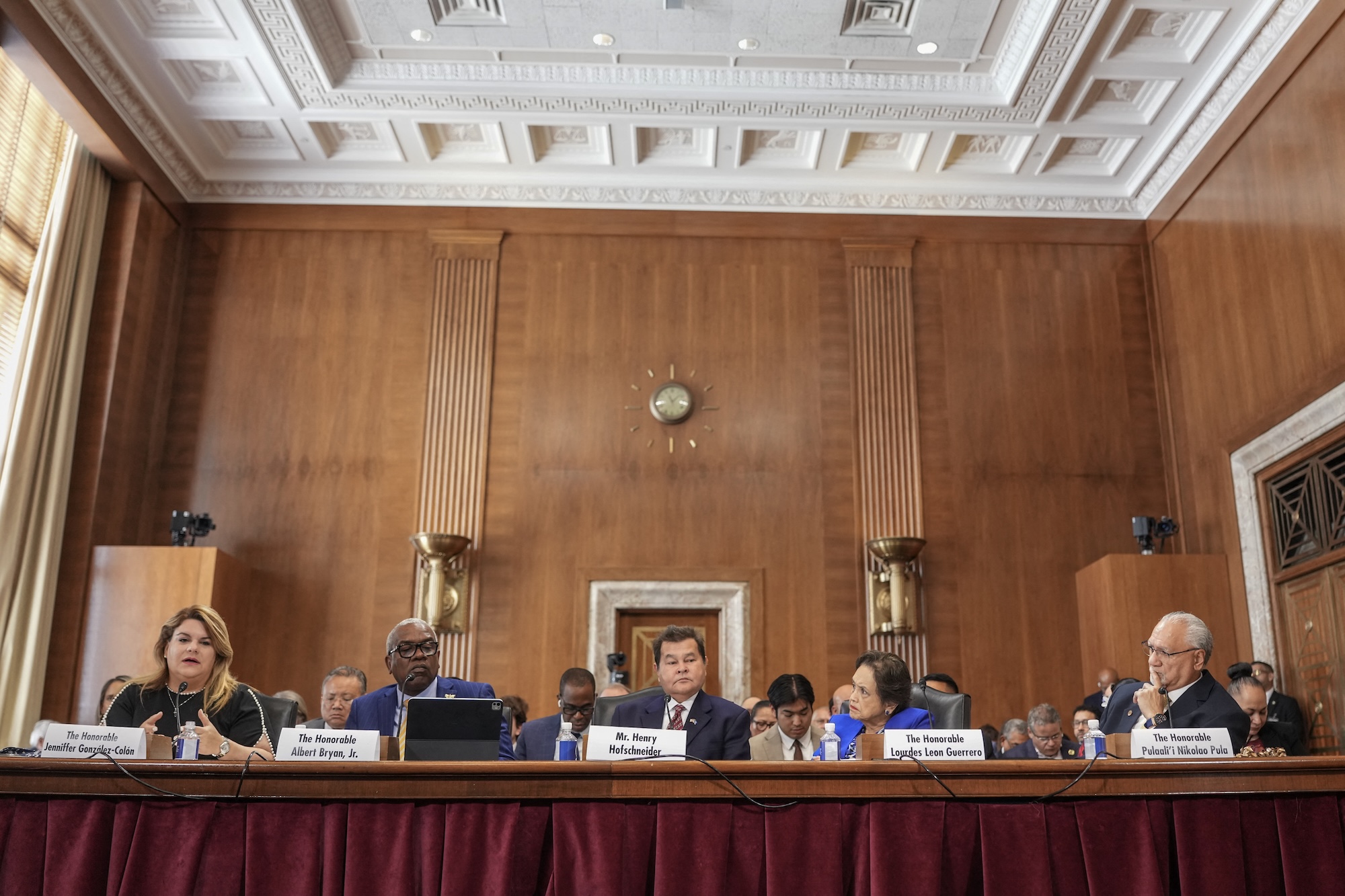
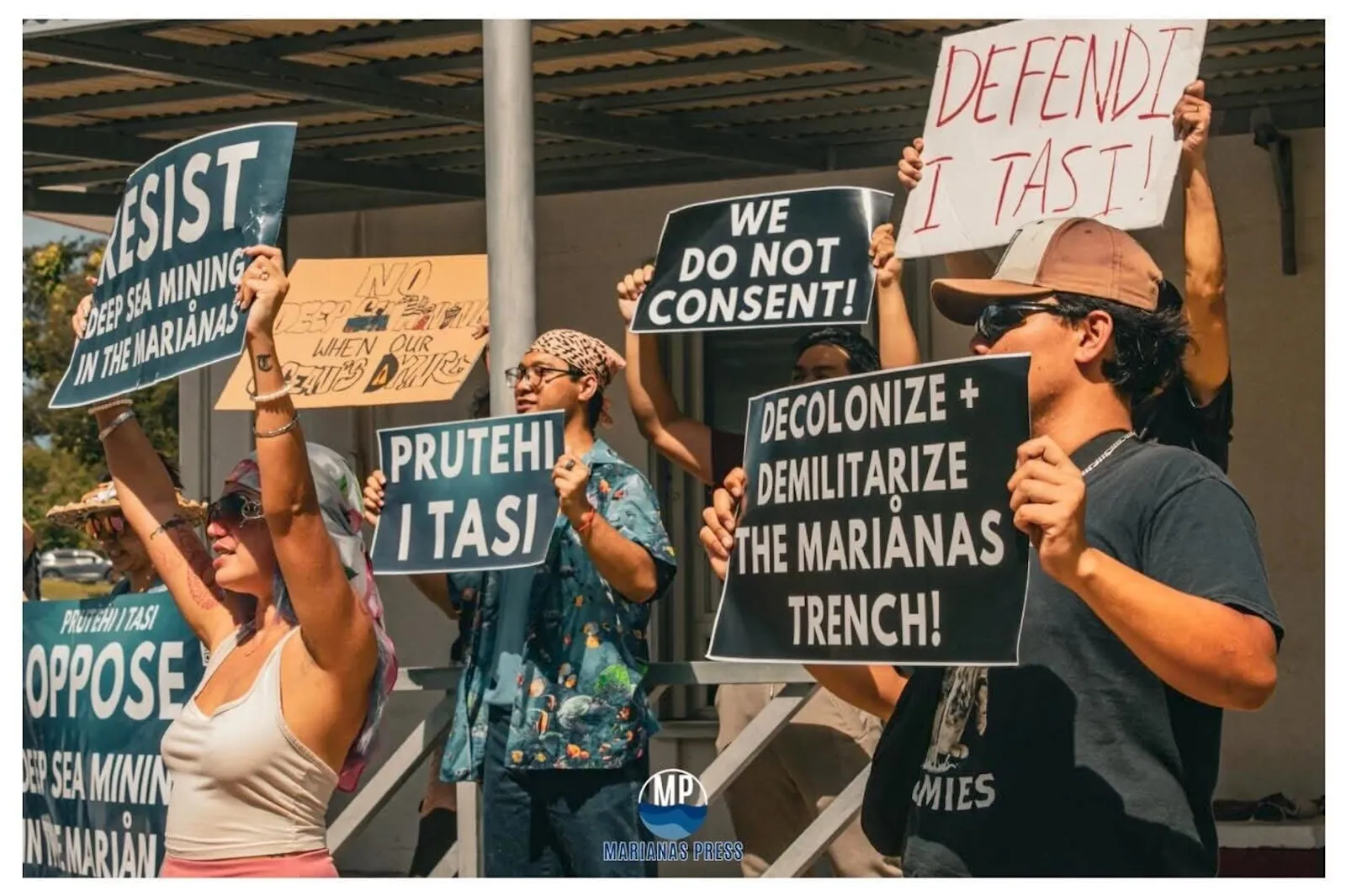
Despite systemic disenfranchisement, territorial leaders are aggressively fighting for fiscal accountability and leverage. In June, American Samoa Governor Pula’ali’i Nikolao Pula traveled to Washington, D.C., to testify before the Senate, demanding a formal seat at the table and guaranteed revenue-sharing arrangements if the federal government forces the industry forward. Similarly, Kimberlyn King-Hinds, the non-voting House delegate for the CNMI, has advanced legislative proposals aimed at securing a 50-50 revenue split between the federal government and the commonwealth.
"If they’re going to shove this down our throats," King-Hinds stated, "I want to be able to ensure that we have a backup plan, we have insurance, and that we actually benefit from the waters that surround us."
Official Responses and Ongoing Litigation
Legal pushback is already underway. Environmental law organizations, including Earthjustice, have filed federal lawsuits against the Trump administration on behalf of conservation groups in American Samoa and the Mariana Islands. The lawsuits argue that the federal government is rushing lease sales without adequately evaluating potential violations of the Endangered Species Act regarding protected species such as whales and sea turtles.
The Marine Minerals Administration has declined to comment directly on active litigation. However, Department of the Interior spokesperson Alyse Sharpe maintained that the agency remains committed to a transparent process, noting that initial lease sales do not automatically grant permission to extract minerals. Any prospective operator, according to the department, would still be subjected to rigorous feasibility, safety, and environmental assessments.

Yet, for the Indigenous inhabitants of Guam, American Samoa, and the Northern Mariana Islands, procedural assurances offer little comfort. Trapped between national security priorities, the global race for green technology, and the legacy of territorial status, Pacific islanders find themselves fighting to preserve the very foundation of their identity against decisions made thousands of miles away at a federal desk.