As temperatures begin to drop and the seasonal shift toward autumn commences, consumer demand for transitional apparel and footwear has prompted a significant retail response. Nordstrom has officially launched its latest seasonal savings event, providing customers with a strategic opportunity to acquire high-end merchandise at reduced price points. The event, which spans across thousands of individual stock-keeping units (SKUs), is designed to address the logistical challenge of updating a seasonal wardrobe while managing inflationary pressures on discretionary spending.
The current promotional window, which commenced earlier this week, is scheduled to conclude on September 23. During this period, the retailer is offering discounts of up to 25 percent on a diverse array of categories, including luxury outerwear, premium denim, designer handbags, and footwear. According to internal retail data, the promotion encompasses more than 47,000 unique deals, representing one of the largest catalog-wide sales events for the company this fiscal quarter. In addition to apparel, the company has included a curated selection of beauty products, which are currently marked down by up to 15 percent.
Strategic Market Positioning and Retail Context
The timing of this sale aligns with standard industry practices where major department stores attempt to move inventory before the full onset of winter collections. By offering these incentives, Nordstrom is effectively targeting the "bridge season" consumer—individuals looking to purchase layering pieces such as trench coats, transitional sweaters, and mid-weight denim that can be utilized through the variable weather patterns of late September and October.
From a market perspective, this event serves as an essential indicator of current consumer sentiment. As retailers grapple with fluctuating demand, the ability to clear seasonal inventory through targeted promotions is critical to maintaining healthy balance sheets. The inclusion of premium brands such as Frame, AllSaints, Tory Burch, and Stuart Weitzman suggests a focus on mid-to-high-tier consumers who are seeking quality investment pieces rather than fast-fashion alternatives.
A Detailed Look at Category Performance
The breadth of the promotion allows for a granular look at what the retail sector considers "essential" for the upcoming quarter.
Outerwear and the Trench Coat Revival
Outerwear remains the highest-value category in this sale. The inclusion of classic silhouettes, such as the khaki trench coat, indicates a shift back toward traditional, long-lasting garment choices. Analysts have noted that during times of economic uncertainty, consumers tend to favor "quiet luxury" and classic staples that offer a high cost-per-wear ratio. The availability of discount pricing on brands like Mango and Vince provides a tiered entry point for various consumer demographics, from the budget-conscious shopper to the luxury-focused investor.
The Evolution of Denim and Trousers
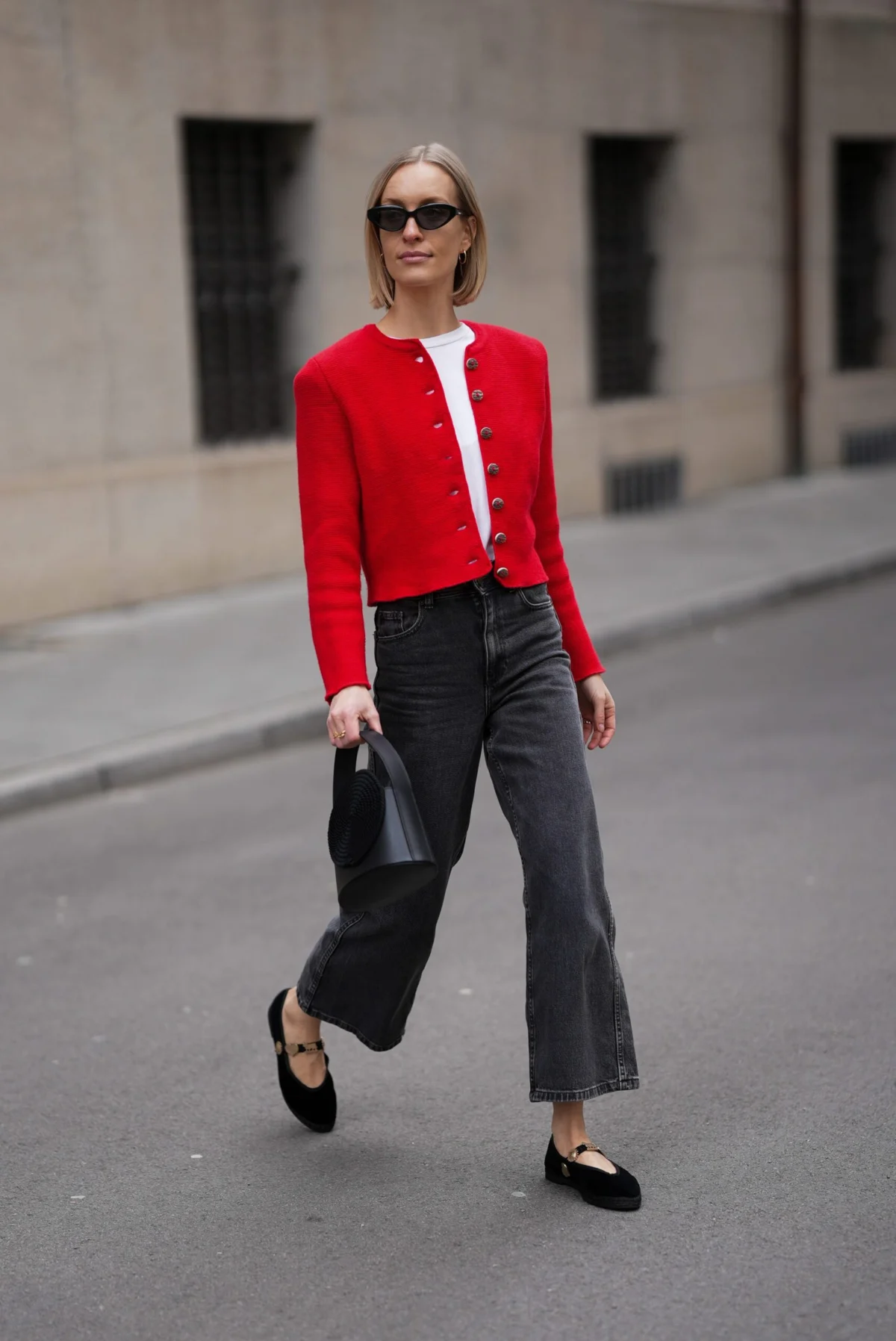
Denim continues to be a cornerstone of the modern wardrobe, and the current sale highlights a divergence in styles. While straight-leg jeans remain a staple for professional and casual settings, there is a notable influx of "relaxed" and "oversized" silhouettes, including the emerging popularity of trompe-l’œil designs. These items, often retailing at premium prices from labels like Agolde and Madewell, represent a significant portion of the sale’s volume. The inclusion of these items at a 25 percent discount is a deliberate effort to capture the demographic that prioritizes both comfort and contemporary aesthetics.
Footwear and the Shift to Seasonal Staples
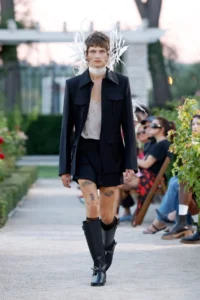
The footwear category serves as a bellwether for the upcoming season’s trends. The prominence of knee-high boots and block-heeled footwear suggests a move toward more formal, structured styling compared to the open-toe or athletic footwear dominant in summer months. The inclusion of western-inspired boots, particularly those in animal prints, highlights the ongoing influence of heritage trends on current fashion cycles.
Economic Implications and Consumer Behavior
The broader impact of such a large-scale event is twofold. For the consumer, it provides an opportunity to mitigate the effects of rising clothing costs without sacrificing brand quality. For the retailer, it facilitates the necessary inventory turnover required to make room for holiday season stock, which typically arrives in retail distribution centers by mid-October.
Data from the retail sector indicates that promotions of this nature are increasingly essential. With consumers demonstrating more caution regarding non-essential expenditures, retailers must provide compelling value propositions to maintain engagement. By coupling these discounts with an emphasis on "curated" or "editor-approved" selections, the retailer is attempting to provide a service-oriented shopping experience that cuts through the noise of excessive product volume.
Chronology of the Event
- Early September: Announcement of the transitionary sale event.
- Mid-September: Official commencement of the 25 percent discount window for clothing and accessories, and 15 percent for beauty products.
- September 23: Official conclusion of the promotional event.
- Late September/Early October: Expected rollout of winter-specific collections and holiday-focused marketing initiatives.
Official Stance on Editorial Integrity
In the context of the retail landscape, publications and retail outlets alike are facing increased scrutiny regarding how products are recommended. Nordstrom’s current approach, which emphasizes the utility and longevity of the items on sale, is mirrored by various fashion outlets that curate these deals. It is a standard industry requirement for these entities to maintain a separation between editorial content and promotional affiliate relationships. According to disclosure statements from industry publications, the recommendations provided during such events are intended to be rooted in product testing and editorial standards, ensuring that consumers are directed toward items that offer genuine utility.
Conclusion and Future Outlook
As the retail industry navigates the final months of the fiscal year, events like the current Nordstrom sale provide a snapshot of the current fashion economy. The focus on versatile, high-quality staples reflects a consumer base that is increasingly strategic with their finances, prioritizing items that can function across multiple seasons. Whether this trend toward "investment-grade" shopping continues throughout the holiday season remains to be seen, but for now, the data suggests that shoppers are ready to engage when the value proposition aligns with their seasonal needs.
For those planning to participate in the remaining days of the event, the focus should remain on identifying pieces that bridge the gap between late summer and the harshness of winter. With inventory numbers in the tens of thousands, the selection is vast, yet the window of opportunity is narrow. As the September 23 deadline approaches, it is expected that the highest-demand items—particularly in the footwear and outerwear categories—will see their inventory levels depleted, marking the transition from a promotional cycle back to full-price, seasonal retail operations.
The success of this sale will likely inform future promotional strategies for the company as it moves into the high-traffic holiday quarter. If the consumer response remains strong, it reinforces the necessity of "mid-season" events as a standard feature of the retail calendar, moving away from the older, more rigid seasonal markdown models of the past.