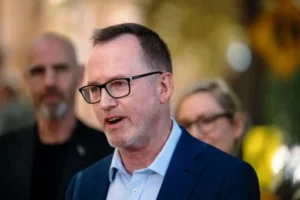
Newly released electoral disclosures from the Australian Electoral Commission (AEC) have revealed that independent candidate Michelle Milthorpe poured nearly $1.7 million into her high-profile byelection campaign against One Nation earlier this year. Despite mounting a heavily financed challenge in the regional New South Wales seat of Farrer—historically a stronghold for the Liberal Party—Milthorpe ultimately fell short against One Nation’s David Farley.

The figures, made public by the AEC, highlight the staggering financial mobilization required for modern independent campaigns in regional Australia. Milthorpe’s campaign expenditure highlights the growing footprint of well-funded independent movements outside of metropolitan centers, a trend that has increasingly disrupted traditional party politics across the nation.
Campaign Finances and Major Donors Breakdown
According to the official returns data, Milthorpe spent a total of $1,708,845 during the intense byelection battle, while successfully raising $1,680,439 in monetary donations and gifts. The campaign was sustained by contributions from more than 5,000 individual donors, demonstrating broad grassroots engagement alongside substantial financial backing from political funding vehicles.

The AEC data indicates that approximately 40% of the total funds raised—amounting to $670,653—surpassed the federal statutory declaration threshold of $17,300. Among Milthorpe’s most prominent financial backers were several high-profile progressive and regional funding entities:
- Regional Voices Fund Pty Ltd: Contributed $215,000. The fund is known for supporting independent candidates running in regional electorates.
- Keldoulis Investments Pty Limited: Donated $117,000. The entity is owned by Robert Keldoulis, a notable financial contributor to Climate 200, the major funding vehicle instrumental in backing "teal" independents in federal elections.
- Keep Them Honest Pty Ltd: Provided $75,000.
- Climate 200 Pty Limited: Contributed $61,653 directly to the campaign.
Conversely, spending and donation disclosures for major party and endorsed candidates function under different legislative timelines. Under current electoral laws, candidates endorsed by registered political parties—such as One Nation’s David Farley—are permitted to defer their detailed campaign spending reports until February of the following year, when political parties publish their annual returns. Consequently, Farley’s initial electoral returns recorded a nominal campaign expenditure of just $5,119 with no listed donations, figures that are widely anticipated to be revised significantly when annual party disclosures are processed.

The Farrer Byelection Context and Electoral Outcome
The byelection in Farrer was triggered following structural shifts and political vacancies in federal representation, notably tied to the seat previously held by high-profile Liberal figure Sussan Ley. Recognizing an opportunity to challenge the conservative status quo, regional independent networks threw their weight behind Milthorpe, bolstered by high-profile endorsements from established crossbench figures such as independent MP Helen Haines.
Despite the influx of $1.7 million in campaign capital and substantial organizational support, Milthorpe was unable to secure victory. On a two-party preferred basis, the final tally favored One Nation’s David Farley, who secured 57.55% of the vote compared to Milthorpe’s 42.45%.

Political analysts noted that while the independent campaign failed to capture the seat, the sheer volume of financial resources mobilized underscored a shifting paradigm in Australian politics, where well-resourced independents can effectively challenge established parties in traditional heartland seats. However, the result also demonstrated the enduring resilience of populist and minor-party movements in regional districts, with One Nation capitalizing on local grievances.
Broader Political Repercussions and Accountability Debates
The release of the Farrer byelection donation returns coincides with a broader national conversation surrounding political donations, electoral transparency, and the influence of "big money" in Australian democracy. Concurrently, other political entities have moved to tighten rules surrounding campaign finance. In Victoria, the state Greens announced a renewed election commitment aimed at establishing a rigorous, legislated lobbyist register and banning political donations from major corporate sectors, including the gambling, property development, and fossil fuel industries.
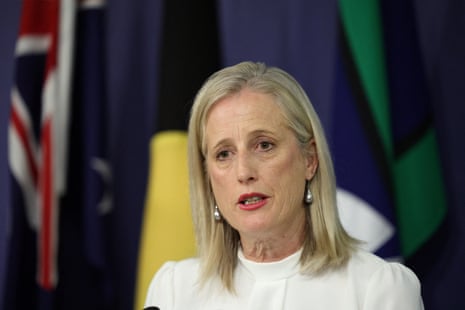
Victorian Greens leader Ellen Sandell argued that existing state frameworks leave loopholes exploited by corporate entities seeking political influence. "These corporations don’t hand over thousands of dollars out of the goodness of their hearts. They expect something in return, and it’s everyday citizens who end up paying the price," Sandell stated during the policy launch.
The debate over financial transparency also intersects with rising tensions regarding political discourse, online harassment, and accountability for digital platforms. Federal ministers have increasingly raised alarms regarding the escalation of abusive behavior directed at public figures, politicians, and public servants online. Recent reports from the Australian Signals Directorate (ASD) and parliamentary hearings have highlighted how malicious actors—including foreign entities and domestic agitators—are leveraging advanced artificial intelligence to scan public systems for vulnerabilities and amplify targeted harassment against political figures and bureaucrats.

Implications for Future Electoral Cycles
The financial footprint of the Farrer byelection serves as a critical case study for upcoming federal and state electoral cycles. As independent movements continue to professionalize and secure substantial war chests backed by donor networks like Climate 200 and regional funds, major political parties face mounting pressure to reform donation disclosure laws.
With public scrutiny intensifying over the speed and transparency of political funding disclosures—particularly the disparity in reporting deadlines between independent candidates and registered political parties—the debate over comprehensive electoral reform is expected to remain a prominent fixture in federal parliament. For now, the financial autopsy of the Farrer race demonstrates that while money alone cannot guarantee an electoral victory, it remains an indispensable tool for non-aligned candidates seeking to mount a viable challenge against entrenched political brands.