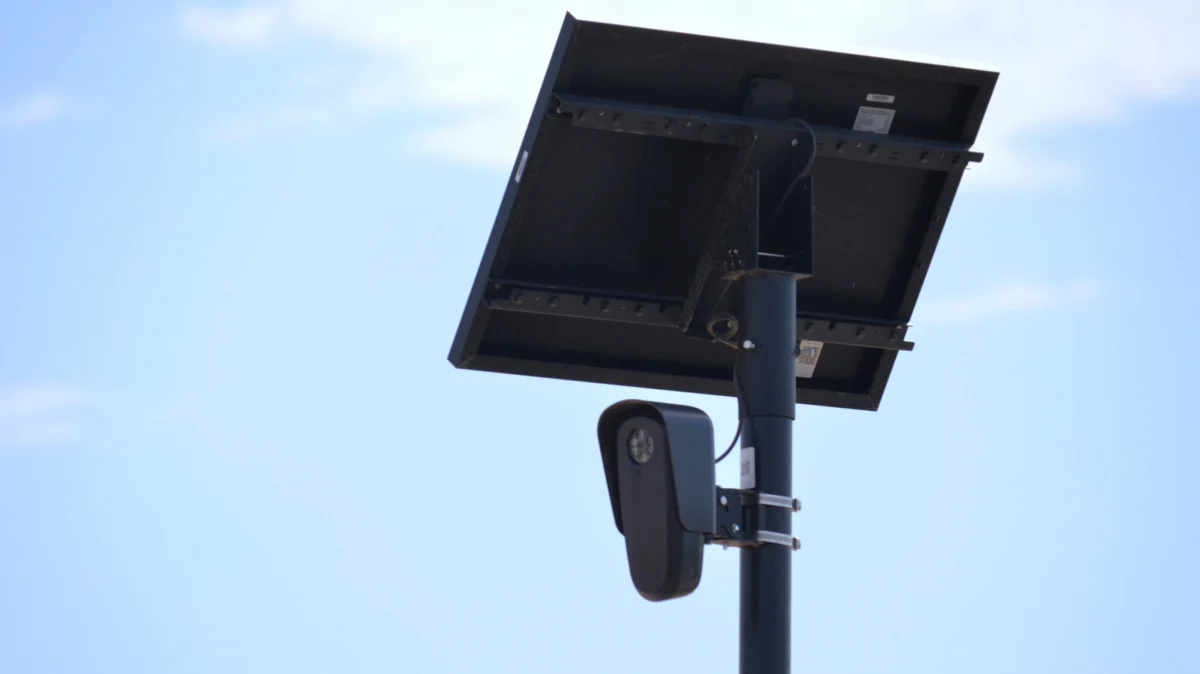
The proliferation of automated surveillance infrastructure across American roadways has sparked an intense, widespread debate over privacy, municipal spending, and public accountability. At the center of this controversy is Flock Safety, a prominent automated license plate reader (ALPR) and surveillance technology company whose solar-powered cameras have rapidly populated intersections, neighborhoods, and municipal borders throughout the United States. As public discontent regarding round-the-clock monitoring mounts, these surveillance devices have increasingly become targets of civil disobedience and outright vandalism. This growing wave of property destruction has laid bare a complex web of financial liabilities, municipal contracts, and insurance structures, raising a fundamental question for local communities: when a Flock camera is vandalized, broken, or destroyed, who ultimately foots the bill? The answer, invariably, leads back to local taxpayers.
The Rising Tide of Surveillance Vandalism
Across the nation, the expansion of automated license plate reader technology has been met with both praise from law enforcement agencies seeking advanced crime-fighting tools and fierce opposition from civil liberties advocates, privacy groups, and frustrated citizens. Critics argue that the continuous collection and retention of location data infringe upon constitutional protections and normalize a surveillance state.
For many opponents, expressing this grievance has moved beyond digital commentary and public protests into direct action against the physical hardware. Incidents involving cameras being spray-painted, physically dismantled, or entirely cut down from their mounting poles have been reported in multiple states. These acts of defiance are frequently framed by perpetrators as protests against government overreach and corporate intrusion into everyday civic life.
However, the practical outcome of these localized acts of vandalism often fails to achieve the protestors’ intended goals. Rather than crippling municipal surveillance networks or forcing cities to abandon their contracts, destroying the equipment frequently triggers financial penalties that result in additional expenditures of public funds, effectively turning acts of civil disobedience into revenue generators for the private surveillance contractor.
Case Study: The Houston and Fort Bend County Incidents
The financial implications of camera vandalism shifted from a theoretical concern to a prominent news story in July, when municipal authorities and regional media outlets reported a wave of property damage targeting surveillance infrastructure in the greater Houston area. The surge of vandalism followed decisions by several local counties to renew and expand their contractual agreements with Flock Safety through the year 2027.
In response to the contract renewals, unidentified individuals cut down at least six Flock cameras deployed across public right-of-ways. While local law enforcement launched investigations to identify the culprits, municipal administrators immediately confronted the logistical and financial fallout of replacing the compromised hardware.
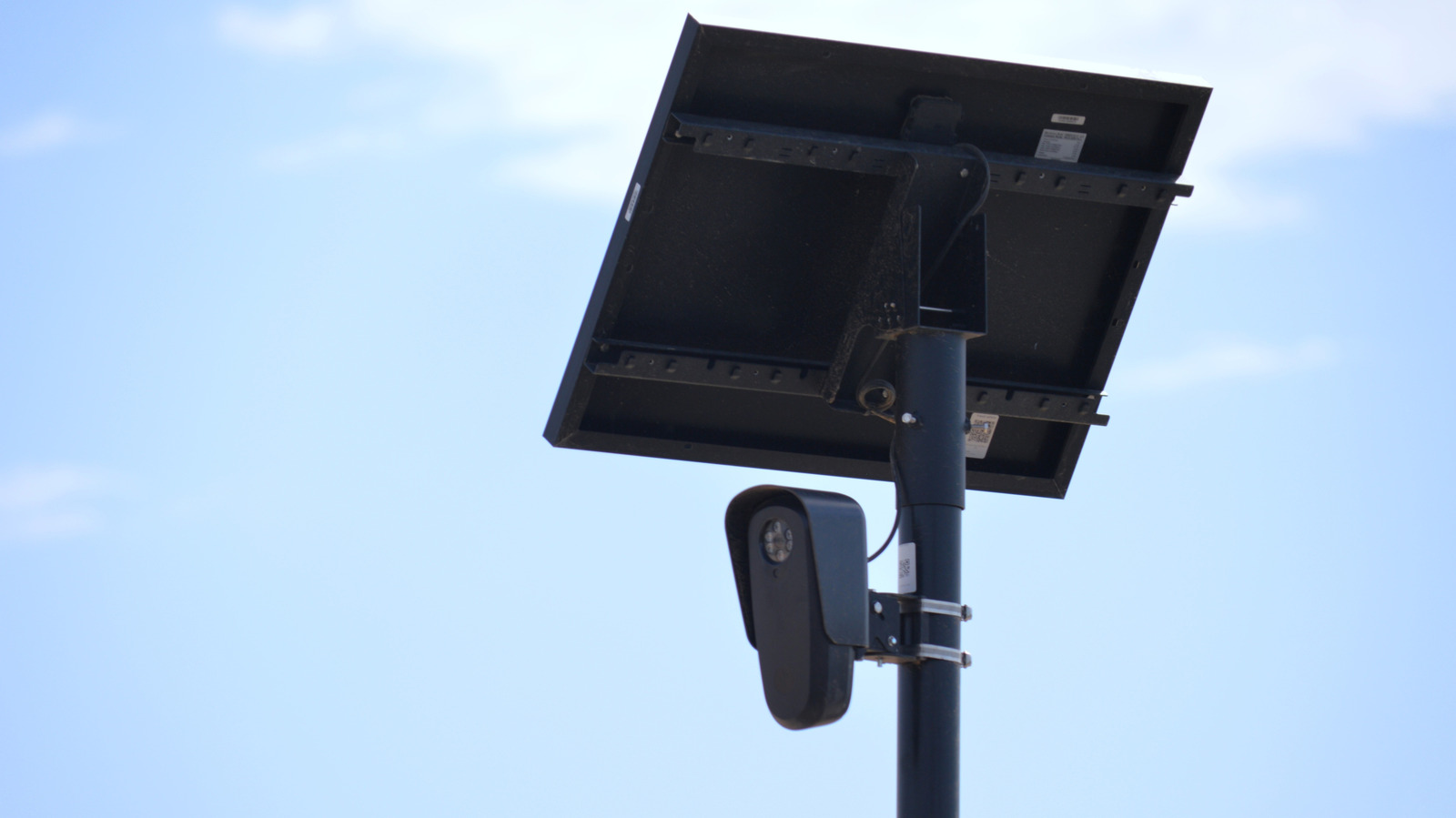
A review of public procurement documents sheds light on how these situations are legally and financially managed. Contracts established between Flock Safety and local government entities—such as the agreement signed with Fort Bend County—contain explicit provisions addressing equipment loss, theft, and physical damage. According to the contract terms, if any Flock hardware is rendered inoperable, stolen, or destroyed, the customer (the local government) holds the responsibility for procuring replacements.
The fee schedule outlined in these municipal contracts is specific: replacing a standard mounting pole incurs a charge of $500, an advanced pole system costs $2,000, and a replacement camera unit is priced at $800 per device. Because these entities operate on public funds derived from local taxation, every dollar spent to replace a vandalized camera is directly drawn from municipal budgets, placing the ultimate financial burden squarely on the shoulders of local taxpayers.
Pay Us Now or Pay Us Later: The Camera Protection Plan
Faced with the reality of equipment damage, local governments navigating contracts with private surveillance vendors must weigh alternative financial models for risk management. In tandem with the public debates surrounding hardware vulnerability, Flock Safety published detailed guidelines outlining available mechanisms to mitigate repair and replacement expenses.
The company offers what it describes as an optional annual add-on known as the Camera Protection Plan. According to corporate documentation, law enforcement agencies and municipal customers enrolled in this specialized tier are eligible to receive repaired or replacement LPR and video cameras at no additional direct cost when damage occurs.
While the protection plan appears to offer a safety net for local governments grappling with high rates of vandalism, it introduces a separate set of financial considerations. The plan is not a complimentary service; it functions as a recurring, subscription-based premium integrated into the ongoing cost of maintaining the surveillance network. Flock Safety does not publicly disclose the specific pricing structure for the Camera Protection Plan, as costs typically vary depending on the scale of the deployment, the number of active nodes, and regional risk assessments.
Consequently, municipal budget managers face a classic risk-allocation dilemma: pay a recurring, guaranteed premium for insurance against vandalism through the vendor, or decline the coverage and assume the full out-of-pocket replacement costs whenever an individual unit is compromised. In either scenario, whether through upfront service fees or retroactive replacement charges, the expenditure is absorbed by the public treasury.
Municipal Procurement and Corporate Risk Transfer
The financial mechanics governing damaged surveillance equipment highlight broader questions regarding public-private partnerships in law enforcement technology. Historically, traditional policing infrastructure—such as traffic signals, streetlights, and standard municipal signage—is owned, maintained, and insured directly by government agencies or public utilities, with internal risk management frameworks handling property loss.
In contrast, the modern deployment of automated policing tools relies heavily on Software-as-a-Service (SaaS) and hardware-as-a-service models provided by private technology firms. Under these agreements, the municipality rarely owns the proprietary software and often leases or licenses the physical apparatus under strict contractual terms that transfer the risk of loss or damage entirely to the public entity.
Legal analysts and public policy researchers note that these vendor agreements often favor the private contractor by insulating them from operational liabilities. When public property is damaged by third parties, standard government assets are typically covered by municipal risk pools or property insurance policies. However, specialized proprietary hardware leased from third-party vendors may carry restrictive clauses that mandate specific replacement channels, proprietary parts, and vendor-exclusive installation protocols, thereby preventing local public works departments from utilizing generic or cost-effective repair alternatives.
Broader Implications for Communities and Law Enforcement
The intersection of public dissent, property damage, and municipal finance regarding automated surveillance hardware carries significant implications for local governance. As cities and counties across the United States continue to expand their digital surveillance footprints, decision-makers are forced to balance rising public safety demands against growing community polarization.
Law enforcement agencies frequently champion automated license plate readers as invaluable force multipliers. Police departments cite numerous instances where ALPR data has aided in locating stolen vehicles, recovering missing persons, amber alerts, and apprehending suspects linked to violent crimes. From this perspective, the cameras represent a critical component of modern investigative work, justifying ongoing investment and protective measures.
Conversely, community stakeholders and local government watchdogs argue that the financial drain caused by vandalism—coupled with the baseline subscription and maintenance costs of the technology—diverts vital public funds away from community services, infrastructure maintenance, social programs, and direct public health initiatives. Furthermore, critics emphasize that when municipalities are forced to repeatedly allocate taxpayer funds to replace damaged cameras, the financial friction between local residents and municipal leadership intensifies.
As long as the debate over automated surveillance persists, the physical infrastructure will remain a visible flashpoint for broader societal tensions. Whether through higher tax allocations for hardware replacements or recurring payments for vendor-provided protection plans, the financial responsibility for maintaining the apparatus of public surveillance will continue to rest with the public, ensuring that the true cost of monitoring the streets is borne directly by the community itself.