Metabolic health researchers have uncovered a concerning synergy between declining hormone levels and modern dietary habits, revealing how low testosterone combined with high fructose intake drastically accelerates the progression of metabolic dysfunction-associated steatotic liver disease (MASLD). Published recently in the American Journal of Physiology-Endocrinology and Metabolism, the landmark study sheds light on a complex biological pathway involving gut bacteria, intestinal metabolites, and hepatic fat accumulation. As MASLD continues to challenge global healthcare systems—currently impacting roughly 40 percent of adult men worldwide—this research offers vital clues into why certain individuals are at a heightened risk for severe liver complications.
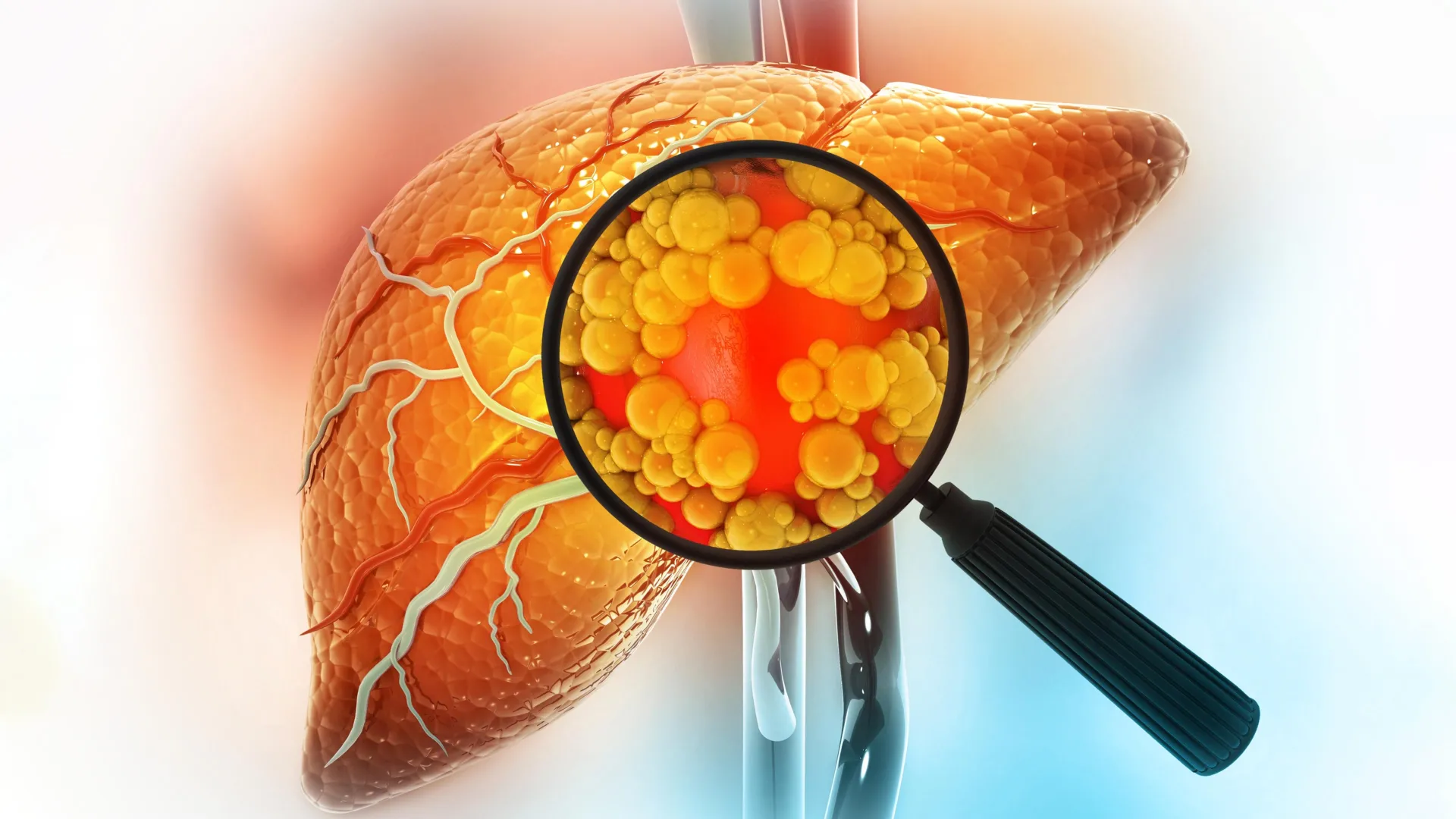
The global prevalence of MASLD has surged in lockstep with the obesity epidemic, changing dietary patterns, and sedentary lifestyles. Historically recognized simply as non-alcoholic fatty liver disease (NAFLD), the condition represents a spectrum of liver disorders ranging from simple hepatic steatosis—characterized by excess fat accumulation within liver cells—to more aggressive forms like metabolic dysfunction-associated steatohepatitis (MASH), which can eventually lead to cirrhosis, liver failure, and hepatocellular carcinoma. While public health campaigns have long focused on the dangers of obesity and type 2 diabetes, the interplay between endocrine health, specifically declining androgen levels, and nutritional factors has remained underexplored until now.
Background Context: The Convergence of Endocrinology and Hepatology
For decades, clinicians have observed a high co-occurrence of low testosterone and metabolic disorders in aging men. Testosterone plays a critical role in regulating body composition, insulin sensitivity, and lipid metabolism. When testosterone levels drop—whether due to natural aging, hypogonadism, or underlying metabolic diseases—individuals frequently experience increased visceral adiposity and systemic inflammation. Simultaneously, the modern food supply has been flooded with added sugars, particularly high-fructose corn syrup and free fructose found in carbonated beverages, processed snacks, and sweetened condiments.
Unlike glucose, which is metabolized by virtually every cell in the body, dietary fructose is processed primarily by the liver. Excessive fructose consumption overburdens hepatic metabolic pathways, turning the sugar directly into fat through de novo lipogenesis. However, prior to this recent investigation led by researchers from a prominent Graduate School of Agriculture, the scientific community lacked a clear understanding of how hormonal deficiencies and high-fructose diets might interact. Did they act independently, merely compounding individual risks, or did they trigger a more dangerous, multiplicative biological response?
To answer this question, a research team spearheaded by graduate student Hiroki Takahashi and Associate Professor Naoki Harada embarked on a comprehensive controlled study to untangle the molecular cross-talk between testosterone levels, dietary fructose, and hepatic health.
Chronology and Methodology of the Experimental Design
The investigative process required a meticulously structured multi-group laboratory approach to isolate the variables of testosterone deficiency, fructose consumption, and gut microbiome activity. The study commenced using eight-week-old male mice, which serve as a standard and reliable mammalian model for metabolic research.
The researchers divided the subjects into six distinct experimental cohorts to meticulously monitor physiological changes:
- Sham-operated control group receiving standard drinking water.
- Sham-operated group receiving a high-fructose diet.
- Sham-operated group receiving a high-fructose diet alongside broad-spectrum antibiotics.
- Castrated control group (to experimentally induce low testosterone levels) receiving standard water.
- Castrated group receiving a high-fructose diet.
- Castrated group receiving a high-fructose diet alongside antibiotics.
This multi-pronged design allowed the team to evaluate not only the isolated and combined effects of testosterone depletion and fructose loading but also to interrogate the active role of the gut microbiota by utilizing antibiotics to deplete intestinal bacterial populations.
Following the controlled feeding and surgical protocols, the research team conducted exhaustive analytical evaluations. They examined liver tissue architecture and cellular composition, quantified blood plasma biomarkers, measured organic acid concentrations within the cecum (a pouch marking the beginning of the large intestine), and sequenced gut microbiome samples to track shifts in microbial populations.
Empirical Findings: A Multiplicative Threat to Liver Health
The results of the multi-variable analysis painted a stark picture of metabolic vulnerability. When evaluated independently, both low testosterone levels and high fructose consumption produced relatively modest alterations in hepatic triglyceride levels. However, when the two conditions were introduced simultaneously, the physiological impact was dramatically magnified.
Mice subjected to both castration and a high-fructose diet exhibited significantly heavier livers and vastly accelerated fat accumulation compared to mice experiencing only one of the two risk factors. Interestingly, when antibiotics were introduced to the regimen of the castrated, fructose-fed mice, the exaggerated increase in liver weight was notably mitigated. This critical observation pointed the investigators toward an unexpected accomplice in the disease process: the gut microbiome.
Further genomic and biochemical profiling revealed that the dual presence of reduced testosterone and dietary fructose triggered distinct alterations in gut bacterial composition, shifted liver gene expression profiles, and led to elevated levels of pyruvate—an organic acid and key intermediate in cellular energy metabolism—within the cecum.
The Hidden Mechanism: Gut Microbes and Pyruvate Synergy
To move from correlation to causation, Takahashi and his colleagues designed downstream experiments to uncover the biological bridge connecting intestinal changes to hepatic fat storage.
"Upon examining this mechanism, we found that changes in the gut microbiota led to increased levels of pyruvate within the intestine. Furthermore, experiments using mouse-derived primary hepatocytes revealed that pyruvate acts synergistically with fructose to promote neutral lipid accumulation in hepatocytes," explained Takahashi.
In essence, the research illuminated a complex, multi-organ relay race. Alterations in the gut microbial ecosystem, driven by the combination of hormonal imbalance and dietary fructose, resulted in elevated intestinal pyruvate production. This surplus pyruvate did not remain localized; rather, it traveled to the liver where it acted in concert with fructose molecules. Laboratory tests utilizing isolated primary liver cells confirmed that pyruvate and fructose operate synergistically, directly stimulating liver cells to store significantly greater quantities of neutral lipids.
This discovery provides a mechanistic framework for understanding why men with low testosterone who consume diets high in added sugars face an exponentially higher risk of developing aggressive fatty liver disease.
Scientific Implications and Future Therapeutic Horizons
The publication of these findings in the American Journal of Physiology-Endocrinology and Metabolism has generated considerable interest among endocrinologists, hepatologists, and nutritional scientists alike. By bridging the gap between endocrinology, microbiology, and metabolism, the study opens several promising avenues for therapeutic and preventive interventions.
Healthcare professionals note that while the data currently derive from murine models and in vitro cellular assays, the underlying physiological pathways offer highly translatable targets for human medicine. As global rates of MASLD continue to climb—imposing heavy burdens on healthcare infrastructure and increasing patient risks for cardiovascular disease and type 2 diabetes—identifying novel intervention points is of paramount importance.
Industry experts and clinical researchers have begun outlining the broader implications of the research:
- Targeted Microbiome Therapies: Because antibiotic intervention partially blunted the pathological increase in liver weight, future treatments could involve precision prebiotics, probiotics, or targeted antimicrobial therapies designed to suppress the specific bacterial strains responsible for excess intestinal pyruvate production.
- Metabolic Inhibitors: Understanding how pyruvate and fructose synergize within hepatocytes could enable pharmacologists to develop enzyme inhibitors or metabolic blockers that interrupt this specific lipid-storage pathway.
- Dietary Guidelines for Hormonal Health: Clinicians may soon place greater emphasis on dietary counseling for aging men or individuals undergoing androgen deprivation therapy, advising strict limitations on fructose-containing foods and beverages to protect hepatic function.
- Integrated Patient Care: The findings underscore the necessity of cross-disciplinary medical management, ensuring that patients presenting with metabolic liver disease are evaluated for endocrine health, and vice versa.
Concluding Analysis
As academic and clinical teams look toward the next phases of research, the primary objective will be translating these murine findings into human clinical trials. Professor Naoki Harada outlined the roadmap for future investigations: "Going forward, we hope to clarify the mechanism by which pyruvate promotes triglyceride accumulation to pioneer the development of therapeutic drugs and establishment of preventive methods through dietary interventions."
Ultimately, this study serves as a critical reminder of the interconnected nature of human physiology. It demonstrates that metabolic diseases like MASLD are rarely the result of a single isolated failure; instead, they often represent the convergence of hormonal decline, modern nutritional hazards, and the unseen ecosystem of the human gut. By mapping these complex interactions, medical science moves one step closer to personalized, highly effective strategies for combating one of the modern era’s most pervasive chronic illnesses.