Recent scientific investigations have increasingly focused on the microscopic ecosystems residing within the human body, uncovering profound links between internal microbial communities and overall physiological longevity. In a groundbreaking study published in the peer-reviewed journal Scientific Reports, researchers at the University of Hawaiʻi at Mānoa have revealed a surprising and substantial connection between the bacteria inhabiting the human gastrointestinal tract and the rate at which an individual biologically ages. According to the findings, differences in gut bacterial communities account for approximately 15 percent of the total variation observed in participants’ biological aging rates. This discovery suggests that the human microbiome—the vast, dynamic community of microorganisms residing within the digestive system—may serve as a critical biological archive and predictor of aging at the molecular level, independent of the number of years a person has been alive.
The research team, anchored by scientists at the John A. Burns School of Medicine, examined biospecimens collected from a diverse cohort of 123 adult participants spanning a wide age range. By analyzing both stool and blood samples, the researchers were able to catalog the specific bacterial species present within each participant’s gastrointestinal tract. These microbial profiles were subsequently cross-referenced with advanced blood-based molecular markers designed to quantify the physiological wear and tear on the body. Unlike chronological age, which merely records the passage of time since birth, biological age measures the functional deterioration or preservation of bodily systems, reflecting how rapidly aging-related cellular and molecular changes are transpiring.
Unraveling the Microbiome-Aging Nexus: Key Findings and Biomarkers
At the core of the study’s analytical framework was DunedinPACE, a sophisticated epigenetic biomarker utilized by researchers to measure the pace of biological aging. By applying this metric to the participant data, the research team discovered notable statistical associations between specific bacterial taxa and accelerated or decelerated biological aging rates.
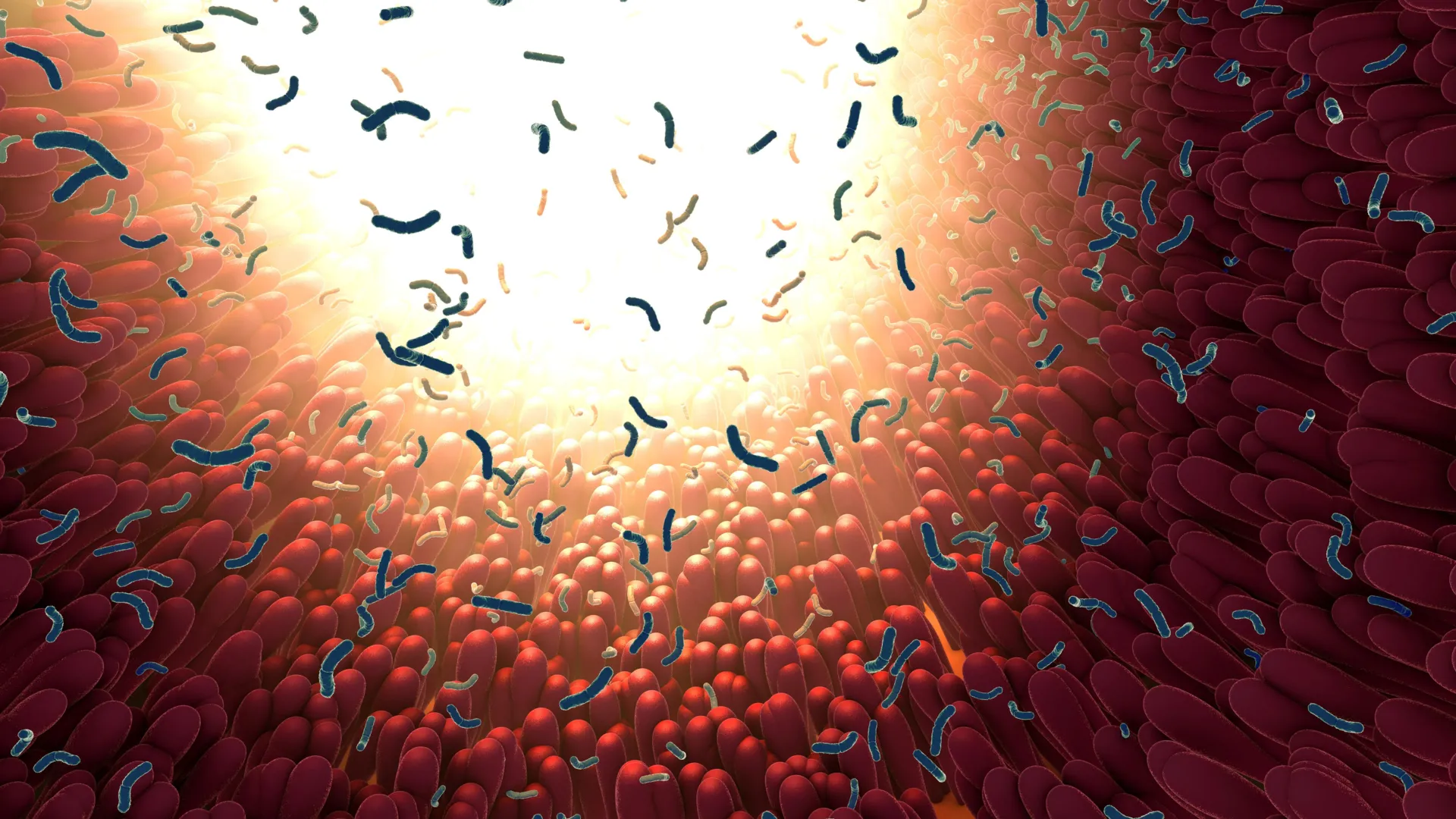
Among the myriad microorganisms identified, certain bacterial species emerged as prominent indicators. Bifidobacterium adolescentis, a well-known probiotic bacterium traditionally associated with carbohydrate fermentation and gut health maintenance, was among the microbes most strongly correlated with slower biological aging trajectories. Conversely, Succinivibrio dextrinosolvens demonstrated one of the strongest associations with faster biological aging metrics. These stark contrasts underscore the hypothesis that specific configurations and patterns of gut bacteria can provide valuable, real-time indicators of systemic biological resilience and cellular degradation.
Senior author Alika K. Maunakea emphasized the significance of these discoveries in the context of modern biomedicine. He noted that the research substantially advances the scientific community’s comprehension of how internal microbial ecology interacts with human longevity. By observing that microbial patterns align closely with molecular aging markers even when controlling for chronological age, the study opens critical new pathways for investigating how modifiable biological systems shape long-term health trajectories.
Chronology and Methodology of the University of Hawaiʻi Research
The trajectory of this research reflects a growing global interest in precision health and the multi-system determinants of human lifespan and healthspan. The project began with the recruitment of a carefully selected cohort of 123 adult volunteers designed to capture a broad cross-section of age demographics. Crucially, the research team prioritized demographic representation by including Native Hawaiian and Pacific Islander participants, populations that have historically been underrepresented in biomedical research, particularly in studies examining aging, epigenetics, and microbiome science.
Following recruitment, comprehensive data collection protocols were executed. Participants provided biological samples, including stool specimens for microbiome sequencing via 16S rRNA gene profiling and blood samples for DNA methylation and biomarker analysis. Laboratory assays mapped the taxonomic abundance of gut bacteria, while molecular markers evaluated biological aging velocity. The subsequent biostatistical analyses revealed the 15 percent variance attributed to microbial composition, setting the stage for the formal publication of the findings in Scientific Reports.
Co-author Ruben Juarez highlighted the importance of inclusive demographic representation in this chronological development of the study. Juarez pointed out that incorporating historically underserved populations allows scientists to investigate how structural social circumstances, behavioral patterns, and environmental exposures leave cumulative, lasting biological signatures over a human lifespan. Because the microbiome exists at the complex intersection of human behavior, external environment, and innate biology, population-specific studies are vital for understanding the full spectrum of health disparities and longevity determinants.
Lifestyle, Environment, and the Plasticity of Gut Health
One of the most compelling aspects of the gut microbiome in the context of aging is its remarkable malleability. While an individual’s chronological age marches forward inexorably, and human genetic sequences remain fixed from birth, the composition of the gut microbiome is profoundly dynamic. It continuously adapts in response to a myriad of everyday external influences, including dietary patterns, physical activity levels, pharmaceutical use, stress, and broader environmental exposures.
Lead author Braden P. Kunihiro noted that this high degree of responsiveness positions the microbiome as an exceptional focal point for precision health research. Precision health aims to move away from generalized medical guidelines and toward tailored interventions that account for individual physiological and environmental differences. Because lifestyle choices directly sculpt the microbial populations residing in the digestive tract, understanding these interactions offers a tangible mechanism through which individuals might eventually influence their own biological aging processes.
Kunihiro emphasized that the microbiome serves as a sensitive mirror of biological resilience. As everyday exposures accumulate, the microbial communities shift, potentially signaling early physiological stress or robustness long before traditional clinical symptoms of age-related disease manifest. This responsiveness forms the theoretical foundation for future preventive healthcare strategies aimed at optimizing gut health to promote healthy aging.
Cautious Interpretation: Correlation Versus Causation
Despite the enthusiasm surrounding these findings, the research team exercises rigorous scientific caution, explicitly emphasizing that the current study establishes association rather than direct causation. The identification of specific bacterial species in individuals exhibiting slower biological aging does not inherently prove that those particular microorganisms are the active agents responsible for decelerating the aging process.
It remains entirely plausible that underlying host factors—such as immune system function, genetic predispositions, or systemic inflammatory states—simultaneously shape the gut microbiome and dictate the rate of biological aging. Alternatively, unmeasured dietary and lifestyle habits could independently foster both a longevity-associated microbiome and a slower biological aging phenotype.
Consequently, establishing causality will require extensive follow-up investigations. Future research must move beyond observational cross-sectional studies to longitudinal analyses and interventional trials. Scientists will need to determine whether deliberately manipulating the gut microbiome—through targeted dietary interventions, precision prebiotics, advanced probiotics, or fecal microbiota transplantation—can directly alter biological aging trajectories and improve long-term health outcomes in humans.
Broader Implications for Precision Medicine and Healthy Aging
The implications of the University of Hawaiʻi study extend far beyond academic microbiology, touching upon the future of clinical medicine, public health policy, and personalized wellness. As global populations age, finding effective ways to extend healthspan—the period of life spent in good health, free from chronic debilitating disease—has become a paramount societal objective.
If subsequent research successfully confirms causal links between specific microbial signatures and biological aging, the clinical utility of the gut microbiome could be transformative. Gastroenterologists, geriatricians, and primary care physicians might routinely analyze patient microbiome profiles as standard preventative assessments. Such diagnostics could help identify individuals at elevated risk for accelerated biological aging years before the onset of age-related pathologies such as cardiovascular disease, metabolic syndrome, or cognitive decline.
Furthermore, this diagnostic capability could pave the way for personalized therapeutic interventions. Rather than relying on broad-spectrum wellness recommendations, clinicians could prescribe hyper-targeted nutritional modifications or microbial therapies designed to shift a patient’s internal ecosystem toward a profile associated with enhanced resilience and longevity.
As the scientific community looks toward the horizon, the study led by Maunakea, Kunihiro, Juarez, and their colleagues represents an important foundational milestone. By bridging the gap between microbial ecology and molecular biogerontology, the research provides a vital framework for future explorations into how the invisible communities within us shape the arc of human life. Continued interdisciplinary collaboration, rigorous clinical trials, and inclusive population studies will ultimately determine whether our microscopic residents hold the key to unlocking healthier, longer lives.