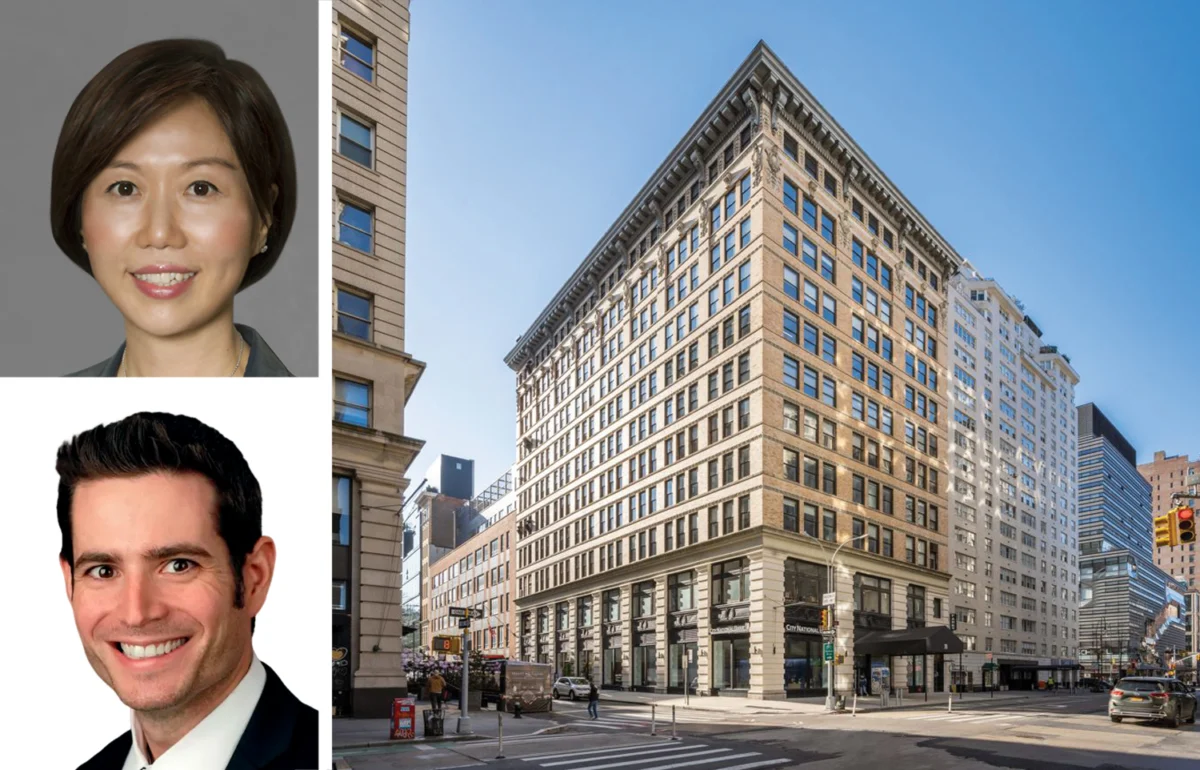
The commercial real estate landscape in Manhattan’s vibrant Flatiron and Union Square corridors has seen a notable shift with the recent acquisition of the leasehold interest at 71 Fifth Avenue. Igal Namdar’s Namdar Realty Group finalized the purchase of the 11-story, Class B commercial property on October 22, 2024, securing the asset for $62 million. This transaction marks a significant repricing for the building, which had been on the market for several years as shifting office demand and interest rate environments reshaped expectations for Midtown South properties.
The property, situated at the prominent intersection of Fifth Avenue and East 15th Street, represents a strategic addition to Namdar Realty Group’s extensive portfolio. With approximately 90 years remaining on the leasehold, the firm has secured long-term control over a building that sits at the nexus of some of New York City’s most high-traffic commercial and creative districts.
A Multi-Year Market Journey
The sale of 71 Fifth Avenue follows a protracted period of market exposure. The previous owners—a joint venture between Madison Capital and Lubert-Adler Partners—first brought the leasehold to market in 2021. At the time, market optimism regarding the recovery of the Manhattan office sector was high, and industry sources speculated that the asset could command a price tag as high as $150 million.
The eventual $62 million sale price highlights the recalibration of valuation models for secondary office assets in the post-pandemic era. The transaction was facilitated by a high-profile team from Meridian Capital Group, including Helen Hwang, David Schechtman, Brian Szczapa, and Ian Shoenfeld, who navigated a complex landscape to close the deal.
The history of the building’s ownership reflects the volatility of the New York investment market. Madison Capital originally acquired the leasehold in 2016 for approximately $85 million upfront, plus an annual ground rent obligation of $3.5 million. The entry of Lubert-Adler Partners into the joint venture was part of a strategy to optimize the building’s performance, but the prolonged sales process underscores the broader challenges currently facing institutional owners of aging office inventory.
Land Ownership and Leasehold Dynamics
A unique aspect of the 71 Fifth Avenue transaction is the distinction between the leasehold interest and the underlying land ownership. While Namdar Realty Group has purchased the right to operate and sublease the building for the next nine decades, the fee simple interest in the land remains under the control of Samco Properties and the family of Mark Lapidus.
Mark Lapidus, recognized for his previous leadership as the global head of real estate for WeWork, brings a nuanced perspective to the ownership group. This ownership structure—where the ground lease is held by long-term family interests and the building interest changes hands—is common in New York City, yet it creates specific requirements for the leaseholder regarding capital expenditures and ground rent management. For Namdar, the acquisition is a bet on the long-term utility of the building, regardless of the temporary fluctuations in office occupancy rates.
Tenant Composition and Market Resilience
Despite the broader national narrative surrounding office vacancies, 71 Fifth Avenue maintains a diverse and evolving tenant base. The building has successfully attracted a mix of established corporations and high-growth technology startups.
Current occupants include the global payment company Adyen and the artificial intelligence video-editing startup Captions. The presence of these companies suggests that the building remains a desirable location for businesses seeking a "cool" factor inherent to the Flatiron/Union Square submarket. Furthermore, the building continues to serve as a location for WeWork, reflecting the enduring presence of flexible workspace providers in the area.
Most recently, market intelligence indicates that the building’s leasing activity remains active. Sources familiar with confidential, off-market transactions reported earlier this month that an unnamed artificial intelligence firm has secured a lease for approximately 30,000 square feet within the property. This indicates that despite the general softness in the office sector, demand remains for well-located assets that can cater to the specific infrastructure needs of the growing AI sector.
On the ground floor, the building provides a mix of retail and commercial services, currently anchored by City National Bank. While there is one full-floor office vacancy of 15,227 square feet currently being marketed, the building’s ability to attract new, high-growth tenants suggests a degree of resilience that institutional investors find attractive.
The Broader Impact on Midtown South
The sale of 71 Fifth Avenue at a price point significantly lower than its 2021 asking price serves as a bellwether for the Manhattan office market. The "Midtown South" submarket, which includes Flatiron, has historically been a favorite for tech and creative tenants. However, the flight-to-quality trend—where tenants prioritize brand-new, amenity-rich buildings—has placed pressure on Class B properties like 71 Fifth Avenue.
Namdar Realty Group’s strategy often involves acquiring assets with upside potential that can be realized through operational efficiencies or repositioning. By purchasing the leasehold at a price point that reflects current market realities, the firm likely has more flexibility to navigate the remaining 90-year term.
Investors and market observers will be watching to see if this deal acts as a catalyst for other transactions in the neighborhood. As interest rates begin to stabilize and the "wait-and-see" approach from institutional buyers begins to thaw, deals like the one at 71 Fifth Avenue provide critical data points for setting new pricing floors in the commercial real estate market.
Official Responses and Market Silence
In the wake of the transaction, representatives from Namdar Realty Group, Madison Capital, and Lubert-Adler Partners declined to comment on the specifics of the deal. Such silence is standard in high-stakes commercial real estate, where firms prefer to keep the specifics of capital stacks and individual asset performance private.
However, the lack of public comment does not diminish the significance of the move. For Madison Capital and Lubert-Adler, the sale marks an exit from an asset that had become a long-term hold in a shifting environment. For Namdar, it represents the continuation of an aggressive acquisition strategy that has allowed the firm to build a substantial footprint across the United States.
Implications for Future Office Development
The successful lease-up of space to AI-focused tenants at 71 Fifth Avenue points to a structural shift in the type of demand driving the office market. As traditional law firms and financial services companies rethink their footprints, AI startups and tech firms are stepping in to fill the void. These companies often require unique build-outs and may be less sensitive to the traditional office layouts that defined the 20th century.
For property owners, the mandate is clear: the path to profitability in the current climate requires an agile approach to tenant relations and a willingness to adapt to the specific technological needs of the new generation of corporate occupiers. As Namdar Realty Group integrates 71 Fifth Avenue into its portfolio, the market will observe how the firm leverages the building’s prime location to maintain its competitive edge.
Ultimately, the $62 million transaction is more than just a sale; it is a signal that despite the challenges facing the office sector, the intrinsic value of well-located Manhattan real estate persists. With the backing of a 90-year leasehold, Namdar is positioned to weather the current cycle and capitalize on the long-term evolution of the Flatiron District, ensuring that 71 Fifth Avenue remains a relevant component of the Manhattan skyline for decades to come.