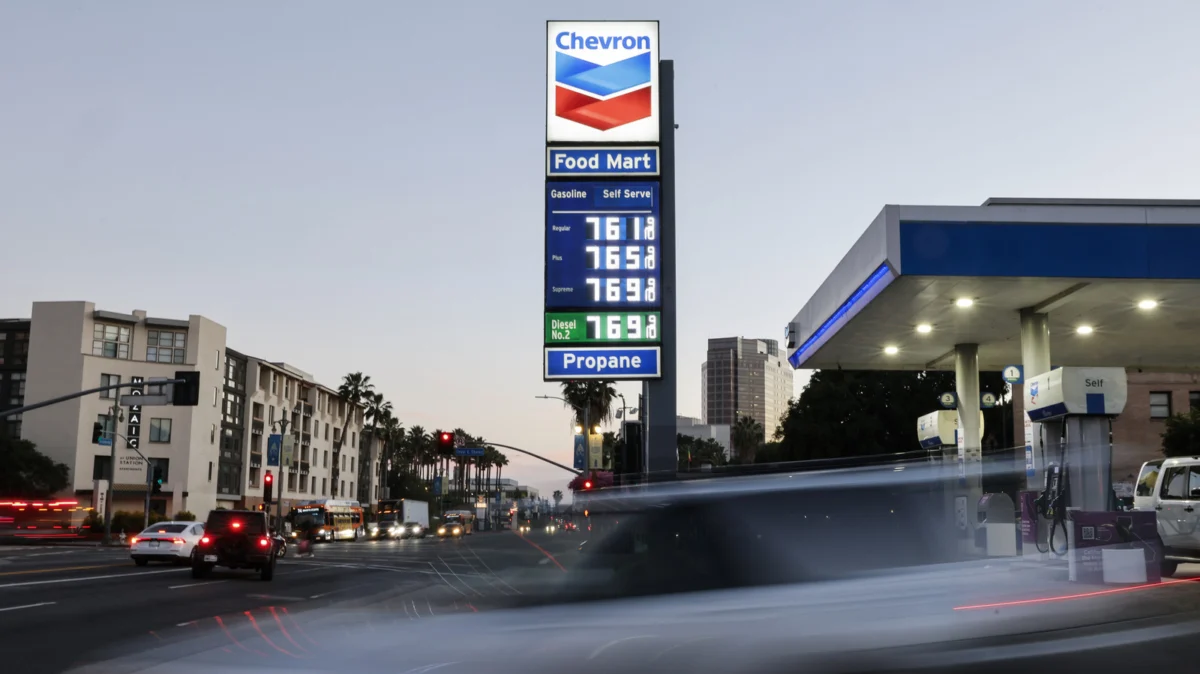
Amidst a period of heightening geopolitical volatility and a tightening global energy market, Chevron executive Andy Walz has sparked significant public debate by suggesting that American consumers should simply reduce their driving habits to mitigate the impact of soaring fuel prices. The comments come at a precarious moment for the global economy, as the U.S. Navy, under orders from President Donald Trump, has moved to block Iranian tankers from transiting the Strait of Hormuz. This strategic maneuver, aimed at curbing Iranian oil exports, has effectively severed a primary artery of the global crude supply, leading to a predictable but painful spike in costs for consumers at the pump.
The executive’s recommendation has been met with criticism from consumer advocacy groups and environmentalists alike, who argue that the burden of energy conservation is being unfairly shifted onto individuals. This shift occurs while the oil industry simultaneously faces allegations of actively hindering the transition to renewable energy and electric vehicle (EV) infrastructure. As gasoline prices climb past the $4-per-gallon mark in many regions, the tension between corporate strategy, federal foreign policy, and the daily reality of the American commuter has reached a boiling point.
Geopolitical Instability and the Strait of Hormuz
The current energy crisis is inextricably linked to the escalating tensions in the Middle East. The Strait of Hormuz, a narrow waterway between the Gulf of Oman and the Persian Gulf, is arguably the most important oil chokepoint in the world. Historically, roughly one-fifth of the world’s total oil consumption passes through this strait daily. By ordering the U.S. Navy to intercept tankers paying tolls to Iran, the Trump administration has introduced a level of market uncertainty that hasn’t been seen in decades.
Industry analysts suggest that the blockade is part of a broader "maximum pressure" campaign intended to isolate Iran economically. However, the collateral damage of this policy is felt most acutely by the global crude market. Without a clear timeline for when the blockade might end or when a ceasefire might be negotiated, oil futures have become increasingly erratic. For the average American driver, this geopolitical chess match translates directly into higher costs for commuting, travel, and the shipment of goods.
The Chevron Perspective: Conservation Over Innovation
In a recent interview with CBS News, Chevron executive Andy Walz addressed the rising costs by emphasizing individual responsibility. Walz stated that consumers should focus on driving less and conserving energy as a primary means of relief. "People should try to drive less. They should try to conserve energy. We should be doing that all the time," Walz remarked. He characterized energy as an "essential" part of life but maintained that the immediate solution to high prices lies in reduced demand rather than a rapid pivot to alternative energy sources.
While the call for conservation is a standard trope during energy shortages, critics have pointed out the "let them eat cake" undertone of the statement. The American landscape is largely defined by suburban sprawl and a historical lack of investment in robust public transportation. For millions of workers, driving is not a luxury but a necessity to maintain employment and access basic services. Consequently, the suggestion to "drive less" ignores the structural dependencies that keep Americans tethered to the internal combustion engine.
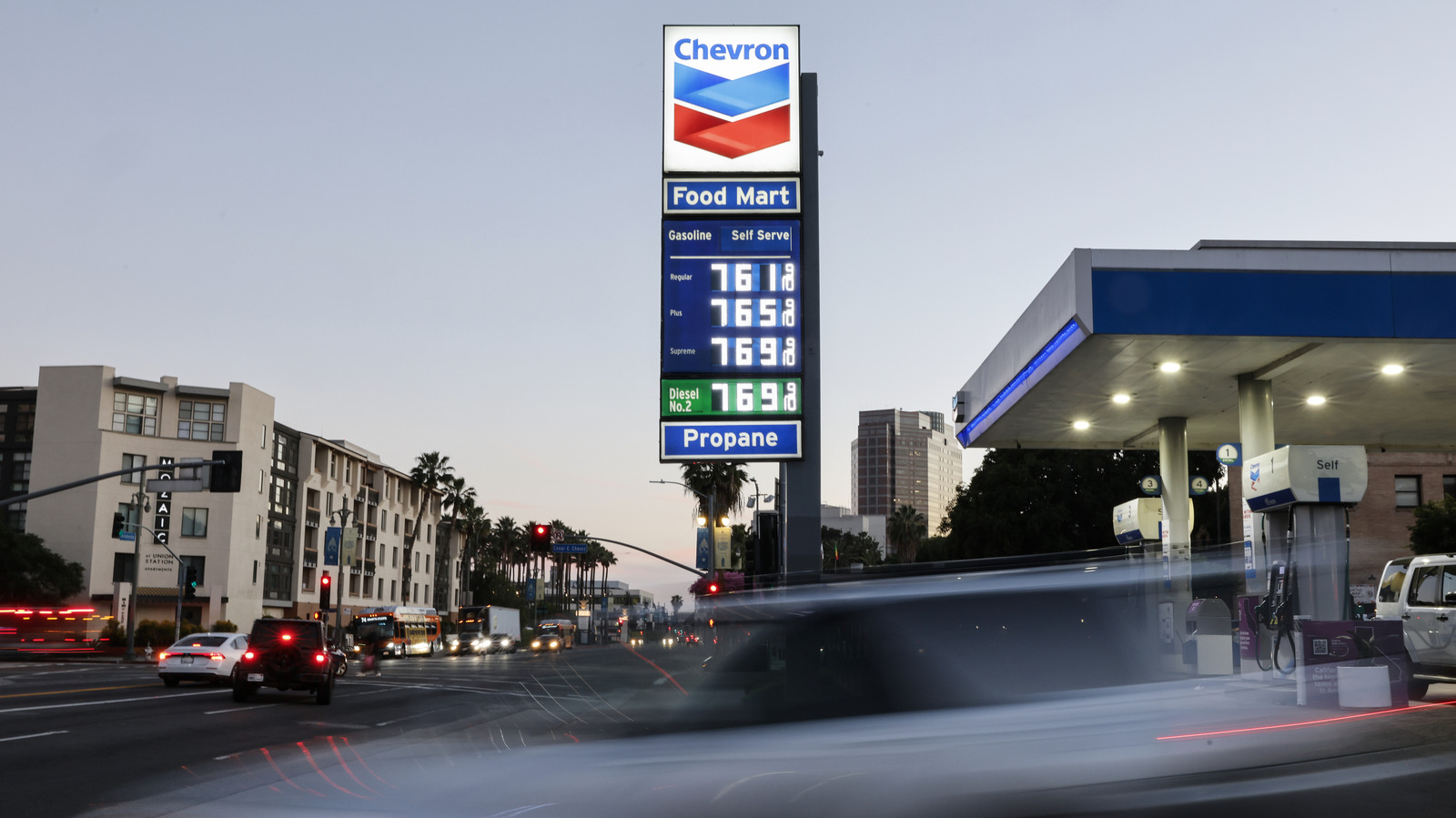
Furthermore, Walz acknowledged that the crisis extends beyond the personal vehicle. The price of crude oil is a foundational component of the global supply chain. When fuel prices rise, the cost of transporting food, raw materials, and finished goods rises in tandem. This creates a secondary inflationary effect, where the price of groceries and household items increases even for those who do not own a car.
The Paradox of American Oil Production
One of the most complex aspects of the current crisis is the United States’ position as a global energy leader. President Trump has frequently touted the fact that the U.S. is currently the world’s leading producer of crude oil. However, being the top producer does not equate to being energy independent in a way that shields domestic consumers from global price shocks.
The U.S. oil market is deeply integrated into a global system. American oil companies are private entities that operate on a profit-maximization model; they are under no legal obligation to prioritize domestic sales if international markets offer higher prices. Additionally, the U.S. refining infrastructure is often optimized for heavy crude, which necessitates the continued import of oil from countries like Canada. Currently, nearly 97% of Canadian oil exports are directed toward the U.S. to meet this demand.
Despite high domestic production levels, the U.S. remains a "price taker" in the global market. When a major supply route like the Strait of Hormuz is compromised, the global price of Brent and West Texas Intermediate (WTI) crude rises, and American consumers pay the premium regardless of how much oil is being pumped in Texas or North Dakota.
Legal Challenges and Allegations of Collusion
The oil industry’s response to the energy transition is currently under intense legal scrutiny. In January, the state of Michigan filed a landmark antitrust lawsuit against several oil majors, including BP, Chevron, Exxon, and Shell. The lawsuit alleges that these corporations have engaged in a decades-long conspiracy to stifle the development of electric vehicles and prevent meaningful investment in renewable energy infrastructure.
According to the complaint filed by Michigan Attorney General Dana Nessel, the oil companies used their vast resources to influence policy and public perception, ensuring that the internal combustion engine remained the dominant mode of transport. The state argues that this collusion has left consumers with fewer choices and has exacerbated the current crisis by delaying the adoption of technologies that would have reduced the country’s reliance on volatile oil markets.
Theodore Boutrous Jr., a legal representative for Chevron, dismissed the lawsuit as an attempt to ignore economic realities. He argued that Michigan’s economy, particularly its automotive sector, is "highly dependent on oil and gas to support the state’s automakers and workers." However, this defense has been criticized for being out of step with the current direction of the industry. Major American automakers, such as General Motors and Ford, have already committed billions of dollars to EV and hybrid development, signaling a shift that the oil industry appears hesitant to embrace.
Timeline of the Current Energy Crisis
To understand the gravity of the current situation, it is necessary to look at the sequence of events that led to the $4-per-gallon average:
- January 2026: Michigan files an antitrust lawsuit against major oil companies, alleging a conspiracy to restrain EV competition.
- February 2026: Tensions escalate in the Persian Gulf following the collapse of maritime security agreements.
- Early March 2026: President Trump orders the U.S. Navy to block Iranian tankers in the Strait of Hormuz, citing national security and the enforcement of sanctions.
- Mid-March 2026: Global oil prices surge as traders price in the loss of Iranian supply and the risk of a wider conflict.
- Late March 2026: Gas prices in the U.S. cross the $4 threshold. Andy Walz gives his interview to CBS News, urging Americans to "drive less."
Broader Economic and Social Implications
The implications of sustained high energy prices are far-reaching. Beyond the immediate financial strain on households, there is a risk of a broader economic slowdown. When consumers spend more on gasoline, they have less discretionary income to spend in other sectors of the economy, such as retail and hospitality.
From a social perspective, the "drive less" narrative highlights the growing divide between corporate executives and the working class. While an executive at a multi-billion dollar corporation may have the flexibility to work remotely or live in an area with transit options, the "captive customers" of the oil industry—those living in rural or underserved areas—do not have that luxury.
The current situation also serves as a stark reminder of the risks associated with a mono-fuel transport system. The lack of diversified energy options for transportation means that a single geopolitical event on the other side of the world can destabilize the American economy. While oil companies suggest conservation as a temporary fix, energy experts argue that the only long-term solution is a systemic transition to a more resilient, multi-modal energy grid that includes renewables, nuclear power, and widespread electrification.
Conclusion and Outlook
As the standoff in the Strait of Hormuz continues, the U.S. finds itself at a crossroads. The advice from Chevron to "drive less" may be a pragmatic short-term necessity for some, but it fails to address the underlying vulnerabilities of a society built entirely around fossil fuels. The combination of aggressive foreign policy, corporate resistance to innovation, and a lack of infrastructure investment has created a perfect storm for the American consumer.
The coming months will be critical. If the blockade continues, the pressure on the Trump administration to find a diplomatic solution will likely increase as the domestic economic toll mounts. Simultaneously, the legal battles in states like Michigan will determine whether the oil industry will be held accountable for its role in shaping the current energy landscape. For now, however, the American public remains caught in the middle, paying the price for a global system they have little power to change.