The pursuit of interplanetary exploration has long driven researchers to seek out Earth-bound environments capable of replicating the extreme isolation, physiological strain, and operational hurdles of long-duration space missions. Recently, astrobiologist and veteran analog astronaut Dr. Michaela Musilova stepped into this demanding paradigm by commanding the SEA STAR mission—a five-day underwater habitation project executed inside the Jules’ Undersea Lab, situated 22 feet (7 meters) beneath the surface off Key Largo, Florida. Submerged in a pressurized habitat with three other crew members, Dr. Musilova’s deployment offered critical insights into how humans adapt to high-pressure isolation, mirroring the psychological and logistical constraints astronauts will face on future voyages to Mars and the International Space Station (ISS).
Main Facts of the SEA STAR Mission
The SEA STAR mission placed a four-person crew into a unique saturation diving habitat for 120 continuous hours without surfacing. Operating under approximately twice the atmospheric pressure experienced at sea level, the crew lived, conducted scientific experiments, and performed maintenance tasks within a compact structure originally christened "La Chalupa" during its construction in the 1970s.
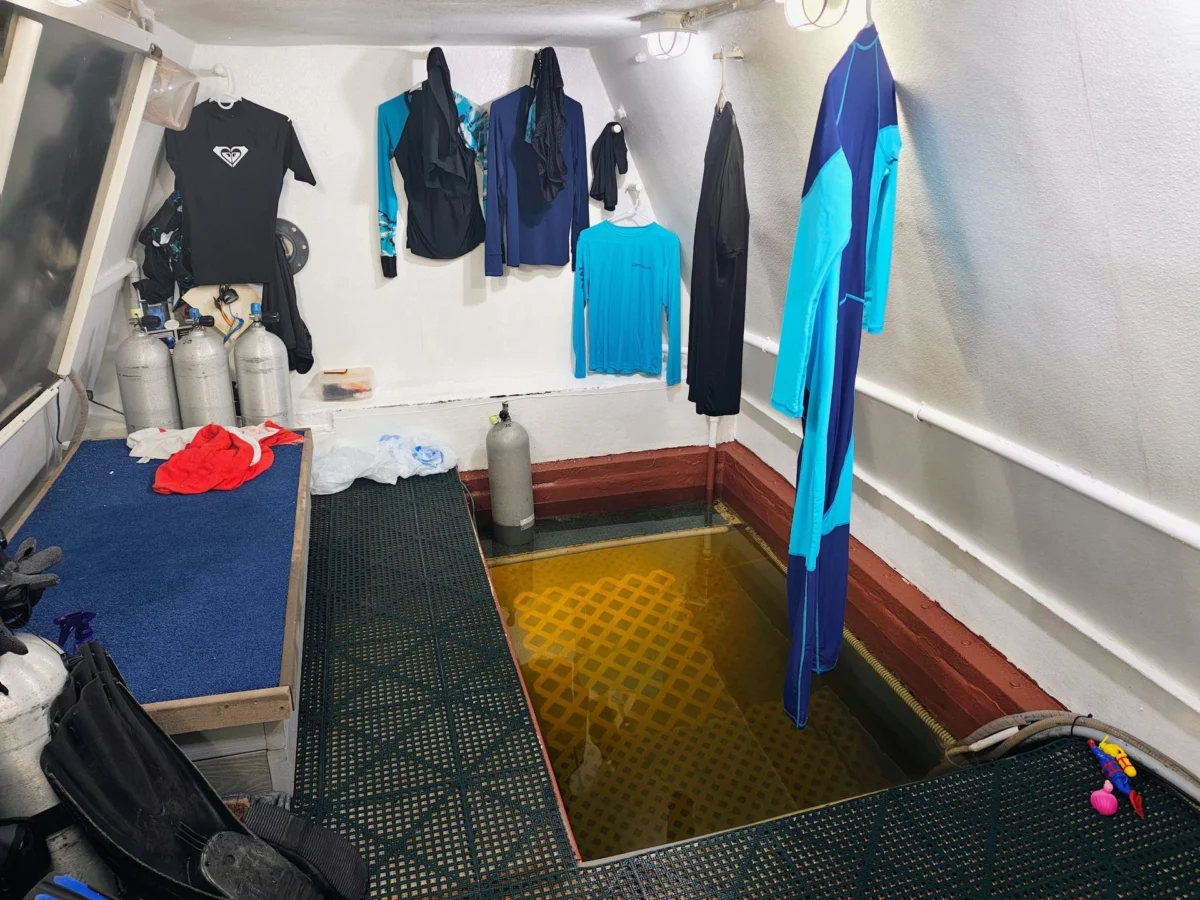
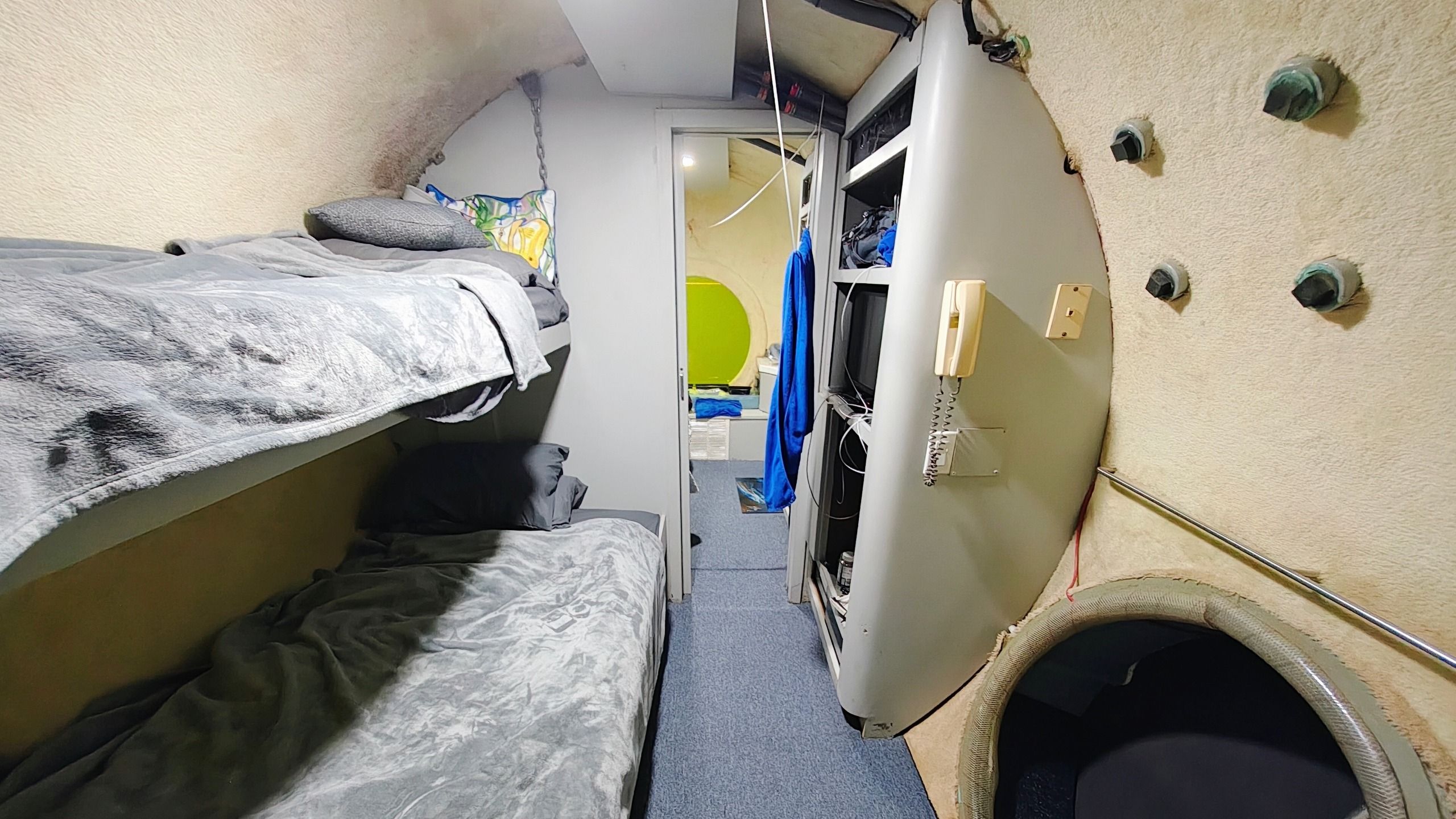
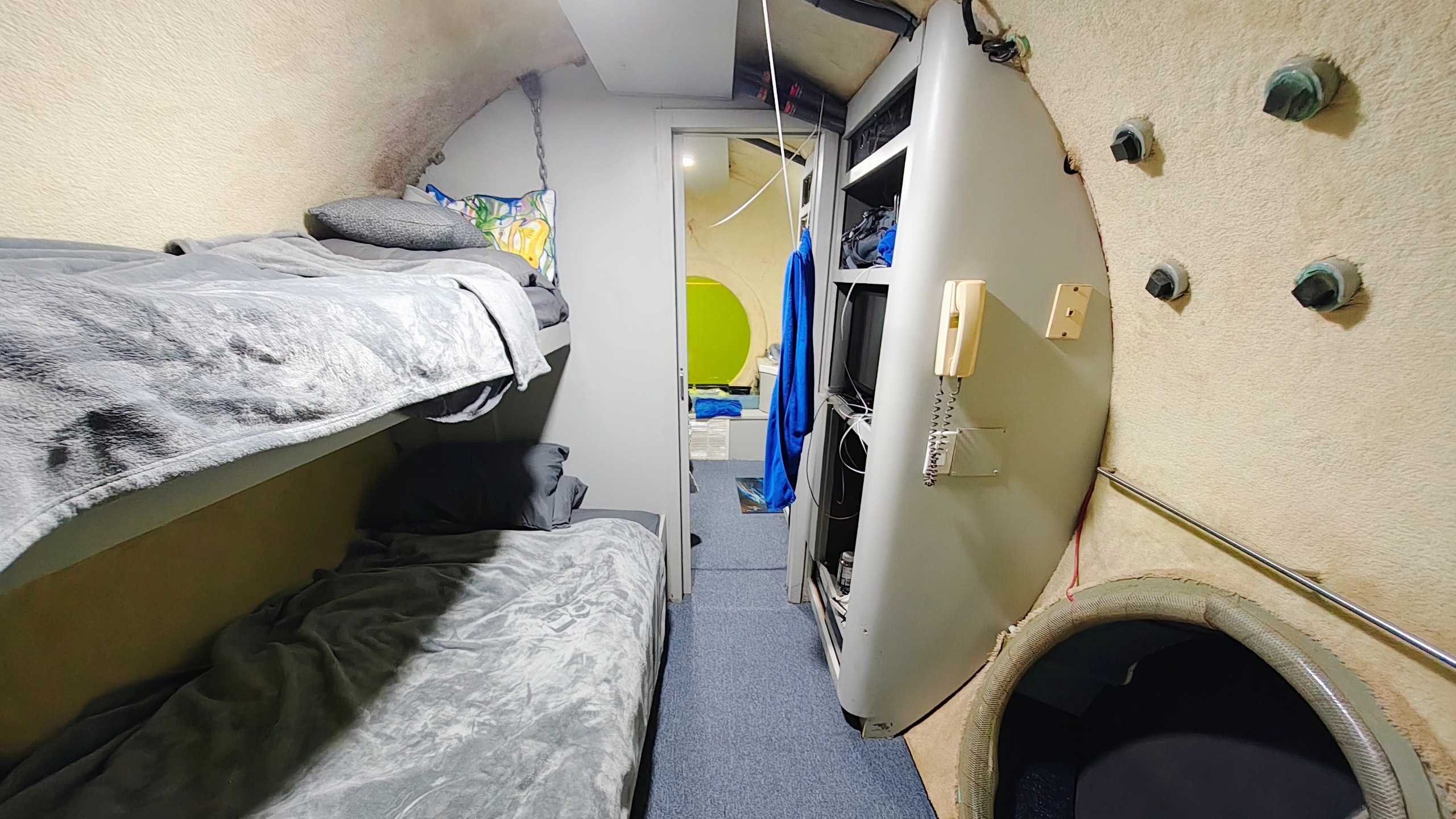
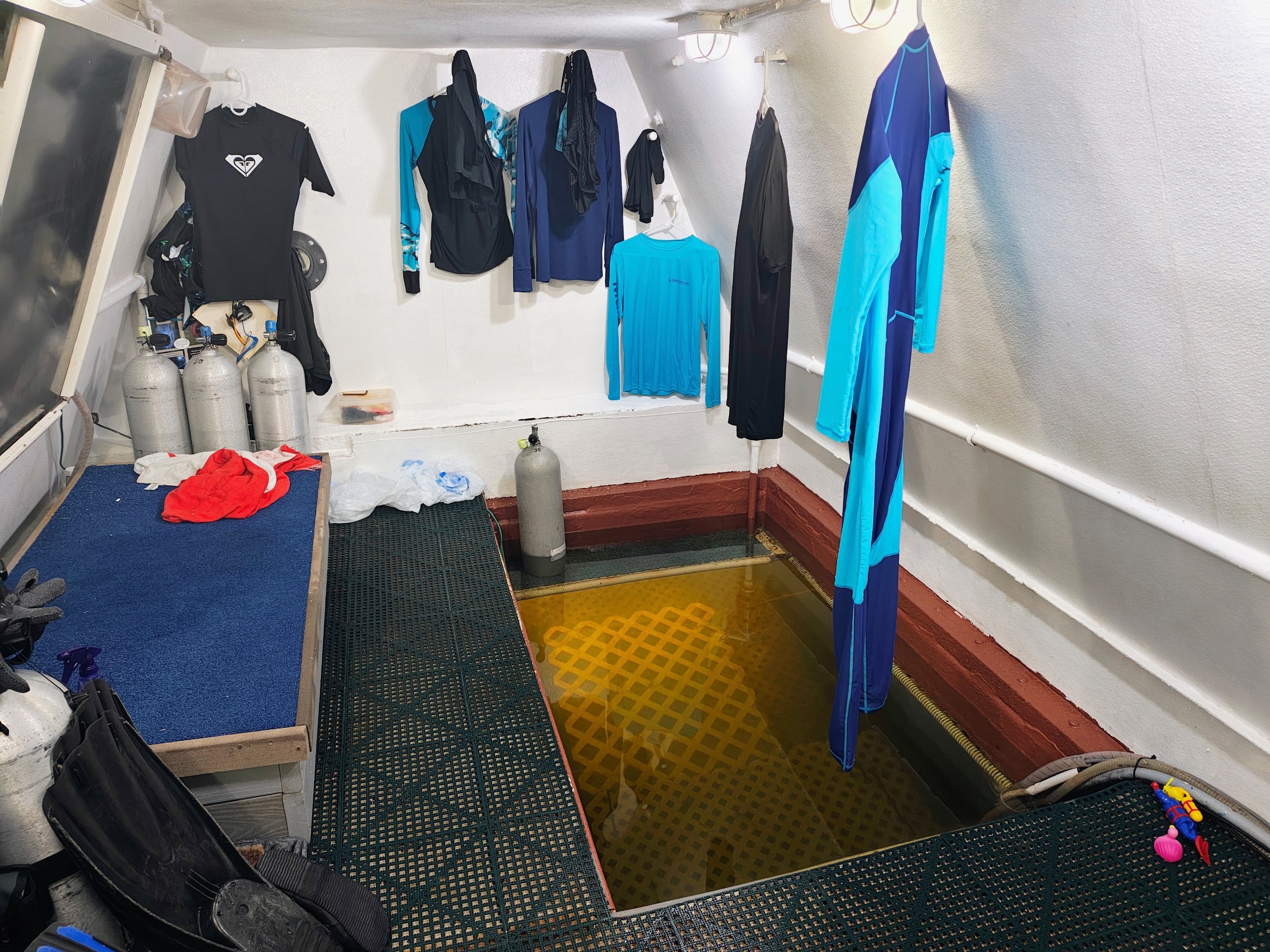
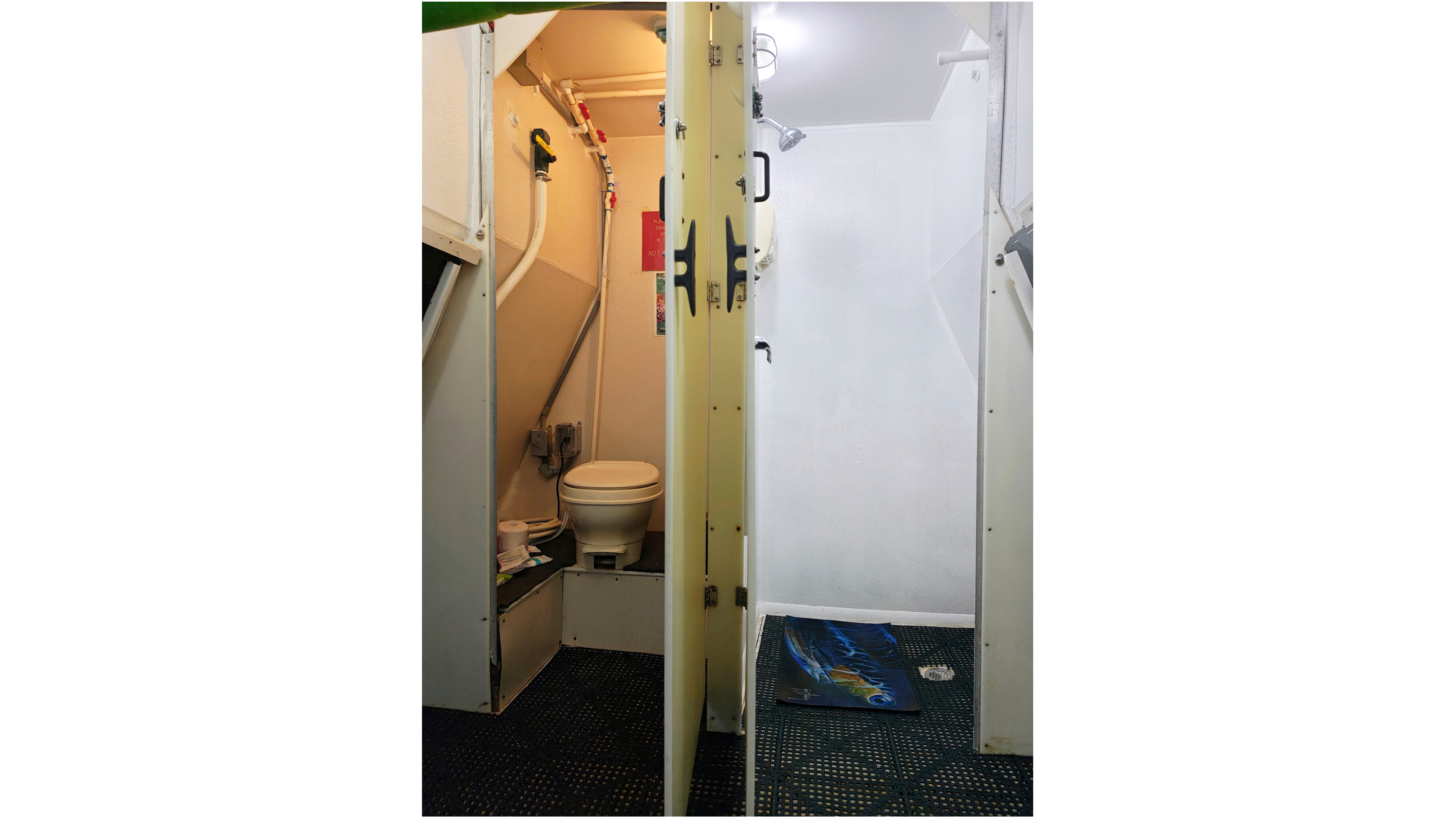
The interior of the facility, though functional, demands extreme spatial efficiency. It comprises a galley featuring a kitchen and dining-slash-work area, a rudimentary toilet and shower facility, a central "moon pool" serving as the primary underwater ingress and egress point, and a modest sleeping quarter equipped with two bunk beds that can be partitioned for privacy. Throughout the deployment, the crew relied entirely on umbilical support lines—historically established with assistance from NASA—supplying continuous electricity, fresh water, and breathable air, alongside a direct emergency communication channel to a surface-based Mission Control team.
Chronology and Historical Evolution of La Chalupa
The history of the Jules’ Undersea Lab is deeply intertwined with the evolution of saturation diving and human physiological research. Originally built in the 1970s as a mobile, barge-mounted habitat measuring 20 by 60 feet (6 to 18 meters), La Chalupa was engineered to allow divers—known as aquanauts—to live and work underwater for extended periods exceeding 24 hours without undergoing decompression sickness between shifts.
The original operational concept allowed the facility to be flooded partially, converting it into a navigable submersible that could be towed to various marine research sites, submerged, and subsequently refloated upon mission completion. Financial constraints eventually curtailed its mobility, leading to its permanent installation near Key Largo, Florida, where it was renamed in honor of Jules Verne.
Over the subsequent decades, the station has hosted dozens of notable aquanaut initiatives. These include a landmark 30-day research project sponsored by NASA, as well as endurance milestones that established world records for sustained underwater habitation, spanning 73 and 100 consecutive days, respectively. The SEA STAR mission adds a modern, astrobiological chapter to this legacy, shifting the operational focus from pure marine exploration to space-analog simulation.
Operational Dynamics and Analog Environment
During the five-day deployment, the SEA STAR crew adhered to an exhaustive, structured schedule designed to emulate the daily life of astronauts aboard the ISS. Each crew member managed distinct research projects alongside mandatory operational duties, including food preparation, routine medical monitoring, cognitive performance evaluations, and hardware maintenance.
Unlike typical terrestrial space analogs commanded by Dr. Musilova—who holds the global record for leading 40 simulated Moon and Mars missions—the SEA STAR crew did not incorporate dedicated physical exercise regimens into their daily schedule. In conventional dry-land analogs, such as HI-SEAS in Hawaii or LunAres in Poland, commanders mandate one to two hours of daily exercise to counteract muscle atrophy and cardiovascular deconditioning. However, the heightened ambient pressure inside the Jules’ Undersea Lab—roughly double standard atmospheric pressure—imposed an intrinsic physiological load on the human body, serving as an adequate biological stressor that precluded the need for high-intensity physical workouts.
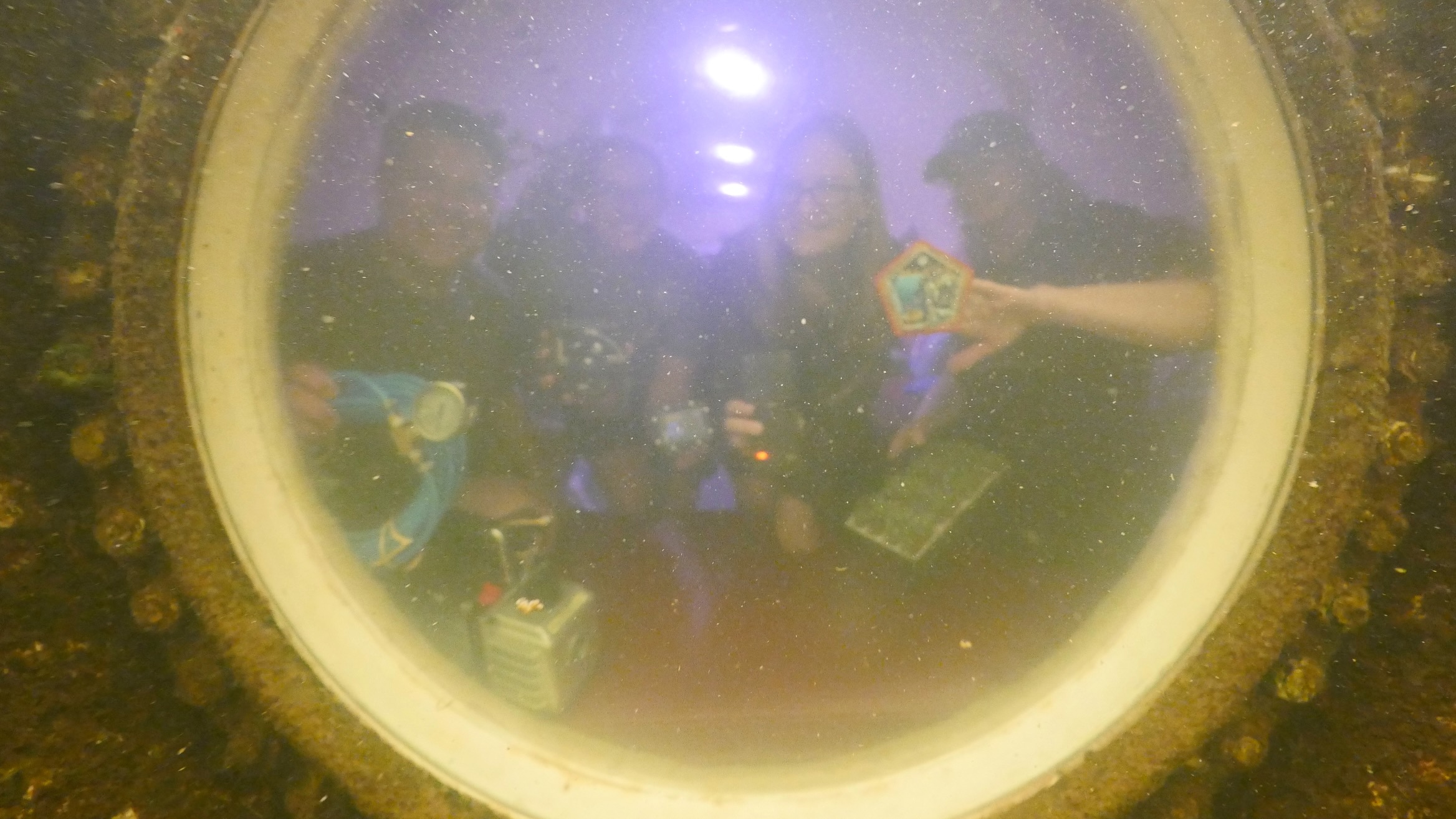
Furthermore, the environmental sensory deprivation within the habitat reinforced the Mars-simulation parameters. Deprived of direct sunlight and natural terrestrial views, the crew looked out through circular portholes onto a vibrant, emerald-green marine ecosystem. This starkly alien backdrop successfully fostered the psychological sensation of planetary isolation, reinforcing the mental fortitude required for deep-space exploration.
Broader Impact and Implications for Space Exploration
The implications of saturation-habitat analogs extend far beyond marine biology, offering vital data for aerospace medicine, human factors engineering, and crew resource management. As space agencies look toward multi-year crewed expeditions to Mars, understanding the psychological toll of prolonged confinement, high atmospheric pressure, and reliance on closed-loop life support systems becomes paramount.
Data gathered from missions like SEA STAR contribute directly to risk mitigation strategies for future interplanetary travelers. By evaluating how micro-teams operate under conditions where a mechanical failure carries immediate life-threatening consequences, researchers can refine psychological screening processes, training protocols, and onboard automation tools. The success of the SEA STAR deployment underscores the continued utility of Earth-based analog environments as cost-effective, high-fidelity testing grounds for the future of human spaceflight.